Sep 11, 2026
For Property Owners
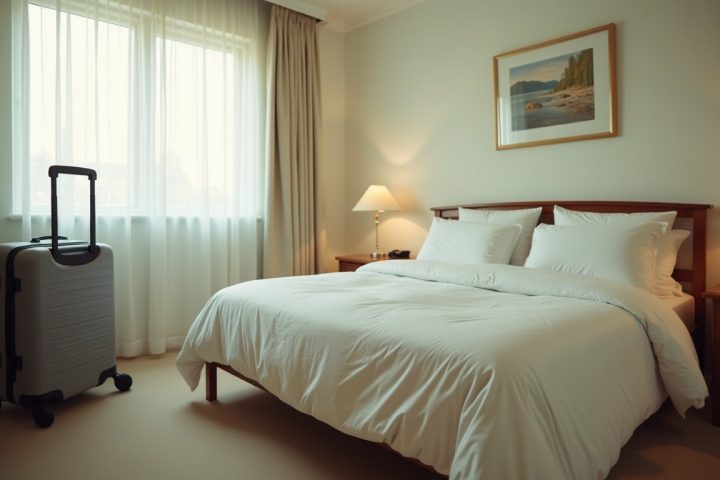
A bed bug report in a listing means refunds, blocked nights and reviews on top of treatment. What platforms expect and a turnover inspection routine.
Sep 11, 2026
Pest Files

Silverfish treatment costs $200 to $700 a visit, earwigs $100 to $300. All four are moisture pests, and fixing the damp does more than any product.
Sep 11, 2026
For Property Owners
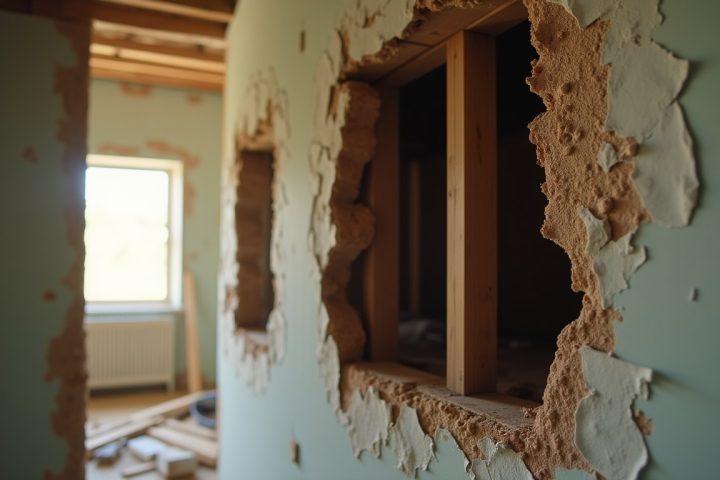
Standard policies generally exclude termite and rodent damage as maintenance. The two narrow exceptions, and where the money should go instead.
Sep 11, 2026
Pest Files
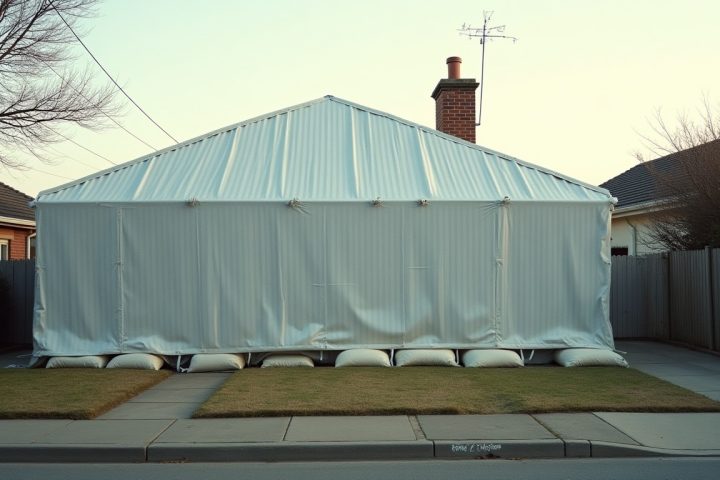
Tenting costs $1 to $4 per square foot and means leaving for about three days. When it is the right tool, what to prepare, and what it does not do.
Sep 8, 2026
For Property Owners

The initial fee, contract term and cancellation fee have real room. The recurring per-visit price has almost none, because it is route economics.
Sep 5, 2026
For Property Owners

Most inspections are free because they generate work. A quote should name the pest, method, visit count and callback terms, or it is just a number.
Sep 5, 2026
For Operators

A mid-size restaurant pays $260 to $320 a month against $120 for an office. Frequency and documentation drive it, not square footage.
Sep 5, 2026
For Property Owners

Monthly runs $40 to $70 a visit, quarterly $100 to $300. Annual cost is similar, so the decision is about interval, not price.
Sep 5, 2026
For Property Owners

A federal FTC rule gives three business days to cancel a door-to-door signing. Beyond that, fees run $150 to $500 and are often negotiable.
Sep 3, 2026
For Property Owners

Genuine emergencies are narrow. Same-day service usually exists without a premium, and for most pests speed buys hours at the front of a weeks-long process.