Pest Control Insulation (TAP): Cost and Whether It Is Worth It
Material runs $49.99 to $64.99 a bag, about $5,398 for a 1,500 sq ft attic, plus $1.50 to $2.50 per sq ft installed. How to evaluate the quote.
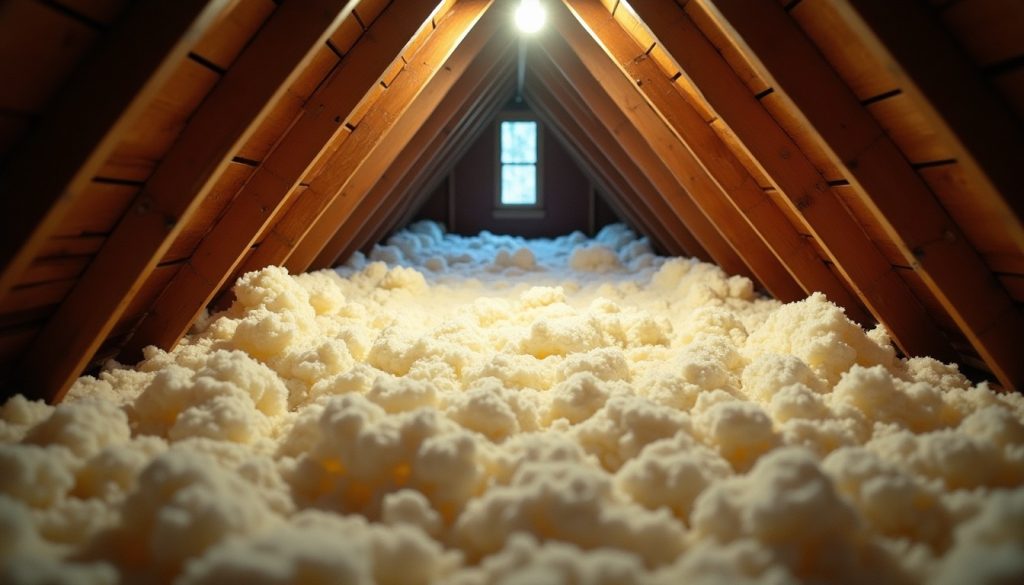
Pest control insulation is cellulose insulation treated with borate, sold under the TAP brand, that insulates and carries pest control claims at the same time. Material runs $49.99 to $64.99 per bag, roughly $5,398 for a 1,500 square foot attic at R-38, with professional installation adding $1.50 to $2.50 per square foot. A federal tax credit covers 30% of material cost up to $1,200.
This is one of the few products sold through pest control companies that is also a building material, which makes it hard to compare against either a pest quote or an insulation quote. Here is what it costs and where the value actually sits.
What it costs
| Item | Cost | Notes |
|---|---|---|
| Material, per bag | $49.99 to $64.99 | Varies by product type |
| 1,500 sq ft attic at R-38 | About 108 bags, roughly $5,398 | Material only |
| Professional installation | $1.50 to $2.50 per sq ft | $2,250 to $3,750 for 1,500 sq ft |
| Federal tax credit | 30% of material cost, up to $1,200 | Subject to eligibility and current rules |
Contractor-reported and retailer pricing compiled in 2026. Tax credit availability and limits change, so confirm current eligibility before relying on the figure.
What it is and what it does
The product is cellulose insulation treated with borate. Cellulose is a conventional insulation material made largely from recycled paper. The borate treatment is what carries the pest claims and is applied through the material rather than as a surface spray.
Because it sits in the attic, it addresses insects that move through or harbour in that space. It is not a substitute for the work that addresses the pests people usually call about, and it is worth being clear about the boundary:
- It does not exclude rodents. Mice and rats need physical sealing, covered in our guide to rodent removal costs.
- It does not replace a termite barrier. Subterranean termites approach through soil, addressed by treatment at the foundation, covered in termite treatment costs.
- It does not address bed bugs, fleas or cockroaches in living space.
- It does not seal the building envelope, which is the durable measure against overwintering insects and wildlife, covered in pest-proofing your home.
How to evaluate the quote
The honest way to assess it is as two purchases in one, because that is what it is.
- Price the insulation on its own merits. If your attic needs insulation anyway, compare the installed cost against conventional cellulose or fibreglass at the same R-value. Attic insulation has an energy payback independent of any pest benefit.
- Treat the pest element as incremental. Ask what the price difference is against untreated cellulose, and judge the pest claim against that gap rather than against the whole invoice.
- Confirm the tax credit position before it is factored into the comparison, since eligibility and limits change.
- Ask what it is claimed to control, by name, and check that against what you actually have.
- Check whether existing insulation is removed or the product is added over it, since removal and any contamination remediation are separate costs.
- Ask whether exclusion is being recommended alongside it, since a company selling attic insulation without mentioning entry points is not solving the entry problem.
Where it genuinely fits
The case is strongest when three things are true at once: the attic needs insulation regardless, there is a history of insect activity in that space, and the incremental cost over untreated material is modest.
If the attic is already adequately insulated, the product is being bought purely as pest control at building-material prices, and the same money spent on exclusion generally does more. If there is an active rodent or wildlife problem in the attic, that is removal and exclusion work first, with insulation as remediation afterwards, covered in our guide to wildlife removal costs where contaminated insulation replacement is a recognised line item.
Frequently asked questions
How much does TAP pest control insulation cost?
Material runs $49.99 to $64.99 per bag. A 1,500 square foot attic at R-38 needs roughly 108 bags, about $5,398 in material, with professional installation adding $1.50 to $2.50 per square foot, or $2,250 to $3,750. A federal tax credit may cover 30% of material cost up to $1,200.
What is pest control insulation?
Cellulose insulation treated with borate, sold under the TAP brand, that provides thermal insulation and carries pest control claims at the same time. The cellulose is conventional insulation made largely from recycled paper, and the borate treatment is distributed through the material rather than applied as a surface spray.
Does pest control insulation stop rodents or termites?
It is not a substitute for either. Rodents require physical exclusion, sealing gaps of about a quarter inch for mice and half an inch for rats. Subterranean termites approach through soil and are addressed by treatment at the foundation, not in the attic. Ask specifically what any product is claimed to control.
Is pest control insulation worth it?
The case is strongest when the attic needs insulation anyway, there is a history of insect activity in that space, and the incremental cost over untreated cellulose is modest. Price the insulation on its own merits, then judge the pest element against the price gap rather than the whole invoice.
Sources
- Retailer and contractor-reported pricing for TAP pest control insulation compiled in 2026.
- Federal energy efficiency tax credit terms as reported by product and installer sources, 2026. Subject to change and individual eligibility.