Termite Inspection Cost 2026: WDI Reports and Who Pays
A WDI report costs $75 to $150. A free inspection is not the same product. Who pays at closing is set by your contract, not by rule.
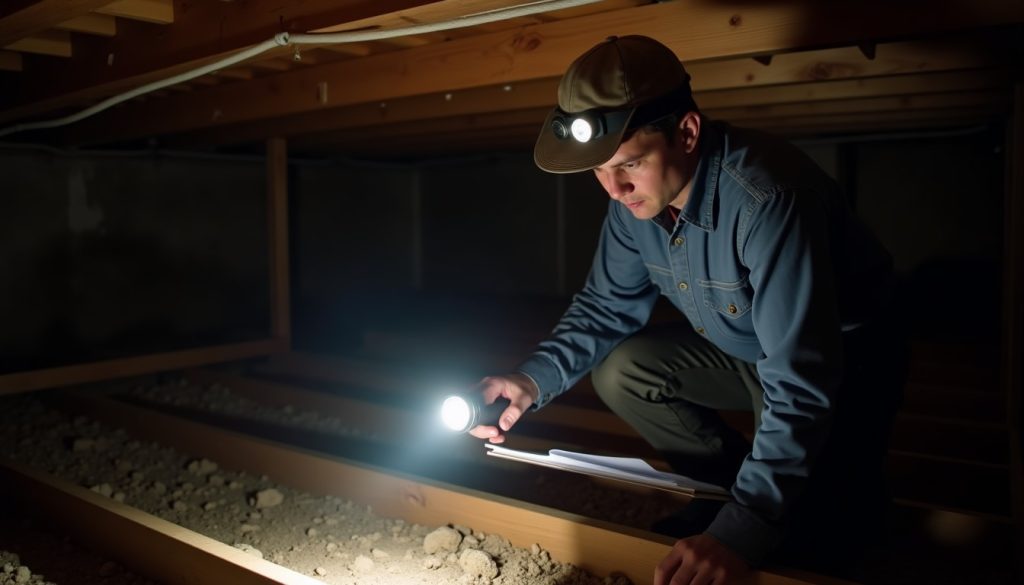
A termite inspection costs $75 to $150 for a formal WDI report, with a national average near $100 to $133, and some companies offer it free. The WDI (wood destroying insect) report is the document a lender requires before closing. Who pays is set by your purchase contract and local custom rather than by rule, and it is negotiable.
This page is about the inspection and the report, not the treatment. If an inspection has already found activity and you are pricing the work, see our guide to termite treatment costs.
What a termite inspection costs in 2026
| Item | Cost | Notes |
|---|---|---|
| Formal WDI report | $75 to $150 | Completed by a licensed inspector |
| Overall reported range | $0 to $300 | Average around $100 |
| Commonly cited average | $133 | Range $110 to $156 |
| Free inspection | $0 | Often offered where treatment may follow |
Contractor-reported ranges compiled by home services and real estate sources in 2026. A free inspection and a paid WDI report are not the same product, which is the distinction that catches people out.
A free inspection is not a WDI report
Many pest control companies inspect at no charge, because an inspection is how treatment work is found. That is a legitimate offer and worth taking if you suspect activity.
A WDI report is different. It is a formal document completed by a licensed inspector, on a standardised form in most states, recording what was found and what was not. It carries professional liability, which is why it is charged for even when a general inspection is free.
If you are buying a house and a lender has asked for documentation, a free walkthrough will not satisfy it. Ask specifically for the WDI or WDO report, and confirm the fee before booking.
Who pays at closing
There is no national rule. Payment responsibility is determined by the purchase contract, local convention and negotiation, and it varies by market.
| Situation | Who commonly pays |
|---|---|
| Traditional convention in many markets | Seller, as part of demonstrating property condition |
| Buyer-requested inspection | Buyer, unless negotiated otherwise |
| Competitive seller’s market | Frequently the buyer |
| Buyer’s market | Sellers more often agree to cover it |
| Any market | Whatever the contract says, which controls |
The lender requires the report to protect its own position, since it is financing an asset that may have structural damage. That is why the requirement exists even when neither party has seen evidence of termites. Certain loan programmes, including some government-backed products, have their own inspection requirements that vary by state, so check what applies to your specific loan.
What the inspection covers and what it does not
An inspector examines accessible areas for evidence of wood destroying insects: mud tubes, damaged wood, frass, swarmer wings and conducive conditions such as wood-to-soil contact and moisture.
The limits matter as much as the scope. Inspections are generally visual and limited to accessible areas. An inspector is not obliged to move stored belongings, cut into finished walls, or enter a crawlspace that is unsafe or impassable. A report noting large inaccessible areas is telling you something real about how much assurance it provides.
- Read the limitations section before the findings section. It defines what the findings are worth.
- Clear access in advance, particularly crawlspace hatches, garage perimeters and under-sink cabinets.
- Ask whether conducive conditions were noted, since these are often the actionable part even with no active infestation.
- Check whether the inspector also sells the treatment, and consider an independent inspection if the same firm would quote the remediation.
- Verify the licence with your state pesticide regulatory agency. Our guide to checking a pest control company covers the tiers.
Frequently asked questions
How much does a termite inspection cost?
A formal WDI report costs $75 to $150, with a national average around $100 to $133. Reported ranges run from $0 to $300, since many companies offer free general inspections while charging for the formal documented report a lender requires. Confirm which product you are booking.
Who pays for the termite inspection, buyer or seller?
It depends on the purchase contract and local custom, and it is negotiable. Sellers have traditionally covered it in many markets as part of demonstrating property condition, but in competitive markets buyers frequently pay. The contract controls, so read what it specifies rather than relying on convention.
What is a WDI report?
A wood destroying insect report is a formal document completed by a licensed inspector recording evidence of termites and other wood destroying organisms, usually on a standardised state form. Lenders require it before closing to avoid financing a property with undisclosed structural damage. It carries professional liability, unlike a free walkthrough.
Is a free termite inspection worth having?
Yes if you suspect activity and want an assessment, since many companies inspect free because inspections generate treatment work. It will not satisfy a lender, which requires the formal WDI report. Where the inspecting firm would also quote the treatment, an independent inspection is worth considering.
Sources
- Contractor-reported inspection pricing compiled by pest control and real estate sources, 2026. Sample sizes and methods are not published by those sources.
- U.S. Bureau of Labor Statistics, Producer Price Index programme. Confirmed no published series for NAICS 561710.