Does Homeowners Insurance Cover Pest Damage?
Standard policies generally exclude termite and rodent damage as maintenance. The two narrow exceptions, and where the money should go instead.
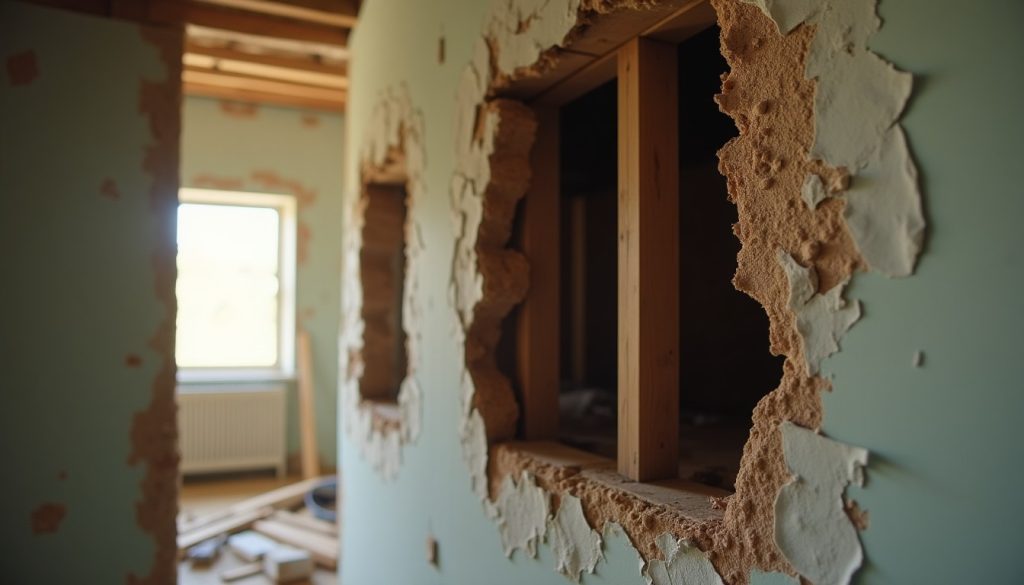
Standard homeowners insurance generally does not cover termite, rodent or other pest damage, because insurers treat infestation as a preventable maintenance issue rather than a sudden loss. Two narrow exceptions come up: a sudden structural collapse, and a covered peril such as a fire caused by rodent-chewed wiring. Coverage depends on your specific policy wording.
Most people discover this exclusion after the damage. Knowing it beforehand changes what is worth paying for, particularly a termite warranty.
What is and is not typically covered
| Situation | Typically covered | Why |
|---|---|---|
| Termite damage to structural wood | No | Treated as preventable maintenance |
| Rodent chewing damage to wiring, insulation, pipes | No | Maintenance exclusion |
| Cost of pest control treatment | No | Maintenance, not a loss |
| Fire caused by rodent-chewed wiring | Possibly | Fire can be a covered peril even when the cause is not |
| Sudden collapse linked to hidden damage | Possibly | Some policies cover sudden collapse |
| Bed bugs, fleas, cockroaches | No | Infestation exclusion |
The pattern is consistent: the infestation and its gradual damage are excluded, while a sudden covered event it triggers may not be. Policy wording varies, so treat this table as the usual position rather than a guarantee.
Why insurers exclude it
Homeowners insurance is built for sudden, accidental losses such as fire, storm and theft. Termites and rodents cause damage gradually and are considered preventable through inspection, exclusion and treatment, which places them in the same category as wear and maintenance.
The practical consequence is that the homeowner carries the risk. Termite treatment runs $275 to $1,600 for most homes, and structural repair is not capped by anything except the extent of the damage. Our guide to termite treatment costs covers what treatment involves.
The two exceptions, explained
Sudden collapse. Some policies cover sudden collapse of a structure or part of one, sometimes including collapse caused by hidden damage. Whether hidden insect damage qualifies depends on the policy. It is narrow, it does not cover the gradual damage that preceded it, and it is not a substitute for prevention.
A covered peril triggered by pests. If rodents chew wiring and it starts a fire, the fire may be covered even though the chewing is not. The repair of the chewed wiring and the rodent problem itself typically remain excluded.
In both cases, read your policy’s exclusions and definitions, and ask your insurer or agent directly rather than assuming.
Where the money should go instead
- A termite warranty with damage repair coverage. Because insurance excludes termite damage, a bond that pays for repairs up to a cap is the closest thing to termite insurance available. Our guide to termite bonds and warranties covers retreatment-only against repair coverage.
- Inspection before you buy. A WDI report at closing costs $75 to $150 and documents what an inspector found. See termite inspection costs.
- Exclusion work for rodents. Sealing entry points costs $1,000 to $3,000 once and addresses the wiring and insulation damage insurance will not cover. See rodent removal costs.
- Early detection. Damage is cheapest to stop at the evidence stage, covered in our guide to early signs of infestation.
If you rent or are selling
Renters insurance follows the same logic for personal belongings, and in rental property responsibility for infestation is usually a habitability question for the landlord rather than an insurance question. See landlord and tenant responsibility.
When selling, an active transferable termite bond is often more persuasive to a buyer than any insurance statement, because it names who is responsible if termites appear later.
Frequently asked questions
Does homeowners insurance cover termite damage?
Generally no. Insurers treat termite damage as a preventable maintenance issue rather than a sudden loss. A narrow exception can apply where hidden damage leads to sudden structural collapse and the policy covers collapse. Check your policy wording, since coverage varies between insurers.
Does homeowners insurance cover rodent damage?
Chewing damage to wiring, insulation and pipes is typically excluded as a maintenance issue. If rodent-chewed wiring causes a fire, the fire damage may be covered as a peril even though the rodent problem and the chewed wiring are not. Policy terms vary.
Does insurance pay for pest control treatment?
Standard homeowners policies generally do not pay for pest control treatment, because prevention and treatment are considered routine maintenance. For termites, the closest equivalent to coverage is a warranty or bond from the treating company that includes damage repair up to a stated cap.
How do I protect my home from termite damage costs?
Get an inspection, treat confirmed activity, and hold a termite warranty that includes damage repair rather than retreatment only. Since homeowners insurance generally excludes termite damage, the warranty and early detection are what actually limit your exposure to structural repair costs.
Sources
- Homeowners insurance pest exclusion guidance compiled from insurer and consumer insurance sources including U.S. News, Nationwide and Allstate, 2026. Individual policies vary.
- Contractor-reported treatment and inspection pricing compiled by home services marketplaces, 2026.