Bird in Your Chimney: Swifts, Starlings and What the Law Says
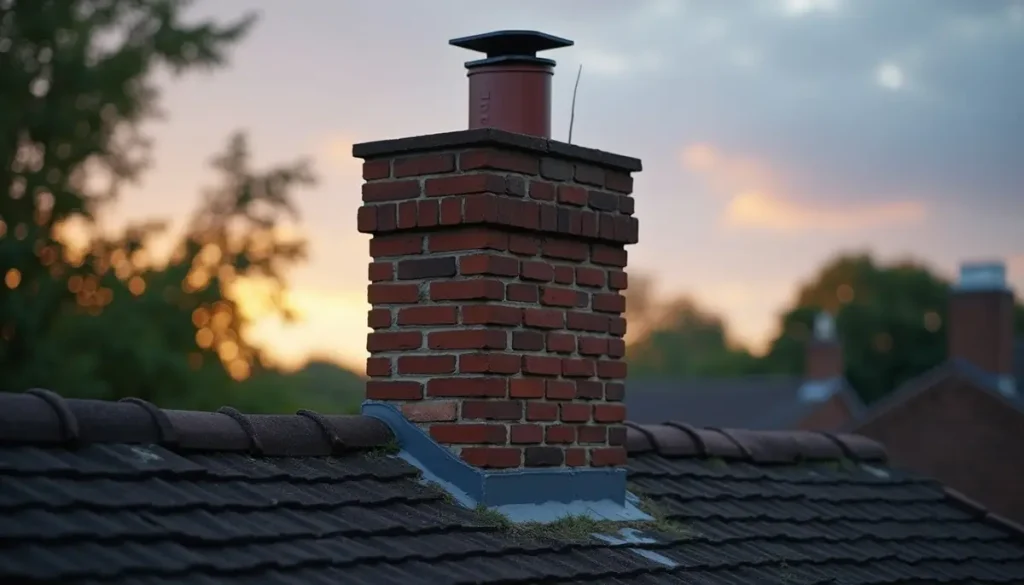
Chattering in a chimney from May to August in the eastern US is probably young chimney swifts: leave them, because federal law protects an in-use nest, and they fly about 30 days after hatching. European starlings and house sparrows are not covered by that law. A bird flapping at the base of the flue is a separate problem, and you can usually help it leave. Do not light a fire, and fit a cap only once the birds have gone.
Which rule applies to your bird
| Bird | Federal status | Nest with eggs or young | Empty nest |
|---|---|---|---|
| Chimney swift | Listed under the Migratory Bird Treaty Act, 50 CFR 10.13 | Leave it; destroying it needs federal authorisation | May be destroyed without a permit; keep nothing from it |
| Any other native bird | Check 50 CFR 10.13, which lists over 1,100 species | Same rule as the swift | Same rule as the swift |
| European starling, house sparrow | Not protected by the Act (US Fish and Wildlife Service, 2020 notice) | No federal bar; check state law | No federal bar; check state law |
| Rock pigeon | On the same 2020 list of non-native species the Act does not cover | No federal bar; check state law | No federal bar; check state law |
Compiled by The Pest Control Brief from 50 CFR 10.13, the Federal Register notice of 16 April 2020 and Migratory Bird Permit Memorandum MBPM-2-02.
Most homeowner guides we read still say “active nest”. The Fish and Wildlife Service replaced that wording in its January 2025 memorandum, and the new definition settles the timing question. A nest is “in use” from the first egg until the nestlings “fledge and are no longer dependent on the nest”. Destroying one requires authorisation.
Where the rule bends
- Empty nests. The 2025 memo lets you destroy an inactive nest without a permit, provided nobody keeps the nest, eggs or dead birds. It puts the burden on you to be sure no eggs or chicks are harmed, and it recommends working outside the nesting season.
- Nests still being built. The memo counts a nest as inactive until the first egg. In a flue you usually cannot see which stage it has reached, so treat a swift nest from May onward as in use.
- Permits. The North Carolina Wildlife Resources Commission says a federal permit is always required to remove chimney swifts, arranged through USDA Wildlife Services, and that state also requires its own depredation permit. Relocating them without a permit is illegal.
- State law. The memo warns that nests may have extra state, tribal or local protection, so a federal exemption is not the last word.
What is likely up there, month by month
Swift records in our data collapse outside the warm months: of 10,346 US research-grade iNaturalist records, only 12 fall between November and February, so winter noise is very unlikely to be a swift. Starlings are recorded in every month, with a low of 6,548 records in August and a high of 24,036 in April.
| Month | Share of swift records | Likely situation | What to do |
|---|---|---|---|
| Nov to Feb | 0.1% | No swifts. Starling nesting can begin by mid February in Washington State | Sweep, remove old nests, fit a cap |
| Mar | 0.6% | Swifts rare. Starlings may be nesting | Last clear window; Travis Audubon suggests mid March for cleaning |
| Apr | 15.2% | Swifts arriving | Check the flue before capping; do not cap if birds are using it |
| May | 28.4% | Swift breeding usually begins in early May (Alabama). House sparrows nest May to July (Illinois) | Close the damper; identify the bird |
| Jun to Jul | 29.1% | Eggs and begging young; Alabama gives mid July as the end of the breeding season | Wait; postpone the sweep |
| Aug | 10.5% | Young from late nests may still be calling | Keep waiting until the noise has stopped |
| Sep to Oct | 16.1% | Still recorded, then gone: 6 records in November | Book the sweep for late autumn |
Compiled by The Pest Control Brief from iNaturalist records, Outdoor Alabama, Washington Department of Fish and Wildlife, Illinois DNR and Travis Audubon. Dates shift with latitude.
Swifts breed east of Texas, according to New York’s 2024 species assessment, so in the West a chimney bird is unlikely to be this species, though other native birds still fall under the Act. Scratching with no chatter may not be a bird at all: see our guides to a bat in the house and raccoons.
How long the noise will go on
Texas Parks and Wildlife says the young leave for their first flight 30 days after hatching and are loudest in their last two weeks in the chimney. North Carolina says most people first notice swifts when the young start calling at about two weeks old. So if the racket has just started, you are usually about two weeks from silence.
Published nestling periods look contradictory: NestWatch averages 19 days, while Alabama gives 28 to 30. Audubon’s account reconciles them. Young can climb at roughly three weeks and first fly at about four, so they leave the nest cup well before they leave the chimney.
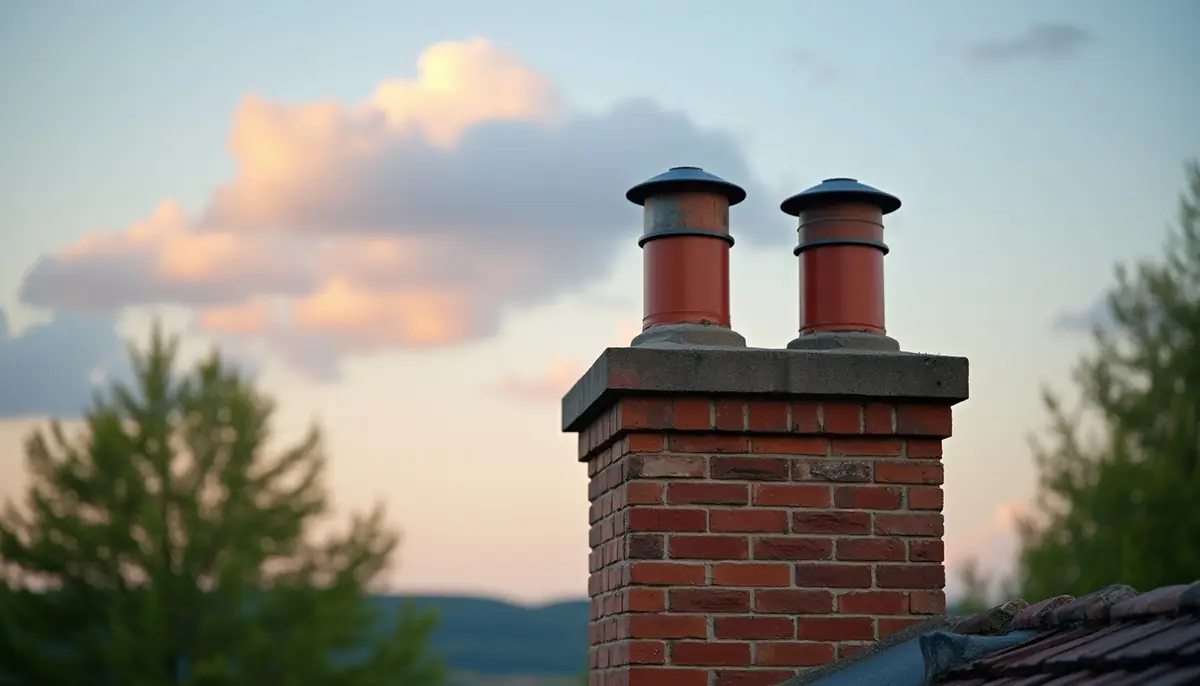
A bird at the bottom of the flue: how to get it out
The rule protects birds; it does not stop you helping one that has fallen. These steps come from state and county agencies.
- Bird loose in the room or firebox. Prince William County Animal Services in Virginia says birds are attracted to light: close the curtains, turn off the lights and open the door. Keep pets out and leave the room quiet.
- Fully feathered swift with its eyes open, below the damper. Texas tells sweeps to place it on the wall above the damper so it can climb back up. Swifts cannot perch upright and need a vertical surface to cling to. North Carolina suggests gloves.
- Younger or injured bird. Call a licensed rehabilitator; your state wildlife agency can name one and advise on moving it. North Carolina adds that young swifts can climb before they are feathered, and advises leaving nestlings alone for 24 hours before calling.
- Metal flue. Humane World for Animals and Travis Audubon warn that birds cannot grip metal and fall to the bottom. Have a sweep or wildlife operator retrieve it, then cap the flue.
- Bird out of reach and still moving. Call a sweep or wildlife operator. Our wildlife removal cost guide covers the usual fees.
Fire, smoke and the closed damper
Prince William County’s advice is blunt: if animals are born in a chimney, “do not try to smoke them out”. Under the Act, killing a protected bird is take, and the Fish and Wildlife Service calls nest destruction that results in unpermitted take “fully prosecutable”. Searches for how to get rid of birds in a chimney naturally have no shortcut behind them: we found no agency recommending a repellent, and waiting then capping is the natural route.
Closing the damper is what helps. Travis Audubon says it should stay closed through the nesting season, which also makes the chimney quieter. Without a working damper, it suggests foam rubber in the flue and a note in the fireplace so nobody lights a fire before removing it.
Sources disagree on fire risk because they are talking about different birds. Humane World for Animals calls swift nests far too small to be a fire hazard. Washington’s wildlife department says starling nesting in buildings can create fire hazards, and it describes their nest as an untidy mass of grasses, bark strips, twigs and rope. CDC separately warns that debris can block a chimney and let carbon monoxide build up, and advises a check or cleaning every year. So a chimney that held starlings needs inspecting before the first fire of autumn.
Cap it on the right date
A cap cannot go on over an in-use nest, because North Carolina notes that excluding the adults will cause the young to die. Texas prefers late autumn, after migration, and tells sweeps to wait at least 6 weeks if there are eggs or at least 4 weeks if there are young.
Without a cap, expect them back. In a New York banding study cited in that state’s 2024 assessment, 62 per cent of banded adults returned to the area, and 70.5 per cent of those went to their previous nest site. Ohio pairs that nested together again used the same air shaft 96 per cent of the time.
- Screening. Washington says starlings struggle with holes under 1.5 inches, but sparrows and bats can get through, and it suggests quarter-inch hardware cloth checked regularly for clogging. Ask a sweep to specify anything fitted over a working flue.
- Old nest. Humane World for Animals advises removing it after the birds leave, because it can carry bird parasites and collapse the next season. Nest removal can send bird mites looking for a host.
- Cost and scope. Our bird control cost guide prices the work; pest-proofing your home covers the roofline.
There is a case for leaving a masonry chimney open. Cornell’s All About Birds, citing the North American Breeding Bird Survey, puts the decline at 2.3 per cent a year from 1966 to 2023, a cumulative 74 per cent. New York’s atlases found swifts in 58.6 per cent of survey blocks in 1980 to 1985 and 49.7 per cent in 2000 to 2005. Travis Audubon says an open-sided cap with at least 12 inches between chimney top and cover keeps rain out and lets swifts in.
Frequently asked questions
How to get a bird out of a chimney?
If the bird is loose in the fireplace or room, close the curtains, turn off the lights and open a door so it flies to the light. Place a fully feathered swift on the wall above the damper. Call a licensed rehabilitator for injured or young birds, and a sweep if it is out of reach.
Do birds nest in chimneys?
Yes. Chimney swifts glue a half-saucer of twigs to the flue wall with saliva and lay three to six eggs, according to Outdoor Alabama. Starlings also nest in building cavities, using a bulky mix of grass and debris. Swift nests with eggs or young are federally protected; starling nests are not.
How can I tell if there is a bird in my chimney?
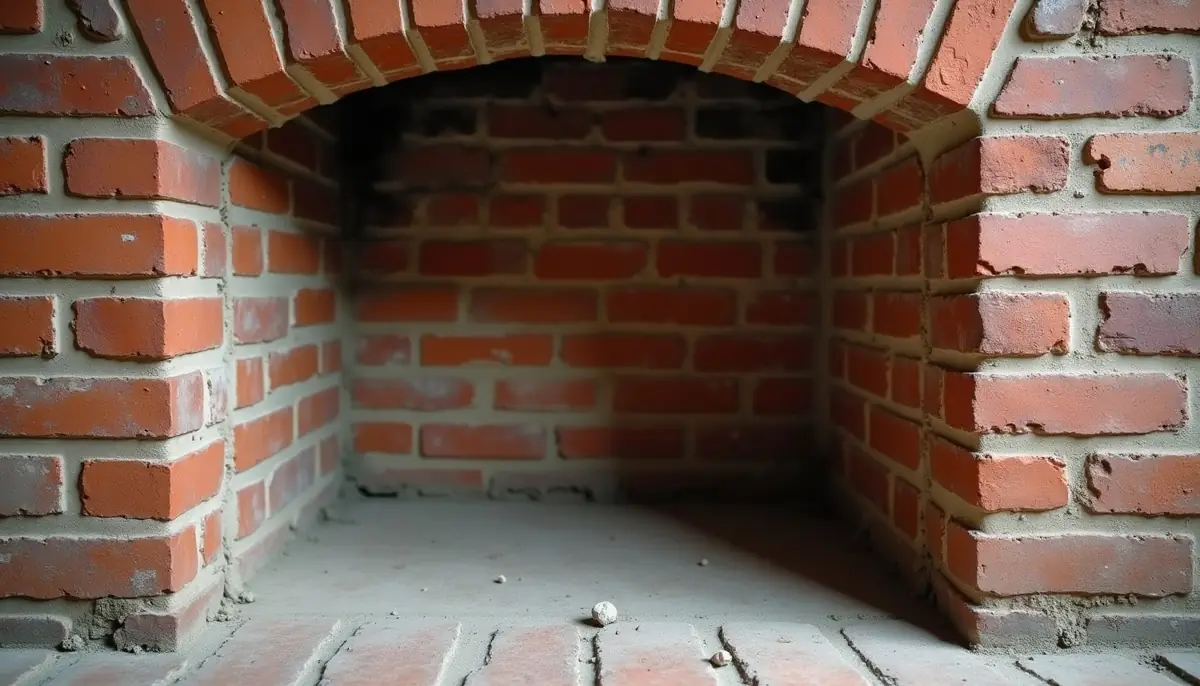
Listen and look at the debris. Loud chattering in summer is usually begging swift chicks, heard most in their last two weeks. Fluttering at the base suggests a fallen bird. Grass, bark strips and rope on the smoke shelf point to starlings; small glued twigs point to swifts.
How long will a dead bird in a chimney smell?
Usually days to a few weeks. Nobody has timed a bird in a flue, but the Internet Center for Wildlife Damage Management says the odour lingers for days to weeks and disappears once the carcass dries, more slowly for larger bodies. Rat carcass studies reached final remains in 1 to 2 summer weeks; see our dead mouse smell guide.
How do you get rid of birds in a chimney in the UK?
The US rules do not apply. Under section 1 of the Wildlife and Countryside Act 1981, intentionally damaging or destroying a wild bird’s nest while it is in use or being built is an offence. Help Wildlife names jackdaws as common chimney nesters and suggests letting a fallen bird free itself, or calling a sweep.
Sources
- US Fish and Wildlife Service, Migratory Bird Permit Memorandum MBPM-2-02, Authorizations to take migratory bird nests and contents, 15 January 2025.
- US Code of Federal Regulations, 50 CFR 10.13, List of Migratory Birds.
- US Fish and Wildlife Service, List of Bird Species To Which the Migratory Bird Treaty Act Does Not Apply, Federal Register, 16 April 2020 (2020-06782).
- North Carolina Wildlife Resources Commission, Chimney Swifts guidance sheet, 2019.
- Texas Parks and Wildlife Department, Texas Partners in Flight, Chimney Swifts: information for homeowners and chimney sweeps.
- Outdoor Alabama (Alabama Department of Conservation and Natural Resources), Chimney Swift.
- New York State Department of Environmental Conservation, Species Status Assessment: Chimney Swift, updated December 2024.
- Cornell Lab of Ornithology, All About Birds, Chimney Swift; NestWatch, Clutch Size and Phenology for Common Species; NestWatch, Managing House Sparrows and European Starlings.
- National Audubon Society, Guide to North American Birds: Chimney Swift.
- Humane World for Animals, What to do about chimney swifts.
- Travis Audubon, Being a Good Chimney Swift Landlord.
- Washington Department of Fish and Wildlife, Living with Wildlife: Starlings.
- Illinois Department of Natural Resources, Wild About Birds: House Sparrow.
- Prince William County, Virginia, Animal Services, Critter Control.
- Centers for Disease Control and Prevention, Carbon Monoxide (CO) Poisoning Basics.
- Internet Center for Wildlife Damage Management, Smells: Identifying and Responding to Wildlife Odors.
- Tomberlin, J.K. and Adler, P.H., Seasonal colonization and decomposition of rat carrion in water and on land in an open field in South Carolina, Journal of Medical Entomology 35(5), 1998.
- UK Government, Wildlife and Countryside Act 1981, section 1.
- Help Wildlife, Birds in Chimneys.
- The Pest Control Brief analysis of iNaturalist research-grade records, pulled November 2026.