Found a Dead Bat in Your House or Yard? What to Do First
If you found a dead bat, do not touch it with bare hands and do not throw it away yet: if a person or pet could have touched it, call your local health department, because the bat may need a rabies test. A bat in a room with a sleeping person or an unattended child counts as possible contact even with no visible bite. If nobody could have touched it, a bat found outdoors can usually be double bagged and put in the trash.
Which situation are you in?
| Where and how you found it | Keep the bat for testing? | First call |
|---|---|---|
| In a bedroom where someone slept, or near an unattended child | Yes, until told otherwise | Health department and a doctor, the same day |
| Someone touched it bare-handed, or a child picked it up | Yes, until told otherwise; state rules differ | Health department |
| In a dog’s or cat’s mouth, or chewed | Yes. Utah’s lab accepts any bat, dead or alive, chewed by a dog, cat or ferret | Vet and health department |
| Indoors, in a room nobody used, with no contact you can be sure of | Ask. “Not sure” is a reason to keep it | Health department |
| In the yard, pool or on a driveway, nobody and no pet touched it | Usually no. Utah excludes bats that exposed no person or pet | Nobody, if you are certain |
| Several dead bats, or any dead bats in winter | No contact: no test, but report it | State wildlife agency, with photos |
The final decision belongs to your health department. Ohio’s Licking County Health Department describes the sequence: a risk assessment, then whether to test, then whether to recommend post-exposure shots.
Throwing the bat away first can cost you a clear answer. New York’s guidance is that treatment should be considered when a bat with known or likely contact is either rabid or not available for testing. In three US rabies deaths in 2021, CDC recorded that two patients released the bat rather than capturing it.
Moving it without touching it
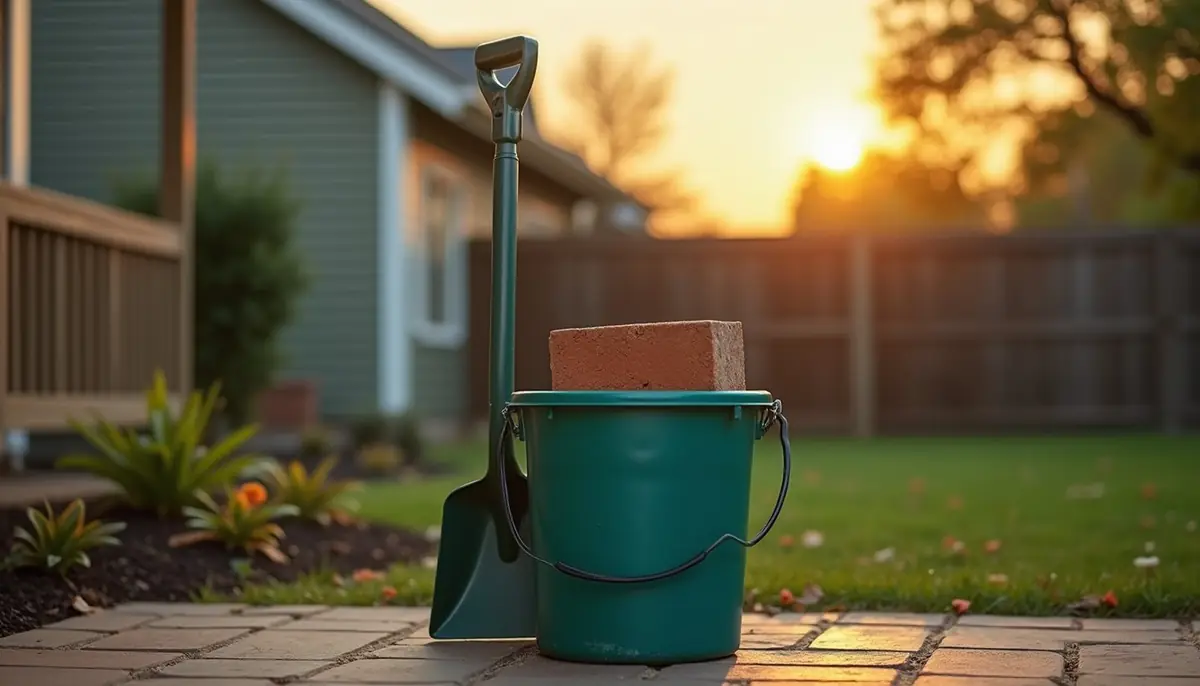
- Keep people and pets away. New York’s Department of Health says to cover a grounded bat outside with a pail or box, weighted with a brick or rock, while you call.
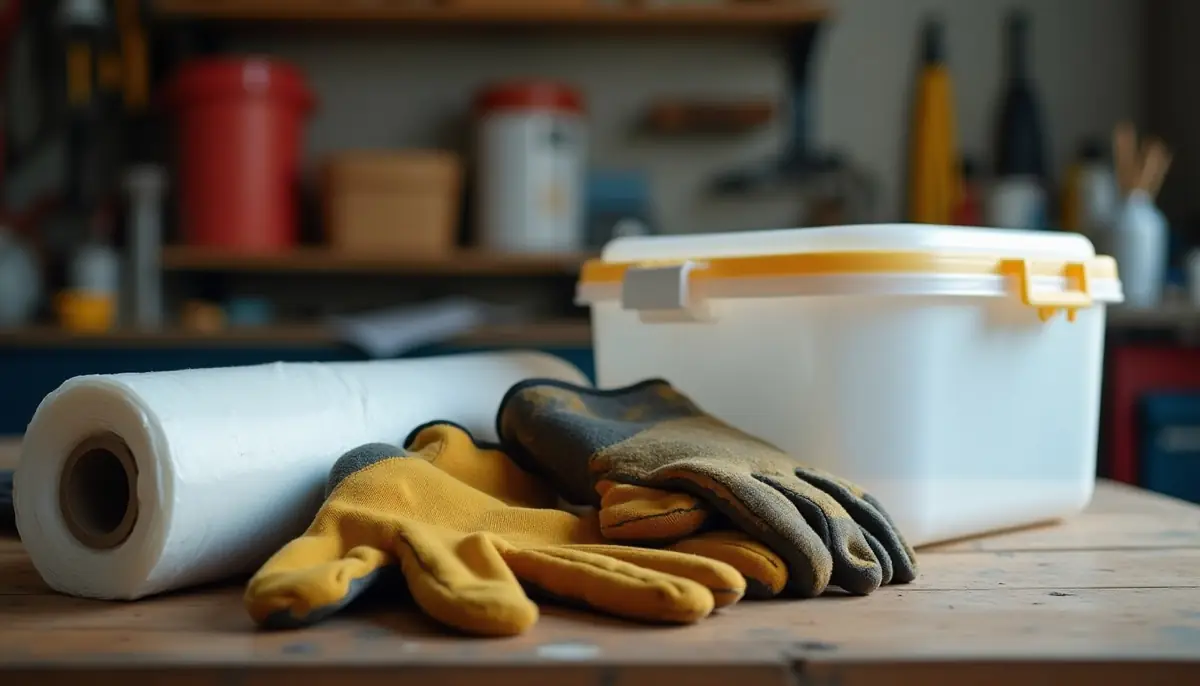
- Use a tool, not a hand. NIOSH, the CDC’s workplace safety institute, tells workers to use a shovel or other tool, and heavy gloves if the bat must be handled.
- Keep the whole bat, with the head undamaged. Washington’s public health laboratory wants the entire animal for bats, and Texas warns that physical trauma can damage the brain and make testing impossible. Do not hit it, and do not crush it.
- If it is being kept, seal it in two bags or a lidded container, date it, and keep it away from food.
- If you are told to discard it, follow the USGS method: pick it up with a plastic bag over your hand or with disposable gloves, put the bat and that bag into another plastic bag, spray it with disinfectant, seal it, and put it in the trash. Wash your hands and any clothing that touched it.
Some web advice says to bury or burn a dead bat, or freeze it for 24 hours. None of that appears in the official guidance we read. Burying or burning destroys a specimen you may need, and Utah, Washington and Louisiana all warn that freezing delays testing.
How labs want it kept, and how fast it spoils
These rules are written for vets and animal control officers, but they show what your health department is likely to ask for: cold, not frozen.
| State document | Temperature rule | If it is already frozen, or too old |
|---|---|---|
| Utah testing guide, 2026 | Refrigerate as soon as possible. Do not freeze; freezing may delay results | Freezing may be acceptable only if it cannot be refrigerated and shipped within 24 hours. Advanced decomposition cannot be reliably tested |
| Washington packaging procedure | Keep refrigerated, do not freeze | Keep and ship frozen: freeze-thaw cycles can make it unsatisfactory |
| Minnesota specimen rules | Refrigerate, do not freeze. A bat caught at night: keep it cool and call in the morning | May still give a satisfactory result; do not thaw |
| Louisiana shipping protocol | Chill immediately, do not freeze | 24 hours at room temperature, or 3 to 6 hours in warmer temperatures, is highly unlikely to give a valid result |
Compiled by The Pest Control Brief from the four state documents named.
Louisiana’s 3 to 6 hour figure is the one to act on in summer: a bat on a hot patio has hours, not days. If you cannot reach anyone, keep the sealed bat cold and call first thing.
Is the virus still alive in a dead bat?
Sources do not fully agree, which is why the advice stays cautious:
- NIOSH: in bats that died from rabies, the virus can remain in the carcass until decomposition is well advanced and dry.
- CDC’s MMWR, 2017: rabies virus does not survive more than a few days outside a host.
- Pennsylvania Department of Agriculture: sunlight kills it, most disinfectants kill it, and freezing and moisture can help preserve it.
- UC IPM Pest Notes: “it is too late to check for rabies” once a bat has died. State laboratories routinely test dead bats, so do not rely on that line.
State rules on touching one differ too. Utah says a person picking up a dead bat “would generally NOT qualify as an exposure”, provided there was no contact with teeth, claws, wet saliva or brain tissue. Texas lists a child touching a live or dead bat as a possible exposure. Call rather than decide alone.
How often tested bats turn out rabid
| Year | Rabid bats reported | Bats as share of all rabid animals | Share of submitted bats positive |
|---|---|---|---|
| 2020 | 1,400 | 31.3% | 5.8% (about 24,000 tested; CDC MMWR) |
| 2021 | 1,241 | 33.9% | Not stated |
| 2022 | 1,218 | 34.0% | Not stated |
| 2023 | 1,298 | 34.5% (our calculation) | 5.1% |
| 2024 | 1,376 | 35.9% (our calculation) | 5.7% |
Compiled by The Pest Control Brief from the published summaries of the CDC-authored JAVMA rabies surveillance reports for 2020 to 2024, and CDC MMWR 2022. “Not stated” means the summary gives no positivity figure; we did not back-calculate one. MMWR gives 1,401 rabid bats for 2020.
So roughly 1 in 18 bats sent for testing is positive, and those bats are not a random sample. Penn State Extension puts rabies in clinically normal bats at under 0.5 per cent, and UC IPM gives no more than 0.5 per cent for randomly selected bats.
CDC says bat bites do not always leave a visible mark and attributes 70 per cent of US human infections to rabid bats. Rabies is nearly always fatal once symptoms start, while post-exposure shots are nearly 100 per cent effective before then. In a 2015 Wyoming case, a woman woke with a bat on her neck, her husband found no bite, and she died of rabies that October.
Why it died where you found it
Without a lab you will not know the cause of one dead bat. These are the patterns the sources describe:
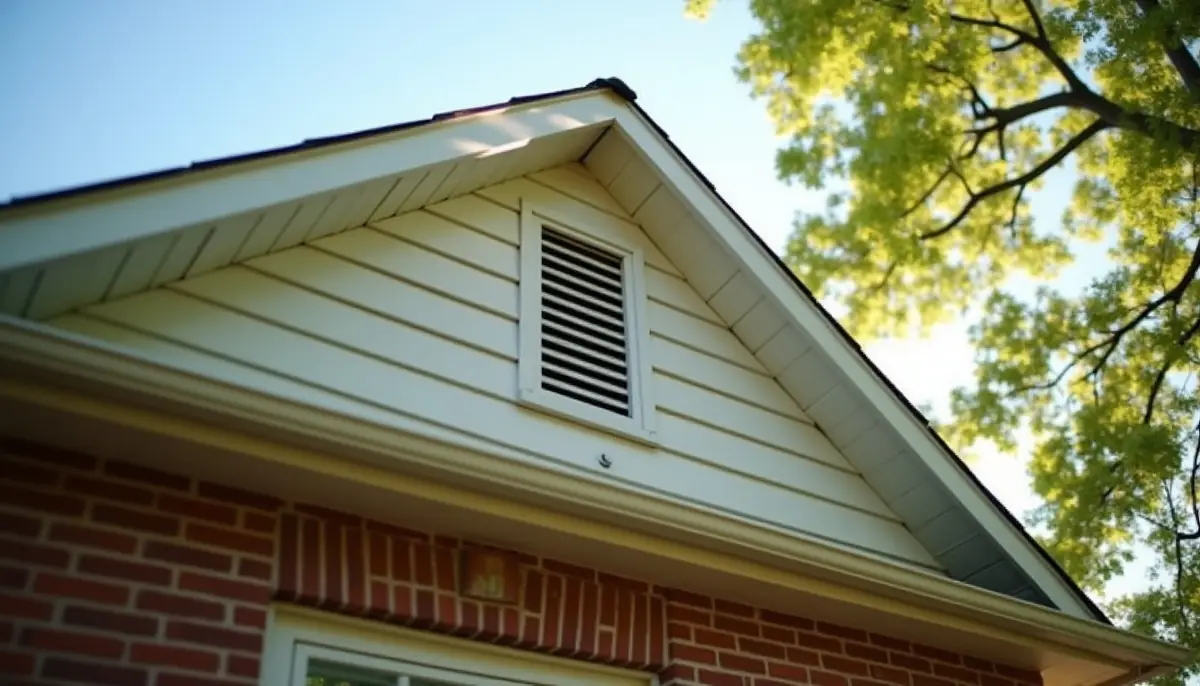
- Summer, under a roof edge or roost: possibly a young bat. Penn State says pups are born in late May and early June, begin flying by mid-July at about five weeks, and often become grounded while learning. A fallen pup dies unless retrieved.
- Any time of year: possibly a sick bat. UC IPM notes sick bats sometimes fall out of the roost, and Penn State says grounded bats are more likely to be sick than others.
- Winter, especially more than one: white-nose syndrome is a possibility. USGS says this fungal disease of hibernating bats is in at least 40 states and has affected 12 of 47 native species. The US Fish and Wildlife Service lists dead or dying bats on the ground or on buildings among the signs, along with bats flying by day in winter.
- Several scattered around a property: ask whether anyone used poison. Penn State says poisons often scatter dead and dying bats through the house and neighbourhood.
Reports go to your state wildlife agency or nearest Fish and Wildlife Service field office. USGS asks for photographs, because some species are federally protected, and asks you to report any band on a wing or device on the back.
One bat, or a roost in the building?
A single dead bat in a living room may be a stray: Penn State says individual bats occasionally enter houses, most often on summer evenings in mid-July and August. Repeated bats or rice-sized black droppings point towards a colony. See our guides to a live bat in the house and what bat exclusion costs.
Do not respond by sealing holes in summer. Penn State warns that bat-proofing in pup season causes odour problems as young bats die and decay inside the building.
Getting rid of a dead bat smell and cleaning the spot
The smell lasts until the source is out. A carcass you can reach goes out with the USGS bag method above. Odour from inside a wall or soffit usually means opening the structure, which is a job for a professional, particularly if bats are still roosting there.
For the floor where it lay, Licking County does not count touching surfaces a bat contacted, or contact with its urine or droppings, as a rabies exposure, and Pennsylvania says most disinfectants kill the virus. Droppings are a different hazard: UC IPM says anyone cleaning them up should wear a respirator that filters particles as small as 2 micrometres.
Frequently asked questions
What to do if I found a dead bat?
Do not touch it bare-handed. If any person or pet could have contacted it, including someone asleep in the same room or an unattended child, keep the whole bat cold, not frozen, and call your health department. If you are certain there was no contact, double bag it and put it in the trash.
Why would I find a dead bat in my yard?
In summer it may be a young bat, since Penn State says pups often become grounded while learning to fly. Sick bats can fall from a roost, and in winter white-nose syndrome is possible in at least 40 states. Report several dead bats together to your state wildlife agency.
What does finding a dead bat in my house mean?
It means a bat got inside, and possibly that bats roost in the building, so check for rice-sized droppings and repeat bats. Then ask whether it shared a room with anyone asleep, which CDC treats as possible contact. Nothing in the health or wildlife guidance we read treats it as bad luck or an omen.
Can you get rabies from a dead bat?
Public health sources do not rule it out. NIOSH says the virus can remain in the carcass until decomposition is well advanced and dry. Contact between saliva or brain tissue and broken skin, eyes, nose or mouth is what matters, so speak to your health department or doctor after any contact.
Should a dead bat be tested for rabies?
Only if a person or pet may have been exposed, and your health department makes that call. Utah’s lab guide says bats that exposed no person, dog, cat, ferret or livestock should not be submitted. The specimen must be whole, chilled and fresh: Louisiana warns against 24 hours at room temperature.
Sources
- CDC, press release: CDC Reports Increase in Human Rabies Cases Linked to Bats in the U.S., January 2022.
- CDC MMWR, Notes from the Field: Three Human Rabies Deaths Attributed to Bat Exposures, United States, August 2021 (2022).
- CDC MMWR, Human Rabies: Wyoming and Utah, 2015 (2016).
- CDC MMWR, Notes from the Field: Postexposure Prophylaxis for Rabies After Consumption of a Prepackaged Salad Containing a Bat Carcass, Florida, 2017.
- CDC NIOSH, Related Infectious Disease Risks for Workers.
- Journal of the American Veterinary Medical Association, Rabies surveillance in the United States during 2020, 2021, 2022, 2023 and 2024 (CDC authors; published summaries).
- US Geological Survey, FAQ: What should I do if I find dead or dying bats, and FAQ: What is White-nose Syndrome?
- US Fish and Wildlife Service, White-nose syndrome in bats: Frequently Asked Questions.
- Utah Public Health Laboratory, Rabies Testing Guide, 2026.
- Washington State Department of Health, Rabies Specimen Packaging Procedure, 2025.
- Minnesota Department of Health, Rabies Specimen Submission.
- Louisiana Department of Health, Protocol for Shipping Rabies Specimens, 2025.
- New York State Department of Health, Bat Awareness Tips, publication 3022, 2025.
- Texas Department of State Health Services, Rabies Exposure and Treatment; Bat recommendations.
- Licking County Health Department, Ohio, Bats: Guide for Residents, 2026.
- Pennsylvania Department of Agriculture, Rabies.
- Penn State Extension, A Homeowner’s Guide to Northeastern Bats and Bat Problems.
- University of California Statewide IPM Program, Pest Notes: Bats (publication 74150).
- The Pest Control Brief analysis of iNaturalist research-grade records, pulled October 2026.