Garter Snakes: Venom, Bites and Keeping Them Out of the Yard

Garter snakes are harmless, striped North American snakes of the genus Thamnophis: they are not dangerous to people or pets, though they will bite and smear foul musk if grabbed. Most adults are 18 to 26 inches long with three light stripes running down a dark body. They give birth to live young, eat slugs, worms, frogs and fish, and spend winter in shared dens, sometimes under steps, stone walls and house foundations. To keep them out of a yard, remove cover and seal gaps; poisons and repellents are not the answer.
This guide draws on museum, state wildlife agency and peer-reviewed sources, plus our analysis of 245,110 US iNaturalist records showing where and when garter snakes are seen.
Is it a garter snake? The quick identification table
| Snake | Pattern | Telling detail | Typical adult length | Venomous? |
|---|---|---|---|---|
| Common garter snake | Three thin light stripes on black, olive, brown or grey; often a dark checkerboard between them | Side stripes on scale rows 2 and 3; light lip scales edged with thin black lines | 18 to 26 in (46 to 66 cm) | No |
| Plains garter snake | Back stripe often orange or yellow, greenish yellow side stripes | Side stripes on scale rows 3 and 4; black bars on upper lip | 15 to 28 in | No |
| Western terrestrial garter snake | Three yellow stripes on a brownish or greenish ground | Black spots overlap the back stripe; dark blotches on the belly | 16 to 43 in | No |
| Eastern ribbonsnake | Three thin stripes on a very slender body | White spot in front of each eye; plain white lip scales; long thin tail | 18 to 26 in | No |
| Eastern rat snake (Florida form) | Yellow, orange, tan or grey with four dark stripes | Dark stripes on a light body, the reverse of a garter snake | 42 to 72 in | No |
| Eastern copperhead | Hourglass crossbands, no stripes | Stout body, vertically elliptical pupil | 22 to 36 in | Yes |
Compiled by The Pest Control Brief from the Florida Museum, UGA Savannah River Ecology Laboratory, Missouri Department of Conservation and Montana Field Guide.
The single most useful check is the side stripe. Count the scale rows up from the belly: on a common garter snake the stripe sits on rows 2 and 3, on plains garter snakes and ribbonsnakes it sits on rows 3 and 4. In practice, long light stripes from head to tail on a dark body mean a garter snake or a ribbonsnake, both harmless. Copperheads carry hourglass crossbands, not stripes. If you see crossbands or blotches instead, our guides to the copperhead and the rat snake cover those patterns.
Colour is a poor guide: the Florida Museum notes some common garter snakes lack stripes, and Montana describes a red-sided form.

What is a garter snake?
Garter snakes are the genus Thamnophis, a group of slender, keeled-scaled snakes found across most of North America. The common garter snake, Thamnophis sirtalis, is the one most people meet: the Florida Museum records it in every mainland Florida county, and Montana’s field guide describes it in nearly all habitats there, most often near water. Ribbonsnakes are in the same genus.
How big do garter snakes get? Most adults stay between about 16 and 28 inches. The Florida Museum gives a record common garter snake of 54 inches (137 cm), and Georgia’s Savannah River Ecology Laboratory says eastern garter snakes occasionally reach 49 inches. The giant garter snake of California’s Central Valley reaches at least 63.7 inches (162 cm), according to the US Fish and Wildlife Service. Newborns are about 12 to 23 cm (roughly 5 to 9 inches), says the Montana Field Guide.
Are garter snakes venomous or poisonous?
For practical purposes, no. The Florida Museum lists the common garter snake as non-venomous and says it is not dangerous to people or pets, and Manitoba’s wildlife service tells visitors to its snake dens that garter snakes are not poisonous.
The science is more nuanced. Garter snakes have Duvernoy’s glands, which produce a mild oral secretion. A 2025 study in Toxicon sequenced these glands in 19 common garter snakes and found four toxin families, with roughly 30 per cent neurotoxic and 30 per cent enzymatic components. A second 2025 study of 16 species describes the secretions as having reduced toxicity toward humans. The secretion helps subdue a frog or fish; there are no front fangs to inject it.
Do garter snakes bite?
Yes, when handled. The Florida Museum says they readily bite in defence but are not aggressive, and virtually all bites occur when the snakes are intentionally molested. A cornered garter snake first strikes and vibrates its tail tip; grabbed, it bites and releases musk from a pair of glands at the base of the tail.
A typical bite is a row of small scratches. The few published exceptions share one feature: the snake hung on and chewed.
| Published case | Snake | What happened | Outcome |
|---|---|---|---|
| Vest, Clinical Toxicology, 1981 | Wandering garter snake, large specimen | Prolonged bite; swelling, pain and local bleeding under the skin | No systemic effects; author compares it to a bite by a small pit viper |
| Hayes and Hayes, Toxicon, 1985 (Delaware) | Eastern garter snake | Prolonged bite of a 13-year-old’s hand; coolness, swelling and bruising | Admitted to hospital; vital signs and tests normal; rapid recovery |
| Gomez and colleagues, Annals of Emergency Medicine, 1994 (Rocky Mountain Poison and Drug Center) | Wandering garter snake | Fingertip bite; swelling, bruising and blood blisters | No systemic effects; similar to three earlier patients, all after prolonged bites |
Compiled by The Pest Control Brief from the three case reports, abstracts read via PubMed.
Two details matter for anyone bitten. First, Hayes and Hayes report the same teenager was later bitten again with no symptoms, so the reaction was not allergic. Second, Gomez and colleagues warn the local effects can be confused with early pit viper envenomation, so a photo of the snake helps the doctor. Any bite that swells, bruises or blisters should be seen by a doctor, and anyone unsure what bit them should treat it as a possible venomous bite and seek medical care.
What do garter snakes eat?
Almost anything small enough to swallow alive. They do not constrict. The Florida Museum lists frogs, salamanders, freshwater fish and earthworms as the main foods, with slugs, snails, leeches, small mammals, young birds and eggs taken too. The National Park Service adds grasshoppers and other insects.
In western Montana, the field guide reports a study of western terrestrial garter snakes in which leeches made up 44 per cent of prey items and slugs 24 per cent. Common garter snakes in the same region ate mostly amphibians (46 per cent) and leeches (41 per cent), with earthworms at 7 per cent.
For gardeners the verdict is mostly positive: a garter snake eats slugs, along with some earthworms you would rather keep. If slugs are your real problem, our guide on how to get rid of slugs covers the direct options.

Why are there garter snakes in my yard?
Because the yard offers food, water and somewhere to hide or overwinter. The National Park Service says garter snakes prefer areas near water and like to make dens under big rocks, steps, stone walls and building foundations. A frog pond, a slug-filled border or a woodpile by the house all qualify.
Winter dens, and why they return to the same house
Garter snakes survive northern winters by gathering below the frost line. Manitoba’s Narcisse Snake Dens are the extreme case: tens of thousands of red-sided garter snakes emerge there every spring from limestone caverns and crevices, and mate over one to three weeks in late April or early May, with one female sometimes surrounded by up to a hundred males. The snakes return to the dens in early September. Manitoba notes most juveniles spend their first winter in ant hills, animal burrows or any crevice below frozen ground, then move to an established den in their second year and keep using it.
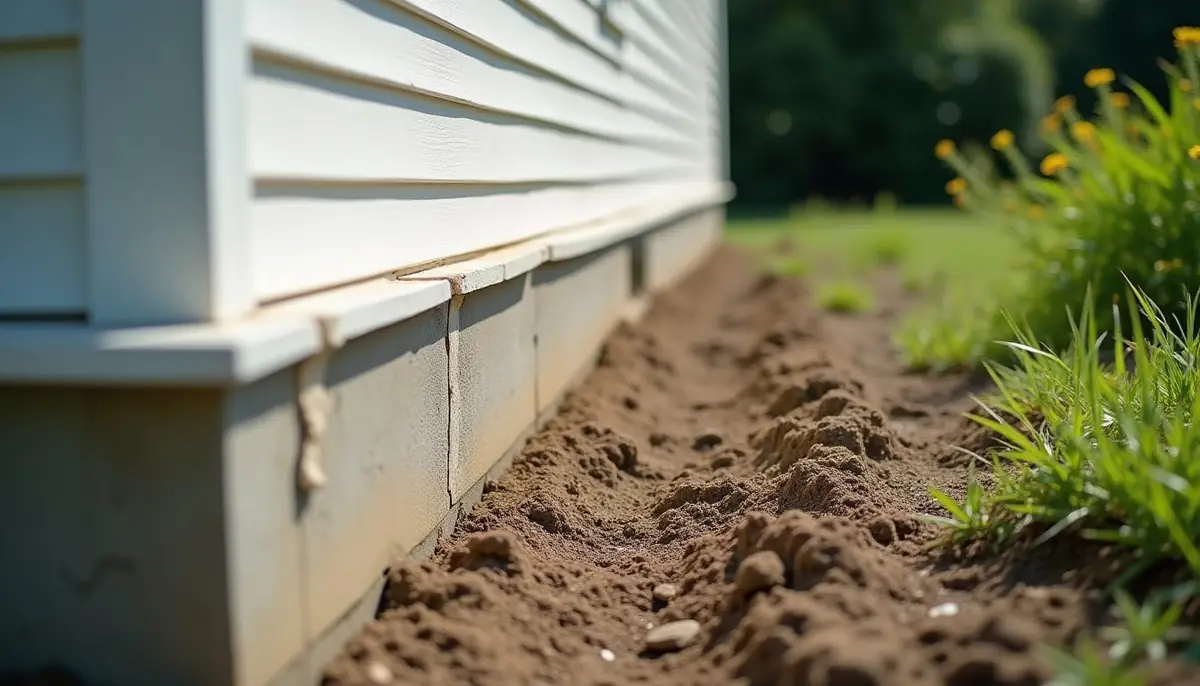
A house foundation with a cracked parging, a gap under the front steps or a stone retaining wall can play the same role on a much smaller scale. That is why some homes see garter snakes every spring and autumn: the snakes return to the crevice they wintered in.
When garter snakes are seen: our iNaturalist analysis
We analysed US research-grade iNaturalist records for the genus and for the common garter snake. The index is each group’s share of everything recorded that month, scaled so the yearly average is 100, which removes the effect of more people recording in summer.
There are two peaks. Records jump from 42 in February to 120 in March, reach 149 in May, dip to 108 in July, then rise again to 147 in October before falling to 29 in December. For the common garter snake alone the peaks are sharper: 164 in May and 149 in October. The spring peak fits emergence and mating; the autumn rise is consistent with snakes moving back towards winter dens and basking near them on warm days, which is when homeowners tend to find them on steps and patios.
Where garter snakes are recorded most
Idaho has the highest rate, 69.45 records per 10,000 observations, followed by Oregon, Kansas, Utah and Colorado. Texas and California have more than 23,000 records each, but lower rates because so much else is recorded there. Two cautions: the genus includes ribbonsnakes, and these are sightings people chose to photograph, not population counts. Our pull found no research-grade garter snake records in Alaska or Hawaii.
How to get rid of garter snakes in the yard
The University of Nebraska advises the same first step every extension source gives: remove food sources and hiding places, keep the yard free of piles of leaves, wood and rock, mow regularly and trim overgrown vegetation, and seal cracks and gaps around the foundation, doors and windows. Our full guide on how to keep snakes away gives the fence specification and the repellent trial results; the garter snake specifics are below.
- Find the den, not the snake. Watch where snakes bask in spring and autumn: gaps under steps, slab edges, window wells and stone walls are typical.
- Seal it in mid summer. Snakes leave their winter sites in spring and Manitoba’s snakes do not return until early September, so, on our reading of that timing, July and August are the window when a foundation crevice is most likely empty. By the same logic, sealing a den in winter could shut snakes inside the wall. Use mortar or hardware cloth; our guide to rodent exclusion materials covers the products, and work that stops mice will stop snakes.
- Remove cover and food near the house. Rock edging, deep mulch, boards and woodpiles against the foundation lead snakes to the gap; frogs and slugs give them a reason to stay.
- Fence small areas only if you must. A buried quarter-inch mesh barrier works, but it is a lot of effort for a harmless animal.
Skip the repellents. In a 1995 University of Nebraska trial, naphthalene and sulfur did not produce significant avoidance in 96 plains garter snakes. Mothballs used outdoors are off label as well as ineffective, as our article on whether mothballs are dangerous explains.
Moving one on, and when to call someone
A single garter snake on the patio needs nothing: Nebraska suggests leaving it alone or gently encouraging it to move away with a broom. If snakes are getting indoors or denning in the foundation, a wildlife control operator can find and seal the entry points; see our snake removal cost guide.
Are any garter snakes protected?
Yes, and it matters most in California. The San Francisco garter snake has been federally listed as endangered since 11 March 1967 (32 FR 4001) and by California since 1971. Its range runs from the San Francisco and San Mateo county line south into northern Santa Cruz County. The giant garter snake was federally listed as threatened on 20 October 1993 (58 FR 54053), and California lists it as threatened. It lives in Central Valley wetlands, rice fields and canals. Both are protected under the federal Endangered Species Act, so anyone in those areas should leave striped snakes alone. Elsewhere, check your state wildlife agency’s rules before killing, collecting or relocating native snakes.
Frequently asked questions
Are garter snakes venomous?
Not in any way that matters to people or pets. Garter snakes have Duvernoy’s glands that make a mild secretion used on prey, and studies describe it as having reduced toxicity toward humans. A few prolonged, chewing bites have caused local swelling and bruising in published case reports, with no systemic effects. They have no front fangs. Any bite that swells or blisters should still be seen by a doctor.
What is a garter snake?
A garter snake is a member of the genus Thamnophis, a group of slender, harmless North American snakes that usually carry three light stripes along a dark body. Most adults are 16 to 28 inches long. They bear live young, live near water in gardens, meadows and woods, and winter in shared dens below the frost line.
How to get rid of garter snakes in yard?
Take away what they come for. Clear piles of leaves, rock and wood, keep grass mown, reduce slugs and standing water, and seal gaps under steps, slabs and foundations in mid summer, when snakes have left their winter sites. Repellents do not work: naphthalene and sulfur failed to deter plains garter snakes in a 1995 Nebraska trial. For dens inside a foundation, a wildlife control operator can seal entry points.
Do garter snakes bite?
Yes, if they are picked up or pinned. The Florida Museum says they readily bite in defence but are not aggressive, and that virtually all bites happen when people handle or harass them. A bite usually leaves small scratches. A grabbed garter snake also releases a foul-smelling musk from glands at the base of its tail and may smear it on your hands.
What do garter snakes eat?
Frogs, toads, salamanders, small fish, earthworms, slugs, snails and leeches make up most of the diet, with insects, small mammals, young birds and eggs taken occasionally. They swallow prey alive rather than constricting. In one western Montana study, slugs were 24 per cent of prey items for western terrestrial garter snakes, which is why many gardeners welcome them.
Sources
- Florida Museum of Natural History, Florida Snake ID Guide: Common Gartersnake, Eastern Ribbonsnake, Eastern Copperhead and Eastern Ratsnake accounts.
- University of Georgia Savannah River Ecology Laboratory, Herpetology Program: Eastern Garter Snake (Thamnophis sirtalis).
- Missouri Department of Conservation, Field Guide: Plains Gartersnake.
- Montana Natural Heritage Program and Montana Fish, Wildlife and Parks, Montana Field Guide: Common, Plains and Terrestrial Gartersnake accounts.
- National Park Service, The Garter Snake Ssscoop (updated 2026).
- Manitoba Natural Resources and Indigenous Futures, Snakes of Narcisse.
- University of Nebraska, Lincoln, Backyard Farmer: Garter Snakes.
- Vest, D.K., Envenomation following the bite of a wandering garter snake (Thamnophis elegans vagrans), Clinical Toxicology 18(5), 1981.
- Hayes, W.K. and Hayes, F.E., Human envenomation from the bite of the eastern garter snake, Thamnophis s. sirtalis, Toxicon 23(4), 1985.
- Gomez, H.F., Davis, M., Phillips, S., McKinney, P. and Brent, J., Human envenomation from a wandering garter snake, Annals of Emergency Medicine 23(5), 1994.
- Coppinger, G.E. and colleagues, Thamnophis sirtalis and their toxic relationship: testing for intraspecific venom variation in Common Garter Snakes, Toxicon 253, 2025.
- Heptinstall, T.C. and colleagues, Dietary breadth predicts toxin expression complexity in the venoms of North American gartersnakes, Integrative Organismal Biology 7(1), 2025.
- Ferraro, D.M., The efficacy of naphthalene and sulfur repellents to cause avoidance behavior in the plains garter snake, Great Plains Wildlife Damage Control Workshop Proceedings, 1995.
- US Fish and Wildlife Service, Giant Gartersnake (Thamnophis gigas) 5-Year Review, Sacramento Fish and Wildlife Office, 2020.
- US Fish and Wildlife Service, San Francisco Garter Snake (Thamnophis sirtalis tetrataenia) 5-Year Review, 2025.
- The Pest Control Brief analysis of iNaturalist research-grade records, pulled October 2026.