How to Keep Snakes Away: What Works and What Is a Myth
To keep snakes away, take away what they come for: cover, rodents and easy ways into buildings, and use a buried, outward-slanted quarter-inch mesh fence for small areas that must stay snake free. Smells, sprays and granules are a weak tool. Mississippi State tested sulfur, lime, mothballs, cayenne spray and more against black rat snakes and found none of them worked, and the University of Florida says advertised snake repellents “simply do not work”. Most snakes around homes are harmless rodent eaters, so the aim is to make your yard uninteresting, not to kill them.
Snakes are in a yard for two reasons: something to eat and somewhere to hide. This guide covers the habitat changes that matter, the exact fence specification, what the repellent trials found, why mothballs are the wrong answer, and what our iNaturalist analysis shows about when and where snakes turn up.
What works, what does not: the evidence at a glance
| Method | Verdict | What the evidence says |
|---|---|---|
| Removing cover (brush, wood piles, tall grass, rock piles) | Works, the main lever | Texas A&M calls removing shelter one of the most effective ways of discouraging snakes |
| Controlling rodents and their food | Works, the other main lever | UF/IFAS: rat snakes found in attics and sheds leave when rodents are exterminated |
| Sealing gaps into the house | Works | Seal openings over a quarter inch (Mississippi State, NPIC); ICWDM advises an eighth of an inch |
| Snake-proof fence | Works for small areas | Quarter-inch hardware cloth, 36 inches wide, buried at least 6 inches, slanted out at 30 degrees (Texas A&M) |
| Sulfur, naphthalene and products combining them | Poor | No significant avoidance by 96 plains garter snakes in a 1995 Nebraska trial |
| Mothballs | Does not work, and is illegal | NPIC: little effect on snakes; use against snakes is off-label |
| Lime, cayenne, gourd vines, sisal rope, creosote, king snake musk | Does not work | Tested against black rat snakes; none worked (Mississippi State) |
| Cinnamon oil, clove oil, eugenol | Only on direct contact | USDA: sprayed on a snake it triggers escape; on surfaces it does not stop snakes entering |
| Ultrasonic and vibrating stakes | No supporting research | ICWDM: frightening devices are not applicable to snakes |
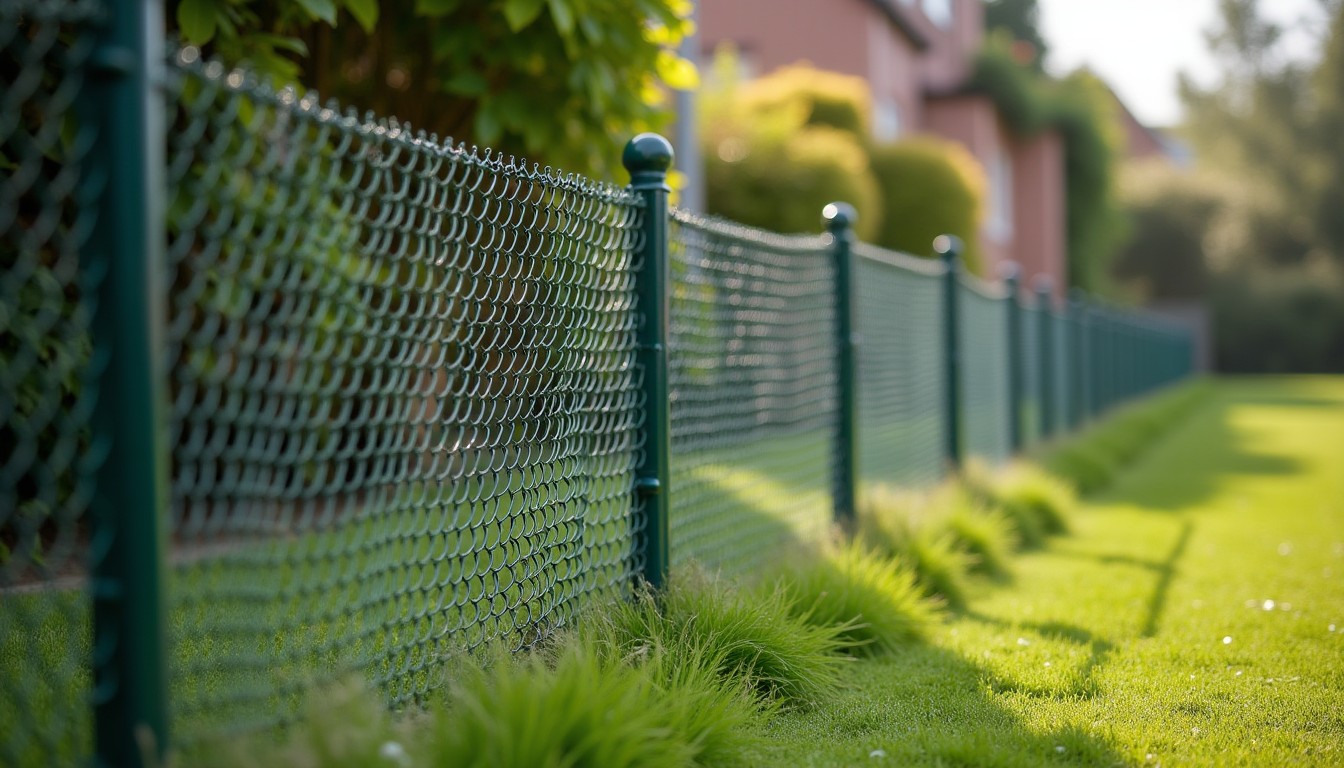
How to keep snakes away from your yard
Every extension source we read starts in the same place: habitat. The Internet Center for Wildlife Damage Management puts it bluntly: no programme for controlling rodent-eating snakes is complete without removing rodents and the places rodents live.
Take away cover
- Mow short around the house to minimise hiding places, as Mississippi State advises.
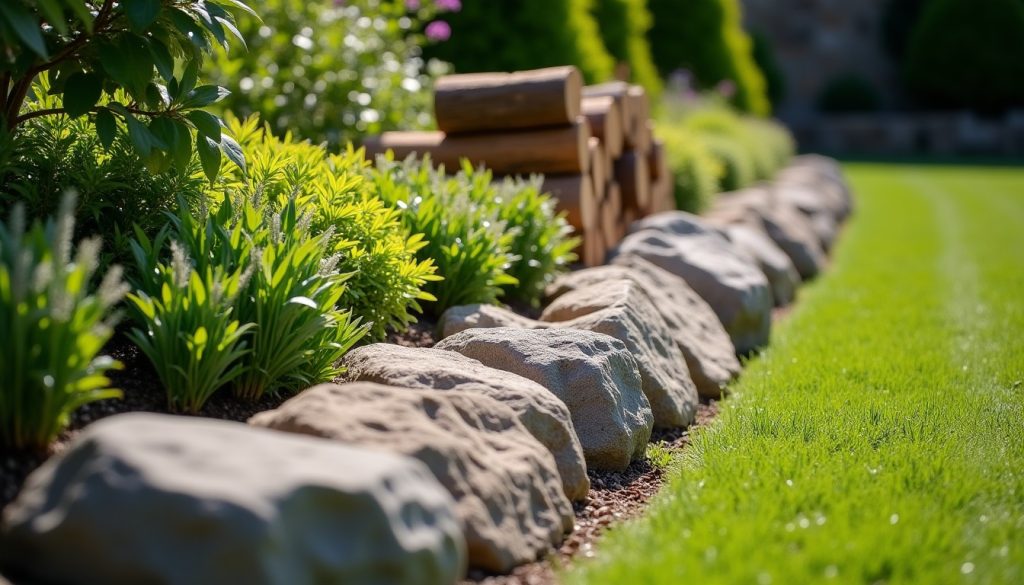
- Clear brush, board piles, rock and brick piles, leaf heaps and weedy fence rows near the house. Keep any brush pile you want for wildlife well away from buildings and play areas, as UF/IFAS suggests.
- Raise firewood and lumber off the ground. Mississippi State says at least 12 inches on a rack; Texas A&M says 18 inches. Use the higher figure if you are building a rack anyway, and keep the stack away from the house.
- Rethink deep mulch, loose stone and rock walls next to the foundation. UF/IFAS warns that rock walls shelter both snakes and rodents unless their cracks are mortared.
- Remove warm basking spots near doors. In early spring snakes seek out sheet metal, rocks and other heat-holding objects, Mississippi State notes; in hot months they look for cool, damp shelter instead.
Take away food
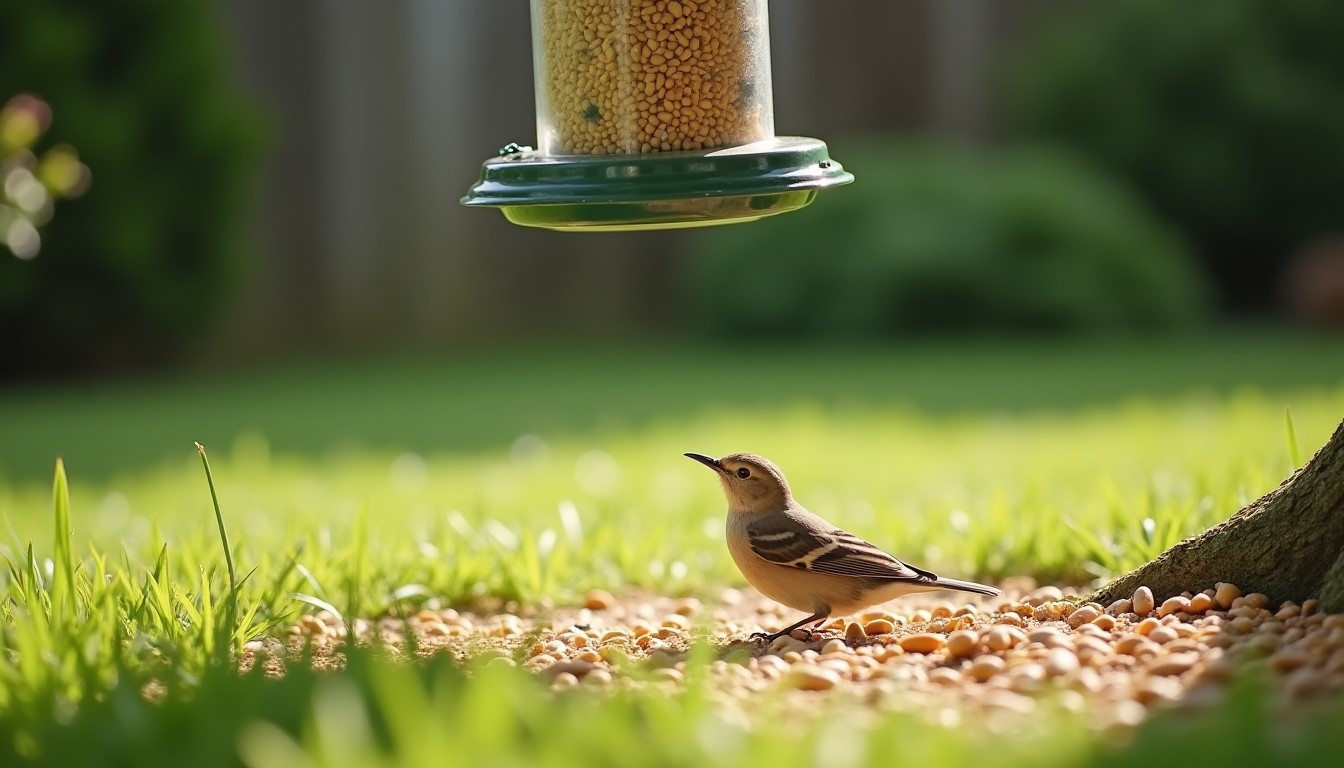
Rat snakes are named for a reason. Store pet food, bird seed and livestock feed in sealed metal or heavy plastic containers, pick up fallen fruit, and keep compost secure. UF/IFAS suggests moving bird feeders away from the house and not feeding birds in late spring and summer, when you may be feeding rodents too. If you already have mice, deal with them first: our guide on how to catch a mouse covers trapping, and rodent exclusion materials covers the mesh, metal and sealants that also stop snakes. UF/IFAS advises against rodent poisons here, because poisoned rodents can be eaten by wildlife and pets.
Frogs are the other big draw: UF/IFAS gives a frog-filled pond bringing in garter snakes as a typical example.
How to keep snakes away from your house
Snakes do not gnaw, so they use openings that already exist. ICWDM points out that sealing good enough to keep out mice will keep out snakes too. UF/IFAS warns that small snakes can enter through a gap no larger than a pencil.
- Walk the foundation at ground level. Texas A&M notes snakes normally enter buildings at or below ground level. Check where pipes, wires and air conditioning lines go in, and seal masonry gaps with mortar.
- Fit door sweeps and garage threshold seals, and check them; UF/IFAS photographs a worn rubber strip leaving a large gap under a door.
- Screen crawl space vents, weep vents and open drain pipes with galvanised quarter-inch hardware cloth. Mississippi State specifically mentions septic and treatment plant drain outlets on rural homes.
- Cover roof vents and plumbing stacks if rat snakes are common; UF/IFAS shows them climbing to those openings.
- Close the pet door at night or remove it. UF/IFAS says sealing or removing it is the only effective way to stop snakes using one, and that outdoor cats are often responsible for bringing snakes indoors through pet doors.
Sources disagree slightly on gap size: Mississippi State and NPIC say seal anything over a quarter inch, ICWDM says an eighth of an inch. Aim for the smaller figure around doors and pipes where it is easy to achieve.
Snake-proof fencing: the specification
A fence is the only method here that physically stops a snake, and the only expensive one. ICWDM says a properly built fence keeps out all venomous snakes and most harmless ones, since some non-venomous species climb well.
| Detail | Specification | Source |
|---|---|---|
| Material | Heavy galvanised hardware cloth, quarter-inch mesh; aluminium flashing or silt fencing also used | Texas A&M; ICWDM; UF/IFAS |
| Width of material | 36 inches | Texas A&M; ICWDM |
| Buried depth | At least 6 inches (ICWDM says 4 to 6) | Texas A&M; ICWDM; UF/IFAS |
| Height above ground | About 30 inches from a 36-inch roll; UF/IFAS gives 2 to 3 feet | Derived from the above; UF/IFAS |
| Angle | Slanted outward at 30 degrees from base to top | Texas A&M; ICWDM |
| Stakes | On the inside, so snakes cannot climb them | Texas A&M; UF/IFAS |
| Gates | Tight fitting, swinging inward because of the outward slope | ICWDM |
| Upkeep | Mow outside the fence; fill holes underneath | Texas A&M; ICWDM |
Texas A&M and ICWDM both say cost makes it practical mainly for small areas, such as a play area for young children. UF/IFAS calls fencing a last resort for yards that still get venomous snakes after the habitat work, and suggests turning the ends of a barrier outward along a woodland or wetland edge so snakes are steered back into it.
Snake repellent: what the trials found
Popular lists of smells and plants that keep snakes away rarely cite a single test, and the tests that exist are not encouraging.
Sulfur and naphthalene
Dennis Ferraro at the University of Nebraska tested naphthalene, sulfur and a commercial product combining them on plains garter snakes, using behavioural tests on 96 recently captured snakes and field tests at 24 locations. Applying the chemicals “did not result in significant avoidance behavior”, and the paper concluded that use of these repellents should be discouraged in favour of habitat modification.
ICWDM notes that one sulfur and naphthalene product is registered for rattlesnakes and checkered garter snakes, “but apparently is not effective against most other species.” If you do buy a registered snake repellent, NPIC’s rule is simple: use only products whose label says they are snake repellents, and only as the label directs.
Home remedies
Mississippi State reports that sulfur, lime, mothballs, gourd vines, sisal rope, cayenne pepper spray, artificial skunk scent, a tacky bird repellent, coal tar and creosote, and musk from a king snake were tested against black rat snakes, and none of them worked. North Carolina State began testing folk snake remedies in 1981, after researchers were struck by how many home remedies people believed in.
Cinnamon and clove oil, the partial exception
USDA research on invasive brown treesnakes on Guam found that cinnamon oil, clove oil and eugenol do make snakes retreat, but only when sprayed directly on a snake or used as heated vapour to drive one out of a crate or crawl space. But the USDA tech note states that applying the mixture to hard surfaces “will not prevent snakes from entering areas”, and that the oils will not stop snakes entering enclosed spaces. A cinnamon line around a house is not what the research supports.
Why mothballs are the wrong answer
Mothballs are registered pesticides, and the label sets where they can be used: closed containers of clothing, not gardens. Clemson University’s Department of Pesticide Regulation warned in 2023 that using them in a manner inconsistent with the label is illegal. NPIC adds that they are not intended for snakes and have little effect on them. Naphthalene and paradichlorobenzene vapours are a hazard to children and pets, which our guide to whether mothballs are dangerous covers in detail.
When snakes are about: our iNaturalist analysis
We analysed US research-grade iNaturalist records for rat snakes, copperheads and common garter snakes. The index below is each group’s share of everything people recorded that month, scaled so the yearly average is 100, which removes the effect of more people being outdoors in summer.
Rat snake records peak in May, at 227, more than twice their usual share, then fall away through July and August. Garter snakes come out earliest: their index is already 120 in March and 151 in April. Copperheads behave differently from both, with a May peak of 164, a summer that stays high, and their highest point of the year in September at 192. Records for all three are scarce from November to February. In practice: clear wood piles and brush before April, and in copperhead country keep wearing gloves well into autumn.
Texas A&M adds that in Texas snakes usually emerge from winter dens in late February or early March and are most active at night and in the early morning and late evening. ICWDM gives 50°F as roughly the temperature above which snakes are active.
Where copperheads are recorded most
Measured against all iNaturalist activity in each state, copperhead records are densest in Kansas, at 22.88 per 10,000 observations, followed by North Carolina and South Carolina. Texas has the most copperhead records of any state in raw terms, 6,181, but because Texans record so much else its rate is 5.58. These are sightings people photographed, not counts of snakes or bites. For other Texas pests, see common house bugs in Texas.
Most snakes are harmless, so identify first
Mississippi State says most snakes seen around houses are harmless species such as garter, ribbon, ringneck, king and rat snakes. In Texas only rattlesnakes, copperheads, cottonmouths and coral snakes are venomous, according to Texas A&M, which describes the pit vipers among them by elliptical pupils, a heat-sensing pit between eye and nostril, and a single row of scales under the tail. If you are not sure, NPIC’s advice is to treat the snake as venomous, keep children and pets away, and take a photograph for identification.
Snakebite is uncommon but serious: CDC estimates 7,000 to 8,000 people are bitten by venomous snakes in the US each year, and about 5 die. If someone is bitten, NPIC advises contacting Poison Control (800-222-1222) or a health care provider as soon as possible; see CDC guidance for what not to do.
Killing snakes is not prevention: UF/IFAS says attempting it greatly increases your chance of being bitten and will not stop other snakes coming in, and Texas A&M notes many species are protected by state law. A venomous snake near the house, or any snake indoors you cannot safely move, is a job for a wildlife professional; our guides to snake removal cost and wildlife removal cost give typical prices.
Camping and sleeping on the ground
The same principles apply away from home: snakes seek cover, so pitch away from rock piles, logs and brush, keep the tent zipped, and shake out boots and bedding before use. We found no spray or powder shown to make a sleeping area snake free.
Frequently asked questions
What do snakes hate the most?
Open, bare ground with nowhere to hide and nothing to eat. Extension services in Texas, Florida and Mississippi all put removing cover and rodents first, because snakes are in a yard for food and shelter. No smell has been shown to keep them out. In tests reported by Mississippi State, black rat snakes ignored sulfur, lime, mothballs, cayenne spray and king snake musk.
What is the strongest snake repellent?
A snake-proof fence, not a chemical. Quarter-inch hardware cloth 36 inches wide, buried at least 6 inches and slanted outward at 30 degrees, keeps out most snakes according to Texas A&M and ICWDM. Among chemicals, cinnamon oil, clove oil and eugenol made brown treesnakes retreat in USDA research, but only on direct contact; on surfaces they did not stop snakes entering.
Do baby powders keep snakes away?
We found no extension publication or published trial showing that baby powder or talc repels snakes, and none of the university sources we reviewed recommends it. The broader evidence on scattered powders and granules is poor: sulfur and lime both failed in the trials Mississippi State reports. Spend the effort on removing cover and sealing gaps instead.
Which smell keeps snakes away?
None reliably. Cinnamon oil, clove oil and eugenol are the only scents with research behind them, and USDA found they work only when sprayed directly on a snake or used as heated vapour to flush one out of an enclosed space. We found no trials supporting garlic, vinegar, ammonia or essential oil mixes, and the University of Florida says advertised snake repellents simply do not work.
Do mothballs keep snakes away?
No. NPIC says mothballs are not intended for snakes and have little effect on them, and black rat snakes ignored them in tests. Using them outdoors against snakes is also illegal, because the label limits mothballs to specific indoor uses; Clemson’s pesticide regulators issued a public warning about exactly this in 2023. The vapours are a hazard to children, pets and soil.
Sources
- Mississippi State University Extension, Publication 2277, Reducing Snake Problems Around Homes (revised 2023).
- Texas A&M AgriLife Extension Service, Wildlife Services, L-1912, Snakes and their Control (2013).
- University of Florida IFAS, WEC221 (UW260), Dealing with Snakes in Florida’s Residential Areas: Preventing Encounters, Johnson and McGarrity.
- Internet Center for Wildlife Damage Management, Snake Damage Prevention and Control Methods.
- USDA APHIS Wildlife Services, Tech Note: Snake Repellents, APHIS 24-002 (revised November 2023).
- Ferraro, D.M., The Efficacy of Naphthalene and Sulfur Repellents to Cause Avoidance Behavior in the Plains Garter Snake, Great Plains Wildlife Damage Control Workshop Proceedings (1995).
- San Julian, G.J., What You Wanted to Know About All You Ever Heard Concerning Snake Repellents, Eastern Wildlife Damage Control Conference 2 (1985).
- National Pesticide Information Center, Oregon State University, Snakes.
- Clemson University Department of Pesticide Regulation, Do not use mothballs to repel snakes (March 2023).
- CDC NIOSH, Venomous Snakes.
- The Pest Control Brief analysis of iNaturalist research-grade records, pulled October 2026.