How to Catch a Mouse: Trap Placement That Actually Works
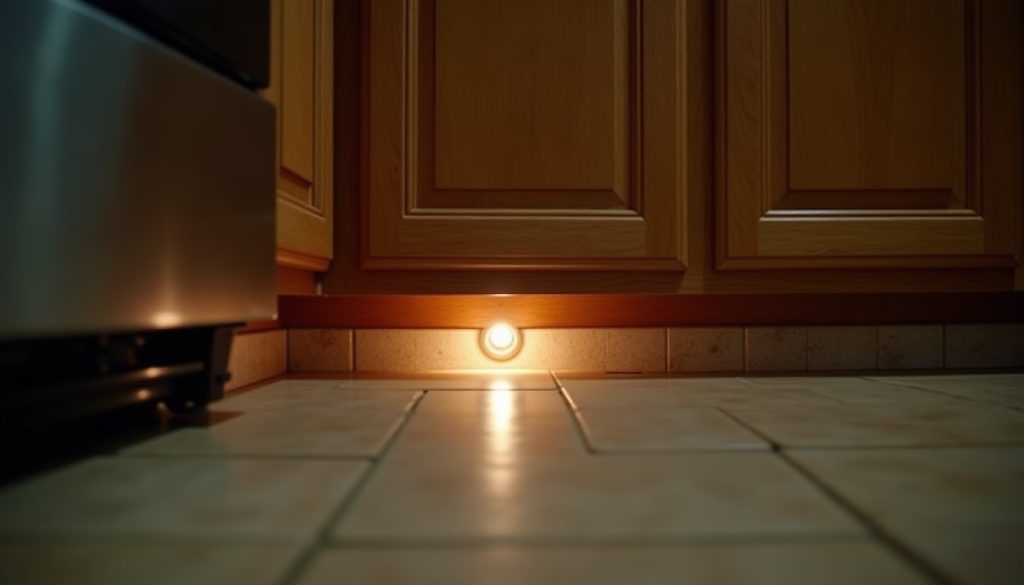
To catch a mouse, set several snap traps against the wall where you have seen droppings, with the baited end touching the wall so the trap forms a T. Use a pea-sized dab of peanut butter or a bit of cotton wool, set the trigger lightly, and space traps no more than about 10 feet apart, because house mice seldom travel more than 30 feet from their nest. Check traps daily, wear gloves, and keep going for at least 15 days.
Catching one mouse is easy. Catching the last one is where most people stall, usually because of where the traps go rather than what kind they are. This guide covers placement, bait, the trap types and their trade-offs, why glue boards and live release cause more problems than they solve, and what to do when a mouse seems to be outsmarting you.
Which trap to use
CDC recommends traditional snap traps for mice in and around the home and advises against glue traps and live traps, because they scare rodents into urinating, which raises your chance of getting sick. Extension services broadly agree. Here is how the options compare.
| Trap type | Pros | Cons |
|---|---|---|
| Wooden snap trap | Cheapest option; quick kill; recommended by CDC | Can hurt fingers; keep away from children and pets |
| Plastic snap trap | Easier to set and to clean, per UC IPM | Costs more per trap |
| Snap trap with a wide trigger plate | Higher catch rates, per UC IPM | Same handling cautions as other snap traps |
| Battery electrocution trap | UC IPM reports good control in homes and businesses | Considerably more expensive; check often |
| Multiple-catch live trap | Catches several mice without resetting | Live mice must be removed often and humanely killed; CDC advises against live traps |
| Single-catch “humane” box trap | No kill in the trap | Release is illegal in some places, including California, and rarely works; mice die in it if not checked |
| Glue board | Cheap, no setting | Adults often avoid it; slow death; catches pets and wildlife; CDC advises against; banned in West Hollywood, California |
One warning from NC State Extension: mouse snap traps are not effective for rats, and rat snap traps should never be used for mice, because they can easily break fingers. If the droppings are large, check what you are dealing with in our droppings identification guide before you buy.

Where to put mouse traps
Placement decides most of the result. Mice travel along walls and through cover, so a trap in the middle of a floor is usually ignored.
- Along walls, in the runs. CDC says to place the trap on the floor against the wall, with the baited end next to the wall so it forms a T. UC IPM’s diagrams show the same single set, plus two variations that improve success: two traps end to end, and two traps side by side parallel to the wall with the triggers facing outwards, catching mice from either direction.
- Where the evidence is. Put traps where you have found droppings, gnawing or nest material. CDC lists behind the stove and refrigerator, the back of cabinets and drawers, and attics, basements and crawl spaces.
- Close together. UC IPM says house mice seldom venture more than 30 feet from their nest and food, so traps should be no more than about 10 feet apart where mice are active. The wildlife damage handbook goes tighter, at 6 feet. Pairs set 1 to 2 inches apart help catch mice that jump over obstacles.
- Up as well as down. Mice climb well. UC IPM says traps can be set on ledges and on top of stored goods where mice are active.
If the noise is coming from inside a wall, trap where the void opens into the room, such as around the pipes under a sink. Our guide to mice in walls covers that case in detail.
How many traps?
More than you think. UC IPM says to “use enough traps to make the trapping period short and decisive,” and the wildlife damage handbook makes the same point. Several traps set at once cover more of a mouse’s runs than one trap moved from place to place.
The best bait for mouse traps
UC IPM’s advice is that the best bait is often the food the mice are already eating. Beyond that:
- Peanut butter is popular because it is easy to use and very attractive to mice, though UC IPM notes the allergy risk to people in some settings. CDC suggests chunky peanut butter or mutton fat.
- Other foods. The wildlife damage handbook lists marshmallows, hot dog, bacon and nutmeat, tied securely to the trigger. Stale bait loses its pull.
- Nesting material. UC IPM notes that breeding females are highly motivated to build nests, so a ball of cotton wool or dental floss can be an effective bait. NC State suggests baiting some traps with cotton balls or string for the same reason.
- Use a small amount. UC IPM warns that with too much bait a mouse may remove it without triggering the trap. A pea-sized dab is plenty.
Keep scented repellents well away from traps. NC State Extension notes that volatile oils may compromise the efficacy of traps and baits, which is one more reason our review of whether peppermint oil repels mice comes out against it.
When mice catch most readily
Our analysis of iNaturalist research-grade records shows when mice and rats are most noticed. US house mouse records rise from a June low of 235 to an October peak of 443. Roof rats also peak in October, at 405, and Norway rats run highest from April to October, peaking at 760 in September. These are photographed sightings, mostly outdoors, not infestation counts, but they match UC IPM’s note that mice frequently enter homes in autumn as nights cool. Setting a ring of traps in the garage, basement and kitchen in early autumn catches the first arrivals before they breed.
A step-by-step trapping routine
- Confirm it is mice from droppings, then map where the evidence is.
- Pre-bait if you have time. The wildlife damage handbook advises leaving traps baited but unset until the bait has been taken at least once, which reduces the chance of a mouse escaping and becoming trap-shy. Mice are less wary of new objects than rats, so this is optional rather than essential.
- Set the traps lightly. Both UC IPM and the handbook say triggers should be sensitive so traps spring easily.
- Check daily. CDC says to check traps daily and dispose of dead rodents immediately, and to keep baited traps out for at least 15 days, longer if you still have mice.
- Seal as you go. Trapping alone leaves the door open. Close outside gaps over a quarter inch with metal or concrete; our guide to rodent exclusion materials lists what holds and what mice chew through.
Handling caught mice safely
Wear rubber or plastic gloves. CDC advises putting the dead rodent, along with the used trap if you are discarding it, in a plastic bag, tying it closed and placing it in a second bag before throwing it out, then washing your hands thoroughly. Do not sweep or vacuum droppings; CDC’s wet-cleaning method is set out in our mouse dropping cleanup guide. Reusable plastic and metal traps can be cleaned with hot water and a stiff brush, the handbook says.
Glue traps: why most guidance avoids them
Glue boards catch fewer adult mice than people expect. UC IPM notes that adult rodents can often detect and avoid the glue, so captures are mostly juveniles, and that rodents caught on glue boards might not die quickly and will need to be euthanised. The wildlife damage handbook calls their capture rate lower than other traps and says they should not be the primary tool. They also catch pets, birds and other wildlife; the handbook notes vegetable oil can loosen the glue to free a non-target animal.
Regulation is beginning to follow. The West Hollywood, California, municipal code prohibits selling or using glue traps to capture or kill any animal in the city after 31 May 2024. That is a city rule, not a state one, but it reflects the welfare concern. CDC’s objection is separate and practical: a trapped, frightened mouse urinates, which raises your exposure.
Live traps and release: what actually happens
Catch-and-release appeals to many people, and it is worth knowing the facts before choosing it.
- It may be illegal. UC IPM states that in California it is illegal to relocate live wildlife, including house mice, away from the property where they were captured without a permit from the state Department of Fish and Wildlife. NC State notes that in some areas it is illegal to release captured mice on someone else’s property. Rules vary, so check your state wildlife agency.
- Mice come back. UC IPM notes that house mice moved as far as half a mile have navigated back to their nest site. In a CDC-published study, deer mice released as far as 1,200 metres from a house returned, some within 6 hours, leading the authors to recommend snap trapping in homes instead.
- Released mice often die anyway. UC IPM says released mice face aggression from other mice, predators and exposure if they cannot find shelter.
- Traps must be checked. Live traps provide no food or water, and NC State warns that trapped mice die if traps are not checked regularly.
If you do live-trap, UC IPM advises that caught mice be humanely euthanised and refers to American Veterinary Medical Association guidelines. It notes that drowning is not considered humane, even though some trap makers suggest it.
How to catch a mouse without a trap
Catching a mouse by hand or under a cup is possible, but it is the method extension and public health guidance steer people away from. It means close contact with a frightened animal that may bite and urinate, which is precisely CDC’s reason for advising against live capture, and you still face the release problem above. Bucket traps that drown mice fail UC IPM’s humaneness test. If a mouse is loose and you have no trap, keep children and pets away, close off the room if you can, and set snap traps along its walls that evening.
If trapping has not solved it after two weeks, or you are finding droppings in several rooms, read our guide to when to call pest control for mice, and our breakdown of rodent removal costs for what a professional job typically involves.
Frequently asked questions
What’s the quickest way to catch a mouse?
Set many snap traps at once rather than one. Place them against walls where you have seen droppings, baited end to the wall, no more than about 10 feet apart, with a pea-sized dab of peanut butter and a lightly set trigger. UC IPM advises enough traps to make trapping short and decisive. Then check every trap daily.
How to catch a mouse that is too smart for traps?
Usually the trap, not the mouse, is the problem. Move traps onto runs along walls, use less bait so it cannot be licked off, and set the trigger lighter or use a wide trigger plate. Pre-bait traps unset for a night or two. Try cotton wool as bait for nesting females. The wildlife damage handbook notes females avoid traps that caught dominant males, so clean traps and add fresh ones.
Will a mouse come back if you catch it and release it?
Very likely. UC IPM reports house mice moved as far as half a mile returning to their nest site, and a CDC-published study found deer mice back in a house within a day of release up to 1,200 metres away. Released mice that do not return often die from aggression, predators or exposure. Relocation is also illegal in some states, including California, without a permit.
What is the fastest way to get mice out of your house?
Trap and seal at the same time. Put out enough snap traps to cover every area with droppings, check them daily for at least 15 days, and close outside gaps larger than a quarter inch with metal or concrete so no new mice arrive. Remove pet food and pantry access. Scent and ultrasonic repellents do not speed this up. If droppings are in several rooms, consider a professional.
Do mice learn to avoid traps?
Mice can become trap-shy if they set off a trap and escape, which is why the wildlife damage handbook recommends pre-baiting unset traps and setting triggers to spring easily. Unlike rats, mice are not strongly afraid of new objects and usually investigate a new trap quickly. Persistent avoidance usually points to poor placement, too much bait or too few traps.
Sources
- Quinn N, Frye M. UC IPM Pest Notes: House Mouse, UC ANR Publication 7483, revised July 2025.
- Quinn N. UC IPM Pest Notes: Rats, UC ANR Publication 74106.
- Internet Center for Wildlife Damage Management, House Mouse Damage Prevention and Control Methods and House Mouse Biology (after Timm, Prevention and Control of Wildlife Damage, University of Nebraska, 1994).
- NC State Extension, Surveillance and Management of Common Structure-Invading Mice, Hayes and Alder, 2024.
- Centers for Disease Control and Prevention, How to Trap Up to Remove Rodents; How to Clean Up After Rodents.
- Calisher CH, Sweeney W, Root JJ, Beaty BJ. Navigational instinct: a reason not to live trap deer mice in residences. Emerging Infectious Diseases 5(1), 1999.
- City of West Hollywood Municipal Code, Use and Sale of Glue Traps.
- The Pest Control Brief analysis of iNaturalist research-grade records, pulled October 2026.