What Do Mice Eat? Their Real Diet, and What Bait Works
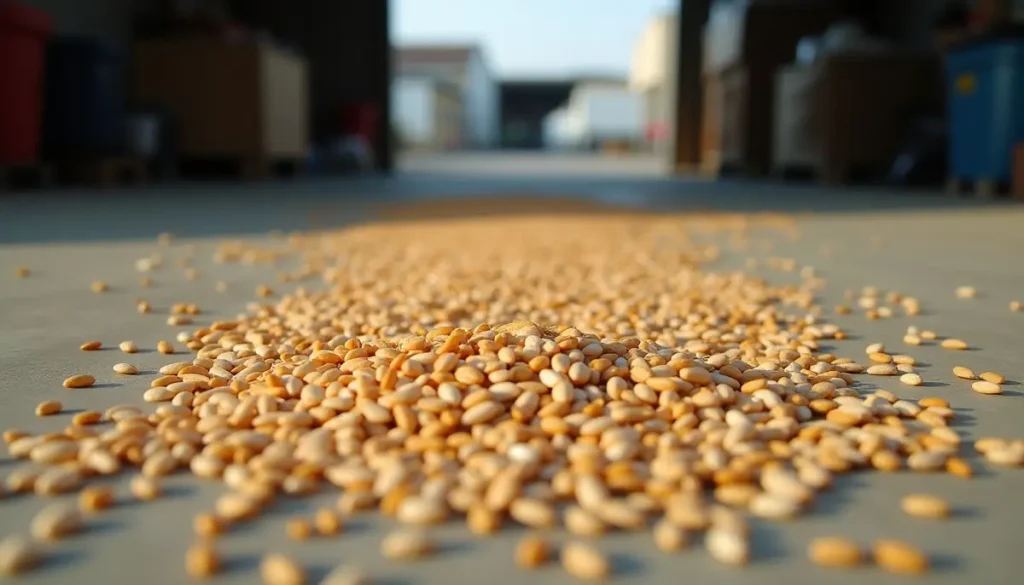
Mice eat mainly seeds and grain, plus insects, fruit, roots and almost any human food they can reach, in about a tenth of an ounce (roughly 3 grams) a day. UC IPM says house mice are omnivores that eat cereals, grasses, roots, seeds and even insect larvae, nibbling in about 200 small meals a night and eating up to 20 per cent of their body weight daily. Indoors they favour cereal, pet food, birdseed, nuts and fatty or sugary foods. They need little or no water, and cheese is not a preferred food.
Most answers to this question are a list of kitchen foods. That is half the picture. Field studies of wild house mice show a diet heavy in caterpillars and beetles, and the deer mice that wander into sheds and cabins eat differently again. Knowing what a mouse really lives on explains where it feeds in your home, why tiny amounts of food sustain it, and why some baits work better than others.
What mice eat: the short version
| Food | House mouse | Deer mouse | Where you will see it |
|---|---|---|---|
| Cereal grains and seeds | Preferred food | Main food; mostly seed eaters | Pantry, garage, bird feeders |
| Insects and caterpillars | Large share outdoors | Regular part of the diet | Gardens, fields, woodland edges |
| Nuts and acorns | Eaten readily | Eaten and often cached | Stored nuts, sheds, cabins |
| Fatty or sugary food | May be preferred even over grain | Eaten when found | Kitchens: butter, bacon, chocolate, sweets |
| Fruit, roots, green plants | Eaten | Eaten, green plants less often | Gardens, compost, fallen fruit |
| Pet food and birdseed | Highly attractive | Highly attractive | Garage sacks, feeders, pet bowls |
| Fungi | Occasionally | Yes | Outdoors |
| Cheese | Will eat, not preferred | Not recorded as a staple | Cartoons, mostly |
| Water | Not essential if food is moist enough | Gets most from food | Leaks matter more for rats |
The house mouse column comes from UC IPM Pest Notes 7483, Nebraska extension G1105 and Kentucky ENTFACT-617. The deer mouse column comes from UC IPM’s deer mouse Pest Notes, which describe deer mice as predominantly seed eaters that also eat fruit, invertebrates, fungi and, to a lesser extent, green vegetation.
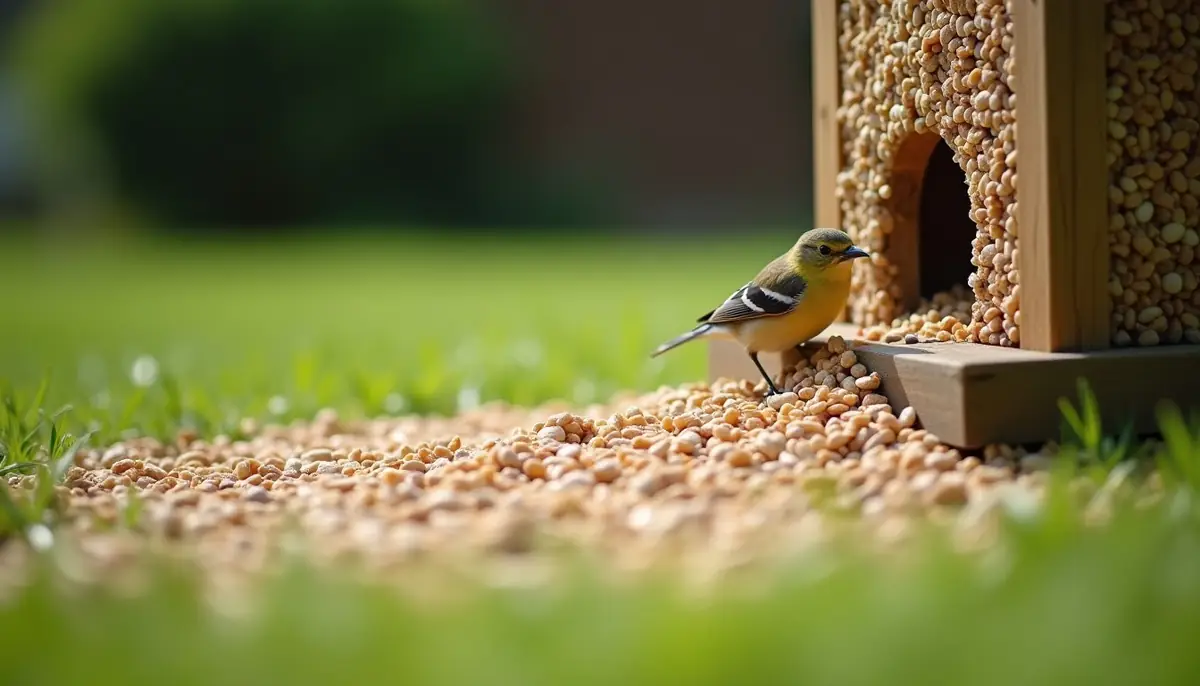
What do house mice eat?
Nebraska extension says house mice prefer cereal grains but will eat almost anything. Kentucky extension adds that they are fond of foods high in fat and protein, naming nuts, bacon, butter and sweets. UC IPM ties the species’ whole history to that preference: the house mouse spread around the world with people because of our habit of storing cereals and grains.
What do mice eat in the house?
In a typical home, the menu is whatever is stored low, in paper or thin plastic, and near a wall:
- Dry goods: cereal, rice, flour, oats, crackers and pasta in their original packets.
- Pet food and birdseed: often the largest food store in the house, kept in a garage sack.
- Nuts, dried fruit, chocolate and sweets: high-calorie foods Kentucky lists among their favourites.
- Crumbs and grease: under appliances, toasters and stove edges.
Stored grain products can also host beetles and moths, a separate problem from mice; if the damage is fine webbing or tiny holes rather than gnawed corners and droppings, see pantry pests.
Do mice eat cheese?
They will, but it is not what draws them. None of the extension sources we read lists cheese among preferred foods, and none recommends it as bait. Grain, seeds, nuts and fatty or sugary foods are what the evidence names.
What do mice eat in the wild?
Outdoors, house mice eat far more insects than most people expect. A study of 711 wild house mice trapped in pine and kauri forests near Auckland, published in the New Zealand Journal of Ecology in 1986, examined stomach contents month by month. In a young pine plantation, caterpillars turned up in 91 per cent of stomachs and adult insects and other arthropods in 80 per cent, against 63 per cent for seed.
The author notes that seed dominates instead in grassland, cultivated fields and desert studies, so the mix tracks what a habitat offers. That is the real lesson: the house mouse is an opportunist, and the “grain eater” label describes what it chooses when people make grain available.
What do field mice and deer mice eat?
In the US, “field mouse” usually means a deer mouse or white-footed mouse. A study of 444 deer mouse stomachs from Vigo County, Indiana, published by John Whitaker in 1966, found caterpillars the single largest item by volume at 15.4 per cent, followed by miscellaneous vegetation, wheat and soybeans.
UC IPM adds a behaviour that helps identify the culprit: deer mice cache acorns, seeds and nuts far more than house mice do, especially in autumn. A hoard of seeds in a boot, drawer or engine bay usually points to a deer mouse, which also means cleaning it up with the wet method in our dropping cleanup guide.
What do mice eat in the garden?
Seeds, roots, fallen fruit, insect larvae and green shoots, according to UC IPM’s house mouse list, with birdseed spilled under feeders the most concentrated source. Planted seed, bulbs and ripening fruit are all fair game.
How much do mice eat a day?
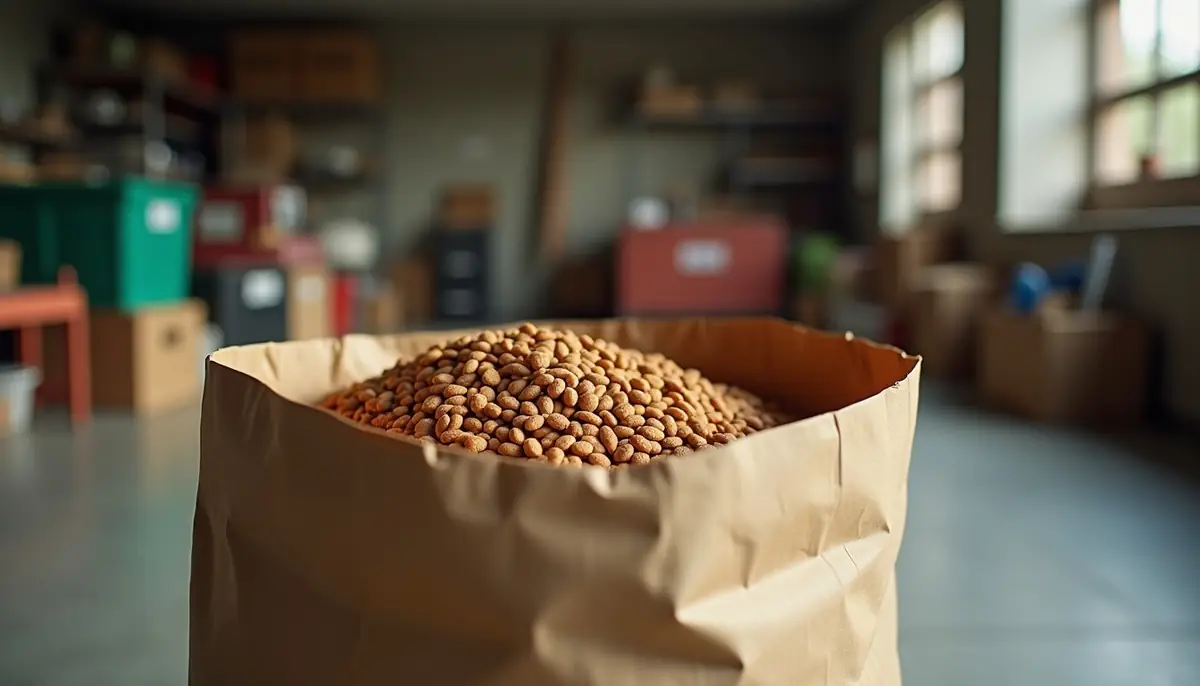
Very little. Nebraska extension puts an adult house mouse’s intake at a tenth of an ounce a day, about 2.8 grams, for an animal weighing half an ounce to an ounce. UC IPM gives the upper limit as 20 per cent of body weight.
That is why a few crumbs or a split bag of seed can keep a mouse going for weeks, and why extension services agree that sanitation alone rarely eliminates mice. UC IPM says house mice can survive in very small areas with limited food. Nebraska adds that total elimination through sanitation alone is almost impossible, while any neglect of sanitation will undermine even aggressive control.
What do mice eat at night?
The same foods, taken in many small visits. UC IPM says house mice eat in about 200 small meals each night; Kentucky extension describes 20 to 30 visits to different food sites. The two figures count different things (bites of food versus feeding stations), so they do not conflict. Nebraska notes mice are most active before dawn and after dusk, so traps are best checked each morning.
Do mice need water?
House mice do not need to drink to survive, UC IPM says, though they will seek liquid if their food is dry or the climate is hot. Rats are different: they need water daily, which is one of several diet contrasts in what attracts rats.
What mice damage when they eat
The food a mouse eats is trivial. The food it spoils is not. Kentucky extension says the greatest economic loss from mice is not what they eat but what must be thrown out because of damage or contamination by droppings and urine. Nebraska puts output at about 50 to 75 droppings a day per mouse and estimates house mice cause some $20 million in damage to stored feed and structures in Nebraska each year.
The health side of that contamination, including salmonella and mouse allergen, is set out in are mice dangerous. The practical rule: if a packet has been gnawed, discard it, and wipe the shelf with disinfectant rather than brushing droppings away dry.
What do mice like most to eat?
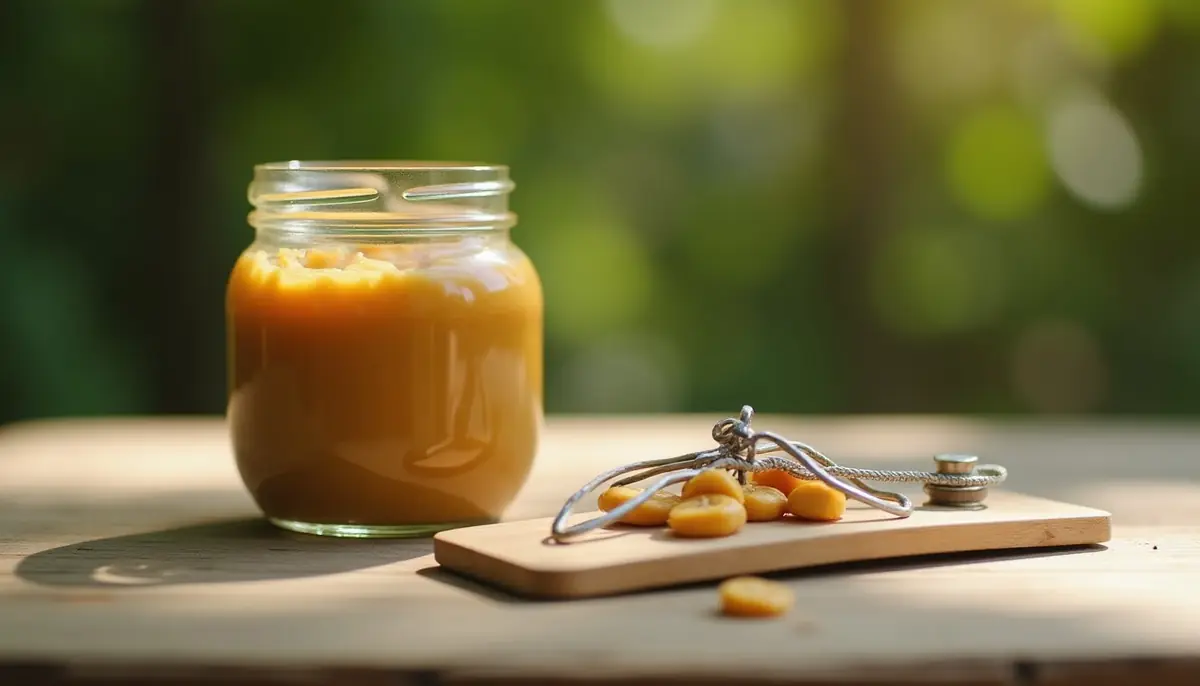
Given a free choice, seeds and grain, with fatty and sugary foods sometimes winning even when grain is present. Nebraska and Kentucky both put cereal grains first; Kentucky names nuts, bacon, butter and sweets as foods mice are fond of. In practice the favourite food is the one already available: UC IPM’s advice for trapping is that the best bait is often whatever the mice are already eating.
What do mice eat in a trap?
Baits work because they match the diet. The table lists the foods extension and public health sources recommend, with the reason each one works.
| Bait | Recommended by | Why it works |
|---|---|---|
| Peanut butter | UC IPM, CDC (chunky), Kentucky, Nebraska | Fat, protein and strong smell; hard to steal |
| Bacon | Kentucky | Fat and protein |
| Chocolate, caramel, gum drops, raisins | Nebraska, Kentucky | Sugar |
| Canary grass seed | Nebraska | Seed, the preferred food, and no allergy risk |
| Cotton balls or dental floss | Nebraska, UC IPM | Nest material for breeding females |
| Mutton fat | CDC | Fat |
Nebraska suggests avoiding peanut butter where allergies are a concern. Placement, spacing and trap choice are covered in our guide on how to catch a mouse, and the food and shelter that bring mice indoors in the first place are in what attracts mice.
When mice come looking for food
Our analysis of iNaturalist research-grade records shows house mouse records rising from 235 in June to a peak of 443 in October, while Norway rat records stay high from April to October. UC IPM says house mice move into homes in autumn as nights turn colder, which is when stored food indoors becomes the main supply. These are mostly outdoor sightings, so they show when people meet mice, not how many homes are infested.
What is a mouse’s worst enemy?
Predators, especially cats and owls, eat mice, UC IPM says, but it adds that predators cannot significantly control animals that breed as fast as rodents do. A female house mouse can have 5 to 10 litters a year. In a home, the real limit on mice is access: sealed gaps of a quarter inch or more, using the materials in rodent exclusion materials, and food kept in metal, glass or hard plastic.
Will house mice bite you?
Only rarely, and usually when handled or cornered. Mice come for food and nest material, not for people. Wash any bite with soap and water and contact a doctor; the wider health picture is in are mice dangerous.
Frequently asked questions
What food kills mice instantly?
No household food kills mice, and home poison recipes are unsafe and unreliable. Mice eat small amounts of almost anything, so starving them out is not realistic either. Snap traps baited with a little peanut butter, nuts or seed are the fastest reliable method. Any rodenticide must be a registered product used in a bait station exactly as the label directs, kept away from children and pets.
Do mice eat insects?
Yes, often. UC IPM lists insect larvae in the house mouse diet, and a stomach study of 260 wild house mice in a New Zealand pine plantation found caterpillars in 91 per cent and adult arthropods in 80 per cent. Indiana deer mice had caterpillars as their single largest food by volume. Indoors, mice mostly eat stored human and pet food.
How long can a mouse live without food?
We found no extension figure we could verify for complete starvation, so we have not given one. What the sources agree on is that mice need very little: about a tenth of an ounce of food a day, mostly without drinking water. Because they nibble from many sites, cutting off one food source rarely starves a mouse out.
Do mice eat meat?
Yes, when they can get it. UC IPM describes house mice as omnivores that eat whatever food is available, and Kentucky extension lists bacon among the high-fat, high-protein foods they are fond of. In the wild, much of their animal food is insects: caterpillars and adult arthropods turned up in most stomachs in a New Zealand forest study. Meat scraps and greasy pans indoors are readily eaten.
Sources
- University of California Statewide IPM Program, Pest Notes: House Mouse, UC ANR Publication 7483, N. Quinn, 2025.
- University of California Statewide IPM Program, Pest Notes: Deer Mouse, UC ANR Publication 74161, Quinn and Baldwin.
- University of California Statewide IPM Program, Pest Notes: Rats, UC ANR Publication 74106, N. Quinn, 2025.
- University of Nebraska-Lincoln Extension, G1105: Controlling House Mice, Vantassel, Hygnstrom and Ferraro, revised 2012.
- University of Kentucky Cooperative Extension, ENTFACT-617: Control of Mice, M. Potter.
- Badan, D., Diet of the house mouse (Mus musculus L.) in two pine and a kauri forest, New Zealand Journal of Ecology 9: 137 to 141, 1986.
- Whitaker, J.O. Jr., Food of Mus musculus, Peromyscus maniculatus bairdi and Peromyscus leucopus in Vigo County, Indiana, 1966, pages 473 to 486; deer mouse figures as tabulated by California OEHHA CalEcotox.
- Centers for Disease Control and Prevention, How to Trap Up to Remove Rodents.
- The Pest Control Brief analysis of iNaturalist research-grade records, pulled October 2026.