How to Get Rid of Raccoons: Exclusion, Law and Babies in the Attic
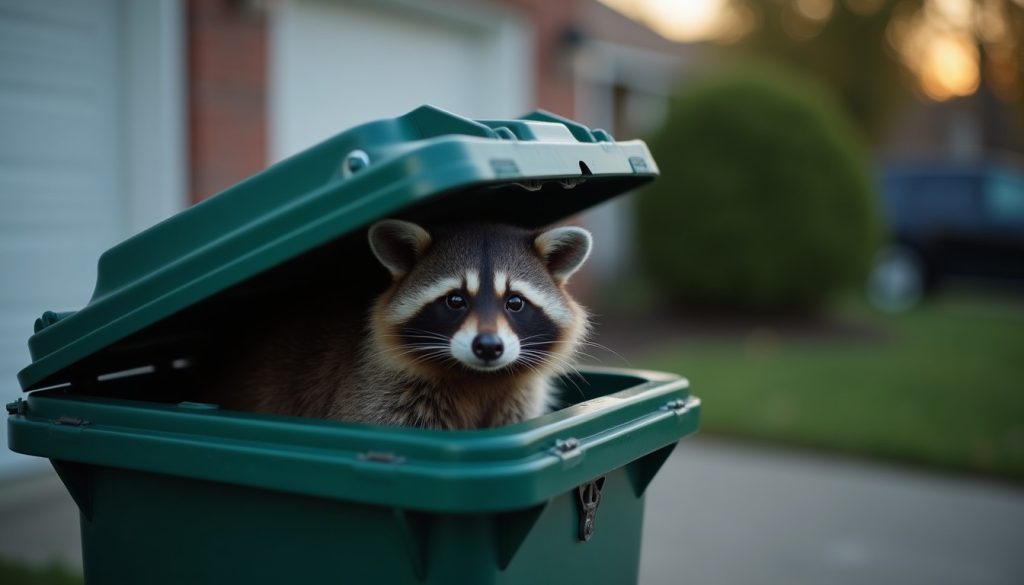
To get rid of raccoons, find out first whether a mother has young in the den, wait until they are mobile, push the family out with lights, noise or a one-way door, then seal every entry the day the den is empty. Outside, take away what feeds them: bins, pet food, birdseed and meat scraps in compost. Do not trap and move them: many states prohibit relocating raccoons because they carry rabies. UC IPM states plainly that no repellent has been effective for raccoons.
Raccoons end up in attics, chimneys and under decks because a female wants a dry, safe place to raise a litter. That is why the order of the steps matters more than the method: get it wrong and you end up with orphaned young starving in a wall, or a mother tearing a fresh hole in the roof to reach them.
The decision, step by step
| Where the raccoon is | First question | What to do | Job for a pro? |
|---|---|---|---|
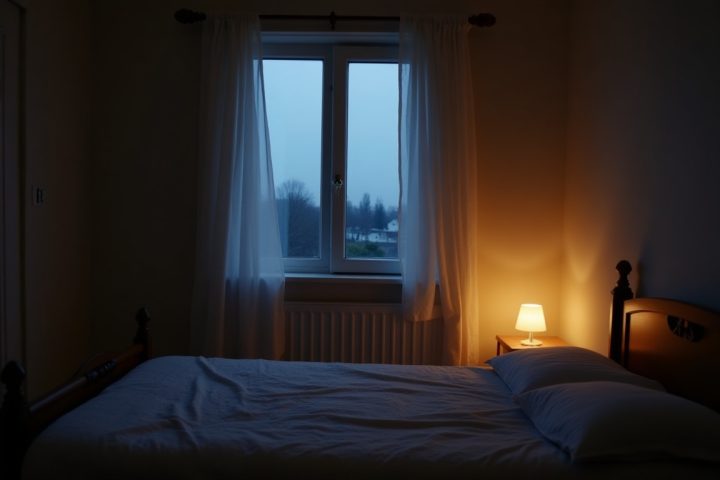
| Attic or wall void | Is it spring or summer, with chirring or squealing? | Assume young are present. Wait for the mother to move them, or have a licensed operator remove the litter by hand, then seal. | Usually, because of roof access and young |
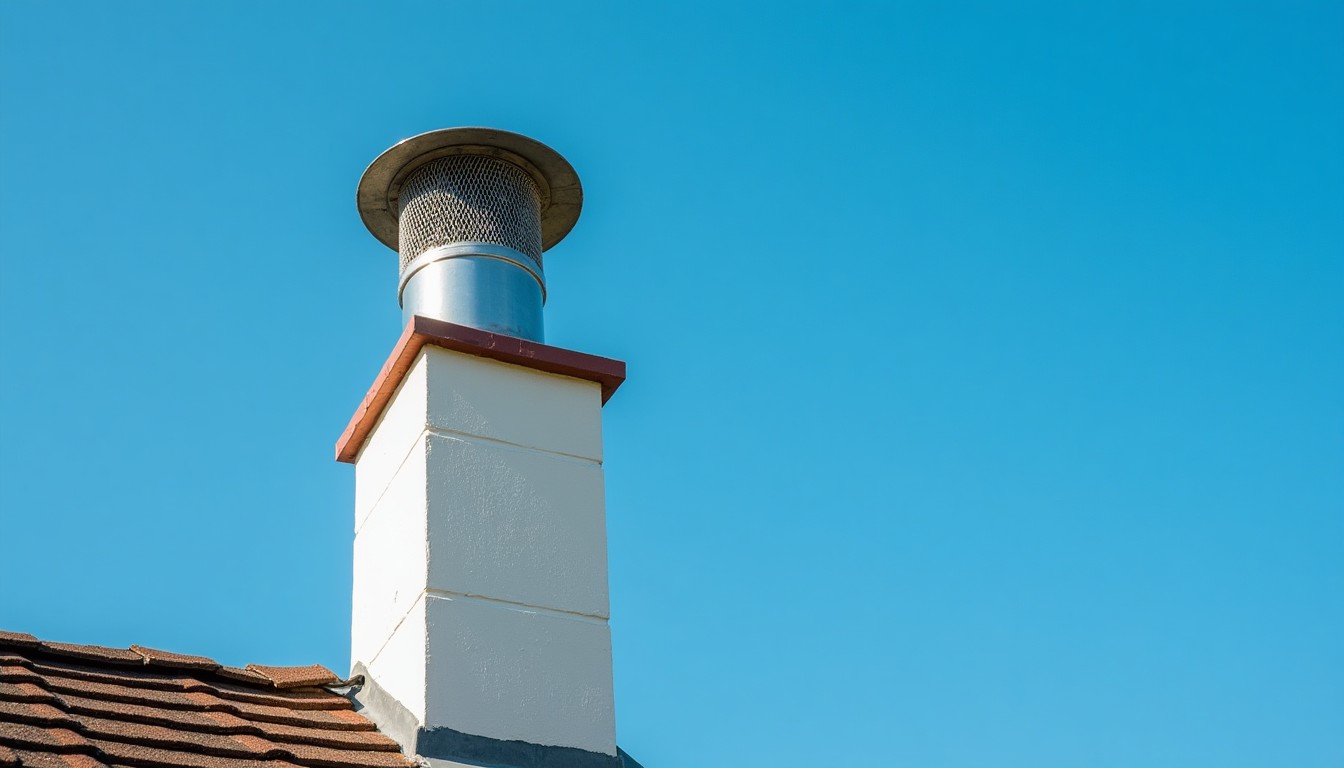
| Chimney | Is the damper closed and is there a cap? | Keep the damper shut, never light a fire to smoke them out, wait for the mother to move the young, then fit a secured cap. | Often, for the cap |
| Under a deck, porch or shed | Is anything still using the hole? | Run the newspaper test, evict, then fit a buried mesh skirt. | DIY in most homes |
| Raiding bins, pet food or birdseed | What is it eating? | Remove the food. Nothing else lasts. | No |
| Rolling up lawn or new turf | Is the turf freshly laid? | Pin sod down; damage is worst in mid to late summer. | No |
| Inside the living space | Is there an open route out? | Shut interior doors, open an exterior one, leave the room quiet and dark. | Call animal control if it will not leave or acts sick |
Do not approach a raccoon that is staggering, unusually tame or aggressive; call animal control.
Is there a litter? Timing decides everything
Raccoons mainly breed in February or March, though mating runs from December to June depending on latitude. Gestation is about 63 days, so most litters arrive in April or May. Late litters, usually from females that lost their first, can arrive in June, July or August. There is one litter a year, averaging three to five young according to the wildlife damage literature, and three to six (average about four) according to UC IPM.
The young open their eyes at about three weeks and are weaned between two and four months of age. Until then they cannot follow their mother. That is the period when sealing her out, or trapping her, leaves dependent young inside.
The Internet Center for Wildlife Damage Management puts the practical answer for chimneys simply: homeowners who can put up with several weeks of scratching and chirring are normally rewarded by the mother moving the young out when she starts to wean them. Seal immediately afterwards. Connecticut’s wildlife agency gives the same rule for one-way doors: they are not recommended during birthing periods when young are immobile.
Squirrels follow the same logic on a different calendar; see squirrels in the attic.
Our analysis of iNaturalist research-grade records shows raccoons at their largest share of what Americans record in January and February (an index of 160 and 161, against a yearly average of 100), during the mating season, though partly because little else is about to photograph. Raw sightings peak in April, at 15,522 records. The practical point: late winter is the time to fix the roof, before a female picks it.
How to get rid of raccoons in your house, attic or chimney
Confirm it is a raccoon and find the entry
Look for hand-like front tracks, smudged prints on downspouts, torn shingles, fascia or roof vents, and a latrine, which in an attic can stain the ceiling below. Scratching at night is not proof of a raccoon; our droppings identification guide helps separate raccoon sign from rodents.
Make the den unpleasant, then check it is empty
Harassment is a recognised eviction method: bright light and a radio left on near the den. Connecticut lists noise, lights and odours as acceptable ways to evict denning animals, though the wildlife damage literature says frightening only works for a short time. Its job is to persuade a mother to move a mobile family, not to keep raccoons away for good.
To check whether anything is still inside, loosely stuff the hole with crumpled newspaper and see whether it is pushed out over the next few nights. If it stays put for several nights in a row, the den is likely empty.
One-way doors, used at the right time
A one-way door is a mesh tunnel or flap fitted over the main entry that lets the animal out and not back in. Fit one only outside the period when young are immobile, and only after every other gap has been sealed, or the raccoon simply uses another hole. If you do this in spring and later hear crying, stop and call a licensed wildlife control operator; the young need to be removed by hand and reunited with the mother outside.
Seal with the right material, the same day
- Openings in walls, vents and foundations: UC IPM specifies 10-gauge galvanised hardware mesh with quarter-inch or one-third-inch openings. Raccoons are strong; insect screen, foam and light wire will not hold.
- Chimneys: a heavy, securely clamped chimney cap or a spark arrester that meets fire code. Raccoons can pull a loose cap off.
- Roof access: cut back overhanging branches. On outbuildings, sheets of slick metal at least three feet square on corners stop climbing.
For pricing on inspection, trapping and per-door exclusion, see our wildlife removal cost guide; we do not repeat those figures here.
Why trapping and moving a raccoon is the wrong fix
Renting a cage trap and driving the animal to the countryside is illegal in much of the country, and the reason is history, not paperwork.
- It spread rabies once already. CDC reported that the raccoon rabies variant, present in the Southeast since the 1950s, was introduced to the mid-Atlantic in the mid-1970s, probably by translocation of animals from the Southeast. The first case there was reported from West Virginia in 1977, and by 1994 infected raccoons had been reported as far north as Maine.
- The law reflects that. Connecticut prohibits relocating raccoons, skunks and foxes, allows trapped rabies vector species to be released only on site, and requires trapped animals to be released or euthanised within 24 hours. California regulations prohibit relocating raccoons without written permission.
- The raccoon rarely survives it. New Jersey’s wildlife policy states that studies show the chances of survival are minimal for adults moved outside their home range.
- The hole is still there. New Jersey also notes that failing to exclude or remove the attractant guarantees the problem continues even after the animal is gone.
Raccoons are protected furbearers in most states, and rules vary, so check with your state wildlife agency before setting any trap.
Disease: rabies and raccoon roundworm
Rabies
CDC states that more than 90 per cent of reported animal rabies cases in the US are in wildlife, and names bats, skunks, raccoons and foxes as the animals most often found with it. In the 2022 national surveillance report, raccoons accounted for 1,014 of 3,579 rabid animals, 28.3 per cent. If you or a pet is bitten or scratched, wash the wound and contact a doctor or vet the same day.
Raccoon roundworm and latrine cleanup
Raccoons use communal latrines: CDC lists the base or raised forks of trees, logs, stumps and large rocks, woodpiles, decks, rooftops, attics and garages. The droppings can carry eggs of the roundworm Baylisascaris procyonis. People are infected by swallowing eggs, and CDC notes most cases are in children and others likely to put dirt in their mouths. Cases are rarely reported but can be severe.
CDC’s cleanup guidance, in brief:
- Wear disposable gloves, and an N95 respirator in a confined space such as an attic or crawl space.
- Remove droppings and contaminated material and burn, bury or send them to landfill.
- Treat soiled decks, patios and similar surfaces with boiling water or a propane torch, with proper fire precautions. Most chemicals do not kill the eggs; heat kills them instantly.
- Indoors, wipe with a damp, not wet, sponge and hot soapy water.
- Have dogs dewormed under a vet’s supervision.
Fresh eggs take at least two to four weeks to become infective, so prompt removal of a new latrine reduces the risk. A large attic latrine is a reasonable job to hand to a professional.
How to get rid of raccoons in the backyard at night
Raccoons are nocturnal and forage over wide areas, so the yard fix is about removing the reason to stop, not about chasing them off. Wildlife damage specialists say removing local food and shelter works, while broader efforts to cut raccoon numbers generally do not.
- Bins: metal or heavy plastic with tight lids that stay on when tipped; wire, weight or clamp loose lids and tie the can to a rack. Better still, store bins in a garage or shed.
- Pet food and water: bring both in at night.
- Bird feeders: hang on a wire between trees or on a baffled pole, use one seed type per feeder, and clear spilled seed.
- Compost: plant and vegetable matter only; no meat, eggs, fats or oils.
- Lawns: raccoons roll up fresh turf for worms and grubs, mostly in mid to late summer. Pin new sod down, or lay it in spring. Grub treatment only helps if applied before damage starts; see our lawn pest control guide.
- Gardens: UC IPM describes a single electrified strand 8 inches above the ground and about 8 inches out from a fence, or two strands at 6 and 12 inches. Where electric fencing is legal, it is the most reliable protection for sweet corn and melons.
How to get rid of raccoons but not cats
Feed your own cat indoors, and if a raccoon is using a pet door, fit one that opens only for your pet’s collar key or microchip. A standard cage trap catches cats as readily as raccoons, one more reason to leave trapping to a licensed operator with species-specific equipment.
How to get rid of raccoons but not deer
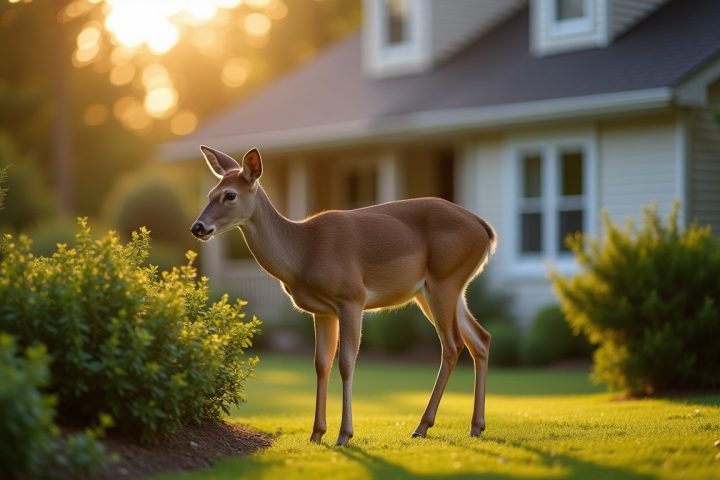
The low electric wires UC IPM describes, at 6 and 12 inches, sit at raccoon height; a deer simply steps over them. Low-strand fencing around the vegetable bed plus locked-down food targets the raccoon alone.
Raccoon repellents: what the evidence says
UC IPM puts it bluntly: none have been effective for raccoons, and mothballs, blood meal and a wide variety of home remedies have been tried without success. The wildlife damage literature lists lights, radios, dogs, scarecrows, streamers, pie pans and windmills as having some temporary effect but providing no adequate long-term protection.
- Mothballs: using them outdoors against wildlife is not just ineffective. The National Pesticide Information Center states that using mothballs in a way not specified on the label is illegal and can harm people, pets and the environment.
- Ammonia, vinegar, pepper sprays: sometimes used in short-term den harassment; no evidence they keep raccoons out of a yard.
- Ultrasonic devices: the wildlife damage literature rates their effectiveness as questionable; our review of ultrasonic pest repellers explains why.
Raccoons often share a yard with opossums and skunks; see our guides to getting rid of opossums and getting rid of skunks.
When to call a professional
Call a licensed wildlife control operator when young are in an attic or wall, when entry is on a roof, when there is a large indoor latrine, or when an animal seems sick. Wildlife work is often licensed separately from structural pest control, and a quote for trapping without sealing pays for the problem to come back.
Frequently asked questions
What do raccoons hate the most?
No smell or product has been shown to keep raccoons away for long. UC IPM states that no repellent has been effective for raccoons, and lights, radios and other frightening devices give only temporary relief. What raccoons cannot get past is a physical barrier: a clamped chimney cap, heavy galvanised mesh over openings, a locked bin and a low electric wire around a garden.
What food is poisonous to raccoons?
This is not a route worth taking. No toxicant is registered for controlling raccoons, so poisoning them is not a lawful control method, and any bait a raccoon will eat is also eaten by dogs, cats and other wildlife. Raccoons are protected furbearers in most states. Removing the food that attracts them, and sealing the den, is what ends the problem.
Will raccoons come back if you scare them away?
Usually, yes, if the way in is still open. Frightening methods only work for a short time, and a vacated den is attractive to the next raccoon. New Jersey’s wildlife policy notes that failing to exclude or remove the attractant guarantees the problem will continue. Seal entry points with heavy mesh or a chimney cap as soon as the den is confirmed empty.
Will Irish Spring soap keep raccoons away?
We found no extension or peer-reviewed test showing that bar soap repels raccoons. UC IPM reports that mothballs, blood meal and a wide range of home remedies have all failed against raccoons, and soap shavings belong in the same category. Extension services recommend securing bins and pet food and blocking entry points instead.
When is it safe to seal a raccoon out of the attic?
Outside the window when young are immobile. Most litters are born in April or May, the young open their eyes at about three weeks and are weaned at two to four months, so spring and early summer are the risky period. In late autumn and winter a den is less likely to hold dependent young, but confirm the space is empty before sealing.
Sources
- University of California Statewide IPM Program, Pest Notes: Raccoons, Publication 74116 (R.A. Baldwin, updated 2014).
- Internet Center for Wildlife Damage Management, Raccoons: biology and damage prevention and control methods, based on E.K. Boggess, Prevention and Control of Wildlife Damage (1994); and Repellents and Ultrasound pages.
- CDC, About Baylisascaris (raccoon roundworm) and Preventing Baylisascaris Infection.
- CDC, About Rabies.
- CDC, MMWR, Update: Raccoon Rabies Epizootic, United States, 1996.
- Ma X. et al., Rabies surveillance in the United States during 2022, Journal of the American Veterinary Medical Association 262(11), 2024.
- Connecticut Department of Energy and Environmental Protection, Nuisance Wildlife Control Program, Rabies and Client Notification (updated 2022).
- New Jersey Division of Fish and Wildlife, Policy on the Relocation of Wildlife.
- National Pesticide Information Center, Mothballs: regulation and label use.
- Missouri Department of Conservation, Field Guide: Raccoon.
- The Pest Control Brief analysis of iNaturalist research-grade records, pulled October 2026.