Do Ultrasonic Pest Repellers Work? What the Evidence Shows
The FTC has warned manufacturers over unsubstantiated claims and rodents habituate within 3 to 7 days. What independent testing actually found.
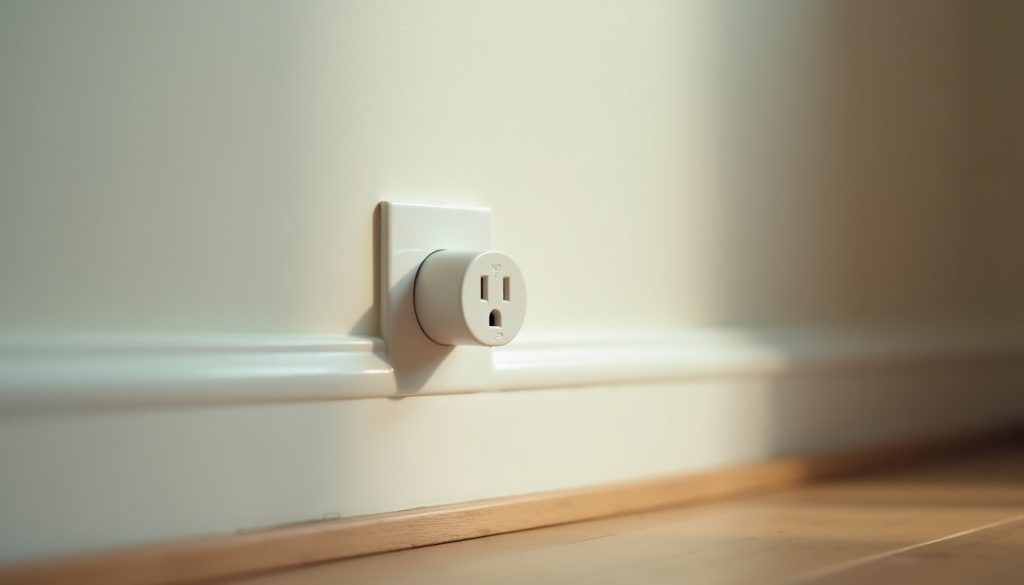
Ultrasonic pest repellers have not demonstrated reliable effectiveness in independent testing, and the Federal Trade Commission has issued warnings to manufacturers over unsubstantiated claims. University research finds rodents habituate to ultrasonic sound within roughly three to seven days and will nest beside an operating unit. The EPA notes these devices have generally not shown consistent, reproducible efficacy in real-world residential conditions.
Plug-in repellers are among the most searched pest products in America and among the least supported by evidence. This page sets out what the testing actually found, because almost every page ranking for these devices is selling one.
What the evidence says
| Source | Finding |
|---|---|
| Federal Trade Commission | Has issued warnings to manufacturers that effectiveness claims lack reliable scientific evidence |
| U.S. Environmental Protection Agency | Devices have generally not demonstrated consistent, reproducible efficacy in real-world residential conditions |
| University research on rodents | Habituation within roughly 3 to 7 days; rodents nest beside operating units |
| Laboratory and field studies | Little to no impact on ants, bed bugs, cockroaches and mosquitoes |
| Controlled lab settings | Some behavioural change observed, but not persistent once pests adapt |
The pattern is consistent. Short-term behavioural change appears in some controlled conditions. It does not persist, and it does not translate into control in an occupied home.
Why habituation defeats them
An ultrasonic device produces a continuous or pulsed sound. Animals that experience a constant stimulus with no associated consequence stop responding to it, which is why rodents are documented nesting next to units still running.
Ultrasound also does not pass through walls or furniture. It reflects off hard surfaces and is absorbed by soft ones, so a plug-in in a hallway does nothing inside the wall void, the cabinet or the subfloor where the population actually lives. That is the same reason surface sprays underperform against harbourage-dwelling pests.
Insects present a further problem. Cockroaches and bed bugs do not hear in the way the marketing implies, and the studies reflect that: little to no measured impact.
What actually costs less over the same period
The appeal is a one-off purchase against recurring service. The comparison only works if the device does something.
| Approach | Cost | Evidence of effect |
|---|---|---|
| Ultrasonic plug-in devices | Low one-off, per unit | Not demonstrated in independent testing |
| Exclusion, sealing entry points | $1,000 to $3,000 for rodents, one-off | Physical barrier, works while intact |
| Recurring general pest plan | $40 to $150 per visit | Established, with callback provision |
| Targeted trapping and baiting | $150 to $600 for rodents | Established |
If the appeal is avoiding recurring cost, exclusion is the option that genuinely delivers it. Sealing works because it is physical, not behavioural, and nothing habituates to a closed gap. Our guide to pest-proofing your home sets out the gap sizes and the work in priority order.
Where the money is better spent
- Fit door sweeps and seal utility penetrations. Mice need about a quarter inch, insects an eighth. This is the highest-yield spend in the whole category.
- Remove the food or moisture source. Fruit flies, drain flies and fungus gnats collapse without any product once the breeding site goes, covered in our guide to small fly control.
- Use bait rather than repellency for ants and cockroaches. Repellent products scatter populations, which is the opposite of what you want.
- Trap rodents properly and then seal, in that order, so you are not sealing animals inside.
- Buy professional treatment for the pests where DIY predictably fails, namely termites, bed bugs, established cockroaches and wildlife. Covered in our comparison of DIY against professional treatment.
Frequently asked questions
Do ultrasonic pest repellers actually work?
Independent testing has repeatedly failed to support manufacturer claims. The FTC has warned manufacturers that effectiveness claims lack reliable scientific evidence, and the EPA notes the devices have generally not shown consistent, reproducible efficacy in real-world residential conditions. Laboratory and field studies found little to no impact on ants, bed bugs, cockroaches or mosquitoes.
Why do mice ignore ultrasonic repellers?
Habituation. University research finds rodents stop responding within roughly three to seven days and will nest beside an operating unit. Ultrasound also does not pass through walls or furniture, so a plug-in device does nothing inside the wall void or subfloor where the population actually lives.
Are plug-in pest repellers a scam?
The devices exist and emit what they claim to emit. The issue is the effectiveness claim: the FTC has issued warnings over unsubstantiated marketing, and independent testing does not support real-world pest control. Treat them as unproven rather than as an alternative to exclusion or treatment.
What works instead of ultrasonic repellers?
Exclusion is the closest thing to the one-off, no-chemical outcome buyers want, because a sealed gap is physical and nothing habituates to it. Mice need about a quarter inch and insects an eighth. Beyond that, targeted baiting and trapping have established evidence where repellency does not.
Sources
- U.S. Federal Trade Commission, warnings to ultrasonic pest device manufacturers regarding unsubstantiated efficacy claims.
- U.S. Environmental Protection Agency guidance on ultrasonic pest device efficacy.
- University and independent laboratory and field studies on rodent habituation and insect response, as summarised in industry and inspection literature, 2026.