Roach Exterminator Cost 2026: What Treatment Really Costs
A roach exterminator costs $100 to $600 per treatment, averaging $200. Why the first visit is rarely the last, and why roaches cost a fraction of bed bugs.
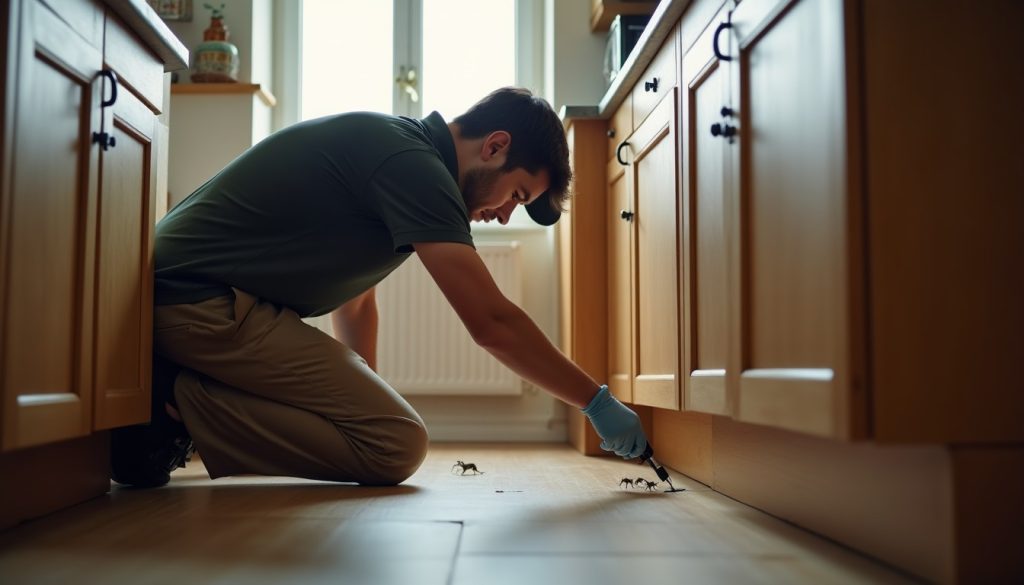
A roach exterminator costs $100 to $600 for a single treatment, averaging about $200. Home size drives most of the spread: roughly $100 to $150 for 1,000 square feet and $450 to $550 for 3,000. Severe infestations needing fumigation run $1,000 to $3,000, and tenting reaches $2,500 to $7,500. Heat treatment, the only chemical-free option, costs $2,000 to $7,000.
Cockroach pricing has the widest spread of any common household pest, from about $100 to over $7,000. That is not arbitrary. It reflects a genuine split between a routine gel bait service and a whole-structure intervention, and knowing which one your situation calls for is the difference between a fair quote and an expensive one.
What roach treatment costs in 2026
Standard treatment is priced by home size because the technician is placing bait and applying residual product across the whole structure, not treating a single spot. Escalation to fumigation or heat is a different service class entirely, reserved for infestations that repeat baiting has not cleared.
| Service | Cost | When it applies |
|---|---|---|
| Single treatment, 1,000 sq ft | $100 to $150 | Typical first response |
| Single treatment, 3,000 sq ft | $450 to $550 | Larger home, same method |
| Single treatment, national average | About $200 | Across all home sizes |
| Sprays, dusts and traps | $40 to $600 | Smaller or localised jobs |
| Fumigation | $1,000 to $3,000 | Severe, established infestation |
| Heat treatment | $2,000 to $7,000 | Chemical-free requirement |
| Tenting | $2,500 to $7,500 | Most severe cases |
Figures are contractor-reported ranges compiled by home services marketplaces in 2026. No federal price index exists for pest control, a gap we explain in our analysis of where pest control money goes.
Why the first treatment usually is not the last
German cockroaches, the species behind most indoor infestations, reproduce fast enough that a single service rarely ends the problem. A female carries an egg case holding roughly 30 to 40 eggs, and those eggs are protected inside the case from the gel baits and residual products that kill adults.
The practical consequence is the same one that governs bed bug work: you are buying a course of treatment, not an event. Reputable companies price roach work either as a multi-visit programme or as a service with a callback window. A quote for one visit with no follow-up provision is a quote for a partial job.
Ask two questions before accepting any roach quote. How many visits are included at this price, and what is the callback window if activity continues. Thirty to ninety days is common.
Why roaches are cheaper to treat than bed bugs
A roach service averages about $200. A bed bug job runs into the thousands. Both are indoor pests in the same rooms, so the gap deserves an explanation, and it comes down to technician hours.
Across the industry, payroll is 36% of revenue and each employee generates about $139,825 a year. Anything that multiplies labour hours multiplies price. Roach treatment is fast because gel bait placement is quick and the product does the work over the following days through the colony. Bed bug work requires slow manual inspection of seams and frames, or a full day of crew time and equipment for heat.
This is also why roach work fits neatly into a recurring quarterly plan while bed bug work does not. On a quarterly route the technician is already on your street, so the marginal cost of your stop is low. Our bed bug cost breakdown covers the opposite case.
What drives your quote up
- Home size. The primary driver for standard treatment, roughly tripling between 1,000 and 3,000 square feet.
- Infestation severity. Established populations in wall voids and appliance housings need more product placements and more visits.
- Species. German cockroaches live and breed indoors and are the hardest to clear. American cockroaches often enter from outside, so treatment includes exterior work.
- Sanitation and harbourage. Competing food sources reduce bait uptake. A technician may require preparation before treating, and skipping it is a common reason treatment fails.
- Multi-unit buildings. Treating one apartment while adjoining units go untreated frequently fails, because roaches move through shared wall voids and services.
Frequently asked questions
How much does it cost to get rid of roaches?
A single professional treatment costs $100 to $600 with a national average around $200, priced mainly by home size. Expect $100 to $150 for 1,000 square feet and $450 to $550 for 3,000. Severe infestations requiring fumigation cost $1,000 to $3,000, and tenting reaches $2,500 to $7,500.
How many treatments does it take to get rid of cockroaches?
Usually more than one. German cockroach egg cases protect roughly 30 to 40 eggs from gel baits and residual products that kill adults, so newly hatched nymphs appear after the first service. Most reputable companies price roach work as a multi-visit programme or include a callback window, commonly 30 to 90 days.
Is professional roach treatment worth it over DIY?
For an established German cockroach population, professional treatment is generally more effective because it targets harbourage in wall voids and appliance housings that retail sprays do not reach. Over-the-counter sprays can also scatter a population, spreading it further. For a small number of American cockroaches entering from outside, exclusion and sanitation may be enough.
Why is my roach problem coming back after treatment?
Three common reasons: egg cases hatching after the first service, which is normal and why follow-up visits exist; competing food sources reducing bait uptake, which is why preparation matters; and reinfestation from adjoining units in multi-unit buildings, where treating one apartment alone frequently fails.
Sources
- U.S. Census Bureau, Statistics of U.S. Businesses 2022, NAICS 561710, for payroll share and revenue per employee.
- U.S. Bureau of Labor Statistics, Producer Price Index programme. Confirmed no published series for NAICS 561710.
- Contractor-reported price ranges compiled by HomeGuide, This Old House, Angi and Today’s Homeowner, 2026. Sample sizes and methods are not published by those sources.