Apartment and Condo Pest Control: Why One Unit Is Never Enough
Treating one apartment while neighbours go untreated is the top reason multi-unit pest control fails. What proper building-wide treatment looks like.
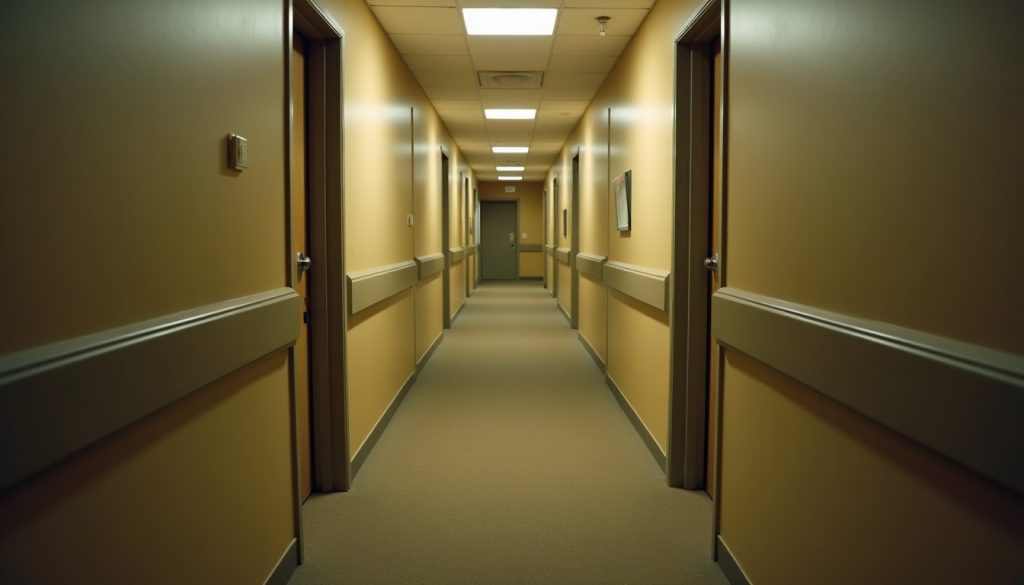
Treating one apartment while adjoining units go untreated is the single most common reason pest control fails in multi-unit buildings. Cockroaches, bed bugs and rodents move between units through wall voids, shared plumbing chases and utility penetrations, so a unit cleared in isolation is repopulated from next door. Building-wide coordination matters more than which product is used.
This page is about why multi-unit pest control is structurally different, not about who pays for it. For the responsibility question, see our guide to landlord and tenant responsibility.
Why a single unit cannot be cleared alone
An apartment is not a sealed box. It shares wall cavities, plumbing chases, electrical runs, ventilation and often a rubbish route with the units around it. Those shared spaces are the highways.
| Pest | How it moves between units | Consequence for single-unit treatment |
|---|---|---|
| German cockroaches | Wall voids, plumbing chases, shared waste lines | Reinfestation within weeks |
| Bed bugs | Wall voids, along conduit, via shared laundry | Often fails outright |
| Mice and rats | Service risers, ceiling voids, refuse areas | Population simply relocates |
| Overwintering insects | Building envelope, shared soffits | Whole-elevation problem |
Treatment can also push a population sideways rather than eliminate it. Repellent applications in one unit can drive cockroaches into neighbouring units, which is why professionals favour non-repellent products and bait in multi-unit work.
What proper multi-unit treatment looks like
- Inspect adjoining units, meaning either side, above and below, not only the unit that reported the problem.
- Treat the cluster simultaneously, so cleared units are not repopulated by untreated neighbours.
- Treat the shared spaces: risers, chases, refuse rooms, laundry rooms and basements.
- Seal internal penetrations around pipework and conduit between units, which is exclusion applied inside the building rather than at the perimeter.
- Use non-repellent products and bait rather than repellent sprays that scatter populations.
- Monitor over time with devices and trend records rather than treating on complaint alone.
That last point is the definition of a managed programme rather than a reactive one, covered in our guide to what IPM actually changes.
What a tenant can realistically do
Your unit is one of several variables, and the ones you control still matter.
- Report early and in writing. Most tenant remedies depend on proving notice was given, and early reports mean smaller clusters.
- Ask what is happening next door. If only your unit is being treated, that is worth raising before the visit rather than after it fails.
- Complete the preparation list fully. Inadequate preparation is the standard warranty exclusion, covered in our guide to preparing for treatment.
- Do not use retail sprays first. Repellent products scatter cockroaches and can interfere with professional baiting, making the eventual job harder.
- Seal what is inside your unit, particularly gaps around pipework under sinks and behind appliances.
- Keep dated records of sightings, notices and treatments.
What a building owner should be buying
Multi-unit work is commercial pest control in structure even when the building is residential. The contract should specify service frequency rather than only a monthly price, cover common areas, and produce documentation: a logbook, a device map and trend reporting.
The cost structure follows the same arithmetic as any other route work. Payroll is 36% of industry revenue and each technician must generate roughly $560 of revenue per working day, so building-wide attendance is priced on time rather than on unit count alone. Our guides to commercial pest control costs and how services are priced set out how those contracts are built.
The economics favour coordination. Repeatedly treating single units on complaint costs more over a year than a scheduled building programme, and it does not resolve the problem, because the reservoir is never addressed.
Frequently asked questions
Why does pest control keep failing in my apartment?
Most often because adjoining units are untreated. Cockroaches, bed bugs and rodents move through wall voids, plumbing chases and utility penetrations, so a unit cleared in isolation is repopulated from next door. Treating either side, above and below at the same time is what changes the outcome.
Can bed bugs travel between apartments?
Yes, through wall voids, along conduit runs and via shared laundry facilities. This is why single-unit bed bug treatment in a multi-unit building often fails outright, and why building-wide inspection and coordinated treatment matter more than which method is chosen.
Should I use bug spray in my apartment before the exterminator comes?
Generally no. Retail products are commonly repellent, which scatters cockroach populations into neighbouring units and can interfere with the professional baiting that would have worked. Professionals favour non-repellent products and bait in multi-unit work for exactly this reason.
What should a building-wide pest programme include?
Inspection of adjoining units rather than only the reporting one, simultaneous treatment of the cluster, treatment of shared spaces including risers, refuse and laundry rooms, sealing of internal penetrations between units, non-repellent products, and monitoring with trend records rather than treating on complaint.
Sources
- U.S. Census Bureau, Statistics of U.S. Businesses 2022, NAICS 561710, for payroll share and revenue per employee.
- Multi-unit treatment practice compiled from pest control industry sources, 2026, and cross-referenced with our own per-pest coverage.