Boric Acid for Roaches: How It Works and Where It Fails
Boric acid does kill roaches, but slowly: it is a stomach poison that roaches swallow while grooming dust off their legs, and most die within about 3 to 10 days. It works only as a barely visible film puffed into cracks and voids, because roaches walk around visible piles. For German cockroaches in a kitchen, ready-made gel baits usually work faster and more reliably, which is why University of Kentucky entomologists say most householders get better results with baits.
Boric acid has been registered as a pesticide in the US since 1948 and in a 2017 Purdue study field-caught German cockroaches showed no loss of susceptibility to it. Much of its reputation for failure comes from how it is used. Below is what the published trials show about speed, dose and sugar mixes, and where it beats bait and where it loses.
Boric acid against the alternatives
| Boric acid dust | Boric acid gel or paste bait | Other gel baits | Sprays and foggers | |
|---|---|---|---|---|
| How it reaches the roach | Clings to legs and antennae, swallowed while grooming | Eaten | Eaten, then shared through droppings | Contact with the residue |
| Typical time to kill half (lab) | Days; dose dependent | About 5.5 to 10 days in Auburn trials | About 1 to 4 days in the same trials | Fast on contact, but roaches avoid it |
| Resistance | Lowest of 14 ingredients tested on field strains | Same active ingredient | Varies by ingredient | Widespread to pyrethroids |
| Best use | Wall voids, under kick panels, behind appliances, pipe openings | Cracks and corners where dust cannot go | First choice for German cockroaches indoors | Not recommended for German cockroaches |
| Main weakness | Roaches avoid visible deposits; washed or wiped away | Some consumer products did poorly in the field | Bait aversion in some strains | Misses roaches hiding in cracks |
Sources: University of Kentucky ENTFACT-614; Appel 1990 and 1992; Fardisi and others 2017. Our comparison of cockroach bait vs spray covers why sprays fail in detail.
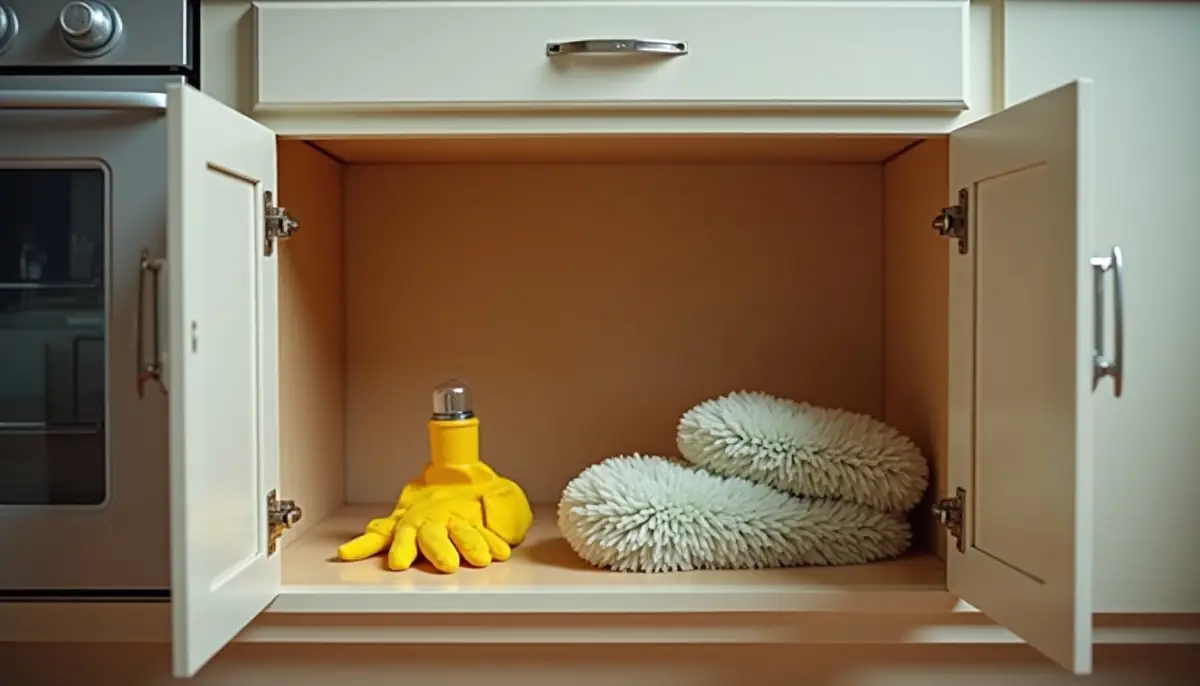
How boric acid kills a cockroach
The National Pesticide Information Center (NPIC) says boric acid kills insects if they eat it: it disrupts the stomach, can affect the nervous system, and can also scratch and damage the insect’s exterior. Kentucky’s Michael Potter describes the route: the fine particles stick to the body and are swallowed as the cockroach preens its legs and antennae.
The most specific evidence on what happens inside comes from Virginia Tech. In a 1995 paper, Donald Cochran showed that swallowed boric acid destroys the cellular lining of the German cockroach’s foregut, an effect he judged sufficient to cause death, perhaps ultimately by starvation. That explains the slow kill: nothing about boric acid is a knockdown poison.
A feeding study from the University of Annaba shows the slowness in numbers. The concentration of boric acid in food needed to kill half of adult German cockroaches was 85 per cent at 24 hours, 67 per cent at 48 hours, 39 per cent at 72 hours and only 8 per cent at 144 hours (six days). Strong doses kill faster; weak doses still kill, given time.
How long does it take to kill roaches with boric acid?
Individual roaches usually die within 3 to 10 days of picking up a dose; a visible drop in numbers takes weeks. The trials agree on the order of magnitude:
- A USDA laboratory study in Gainesville found all German cockroaches died within a week on dry-mixed boric acid bait with no other food, most died in 3 to 6 days on wet-mixed bait, and all died within 5 days on boric acid water solutions.
- A 2021 Shandong Normal University study found the median time to death was 3.16 days for young nymphs and 10.15 days for the oldest nymphs. Small roaches die first.
- In Auburn University trials, consumer boric acid baits killed half the test roaches in about 5.5 days in 1990, and two boric acid gels took 8.5 and 10.1 days in 1992, against 0.86 and 4.2 days for hydramethylnon baits.
Expect to see dying roaches out in the open in the first week or two, often on their backs, which is a sign the treatment is reaching them; our explainer on why cockroaches flip over when they die covers what that tells you. Nymphs hatching from egg cases laid before treatment keep appearing for weeks, and each one has to find the treatment too.
Does boric acid really kill roaches?
Yes, and resistance is not the problem. A 2017 Purdue University study screened German cockroaches from public housing in Indiana and Illinois against 14 active ingredients and found the lowest resistance to boric acid, abamectin and a handful of others. At its diagnostic dose boric acid killed 100 per cent of two strains and 98 per cent of the third, and a professional boric acid gel bait killed every roach in all three strains within 7 days. In North Carolina swine barns, boric acid dust controlled German cockroaches as well as the pyrethroid cyfluthrin.
The problem is delivery. Kentucky’s fact sheet explains that cockroaches avoid heavy accumulations of the powder, “much as we would avoid walking through a snowdrift”. The USDA Gainesville study found the same in baits: where roaches had a choice of food, dry and wet mixes of boric acid showed repellency, while sugar water solutions did not. And in Auburn’s 1990 field trial, only the hydramethylnon bait significantly reduced German cockroach populations; apartments treated with one boric acid bait actually had more cockroaches in traps.
There is one more reason to do it properly. A Columbia University study found German cockroaches fed sub-lethal doses of boric acid excreted droppings with nearly three times as much of the major allergen Bla g 2 (35,400 against 12,700 units per gram). Half-hearted dusting that leaves survivors may make allergen worse, which matters in homes with asthma; see our page on cockroach allergen and asthma.
How to apply boric acid dust
- Use a product labelled for cockroaches and read the label first. The label is the legal instruction for any pesticide.
- Apply a fine deposit, barely visible. Kentucky says the easiest way to apply such a small amount is a bulb or bellows hand duster.
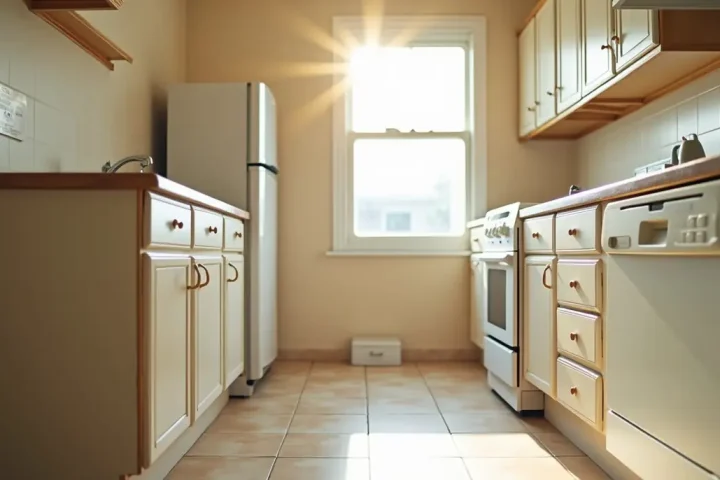
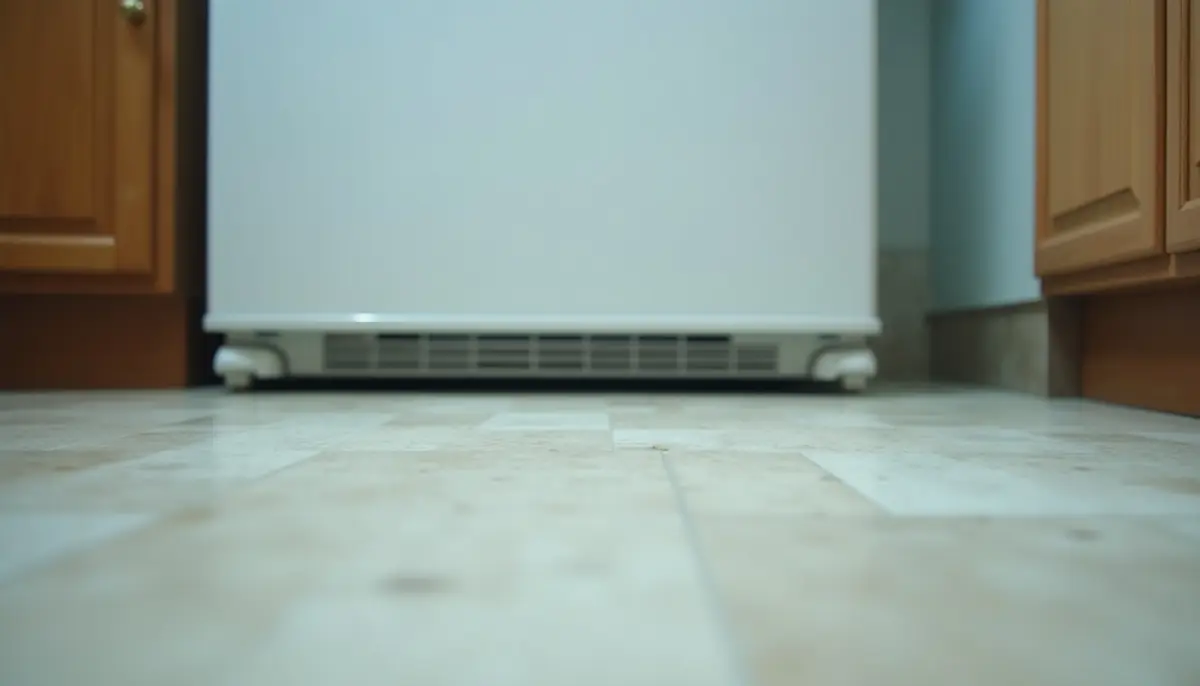
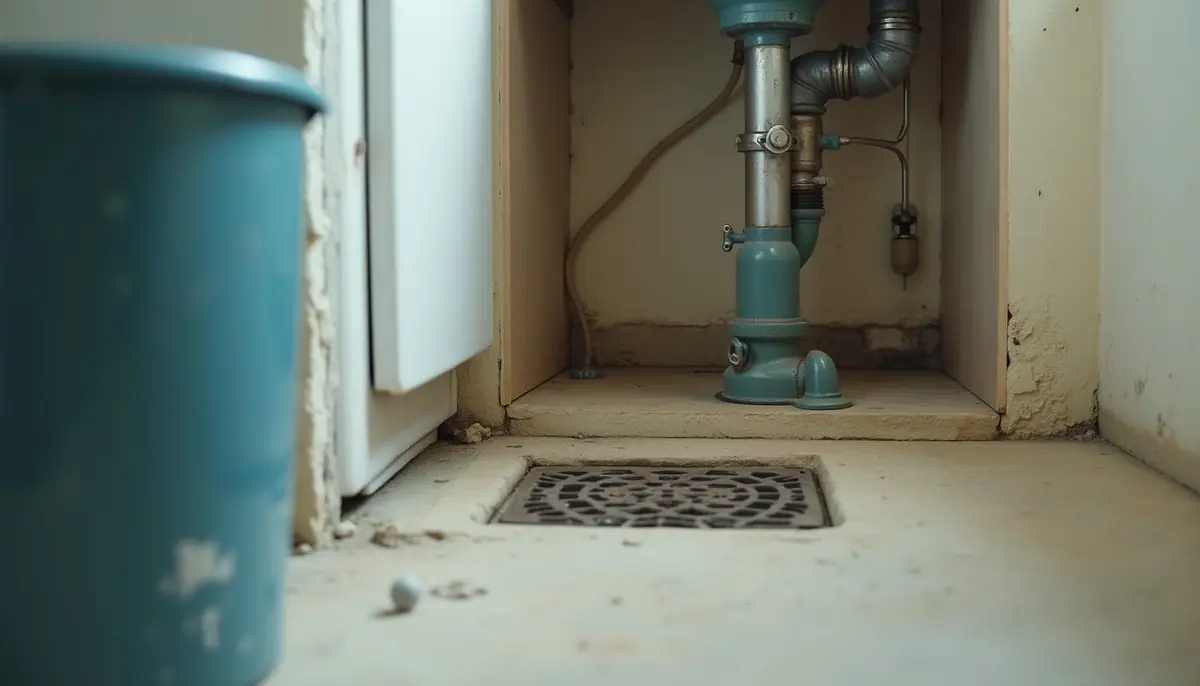
- Treat where roaches hide, not where you see them. Kentucky lists crevices along the edges and corners of cabinets; the wall and floor junction behind the refrigerator, stove and dishwasher; openings where plumbing enters walls; and the void under kitchen and bathroom cabinets, puffed through cracks at the top of the kick panel.
- Keep it off surfaces. Never apply it to countertops or food preparation surfaces, wipe stray traces with a damp cloth, and do not puff it into electronics, which the dust can damage.
- Add bait for German cockroaches. Dust in the voids and gel bait in the cracks is the combination used in the successful public housing programmes below.
| Question | Short answer | Source |
|---|---|---|
| Does boric acid expire? | It keeps its potency almost indefinitely as long as the deposit stays dry | University of Kentucky |
| Does it smell? | No: boric acid is odourless and gives off no vapour | PubChem; NPIC |
| How long does a treatment last? | As long as the film is in place and dry; it dissolves in water and moves with it | Kentucky; NPIC |
| How often should you apply it? | No fixed schedule in extension guidance; renew only where the film has been cleaned, wetted or disturbed, within label limits | Kentucky ENTFACT-614 |
| Does getting wet ruin it? | Not chemically: wetted boric acid dusts killed faster in an Auburn study. But water dissolves and carries off the deposit | Appel and others 2004; NPIC |
| Can you use it outside? | Only products labelled for outdoor use; boric acid granules in yards cut cockroach allergen in New Orleans homes | NPIC; Carlson and others 2017 |
What do you mix with boric acid to kill cockroaches?
In research, sugar. North Carolina State entomologists Jules Gore and Coby Schal found that water solutions of 0.5 to 2 per cent boric acid with sucrose, glucose, fructose or maltose gave rapid and effective kill of German cockroaches in the laboratory, and a 1 to 2 per cent boric acid sucrose solution significantly reduced cockroaches in a commercial swine nursery over two years. A 1972 Seoul National University trial tested dry boric acid and sugar mixes and found the highest 72 hour kill, 96.7 per cent, at 4 parts boric acid to 6 parts sugar.
That does not make a kitchen recipe a good idea. A homemade sweet bait is not a registered product, has no label, and is precisely the kind of thing a child or dog will eat. NPIC notes that children crawl, play on floors and put things in their mouths, which is why many boric acid products must be applied out of children’s reach. Some German cockroach populations have also evolved an aversion to glucose, the sugar in many baits, according to a 2013 NC State study in Science. If you want a sugar-based boric acid bait, buy one sold and labelled as a bait.
German cockroach or American cockroach?
The species changes the answer. The German cockroach, about half an inch long with two dark stripes behind the head, lives entirely indoors, breeds fast and is best handled with gel bait plus dust in voids; our German cockroach treatment guide explains which bait ingredients still work. The American cockroach, about 1.5 inches long, lives in drains, sewers, basements and yards. A UC Riverside trial in sewer shafts found boric acid powder gave excellent control of American cockroaches for at least a month, while boric acid baits failed because they went mouldy or were eaten up, and roaches returned within 3 to 6 months.
Our analysis of iNaturalist records shows the two species run on different calendars. American cockroach records peak from September to November, at an index of 134 to 155 against a yearly average of 100, when they wander from drains and yards. German cockroach records are highest from November to January, but German cockroaches live indoors year round: the winter peak reflects people noticing and photographing them when little else is about, not more breeding.
What gets rid of roaches permanently?
Nothing is permanent, but a combination clears most infestations. In Gary, Indiana, a Purdue programme using gel bait, boric acid dust and sticky traps with resident education cut the number of infested apartments by 74 per cent in a year and trap counts by 99.6 per cent. A 2026 Rutgers study gave residents of low-income apartments gel bait, a bottle of boric acid dust, sticky traps and a short lesson: after six months cockroach counts fell 99 per cent and 58 per cent of homes had no cockroaches detected, against 51 per cent and 6 per cent in homes that received nothing. Keep food sealed, fix leaks and seal pipe gaps to stop them coming back.
Kentucky’s advice on professionals is useful: a correctly treated single-family home should not need a full year of service to clear cockroaches. Call a licensed professional if numbers are still high after six to eight weeks of bait and dust, if you live in a multi-unit building where roaches move between apartments, or if anyone in the home has asthma. Avoid foggers: Kentucky says they seldom work and tend to drive roaches deeper into walls.
Is boric acid safe around children and pets?
It is low in toxicity compared with many insecticides, but it is not harmless. NPIC says people who have eaten boric acid have had nausea, vomiting, stomach aches and diarrhoea, that infants are more sensitive, and that in animals signs of poisoning can start within 2 hours of eating it. The protection is placement: dust inside voids and cracks, never on open floors or surfaces, and baits in tamper-resistant stations where pets roam. If a child or pet eats some, call Poison Control on 800-222-1222 or your vet. Our guide to pet-safe pest control products explains what that label claim does and does not mean.
Frequently asked questions
Does boric acid for roaches expire?
Not in any practical sense. University of Kentucky entomologists say boric acid retains its potency almost indefinitely as long as the dust deposit stays dry. What ends a treatment is the dust being wiped up, swept, or dissolved by water, which NPIC notes can carry it away. Store the product dry and sealed, and check the label for any storage instructions.
Does boric acid smell?
No. Boric acid is odourless, according to the US National Library of Medicine’s PubChem record, and NPIC says it does not give off vapours into the air. That, and its low toxicity when kept out of reach, is why it is often used in kitchens and occupied rooms.
Can you use boric acid outside for roaches?
Only a product whose label allows outdoor use. NPIC lists outdoor residential use among registered boric acid uses, and a New Orleans trial found boric acid granules applied in yards reduced cockroach allergen inside homes. Ordinary dust dissolves in water, so rain or sprinklers remove it. Outdoors, focus on the places American cockroaches live: drains, crawl spaces, the areas around bins and the gaps they use to get inside.
Why are roaches still around a week after boric acid?
Usually because it is working slowly or because they are avoiding it. Roaches take 3 to 10 days to die after a dose, older nymphs and adults take longest, and eggs keep hatching. If the dust is visible as white lines or piles, roaches walk around it: Kentucky compares it to a snowdrift. Blow it into hiding places as a faint film and add gel bait for German cockroaches.
Sources
- University of Kentucky Entomology, ENTFACT-614: Cockroach Elimination in Homes and Apartments, Michael F. Potter.
- National Pesticide Information Center, Oregon State University, Boric Acid General Fact Sheet, Boone, Bond and Stone, 2012, reviewed 2013.
- Cochran, D.G., Toxic effects of boric acid on the German cockroach, Experientia 51(6), 1995.
- Habes, D. and others, Toxicity of boric acid to Blattella germanica and analysis of residues in several organs, 2001.
- Strong, C.A., Koehler, P.G. and Patterson, R.S., Oral toxicity and repellency of borates to German cockroaches, Journal of Economic Entomology 86(5), 1993.
- Jiang, M. and others, Boric acid was orally toxic to different instars of Blattella germanica, Pesticide Biochemistry and Physiology 172, 2021.
- Appel, A.G., Laboratory and field performance of consumer bait products for German cockroach control, Journal of Economic Entomology 83(1), 1990; and Performance of gel and paste bait products, 85(4), 1992.
- Appel, A.G., Gehret, M.J. and Tanley, M.J., Effects of moisture on the toxicity of insecticidal dust formulations to German cockroaches, Journal of Economic Entomology 97(3), 2004.
- Fardisi, M., Gondhalekar, A.D. and Scharf, M.E., Insecticide susceptibility in German cockroach field strains collected from public housing, Journal of Economic Entomology 110(3), 2017.
- Gore, J.C. and Schal, C., Laboratory evaluation of boric acid sugar solutions as baits for German cockroach infestations, Journal of Economic Entomology 97(2), 2004; Gore, J.C. and others, Water solutions of boric acid and sugar in livestock production systems, 97(2), 2004.
- Zurek, L. and others, Boric acid dust as a component of integrated cockroach management in confined swine production, Journal of Economic Entomology 96(4), 2003.
- Zong, M.S. and others, Effectiveness of boric acid as a stomach poison for German cockroach control, Korean Journal of Parasitology 10(2), 1972.
- Zhang, Y.C., Perzanowski, M.S. and Chew, G.L., Sub-lethal exposure of cockroaches to boric acid increases Bla g 2 excretion, Allergy 60(7), 2005.
- Wada-Katsumata, A., Silverman, J. and Schal, C., Changes in taste neurons support the emergence of an adaptive behavior in cockroaches, Science 340, 2013.
- Rust, M.K., Reierson, D.A. and Hansgen, K.H., Control of American cockroaches in sewers, Journal of Medical Entomology 28(2), 1991.
- Carlson, J.C. and others, The distribution and movement of American cockroaches in urban niches of New Orleans, Clinical Pediatrics 56(11), 2017.
- Wang, C. and Bennett, G.W., Cost and effectiveness of community-wide IPM for German cockroach in low-income housing, Journal of Economic Entomology 102(4), 2009.
- Pan, X. and others, Education and provision of a pest management tool kit to residents in low-income housing, Insects 17(5), 2026.
- US National Library of Medicine, PubChem compound record: Boric acid.
- The Pest Control Brief analysis of iNaturalist research-grade records, pulled October 2026.