Termite Tenting: Cost, Prep and What the Three Days Involve
Tenting costs $1 to $4 per square foot and means leaving for about three days. When it is the right tool, what to prepare, and what it does not do.
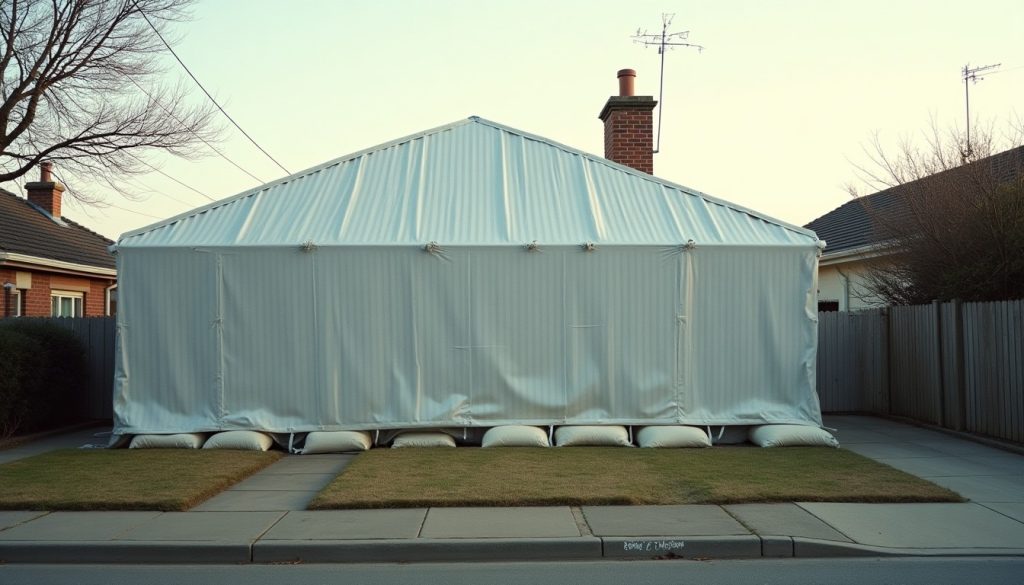
Termite tenting costs $1 to $4 per square foot, typically $2,000 to $5,000 for a home, and requires everyone including pets to leave for 24 to 72 hours, usually around three days. Food and medicine must be removed or sealed in special fumigant-resistant bags. Tenting kills drywood termites throughout the structure in one treatment, and it leaves no residual protection afterwards.
Whole-structure fumigation is the most disruptive treatment in residential pest control and the one people prepare for least. What matters is knowing when it is the right tool, what the three days involve, and what it does not do.
What tenting costs
| Measure | Cost |
|---|---|
| Per square foot | $1 to $4 |
| Typical home | $2,000 to $5,000, many around $3,000 |
| Wider reported range | $1,500 to $8,000 |
Contractor-reported ranges compiled in 2026. Tenting is billed by volume because the gas fills the whole structure, unlike soil treatment billed per linear foot of foundation, covered in our guide to termite treatment costs.
When tenting is the right treatment
| Situation | Tenting | Alternative |
|---|---|---|
| Widespread drywood termites | Usually the right tool | Localised treatment if confined |
| Drywood termites in one area | Often more than needed | Spot or localised wood treatment |
| Subterranean termites | Wrong tool | Soil barrier or bait system |
| Prevention with no activity | No residual, so no prevention | Inspection and a bond |
The distinction is where the termites live. Drywood termites live inside the wood with no soil contact, so gas that penetrates walls reaches them. Subterranean termites nest in soil and enter from below, which is why tenting does nothing for them.
What the three days involve
- Inspection and quote, confirming drywood termites and the extent of activity.
- Preparation, usually the day before, following the company’s written list.
- Tenting. The structure is sealed under tarpaulins.
- Fumigation. Gas is released and held so it penetrates walls, floors and structural timber, typically 24 to 48 hours.
- Ventilation. The tent is removed and the structure aired.
- Clearance. Fumigant concentration is measured before re-entry is permitted. Clearance is decided by measurement, not by a timer.
Structural fumigation requires its own applicator certification, category (n) non-soil fumigation under federal rules, separate from the structural category most technicians hold. Our guide to the federal licensing framework covers the categories.
Preparation that actually matters
- Remove or seal all food, drink and medication. Items that stay are double-bagged in special bags supplied by the company that resist the fumigant.
- Remove people, pets and indoor plants. Nobody and nothing living stays inside.
- Water the soil around the house the day before, which reduces fumigant movement into the soil and protects foundation planting.
- Move or cut back outdoor plants that touch the walls where the tent will seal.
- Arrange access, including keys to all locked rooms, cupboards and outbuildings to be treated.
- Plan three nights away, since most jobs run about 72 hours from tenting to clearance.
Our general guide to preparing for treatment covers how preparation affects any warranty.
What tenting does not do
Fumigation kills what is in the structure on the day and leaves nothing behind. If drywood termites fly in the following swarm season, the house has no chemical protection against them. A company proposing tenting without discussing what prevents reinfestation is leaving out half of the conversation.
That is why the agreement after tenting matters more than the tenting itself. Ask whether a warranty is included, what it covers, and whether it transfers if you sell. Our guide to termite bonds and warranties covers the terms to check.
Frequently asked questions
How much does termite tenting cost?
Typically $1 to $4 per square foot, which is $2,000 to $5,000 for most homes, with many around $3,000. Reported ranges run from $1,500 to $8,000 depending on the size and complexity of the structure. It is billed by volume because the fumigant fills the entire building.
How long do you have to leave your house for tenting?
Usually 24 to 72 hours, with most jobs around three days from tenting through ventilation and clearance. Re-entry is permitted only after fumigant concentration has been measured and cleared, so the timeline is set by measurement rather than a fixed number of hours.
Does tenting work for subterranean termites?
No. Tenting reaches drywood termites living inside the wood. Subterranean termites nest in soil and enter from below, so they are treated with a liquid soil barrier or a bait system at the foundation instead.
Does tenting prevent termites from coming back?
No. Fumigation leaves no residual protection, so the structure can be reinfested by the next termite swarm. Ongoing protection comes from inspection and a warranty or bond, which is why the agreement that follows tenting matters as much as the treatment.
Sources
- Contractor-reported tenting prices and preparation guidance compiled by Angi, HomeGuide and fumigation cost guides, 2026.
- 40 CFR 171.101, commercial applicator certification categories. ecfr.gov