Silverfish, Earwigs, Centipedes and Millipedes: The Moisture Pests
Silverfish treatment costs $200 to $700 a visit, earwigs $100 to $300. All four are moisture pests, and fixing the damp does more than any product.
Silverfish treatment costs $200 to $700 per visit, earwig treatment $100 to $300, and centipede or millipede treatment $100 to $200 or more without a contract. All four are moisture pests: they show up where humidity is high, and they return if the moisture does. Fixing the damp usually does more than any product, which is why these are among the cheapest pests to solve permanently.
Silverfish, earwigs, centipedes and millipedes are sold as four separate treatments. They share one cause, and treating the insects without treating the cause is why they keep coming back.
What treatment costs
| Pest | Typical cost | Notes |
|---|---|---|
| Silverfish | $200 to $700 per visit | Follow-ups every three to six months are common; severe cases requiring fumigation reach $3,000 |
| Earwigs | $100 to $300 one-time | Usually perimeter treatment plus habitat change |
| Centipedes and millipedes | $100 to $200+ without a contract | Often included in general pest plans |
| Diatomaceous earth application | $150 to $600 | Mineral dust option for dry voids |
Contractor-reported ranges compiled in 2026. No federal price index exists for pest control services.
Telling them apart
| Silverfish | Earwigs | Centipedes | Millipedes | |
|---|---|---|---|---|
| Look | Silvery, tapered, fish-like, three tail bristles | Pincers at the rear | Flattened, one pair of legs per segment, fast | Rounded, two pairs of legs per segment, slow, curl up |
| Where | Bathrooms, basements, stored paper and boxes | Under mulch, damp foundation edges | Basements, bathrooms, crawlspaces | Foundation line, often after heavy rain |
| Eats | Starches, paper, glue, fabric | Plants, decaying matter, small insects | Other insects | Decaying plant matter |
| Damage | Paper, book bindings, wallpaper, stored fabric | Minor plant damage | None; a predator | None; a nuisance |
A house centipede indoors is a sign of something else: it is hunting. If you have centipedes, you have their prey, which is worth investigating before treating the centipedes. The same logic applies to spiders, covered in our guide to spider control.
Why moisture is the real target
All four depend on humidity. Silverfish favour damp, still rooms with starch sources. Earwigs, centipedes and millipedes live in damp soil, mulch and leaf litter and move indoors when conditions push them, often after heavy rain or during a dry spell when they seek moisture.
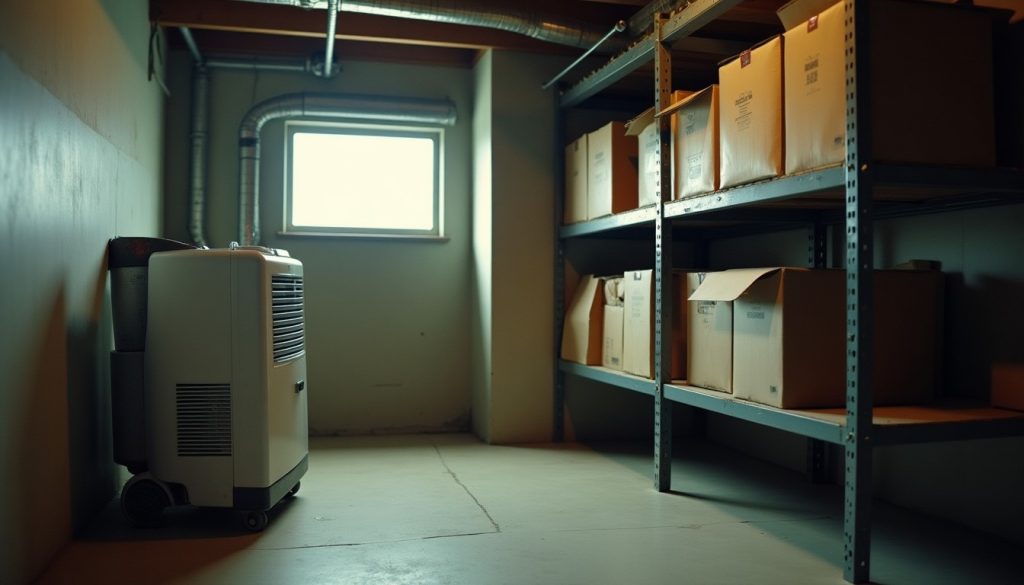
- Run a dehumidifier in basements and damp rooms, and fix bathroom extraction.
- Repair leaks, particularly under sinks, around tubs and at condensate lines.
- Pull mulch and leaf litter back from the foundation, leaving a dry band.
- Improve crawlspace ventilation or moisture control.
- Store paper, books and fabric in sealed containers off basement floors, which removes silverfish food.
- Seal gaps at the foundation line and door thresholds, covered in our guide to pest-proofing your home.
When treatment earns its price
- Silverfish damaging stored documents, books or heirloom fabric, where a population needs to be knocked down while the moisture is fixed.
- Heavy perimeter pressure after rain that sanitation and mulch changes have not resolved.
- A general pest plan you already hold, which commonly includes these pests at no extra charge. Check before paying separately; see whether a quarterly plan is worth it.
Silverfish damage to paper and fabric is sometimes confused with carpet beetle or clothes moth damage. Our guides to carpet beetles and moths cover how to tell them apart.
Frequently asked questions
How much does silverfish extermination cost?
Professional silverfish treatment costs $200 to $700 per visit, with follow-up visits every three to six months common for established populations. Severe infestations requiring fumigation can reach $3,000. Reducing humidity is what keeps silverfish from returning after treatment.
What attracts silverfish, earwigs and centipedes?
Moisture. All four favour damp conditions: silverfish in humid bathrooms and basements with paper and starch to eat, earwigs and millipedes in damp mulch and leaf litter at the foundation, and centipedes wherever their insect prey is found in damp areas.
Are house centipedes harmful?
House centipedes are predators of other insects and are generally considered a nuisance rather than a damaging pest. Their presence indoors usually means there is prey for them, so finding the insects they are hunting is more useful than treating the centipedes alone.
How do I get rid of millipedes after rain?
Millipedes move toward foundations during wet spells. Pull mulch and leaf litter away from the foundation to leave a dry band, seal gaps at thresholds and the foundation line, and address drainage. Perimeter treatment helps with heavy pressure, but moisture and habitat changes do most of the work.
Sources
- Contractor-reported price ranges compiled by Angi, Fixr, Today’s Homeowner and pest control cost guides, 2026. Sample sizes and methods are not published by those sources.