Woodlice, Sowbugs and Pillbugs: What They Are Telling You
Woodlice are not insects. They are crustaceans with seven pairs of legs and gills, more closely related to shrimp than to anything else in your basement, and they dry out and die quickly indoors. That single fact settles most of the question: the ones you find inside are not living there, they have wandered in from damp ground outside and are on their way to dying. They do not bite, do not damage buildings, and treatment indoors is unnecessary.
Sowbugs, pillbugs, woodlice, roly-polies and pill woodlice are all names for the same group of animals. They matter to a building owner for one reason: they are an accurate signal of moisture at the foundation.
What you are actually looking at
They run 6.4 to 16 mm, grey to brown, with an oval body of overlapping plates and a domed back. Count the legs and the question is closed: seven pairs, where every insect has three. They are nocturnal and feed on decaying plant material.
Two common types, easily separated:
| Pillbug | Sowbug | |
|---|---|---|
| Rolls into a ball | Yes, tightly, hence roly-poly | No |
| Tail appendages | None visible | Two small tail-like uropods at the rear |
| Body profile | More strongly domed | Flatter |
Neither bites, stings, carries disease indoors, or damages timber, fabric or stored food. Clemson extension describes them as completely harmless to humans and pets.
Why they are indoors, and why they will not stay
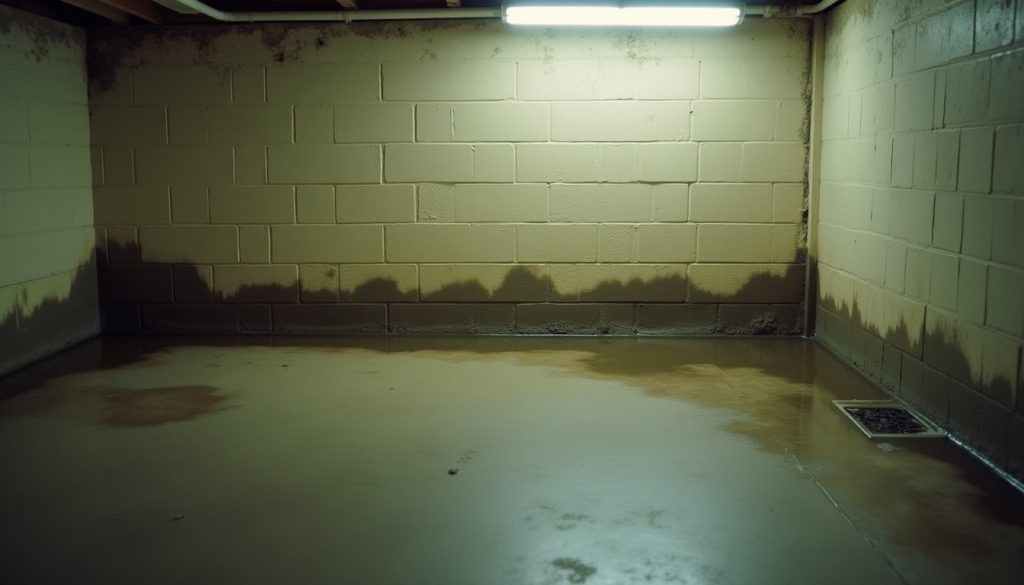
Woodlice breathe through gill-like structures and need moisture to survive. Indoors they dry out and die quickly, which is why people so often find them dead or dying on a basement floor rather than thriving in a corner. They are not establishing a population in the house; they are wandering in from the damp ground immediately outside, typically during wet weather or when their habitat dries.
The practical consequence is that a vacuum cleaner resolves the individuals, and everything useful happens outside the wall.
What they are telling you
A steady trickle of woodlice into a basement or a ground-floor room is a moisture report. The conditions that support them at a foundation are the same conditions that support several structural problems, so the finding is worth more than the animal.
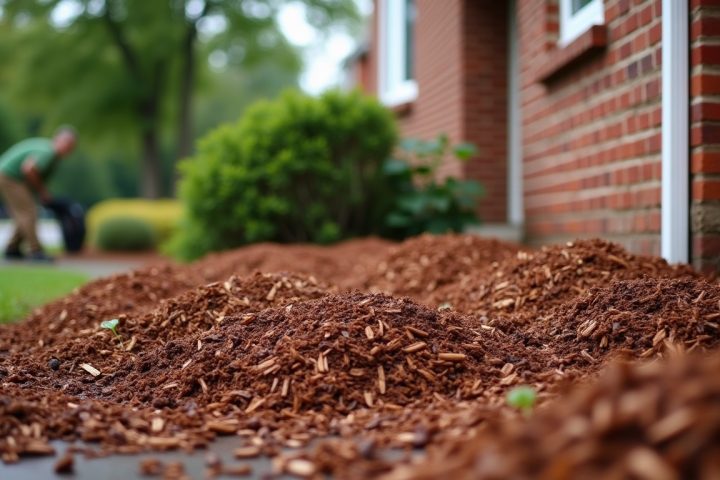
- Move mulch, leaf litter and plant material back from the foundation, several inches at least and further from doorways.
- Keep irrigation off the walls. Sprinklers that wet the foundation maintain exactly the damp strip woodlice need.
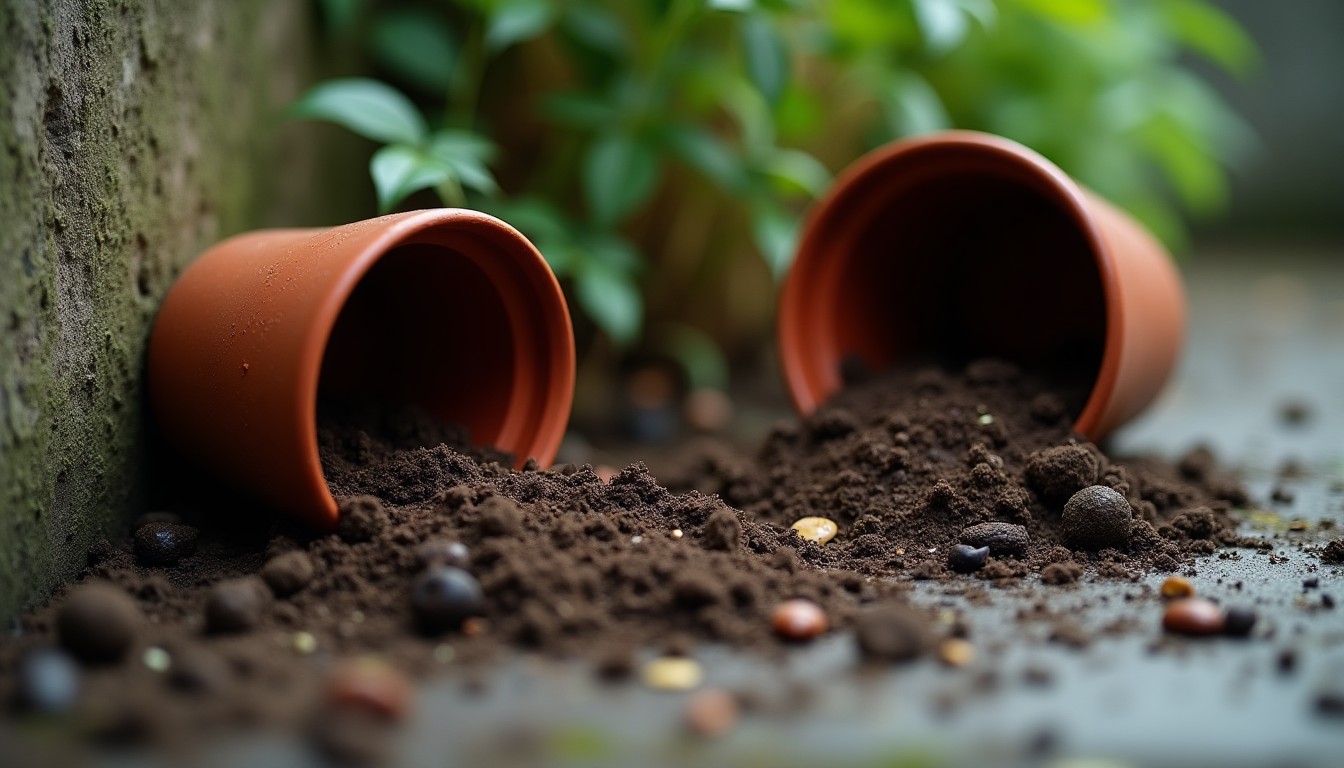
- Lift objects off the soil. Boards, pots, bins and stacked timber against the wall create the harbourage.
- Fit door sweeps and weather stripping. Woodlice come in at floor level, and a bottom barrier stops most of them.
- Improve drainage and ventilation in crawl spaces and basements so the interior side dries out too.
Chemical treatment indoors is not necessary, and extension guidance says so plainly. If the same damp corner is also producing silverfish, earwigs, centipedes or millipedes, the underlying problem is shared and is covered in moisture pests and what they indicate. The sealing work itself is in pest-proofing your home.
In the garden they occasionally do damage
Outdoors woodlice are mostly beneficial decomposers, breaking down leaf litter. The exception is soft plant material in contact with damp soil: they will chew seedlings, succulent growth and fruit such as strawberries lying on wet ground. The fix is cultural rather than chemical, lifting fruit off the soil and reducing damp litter around vulnerable plants. That sits alongside the wider question of which garden pests are worth acting on.
Frequently asked questions
Are woodlice insects?
No. They are crustaceans, in the order Isopoda, more closely related to shrimp and lobsters than to insects. They have seven pairs of legs where insects have three, and they breathe through gill-like structures, which is why they need constant moisture.
What is the difference between a sowbug and a pillbug?
Pillbugs roll into a tight ball when disturbed and have no visible tail appendages. Sowbugs cannot roll and have two small tail-like uropods at the rear, with a slightly flatter body. Both are harmless and both need damp conditions.
Are woodlice harmful?
No. They do not bite or sting, do not damage structures, timber, fabric or stored food, and are described by extension services as completely harmless to people and pets. In the garden they can chew seedlings and fruit resting on damp soil.
Why do I keep finding woodlice in my basement?
Because the ground immediately outside is damp and they are wandering in, usually in wet weather. They are not breeding indoors. Indoors they dry out and die quickly, so a continuing supply means a continuing source outside the wall.
How do I get rid of woodlice indoors?
Vacuum up the ones you find, then remove the conditions outside: pull mulch and leaf litter back from the foundation, keep irrigation off the walls, lift stored objects off the soil, and fit door sweeps. Indoor chemical treatment is not necessary.
Do woodlice mean my house is damp?
They mean the ground at the foundation is damp, which is not the same as damp inside the structure but often accompanies it. Treat a steady influx as a prompt to check drainage, irrigation, guttering and the strip of ground against the wall.
Do woodlice bite?
No. They have no bite or sting and pose no risk to people or pets. Their mouthparts are adapted to decaying plant material.
Sources
- Clemson Cooperative Extension, Sowbugs and Pillbugs, Home and Garden Information Center. hgic.clemson.edu
- UC Statewide IPM Program, Pillbugs and Sowbugs. ipm.ucanr.edu
- University of Maryland Extension, Pillbugs and Sowbugs. extension.umd.edu