Why a Pest Control Company Will Not Spray Your Tomatoes
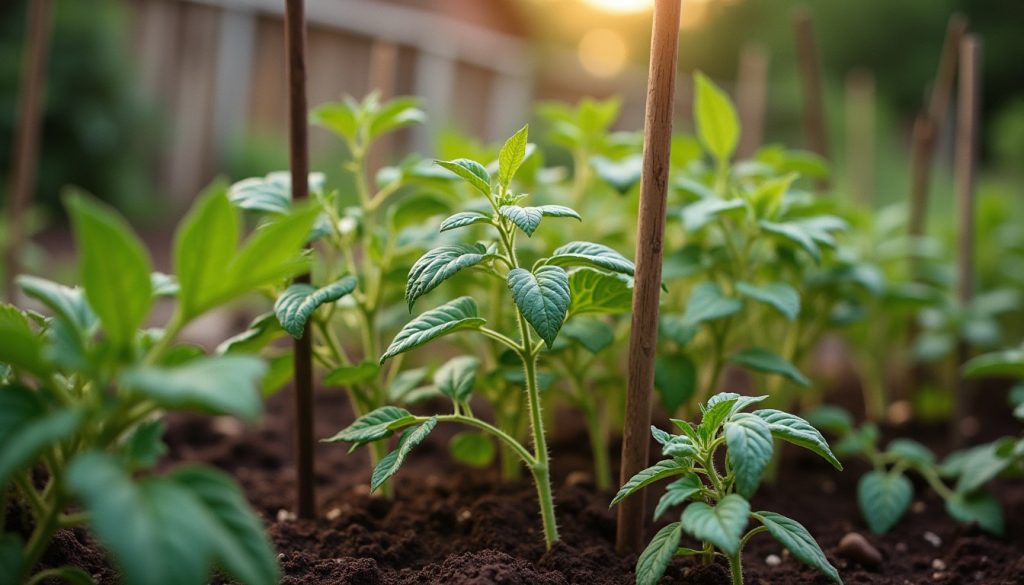
A pest control company will not spray your tomatoes, and the reason is federal law rather than reluctance: it is unlawful to use a registered pesticide in a manner inconsistent with its labeling, and the label must name the site being treated. As the National Pesticide Information Center puts it, if your fruit or vegetable is not listed on the label, you cannot apply the product to it. The same bottle of bifenthrin carries a one-day wait before harvest on tomatoes and a twenty-one-day wait on turnips.
Edible crops are the one place in residential pest control where the legal constraint is tighter than the practical one. Understanding it explains both why your service contract stops at the vegetable bed and how to handle what is eating your plants.
The label is the law, and the crop is on the label
Federal pesticide law makes it unlawful to use any registered pesticide in a manner inconsistent with its labeling. Federal regulation requires the label to state the sites of application, for example the crops, animals, areas or objects to be treated, and requires this sentence to appear under the directions for use: it is a violation of Federal law to use this product in a manner inconsistent with its labeling.
There is one exception worth knowing because it is widely misunderstood. You may apply a product against a pest that is not named on the label, provided the application is to a crop, animal or site that is specified on the label. Unlisted pest, sometimes acceptable. Unlisted crop, never.
The pre-harvest interval is the second half of the rule: the wait between application and a legal harvest. Harvesting before it has elapsed is illegal. The intervals are crop-specific, which is why the same active ingredient can carry a one-day wait on one vegetable and three weeks on another in the same garden.
So when a technician declines to treat the vegetable bed, or treats around it, that is the label speaking. A residential service is built on products labelled for structures and their surrounds, and the published covered-pest lists of the largest national plans contain no garden or turf pests at all.
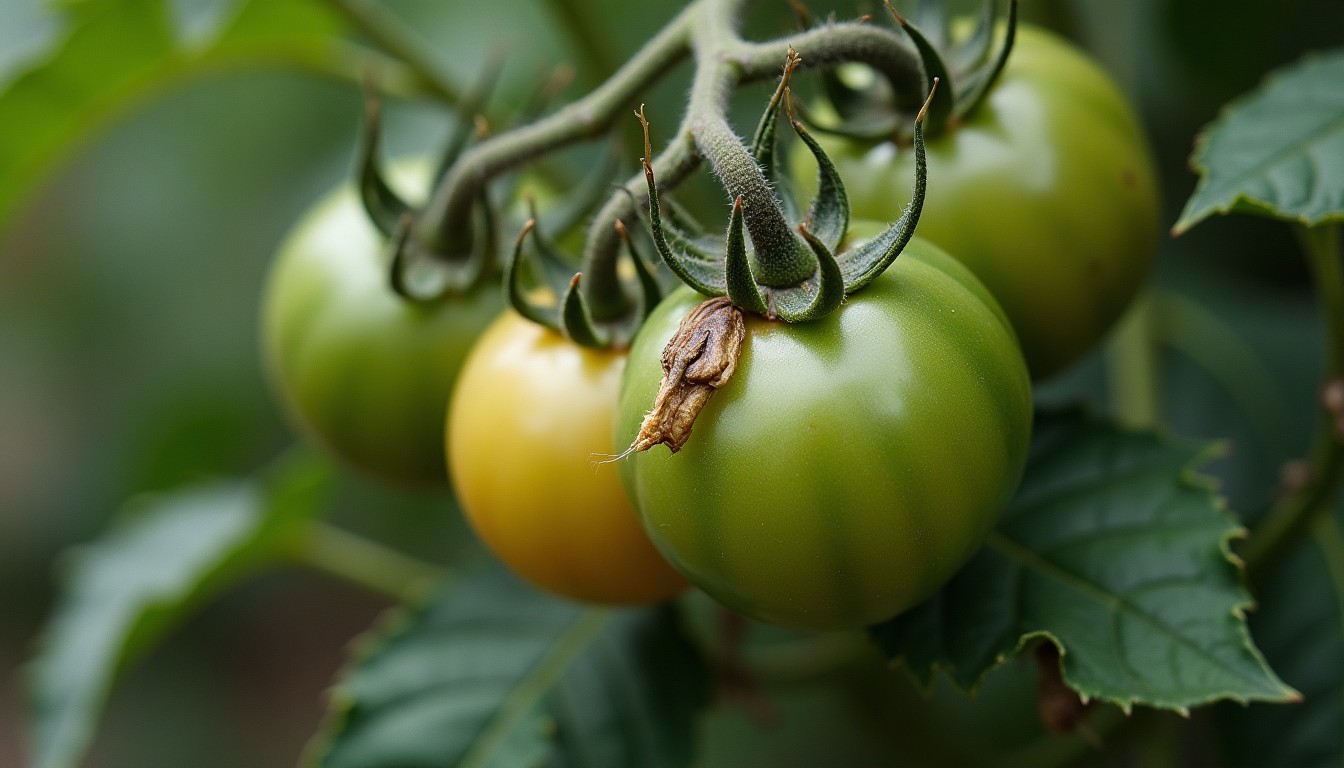
What is actually eating the garden
| Pest | What it does | What extension recommends |
|---|---|---|
| Aphids | Yellowing, stunted shoots, curling, honeydew and sooty mould; transmit viruses on squash, cucumber, melon, bean and lettuce | Check twice a week; knock them off with a strong jet of water; reflective mulches; row covers; avoid excess nitrogen; insecticidal soaps and oils are the best product choices |
| Tomato hornworm | Eats entire leaves and small stems, chews pieces from green fruit; larvae reach four inches | Handpick; leave any hornworm carrying white parasitoid cocoons in place; Bt or spinosad against smaller larvae; till after harvest |
| Squash bugs | Speckled then browning leaves, collapse of vines, aborted fruit | Handpick egg masses of 15 to 40 from leaf undersides; boards laid out as overnight traps; row covers removed at flowering |
| Cucumber beetles | Lacy feeding damage; the main vector of bacterial wilt | Row covers, mulch, perimeter trap cropping; threshold as low as one beetle per seedling |
| Imported cabbageworm | Large irregular holes and fecal pellets in heads | Control weedy brassicas; encourage natural enemies; Bt or spinosad |
| Grasshoppers | Heaviest on lettuce, carrots, beans, sweetcorn and onions; squash, peas and tomato foliage largely avoided | Baits; a biological bait product works only on young grasshoppers and acts slowly |
| Spider mites | Stippling, bronzing, webbing on leaves and fruit | Forceful water sprays to leaf undersides; soap or oil with full coverage |
The counter-intuitive one: spraying can cause the problem
Spider mites frequently become a problem after broad-spectrum insecticides are applied, because those products remove the predators that were holding mites in check. Carbaryl and pyrethroids are specifically implicated in these flare-ups. It is the clearest case in garden pest control where doing something makes matters worse than doing nothing.
Thresholds exist here too
Vegetable thresholds are more varied than turf thresholds because the tolerable damage depends on the crop and its stage.
- Cucumber beetles: one beetle per seedling on pumpkin, squash and melon; on wilt-susceptible cucumber and muskmelon, one beetle per two seedlings.
- Squash bugs: one egg mass per plant is the Midwest threshold.
- Imported cabbageworm: about one caterpillar per five plants early in crop development, but nine per plant once established and pre-heading, and as little as one caterpillar in twenty-five plants for Brussels sprouts at sprout formation.
That cabbageworm spread, from one-in-twenty-five to nine-per-plant on the same crop group, is the best argument available for counting before spraying. The general principle behind it is set out in integrated pest management.
What to do instead
- Identify before acting, since several of these have specific, non-chemical answers that work better than a general spray.
- Use physical exclusion early. Row covers over young cucurbits handle both cucumber beetles and squash bugs, and come off at flowering for pollination.
- Handpick where the pest is large. Hornworms and squash bug egg masses are genuinely controlled this way.
- If you use a product, read the crop list first. If your vegetable is not named, that product is not legal on it, whatever it promises about the pest.
- Then read the pre-harvest interval for that specific crop and mark the date.
- Do not reach for a broad-spectrum insecticide by default, given the documented mite flare-ups.
The same boundary question outdoors, but about turf rather than food, is covered in lawn pests and who is licensed to treat them. Indoors, the plant pests that come in on pots are in houseplant pests. If you are weighing natural products for the garden, the efficacy evidence is in what the testing actually shows, and for the professional product inventory see what chemicals exterminators use.
Frequently asked questions
Will an exterminator spray my vegetable garden?
Generally no. Federal law makes it unlawful to use a pesticide inconsistently with its labeling, and the label must name the site being treated. Residential pest control products are labelled for structures and their surrounds, not for food crops, and the covered-pest lists of the major national plans contain no garden pests.
What does it mean that a crop is not on the label?
It means you cannot legally apply that product to that crop. The National Pesticide Information Center states it directly: if your fruit or vegetable is not listed on the label, you cannot apply the product to it. Applying to an unlisted pest on a listed crop can be acceptable; applying to an unlisted crop is not.
How long after spraying can you eat vegetables?
That is the pre-harvest interval, and it is printed on the label for each crop. It varies widely for the same product: bifenthrin carries a one-day interval on tomatoes and twenty-one days on turnips. Harvesting before the interval has passed is illegal.
What is eating my tomato plants at night?
Tomato hornworms are the usual answer for large chunks taken from leaves, stems and green fruit, and the larvae reach about four inches. Handpicking is the standard control, though hornworms carrying white cocoons should be left in place because those are parasitoids that will kill the next generation.
Do pest control companies treat aphids?
Not on edible crops, for the labelling reason above. Extension guidance for garden aphids is largely non-chemical anyway: check plants twice weekly, dislodge colonies with a strong jet of water, use reflective mulches and row covers, avoid excess nitrogen, and use insecticidal soaps or oils if a product is needed.
Why did my plants get worse after I sprayed?
Spider mite outbreaks commonly follow broad-spectrum insecticide applications, because the spray removes the predatory insects and mites that were keeping them suppressed. Carbaryl and pyrethroids are specifically associated with these flare-ups.
What pesticides are safe for vegetable gardens?
The question to ask is not which product is safest in the abstract but which products name your crop on the label and what pre-harvest interval they set for it. A product legal on tomatoes may be illegal on okra from the same bottle. Follow the label, which is the legally binding document.
Sources
- Cornell Law School, 7 U.S.C. 136, definitions including use inconsistent with labeling. law.cornell.edu
- Cornell Law School, 40 CFR 156.10, labeling requirements. law.cornell.edu
- National Pesticide Information Center, Preharvest Interval. npic.orst.edu
- Mississippi State University Extension, Bug’s Eye View, preharvest intervals, 2024. extension.msstate.edu
- UC Statewide IPM Program, Pest Notes: Aphids, Hornworms, Squash Bugs and Spider Mites. ipm.ucanr.edu
- Cornell Integrated Pest Management, Striped Cucumber Beetle fact sheet, 2025. cals.cornell.edu
- Colorado State University Extension, Grasshopper Control in Gardens and Small Acreages, 5.536. extension.colostate.edu
- US Environmental Protection Agency, Introduction to Pesticide Labels. epa.gov