Mosquito Repellent Plants: Which Ones Do Anything?
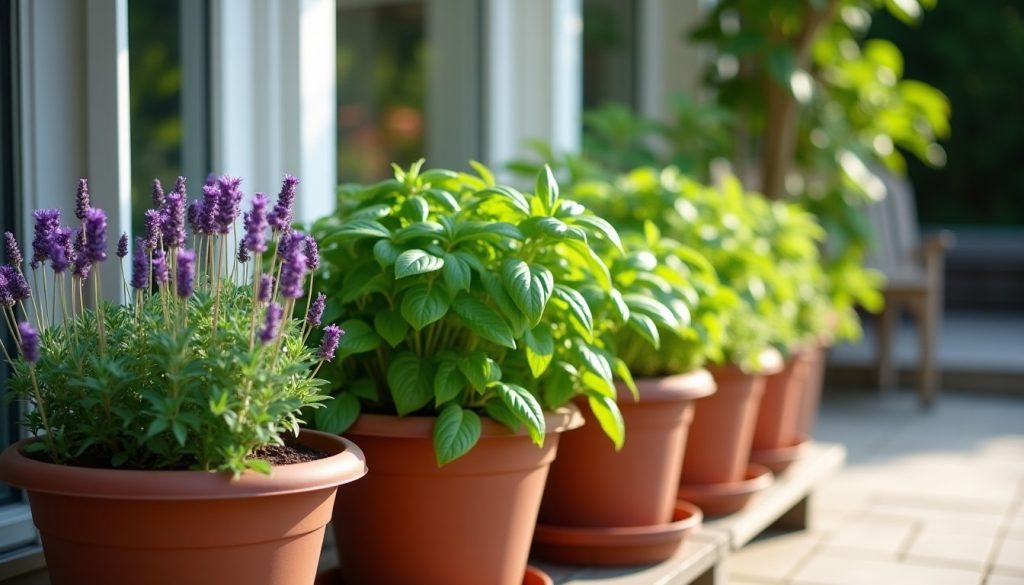
No garden plant has been shown to keep mosquitoes out of a yard just by growing there. The plant sold as the “mosquito plant”, the citrosa geranium, failed two field trials outright, and extension entomologists at Colorado State and Clemson say living plants hold their oils in the leaf. The best results for living plants come from potted basil and lantana in closed huts in Kenya, at roughly a third fewer mosquitoes. For real protection, empty standing water weekly and use an EPA-registered repellent.
Lists of 25 plants that repel mosquitoes are everywhere, and almost none of them cite a study of the plant itself. The research that exists is smaller and more interesting than the lists suggest: a few plants do something when crushed, burned or refined into an oil, one refined plant product is as good as many synthetic repellents, and some garden plants make the mosquito problem worse.
Plant by plant: the claim and the evidence
| Plant | Usual claim | What the evidence shows |
|---|---|---|
| Citrosa geranium (“mosquito plant”) | Releases citronella and protects about 10 sq ft | Failed two field trials; contains no citronella oil; mosquitoes in one test rested on its leaves |
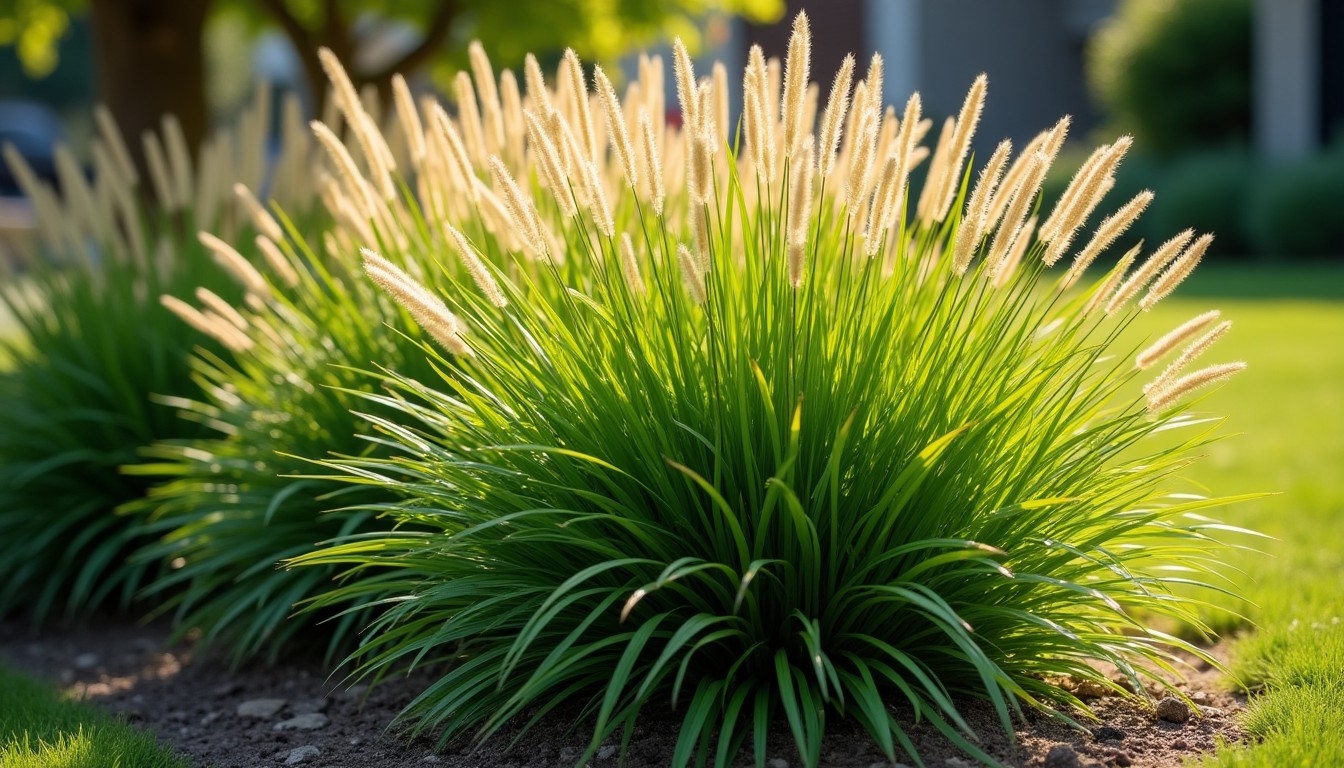
| Citronella grass | Source of citronella oil | The oil gives modest, short protection; we found no trial of the living plant |
| Lavender | Scent keeps mosquitoes off | No field trial of living plants found; oils are released only when leaves are crushed |
| Marigold | Classic border repellent | A wild African marigold did not significantly repel in a hut trial; no trial of garden marigolds found |
| Catnip | “Ten times stronger than DEET” | True only for the extracted chemical in a glass tube; DEET was the better contact repellent in USDA tests |
| Hoary basil (Ocimum americanum) | Herb that repels | Live potted plants repelled 39.7 per cent of malaria mosquitoes in closed huts |
| Lantana | Flowering repellent | Live potted plants repelled 32.4 per cent in huts and 27.22 per cent in village houses |
| Lemon eucalyptus tree | Source of OLE | Potted plant did not significantly repel; burned leaves did; the refined repellent is EPA-registered |
| Rosemary, lemongrass | Herb repellents | As oils on skin, about 15 and 40 minutes of protection |
| Bromeliads | Ornamental only | Hold water and breed mosquitoes; dominant breeding site species in a Miami survey was the yellow fever mosquito |
The mosquito plant that failed
The citrosa, sold as Pelargonium citrosum ‘Van Leenii’, reached North American garden centres with the claim that it repelled mosquitoes within a 10 sq ft area by continuously releasing citronella oil. University of Guelph researchers analysed it in 1996. The plant yielded only 0.2 per cent essential oil from fresh material, and its chemistry and shape put it among ordinary rose-scented geraniums. They could detect no trace of the grass that produces commercial citronella oil.
In the field, against spring Aedes mosquitoes, there was no significant difference in bites between people beside citrosa plants and people without them. A 75 per cent DEET formulation, tested alongside, gave more than 90 per cent reduction for up to 8 hours. A Florida trial two years earlier found the same: no significant difference in mosquitoes landing on forearms with or without the plants, and in cage tests southern house mosquitoes rested on citrosa leaves more often than on paper leaf models.
Why living plants do so little
Colorado State University Extension states that none of the commonly sold plants will repel mosquitoes by merely growing in a landscape: the volatile oils are released when leaves are crushed or burned. Clemson’s Home and Garden Information Center makes the same point, adding that the fragrance a plant does emit dissipates into the air, so to get any effect the leaves must be crushed or the oil applied to skin.
Clemson also cites a Malaria Journal analysis of 62 studies of plant essential oils against Anopheles mosquitoes: only 6 were done in the field and 56 in laboratories. Lab results with concentrated oil tell you little about a pot of herbs on a patio.

What is the best plant to keep mosquitoes away?
On published evidence for living plants, hoary basil (Ocimum americanum, a relative of sweet basil) and lantana. In a 2002 study in Kenya, live potted plants placed in experimental huts inside a screened greenhouse repelled 39.7 per cent of malaria mosquitoes for hoary basil, 33.3 per cent for fever tea (Lippia) and 32.4 per cent for lantana. In a follow-up in real village houses, potted hoary basil and lantana repelled 37.91 and 27.22 per cent.
Three caveats matter for an American yard. These were enclosed rooms, where vapour can build up, not open gardens with a breeze. The mosquitoes were African malaria vectors, not the container-breeding species that bite most Americans on the patio. And several plants in the same trial did nothing measurable, including two other basils, a lemon eucalyptus, neem and a wild marigold. A pot of basil by the back door is harmless, but the evidence does not support it as protection.
What are 10 plants that mosquitoes hate?
Mosquitoes do not hate plants so much as some plant chemicals, at high enough concentration. The ten plants most often named are citronella grass, the citrosa geranium, lavender, marigold, catnip, basil, rosemary, lemongrass, peppermint and lemon eucalyptus. Among them, the chemistry with the best support is:
- Catnip’s nepetalactone. Iowa State researchers found in 2001 that it took about a tenth as much nepetalactone as DEET to drive mosquitoes to the untreated half of a glass tube, which is where the “ten times more effective” line comes from. No human tests were run. USDA researchers in Gainesville later found catnip oil the better spatial repellent but DEET the more effective contact repellent, and a 2021 study showed catnip works by triggering an irritant receptor in insects, one it does not activate in humans.
- Geraniol, found in rose geranium and citrosa oil, outperformed citronella and linalool as a candle and diffuser in Israeli trials, as our guide to whether citronella candles work sets out.
- PMD from lemon eucalyptus, covered below, the one plant-derived ingredient CDC recommends.
Oils rubbed on skin fade fast. Clemson cites rosemary oil protecting for about 15 minutes and lemongrass oil about 40. In the 2002 New England Journal of Medicine comparison, the botanical repellents tested protected for less than 20 minutes on average, against 301.5 minutes for a 23.8 per cent DEET product.
Does lavender repel mosquitoes?
We found no field trial showing that lavender plants reduce mosquito bites. Colorado State and Clemson both note its oils stay in the leaf unless crushed. Rubbing crushed leaves on skin is untested as protection, and a review of plant repellents in Malaria Journal lists several common herb oils, including lemongrass and mint, as potential skin sensitisers or irritants.
The citronella plant
Two different plants are sold as “citronella plant”. The citrosa geranium is the one that failed the trials above. True citronella grass, Cymbopogon nardus and Cymbopogon winterianus, is the source of the oil, which EPA describes as steam distilled from cut or partly dried grass. The distilled oil in candles gives at best modest, close-range protection, so a living clump of grass, releasing far less, should not be expected to do more.
Lemon eucalyptus: the tree is not the repellent
Oil of lemon eucalyptus (OLE) and its active component PMD are on CDC’s list of recommended repellent ingredients. But that refers to EPA-registered products. CDC states that “pure” oil of lemon eucalyptus, the essential oil, has not received similar validated testing for safety and efficacy, is not registered with EPA as an insect repellent, and is not covered by its recommendation. The Malaria Journal review explains why the difference matters: PMD is a by-product of processing the leaf oil and evaporates more slowly, giving protection over several hours, while the essential oil repels for around one hour.
The potted lemon eucalyptus in the Kenya hut trial did not significantly repel mosquitoes. Its leaves, heated on a stove, repelled 48.71 per cent in village houses. The tree is a source; the registered product is the repellent. CDC also advises not to use OLE or PMD products on children under 3.
Plants that can make it worse
Some garden plants are mosquito habitat. In Miami-Dade County, researchers sampling ornamental bromeliads at 51 locations found 765 immature mosquitoes in the water held in their leaves, dominated by the yellow fever mosquito, and a wider county survey of 44,599 immature mosquitoes found that species mostly in buckets, bromeliads and flower pots. Plant saucers and self-watering pots do the same anywhere. The Greater Los Angeles County Vector Control District warns that potted citronella and lavender can themselves become a mosquito source through water in the saucer.
Dense, shady planting matters too. UF/IFAS describes the Asian tiger mosquito resting in shady areas, in shrubs near the ground. Which brings in the shade question: no plant has been shown to repel mosquitoes in shade, and thick shady planting beside a seating area is exactly where daytime biters wait.
When the plants are needed most
Our analysis of US iNaturalist research-grade records shows mosquito records rising from 83 on our index in May to a peak of 182 in September, and the Asian tiger mosquito from 70 in May to 236 in September, more than twice its average share of what people record. These are records of when people photograph and identify mosquitoes, not bite counts. But they point to late summer as the time to be most careful about standing water in pots and saucers, and as the time a pot of herbs will be least able to cope. Our guide to how long mosquitoes live explains why a weekly water check breaks the cycle.
How do I mosquito proof my yard?
- Empty water weekly. CDC advises emptying and scrubbing, turning over, covering or throwing out anything that holds water once a week: buckets, toys, birdbaths, flowerpot saucers and trash containers. Flush or drain bromeliads, and do not leave water in saucers.
- Treat water you cannot empty with a larvicide labelled for it, used according to the label; Colorado State lists larvicide dunks among its recommended measures.
- Thin dense shade around patios and doors, where resting mosquitoes wait.
- Keep screens in repair, as CDC advises.
- Use a registered repellent outdoors: DEET, picaridin, IR3535, OLE, PMD or 2-undecanone, as the label directs.
- Call in a professional when a property is badly affected or backs onto marsh or woodland water; our mosquito control cost guide covers what barrier treatments cost and how often they repeat.
Gadgets do not rescue a yard either. Bug zappers kill very few biting mosquitoes, which our look at whether bug zappers work details. Plant what you like for its own sake; just do not count on it for protection.
Frequently asked questions
What smell do mosquitoes hate most?
Of the plant-derived scents, catnip’s nepetalactone, geraniol and PMD from lemon eucalyptus have the strongest laboratory and trial results, and PMD is the only one CDC recommends, in EPA-registered products. Scent in the air of a garden does little, because mosquitoes find people mainly by the carbon dioxide we breathe out and by skin odour, explained in our guide to what attracts mosquitoes. A registered repellent on skin does far more.
Do mosquito repellent plants work indoors?
Possibly a little, in a small closed room. The best evidence comes from enclosed huts in Kenya, where potted hoary basil and lantana repelled roughly a third of malaria mosquitoes. That has not been tested against the mosquitoes common in American homes. Window screens in good repair, emptying water in plant saucers, and a registered repellent are the steps with evidence behind them.
Do citronella plants keep mosquitoes away?
No. The plant usually sold as a citronella or mosquito plant is a citrosa geranium, and it failed field trials in Ontario and Florida, with no significant difference in bites or landings. It contains no citronella oil. True citronella grass is the source of the oil used in candles, which itself gives only modest protection at close range.
Are there plants that repel mosquitoes and flies?
Not in a way shown to work outdoors. Catnip extract repels several insects in laboratory tests, and a 2009 study in Medical and Veterinary Entomology tested it as a repellent for filth flies, but the living plant has not been shown to protect a yard. For flies, finding what they are breeding in matters far more than anything planted nearby; our guide to flies in the house all of a sudden covers the usual sources.
Sources
- Matsuda, B.M. et al. Essential oil analysis and field evaluation of the citrosa plant “Pelargonium citrosum” as a repellent against populations of Aedes mosquitoes. Journal of the American Mosquito Control Association 12(1): 69 to 74, 1996. University of Guelph.
- Cilek, J.E. and Schreiber, E.T. Failure of the “mosquito plant”, Pelargonium x citrosum ‘van Leenii’, to repel adult Aedes albopictus and Culex quinquefasciatus in Florida. Journal of the American Mosquito Control Association 10(4): 473 to 476, 1994.
- Seyoum, A. et al. Repellency of live potted plants against Anopheles gambiae from human baits in semi-field experimental huts. American Journal of Tropical Medicine and Hygiene 67(2): 191 to 195, 2002.
- Seyoum, A. et al. Field efficacy of thermally expelled or live potted repellent plants against African malaria vectors in western Kenya. Tropical Medicine and International Health 8(11): 1005 to 1011, 2003.
- Maia, M.F. and Moore, S.J. Plant-based insect repellents: a review of their efficacy, development and testing. Malaria Journal 10 (Suppl 1): S11, 2011.
- Colorado State University Extension, PlantTalk Colorado 1400: Plants that repel mosquitoes.
- Clemson Cooperative Extension Home and Garden Information Center, Can Plants Repel Problematic Insects?, 2025.
- Iowa State University, catnip and mosquitoes, reported at the American Chemical Society national meeting, August 2001 (ScienceDaily release).
- Bernier, U.R. et al. Comparison of contact and spatial repellency of catnip oil and deet against mosquitoes. Journal of Medical Entomology 42(3): 306 to 311, 2005. USDA ARS.
- Melo, N. et al. The irritant receptor TRPA1 mediates the mosquito repellent effect of catnip. Current Biology 31(9): 1988 to 1994, 2021.
- Fradin, M.S. and Day, J.F. Comparative efficacy of insect repellents against mosquito bites. New England Journal of Medicine 347: 13 to 18, 2002.
- Wilke, A.B.B. et al. Ornamental bromeliads of Miami-Dade County, Florida are important breeding sites for Aedes aegypti. Parasites and Vectors 11: 283, 2018; and Urbanization creates diverse aquatic habitats for immature mosquitoes in urban areas. Scientific Reports 9: 15335, 2019.
- Centers for Disease Control and Prevention, Preventing Mosquito Bites; and Updated Information regarding Mosquito Repellents, 2008.
- US Environmental Protection Agency, R.E.D. Facts: Oil of Citronella, EPA-738-F-97-002, 1997.
- UF/IFAS EDIS EENY319, Asian Tiger Mosquito; Greater Los Angeles County Vector Control District, Insect Repellent Myths.
- The Pest Control Brief analysis of iNaturalist research-grade records, pulled October 2026.