How to Get Rid of Aphids Without Making Them Come Back Worse
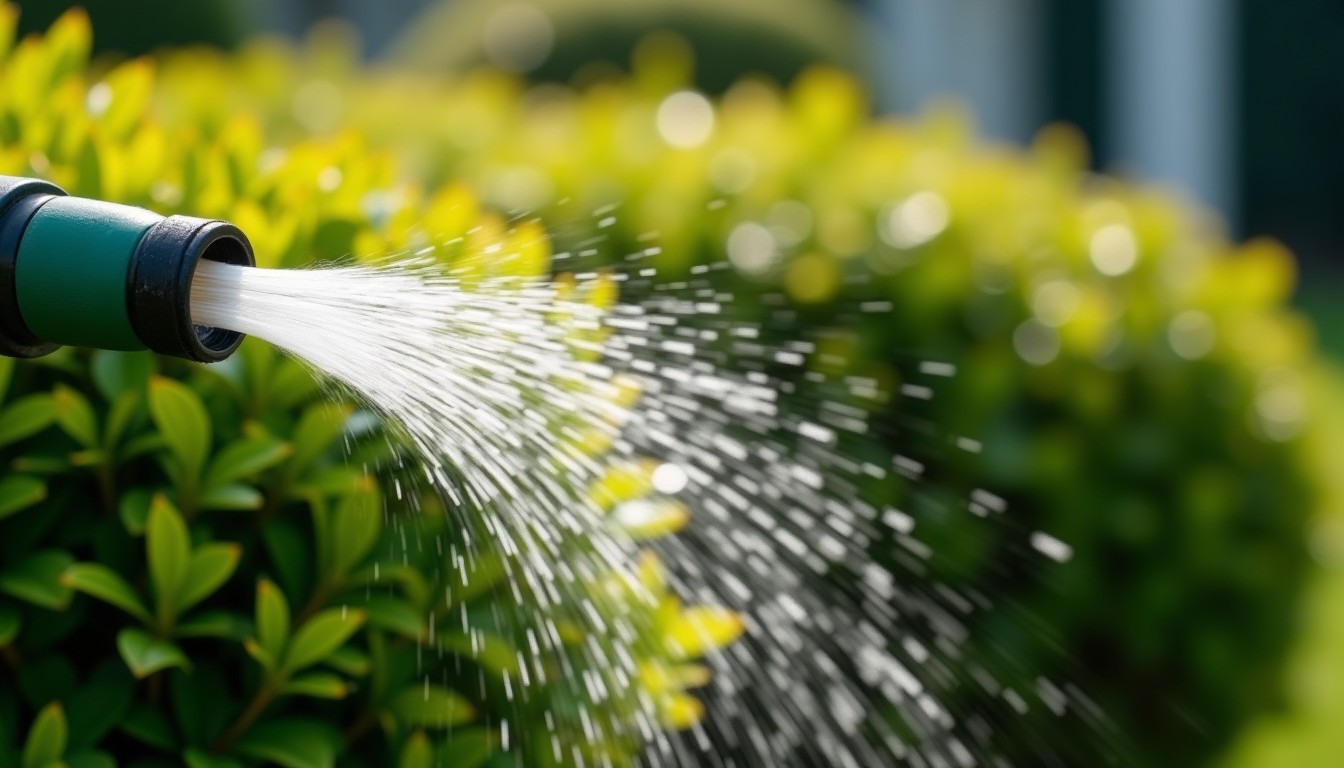
To get rid of aphids, knock them off with a strong spray of water, prune out badly infested tips, and if numbers stay high, spray a labelled insecticidal soap or horticultural oil so it wets every aphid, including under the leaves. Soaps and oils kill only on contact, so repeat them and leave the lady beetles, lacewings and tiny parasitic wasps that arrive to finish the job. Avoid broad-spectrum insecticides and heavy nitrogen fertiliser: UC IPM says both work against you, and established plants usually outgrow aphid damage.
Aphids are easy to kill and hard to keep away: UC IPM says one adult can produce up to 80 offspring in a week. The way to stop them coming back worse is to stop doing the things that remove their natural enemies or feed them soft growth, which is where most home remedies go wrong.
What kills aphids, and what each method costs you
| Method | How it works | Effect on natural enemies | Verdict |
|---|---|---|---|
| Strong water spray | Dislodges aphids; most cannot climb back | None | First step on sturdy plants |
| Pruning infested tips | Removes colonies, especially in curled leaves | None | Best where aphids are localised |
| Insecticidal soap (labelled product) | Disrupts cell membranes on contact; no residue | Kills those it hits; none afterwards | Best product choice |
| Horticultural or neem oil | Smothers on contact, usually a 1 to 2 per cent solution | Kills those it hits; none afterwards | Equal best product choice |
| Natural enemies | Lady beetles, lacewings, syrphid larvae, parasitic wasps | They are the control | Do most of the work if not sprayed |
| Ant control | Ants guard aphids from predators | Lets predators back in | Essential where ants are farming |
| Reflective silver mulch | Repels winged aphids from seedlings | None | Good for squash and melons |
| Less nitrogen fertiliser | High nitrogen favours aphid reproduction | None | Prevents the next outbreak |
| Malathion, permethrin and similar | Kill more aphids at first | Kill natural enemies too | Often leads to resurgence |
| Homemade dish soap spray | Contact kill, untested formulation | As for soap | Colorado State advises against |
Most established plants tolerate light to moderate aphid numbers, and larger populations often crash on their own, UC IPM notes, through predators, disease or the arrival of hot weather. Treatment is for seedlings, badly distorted growth, heavy honeydew, or crops where aphids spread viruses.
How to identify aphids and their damage
Aphids are soft, pear-shaped insects about 1/16 to 1/8 inch long, roughly 2 to 4 mm, according to Illinois and Maryland extension. They come in green, yellow, black, brown, red, pink or woolly white. The one feature that separates aphids from every other insect, UC IPM says, is the pair of small tubes, called cornicles, pointing backwards from the rear of the body. Most are wingless, but winged forms appear when colonies get crowded or the plant declines, which is how aphids spread to the next plant.
The signs are curled or yellowing new leaves, stunted shoots, a sticky film of honeydew on leaves, cars or patio furniture beneath, black sooty mould growing on that honeydew, and ants running up and down the stems. Check undersides of leaves at least twice a week while plants are growing quickly, UC IPM advises, paying attention to the upwind edge of the garden.
Why aphids explode, and why they come back
Aphids breed without mating for most of the year in mild climates. Females give birth to live young, often as many as 12 a day, and in warm weather a newborn can be a reproducing adult in seven to eight days. Three things make outbreaks worse:
- Too much nitrogen. UC IPM states that high levels of nitrogen fertiliser favour aphid reproduction and recommends slow-release forms in small doses. Illinois Extension gives the same advice, because nitrogen pushes the soft, sappy growth aphids prefer.
- Ants. Ants feed on honeydew and, in return, drive off the predators and parasites that would otherwise control the colony. UC IPM calls managing ants a key component of aphid management.
- Broad-spectrum sprays. Malathion, permethrin and similar products may kill more aphids at first, but they also kill the natural enemies that provide long-term control, and repeated use can select for resistance. Aphids recover faster than their predators, so the next generation arrives to a garden with nothing to stop it. We explain this resurgence effect in why a pest control company will not spray your tomatoes.
What is the best thing to kill aphids?
For most gardens, a forceful spray of water first, then a labelled insecticidal soap or horticultural oil if they persist. UC IPM says that when properly used these materials solve most aphid problems, and Colorado State lists aphids among the soft-bodied pests most susceptible to soap.
Both act only on contact. Colorado State notes that insects that cannot be completely wetted, such as aphids inside curled leaves, will not be controlled, so prune those leaves off first. Spray the undersides of leaves as well as the tops. Because soaps and oils leave no toxic residue, they kill only the aphids present on the day, which is why a second application a few days later is usually needed, and why predators moving in afterwards are unharmed.
Three cautions from UC IPM: do not spray soaps or oils on drought-stressed plants, do not spray when temperatures are above 90°F, and test on a few leaves several days before a full treatment because some plants are sensitive. Our review of neem oil covers how neem compares with other oils and what the field trials show.
What kills aphids instantly?
Nothing safe keeps them away instantly, but a soap or oil spray that soaks the colony kills the aphids it touches straight away. On a houseplant, a cotton swab dipped in rubbing alcohol wipes off and kills small colonies, as University of Kentucky’s houseplant guidance describes. A hose spray removes most of a colony in seconds, and UC IPM notes that most dislodged aphids cannot get back onto the plant.
Will Dawn dish soap kill aphids?
Dish soap will kill some aphids it wets, but extension services disagree on whether you should use it. Colorado State Extension is firm: homemade remedies from household soaps should not be used as pesticides, because they are not consistently formulated or tested, dish soaps contain detergents that can injure plants, and household soaps are of questionable legality as pesticides because they do not qualify as exempt minimum risk products. An older University of Kentucky houseplant fact sheet does describe washing broad leaves by hand with one teaspoon of mild soap per gallon of water.
The practical reading: a commercial insecticidal soap costs little more, is made from potassium salts of fatty acids for this job, and carries label directions for which plants it is safe on. Wiping a houseplant leaf with very dilute soapy water is low risk; spraying a whole vegetable bed with a strong dish soap mix risks leaf burn for no gain.
What is the best homemade aphid spray?
Plain water. A strong hose jet at the undersides of leaves, repeated every few days, is the homemade method every extension source we read recommends. UC IPM suggests spraying early in the day so plants dry quickly and are less prone to fungal disease. On delicate seedlings, rub colonies off with your fingers instead.
Garlic, pepper and onion sprays appear widely online, but we found no extension trial supporting them against aphids, and Colorado State’s caution about untested homemade mixtures applies to them too.
Let the natural enemies work
Aphids are food for a long list of predators, and in an unsprayed garden these usually turn up once aphids become numerous. UC IPM names lady beetles, lacewings, syrphid fly larvae, soldier beetles and tiny parasitic wasps.
Look for mummies before you spray
Parasitic wasps such as Aphidius, 1/8 inch (3 mm) or less, lay eggs inside aphids. Several days later the aphid becomes a crusty, puffy, golden or tan “mummy”, sometimes with a round exit hole where the new wasp emerged. UC IPM says that once you see mummies, the aphid population is likely to be reduced substantially within a week or two. Spraying at that point kills the wasps you are relying on.
Do ladybugs eat aphids?
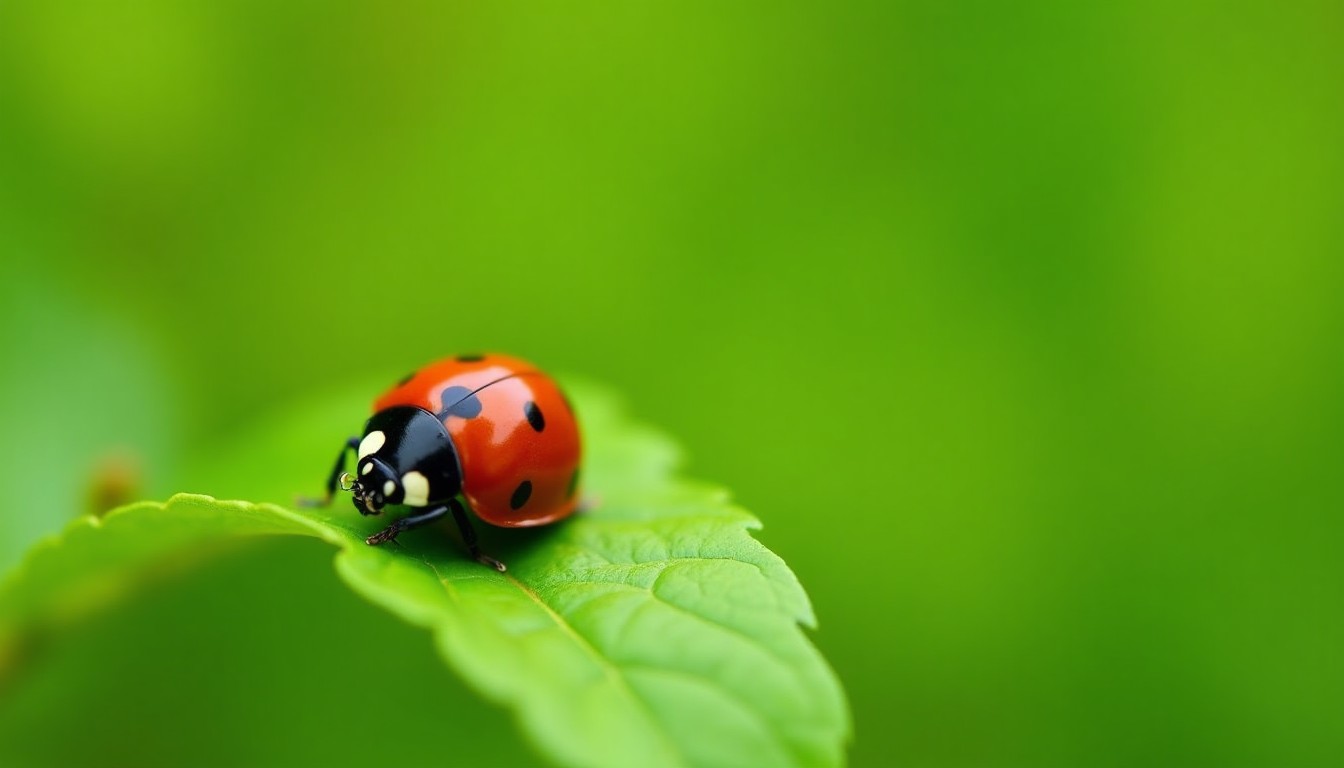
Yes, adults and larvae. The larvae look like tiny orange and black alligators, and are often mistaken for pests. UC IPM says a convergent lady beetle adult can eat about 100 aphids a day, and syrphid fly larvae eat about 100 to 400 aphids each before pupating. The often-quoted figure of 5,000 aphids in a lifetime comes from UC IPM’s page on the multicolored Asian lady beetle, a long-lived introduced species, not the native beetles sold for release.
Buying lady beetles is less useful than it looks. Commercial convergent lady beetles are collected from overwintering sites, and UC IPM says most fly away within one or two days of release even when aphids are plentiful. University of California research needed about 1,500 beetles, applied twice a week apart, to control aphids on one large, heavily infested rose bush. If you try it, release them at dusk onto plants misted with water.
Stop ants farming the aphids
Ants protect aphids for their honeydew. If you see ants climbing a shrub or tree, UC IPM recommends a band of sticky material around the trunk to stop them, applied over fabric tree wrap or duct tape rather than directly on young or thin bark. Ant bait stations on the ground are an alternative, and pruning branches that touch buildings or other plants removes ant bridges. Our guide to ant identification helps work out which ants you have.
Prevent the next outbreak
- Feed less, more slowly. Use slow-release fertiliser and never more nitrogen than the plant needs.
- Check new plants. UC IPM advises checking transplants for aphids and removing them before planting.
- Cover seedlings. Row covers protect seedlings and also prevent aphid-spread viruses, which matter on squash, cucumber, melon, bean and lettuce.
- Use reflective mulch. Silver plastic mulch repels incoming aphids and has reduced virus spread in summer squash and melons, according to UC IPM; remove it when midsummer heat could cook the plants.
- Control weeds nearby. Some aphids build up on sowthistle and mustards and move onto crop seedlings.
- Plant flowers for predators. Nectar and pollen plants support the lady beetles, lacewings and hoverflies whose larvae eat aphids.
On fruit trees, a delayed-dormant oil in early spring kills overwintering aphid eggs, UC IPM notes, though it is rarely justified for aphids alone. Systemic insecticides such as imidacloprid are effective but harm predators and pollinators; in California they are now available only to licensed professionals, and Colorado restricts their sale to licensed dealers. That makes serious tree infestations one of the few aphid jobs worth handing to a licensed professional.
When aphids peak: what the iNaturalist records show
We measured aphids’ share of all US research-grade iNaturalist records month by month, which removes the effect of more people being outdoors in summer. An index of 100 is the yearly average.
Aphid records climb from April, reach 207 in August and 199 in September, and are still above average in October at 163, then fall to around 30 from January to March. Raw records peak in August at 13,774. UC IPM notes that many species do their worst damage in late spring at 65 to 80°F, and some disappear in hot summers, so the late-summer peak in records probably reflects the many species, including showy ones on trees and ornamentals, that are most visible later in the season. These are records of when people photographed aphids, so they show seasonal activity rather than damage.
Aphids on indoor plants
Indoors there are no predators, so control is in your hands. University of Kentucky lists the options: discard easily replaced plants that are heavily infested, prune badly infested shoots, wipe colonies off with an alcohol swab, or rinse the plant with a brisk water spray strong enough to dislodge aphids but not damage the plant. Kentucky notes that only a few insecticides, including insecticidal soaps, are available for plants inside the home, and even some of those may injure certain plants, so read the label first. Keep an infested plant away from others until it is clean. Our guide to houseplant pests covers fungus gnats, spider mites, scale and mealybugs, which often turn up alongside aphids.
Outdoors, aphids and slugs often hit the same tender seedlings; if leaves have ragged holes and slime trails rather than sticky curling, see how to get rid of slugs.
Frequently asked questions
Do coffee grounds help get rid of aphids?
We found no extension or peer-reviewed trial showing that coffee grounds control aphids. Oregon State Extension describes grounds as a soil conditioner containing 1 to 2 per cent nitrogen, not a pest treatment, and warns that too many fresh grounds can slow seed germination. Since extra nitrogen favours aphid reproduction, piling grounds around an infested plant is unlikely to help. A water spray or insecticidal soap is the evidence-based option.
How do you get rid of aphids permanently?
You cannot remove aphids permanently, because winged forms fly in from other plants every season. What keeps numbers low is a garden that supports their predators: no broad-spectrum sprays, ants kept off plants, flowering plants for lady beetles and hoverflies, and slow-release rather than heavy nitrogen fertiliser. With that in place, UC IPM notes that aphid populations often decline rapidly on their own.
Is it worth buying ladybugs for aphids?
Usually not for a whole garden. UC IPM says most purchased convergent lady beetles fly away within one or two days of release, even when aphids are plentiful, although each can eat about 100 aphids a day before leaving. Controlling aphids on a single large rose bush took about 1,500 beetles released twice, a week apart. Encouraging the lady beetles already in your garden is cheaper and lasts longer.
Why are there ants on my aphid-infested plants?
Ants feed on honeydew, the sugary liquid aphids excrete, and they protect the aphids from predators and parasites in return. UC IPM treats ant control as a key part of aphid management. A sticky band on a tree or shrub trunk, applied over a wrap rather than directly on thin bark, or ant bait stations on the ground, lets the natural enemies get back to work.
Sources
- University of California Statewide IPM Program, Pest Notes: Aphids, UC ANR Publication 7404 (Flint), updated 2013, with Quick Tips.
- UC IPM Natural Enemies Gallery: convergent lady beetle, multicolored Asian lady beetle, green lacewings, syrphids, aphid midge and Aphidius parasitoids.
- Colorado State University Extension, Insect Control: Insecticidal Soap.
- University of Kentucky Entomology, ENTFACT-406, Houseplant Insect Control (Townsend).
- University of Illinois Extension, Aphid.
- University of Maryland Extension, Aphids in home gardens.
- Oregon State University Extension, Coffee grounds boost soil health, and help control slugs (Brewer).
- The Pest Control Brief analysis of iNaturalist research-grade records, pulled October 2026.