What Attracts Silverfish? Damp, Starch and Old Paper
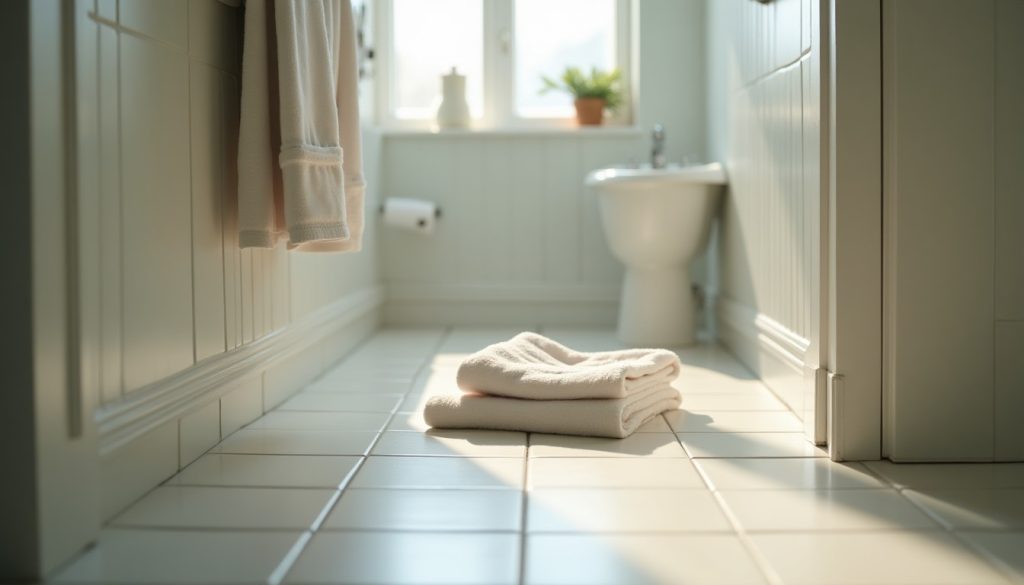
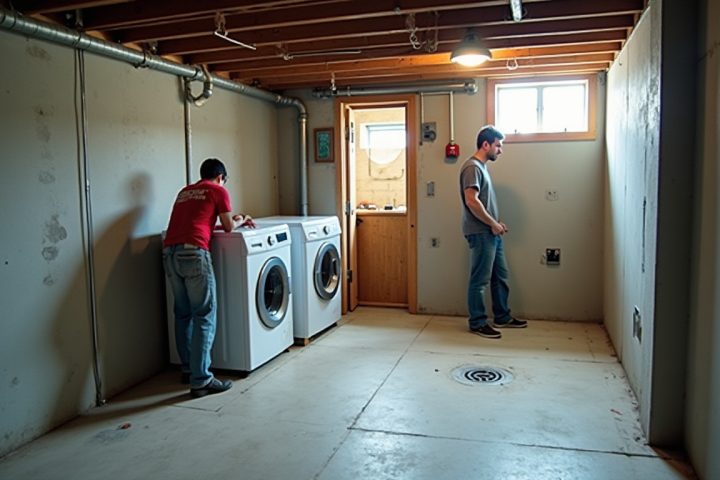
Silverfish are attracted by damp air first and starchy food second: humid bathrooms, basements and laundry rooms, plus paper, glue, book bindings, cereals, flour and household dust. UC IPM says the common silverfish prefers rooms of 71 to 90°F and, at the warmer end, needs relative humidity above 75 per cent. Dry the air, store paper and dry food sealed, and most homes see far fewer. They do not bite and do not mean a house is dirty.
Silverfish are one of the few household insects where the attractant and the cure are the same thing seen from two sides. They need moisture more than they need food, because UC IPM notes they can live for several months without nourishment. Take the moisture away and the food becomes much less of a problem.
What attracts silverfish, and the fix for each
| Attractant | Where it is in a home | Fix |
|---|---|---|
| High humidity | Bathrooms, shower stalls, laundry rooms, basements | Exhaust fan, dehumidifier, keep relative humidity under 50 per cent |
| Free water, leaks and drips | Under sinks, around tubs, plumbing runs | Repair leaks; dry wet surfaces |
| Paper with glue, paste or sizing | Bookcases, magazines, stored documents, wallpaper | Declutter; store in sealed plastic containers |
| Starch in fabric | Closets, stored linen and clothing | Store clean and sealed; check closets periodically |
| Dry foods | Pantry: cereals, flour, pasta, pet food | Containers with tight lids |
| Household dust, debris, dead insects | Corners, under appliances, storage areas | Routine cleaning and vacuuming |
| Undisturbed hiding places | Cardboard boxes, stacked papers, wall voids | Move stored items around; seal gaps around pipes |
| New building materials | New homes: fresh concrete, green lumber, wallpaper paste | Ventilate and dry out; usually eases as the house dries |
| Heat (firebrats) | Near ovens, water heaters, furnaces, hot pipes | Insulate hot pipes; reduce clutter near heat sources |
Every entry in the left column comes from extension sources. UC IPM lists dry food such as “cereals, flour, pasta, and pet food; paper with glue or paste; sizing in paper including wallpaper; book bindings; and starch in clothing,” and adds that “household dust and debris, dead insects, and certain fungi also are important sources of food.” Clemson adds glue, linen, rayon and dried meats, and NC State notes they are “particularly attracted to glazed paper” and book bindings, especially the glues in older books.

Moisture: the attractant that matters most
The single number to know is relative humidity. UC IPM says silverfish “live and develop in damp, warm places, preferring areas such as laundry rooms that are 71° to 90°F. At higher temperatures, the relative humidity must be above 75%.” It also notes that “ventilation from fans can reduce relative humidity to a point that is intolerable to silverfish.”
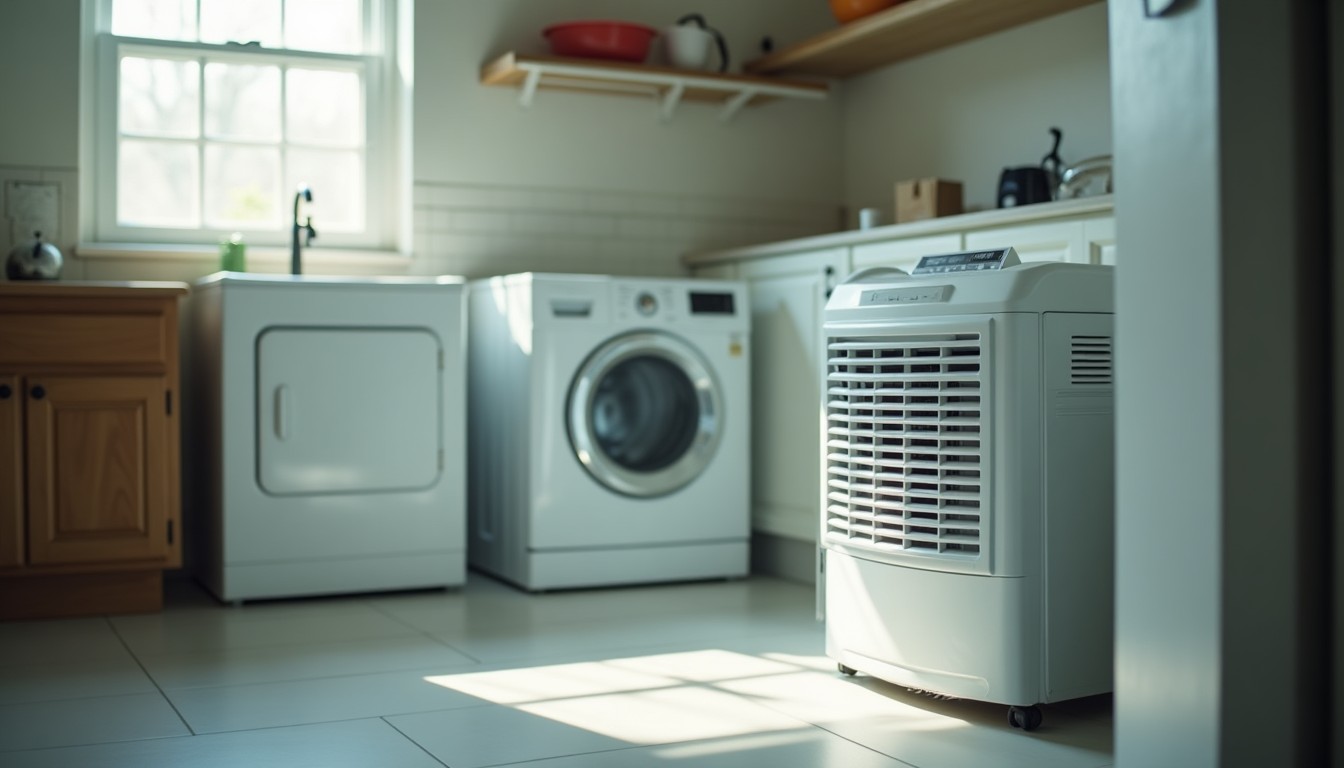
The US EPA, writing about mould, advises keeping indoor humidity below 60 per cent and ideally between 30 and 50 per cent, measured with an inexpensive humidity meter. That band sits far below what silverfish need to thrive, which is why a dehumidifier is the most useful single purchase for a silverfish problem.
One caution. Pest control pages quote very different humidity figures, from “above 75 per cent” to “55 to 70 per cent.” Both can be right, because they describe different insects. The firebrat, the silverfish’s heat-loving cousin, thrives in places “with a relative humidity as low as 30% and temperatures above 90°F,” according to UC IPM. And the grey silverfish, Ctenolepisma longicaudatum, can “tolerate low indoor humidity and temperature levels,” according to a 2021 study in the journal Insects by Kulma and colleagues, who link its spread in Europe to insulation and central heating. Drying the air still helps, but it is less decisive against these two.
Which silverfish people actually find: our data
We counted US research-grade iNaturalist records of silverfish (family Lepismatidae). Of 6,872 records, 4,646, about two thirds, were in the genus Ctenolepisma, the group that includes the grey silverfish, rather than the classic common silverfish that most humidity advice was written for.
These are records of where people photographed and identified silverfish, not a census of infestations, and they skew towards insects someone bothered to upload. Still, if a dehumidifier has not solved your problem, the species may be part of the reason, and the other measures in this guide (sealed storage, decluttering, sealing gaps) matter more.
Do silverfish mean your house is dirty?
No. Silverfish are a moisture and storage problem more than a cleanliness problem. Clemson notes they are “typically brought into a home in food, books, paper, starched clothing and furniture,” that populations “tend to increase slowly,” and that a large population usually indicates a long-standing infestation, not a messy one. UC IPM adds that large numbers can invade new homes from surrounding wild areas, especially as those areas dry out in summer, and that freshly laid concrete and green lumber supply humidity while wallpaper paste provides food. Spotless new houses get silverfish.
Cleaning still helps, because UC IPM counts household dust and debris among their important foods and says routine cleaning “will help provide effective control.” But a damp basement in a clean house will attract more silverfish than a dry, dusty attic.
What attracts silverfish to your bed or bedroom?
Beds are not a silverfish food source. Silverfish forage widely at night: UC IPM notes they “can travel long distances while looking for food,” which makes the source hard to pinpoint. A silverfish on a bed or bedroom floor has usually wandered from somewhere damper, such as an adjoining bathroom, a closet against an outside wall, or boxes of papers and books stored under the bed. Check those first.
If what you are finding in bed is small, reddish brown and oval rather than silvery and tapered, it is not a silverfish, and it is worth checking for bed bugs. Tiny pale insects on books or damp walls are often booklice, covered in tiny white bugs in the house.
Identifying silverfish and firebrats
UC IPM describes the common silverfish as shiny, silver or pearl grey, about 1/2 inch long and up to 3/4 inch, tapering to three long tail bristles. The firebrat is about 1/2 inch, mottled grey or brown. Newly hatched nymphs are about 1/16 inch, white and without scales. If you find shiny, dust-like scales around damaged paper, UC IPM says that is a good sign these insects are responsible.
| Silverfish | Firebrat | |
|---|---|---|
| Colour | Shiny silver or pearl grey | Mottled grey or brown |
| Adult length | About 1/2 inch, up to 3/4 inch | About 1/2 inch |
| Preferred temperature | 71 to 90°F | Above 90°F; optimum 98 to 102°F |
| Humidity | Above 75 per cent at higher temperatures | As low as 30 per cent |
| Typical spots | Bathrooms, basements, laundry rooms, bookshelves | Ovens, furnaces, fireplaces, water heaters, hot pipes, summer attics |
| Eggs hatch in | 19 to 32 days | About 14 days |
Temperature changes everything about their pace. UC IPM gives silverfish as little as 60 days to reach adulthood above 75°F and as long as 500 days below 50°F. Sources differ on lifespan: UC IPM says silverfish live about 3 years, while Clemson and NC State say adults may live two to eight years.

Why do silverfish suddenly appear?
Usually one of four things has changed:
- A moisture event. A leak, a broken bathroom fan, a wet basement after rain, or a humid spell. UC IPM notes adults cluster around damp areas when mating.
- The outdoors dried out. UC IPM says large numbers can move into homes from surrounding wild areas as they dry in summer; our guide to bugs in the house after rain covers the opposite trigger.
- Something new came in. Boxes, books, second-hand furniture or stored paper from a damp garage or storage unit.
- They became visible. Silverfish are nocturnal and hide by day, so they often appear “suddenly” when a box is moved or one falls into a bath or sink. UC IPM explains that they cannot crawl up through the drain; they fall in and cannot climb the slippery sides. Our guide to bugs in the bathroom covers the drain question in detail.
When silverfish are noticed
Our analysis of US iNaturalist records shows silverfish running well above their usual share of records from November to March, peaking at 161 in February, and falling to about 65 through the summer. Raw record counts tell a slightly different story: the busiest month was April, with 791 records. Silverfish live indoors year round, so the winter rise mostly reflects people noticing indoor insects when little else is about, not a winter breeding surge.
Are silverfish harmful?
Not to people. UC IPM notes they have very weak jaws that scrape, rather than bite, the surface of paper. The damage is to things: irregular holes and notched edges in paper, grazed book bindings, yellowing and fungal staining on pages, and damage to starched fabric. Clemson describes feeding signs as “irregularly chewed patches.” Valuable documents, photographs and books in a damp basement are the real risk.
A silverfish population can also feed predators: Penn State lists silverfish and firebrats first among house centipede prey, which is why the two often turn up together; see our guide to house centipedes.
How can you get rid of silverfish?
- Measure and lower the humidity. Run a dehumidifier in basements and closed rooms and fix bathroom extraction. Aim for the EPA’s 30 to 50 per cent band.
- Repair leaks and drips, and patch gaps around pipes and conduits, as UC IPM advises.
- Remove food and shelter. Clear old stacks of newspapers, magazines and boxes; store papers, photos and fabric in airtight plastic containers; keep dry food, including pet food, in containers with tight lids. Our pantry pests guide covers food storage.
- Monitor. UC IPM suggests cockroach sticky traps, or small glass jars wrapped in masking tape on the outside: silverfish climb the tape, fall in and cannot climb the glass.
- Treat only if needed. UC IPM says insecticides “aren’t required to control light infestations” and “won’t be effective unless you also remove the moisture, food, and hiding places.” Follow every label. Sources disagree on baits: UC IPM says they are not very successful because silverfish tend not to feed on them, while NC State says some boric acid baits used in museums work well in homes when used properly. NC State also notes that fogging attics rarely works.
- Call a professional when silverfish are damaging valuable papers or fabric, live in wall voids or attics you cannot reach, or persist after the house has been dried out. Our guide to silverfish and other moisture pests sets out what treatment costs and when it is worth paying for.
Silverfish are one of several pests that point to the same damp rooms. If you are also seeing other insects downstairs, see bugs in the basement; if small flies are the problem, see what attracts gnats.
Frequently asked questions
Should you kill silverfish?
You can, and it does no harm, but killing the ones you see rarely solves anything. Silverfish are nocturnal and hide by day, so the individuals you spot are a small part of the population. UC IPM says light infestations do not need insecticides and can be managed by reducing water sources and physical control. Drying the room and removing paper and starch sources does more than any single kill. Silverfish do not bite people.
Why do silverfish suddenly appear?
Usually because something changed: a leak, a failed bathroom fan, a damp spell, or boxes and books brought in from damp storage. UC IPM also notes large numbers can move into homes from surrounding wild areas as those dry out in summer, and that new homes attract them through damp concrete and green lumber. Often they were there all along and became visible when something was moved or one fell into a sink.
How can you get rid of silverfish?
Lower the humidity with a dehumidifier and working exhaust fans, repair leaks, and remove what they eat and hide in: stacked paper, cardboard boxes, starched fabric and unsealed dry food. Store keepsakes in airtight plastic containers. Use sticky traps to find the hot spots. UC IPM reserves insecticides for large infestations and says they will not work unless moisture, food and hiding places are also removed. Follow the label on any product.
What makes silverfish stay away?
Dry air is the most reliable deterrent, because UC IPM says fan ventilation can lower humidity to a point silverfish cannot tolerate. Sealed storage, fewer paper piles and regular cleaning remove their food. We found no extension evidence that any scent keeps them away. NC State mentions mothballs in sealed storage boxes, but mothballs are pesticides with strict label rules; read our guide on whether mothballs are dangerous first.
Do silverfish mean your house is dirty?
No. Silverfish follow moisture and paper, not dirt. Clemson says they are usually brought in with food, books, paper, starched clothing and furniture, and UC IPM notes they readily invade brand new homes, where damp concrete and green lumber supply humidity. Household dust is one of their foods, so cleaning helps, but a dry house with some dust will usually have fewer silverfish than a clean house with a damp basement.
Sources
- University of California Statewide IPM Program, Pest Notes: Silverfish and Firebrats, UC ANR Publication 7475, M. K. Rust and M. R. Millard.
- Clemson University Home and Garden Information Center, Silverfish and Firebrats, HGIC 2443, E. P. Benson, J. M. Scott and P. A. Zungoli.
- NC State Extension, Silverfish and Firebrats, M. Waldvogel, P. Alder and C. Hayes.
- Penn State Extension, House Centipedes, S. Jacobs (2013, reviewed 2023).
- US Environmental Protection Agency, A Brief Guide to Mold, Moisture and Your Home.
- Kulma, M., Bubová, T., Davies, M. P., Boiocchi, F. and Patoka, J., Ctenolepisma longicaudatum Escherich (1905) Became a Common Pest in Europe: Case Studies from Czechia and the United Kingdom, Insects 12: 810 (2021).
- The Pest Control Brief analysis of iNaturalist research-grade records, pulled October 2026.