Bugs in the Basement: What the Ones You Find Are Telling You
The bugs in a basement are almost always moisture animals, so the list doubles as a damp report: camel crickets, house centipedes, millipedes, pill bugs and sowbugs, silverfish, springtails and booklice all need humid air or wet surfaces, and the spiders in the corners are there to eat them. Large cockroaches and small fuzzy flies near the floor drain point to a dry drain trap. Drying the air to below 50 per cent relative humidity, sealing gaps at floor level and keeping water in the floor drain usually does more than any spray.
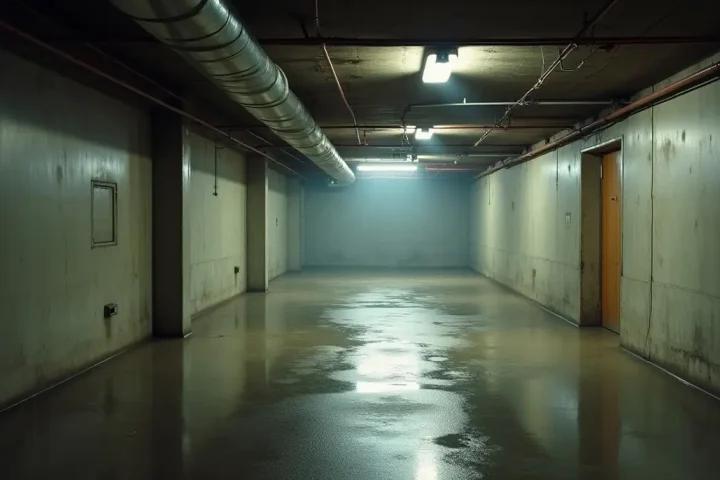
Basements are cool, dark and often damp, which is exactly what this group of animals is looking for. Most of them are not infesting the house in the usual sense. They wander in from damp soil outside, or live in the gap between the foundation and the ground, and the basement is simply the first room they reach. What you find, and where, tells you where the water and the gaps are.
What you found and what it is telling you
| Bug | Size | Where in the basement | What it points to |
|---|---|---|---|
| Camel cricket | 1/2 to 1 1/4 inches, humpbacked, long legs | Floor, walls, sump area, stored boxes | Damp air and gaps at floor level |
| House centipede | Body 1 to 1.5 inches, 15 pairs of legs | Walls and floor at night | Damp harbourage plus insect prey |
| Millipede | Common invaders 1 to 1.5 inches, curls up | Floor along the outside walls, often dead | Damp soil and mulch outside the foundation |
| Pill bug or sowbug | 1/2 to 3/4 inch, grey, oval | Floor edges, near doors and window wells | Wet ground outside; dries out and dies indoors |
| Silverfish | About 1/2 inch, silvery | Stored paper, cardboard, laundry area | Humid air and starchy things to eat |
| Springtail | About 1/16 inch, jumps | Around floor drains, damp floors | Wet surfaces |
| Booklouse or mould mite | Booklouse about 1/25 inch | Damp boxes, books, mouldy surfaces | Humidity high enough to grow mould |
| Cellar spider | Varies | Ceiling corners, joists | Enough insects to feed on |
| American or oriental cockroach | About 1 to 1.5 inches | Floor drain, sump, laundry area | A path from the sewer or damp outside |
| Drain fly | 1/16 to 1/4 inch, fuzzy | Walls near the floor drain or laundry sink | Organic slime in a drain |
Sizes from University of Maryland Extension (crickets, millipedes, pill bugs), Penn State (house centipedes), UC IPM (silverfish, springtails), Clemson (booklice, drain flies) and University of Kentucky (cockroaches).
Bugs in the basement with lots of legs
House centipedes
Penn State describes adult house centipedes as having 15 pairs of long, banded legs and a body one to one and a half inches long, which reads as three to four inches overall with legs and antennae. They spend the day in dark, damp places and come out at night to hunt silverfish, firebrats, carpet beetle larvae, cockroaches and spiders. Penn State lists their favourite basement harbourage: beneath concrete slabs, entering through expansion cracks and around sump openings; inside cement block walls; in floor drains without water traps, especially those connected to dry sumps; and in damp crawl spaces. Seeing them often, it adds, means some prey insect is abundant. They are harmless to people in normal circumstances; our house centipede guide goes further.
Millipedes
Millipedes have two pairs of short legs on almost every body segment and curl into a spiral when disturbed or dead. Maryland Extension says the common household invaders are brown and 1 to 1 1/2 inches long. Iowa State is clear that millipedes cannot reproduce indoors: all of them wandered in, usually to the garage, basement or lowest level, and they usually die in a short time indoors because of the dryness. Sweeping or vacuuming them up is the practical answer, and indoor insecticides give little if any benefit. Our guide to millipedes in the house covers the mass migrations after rain.
Pill bugs and sowbugs in the basement
These grey, armoured animals are crustaceans, not insects. Maryland Extension gives their length as 1/2 to 3/4 inch, notes that sowbugs have two small tail-like appendages and pill bugs do not, and says they may invade damp basements and first floors but typically dry out quickly and die indoors. Iowa State adds that dark, damp parts of a house can occasionally become breeding sites, though indoor finds are usually accidental invaders. Their presence on a basement floor says the ground outside the wall is wet: think mulch, leaf litter, boards or stones against the foundation. See our guide to woodlice and sowbugs for the full picture.
Crickets in the basement
A humpbacked, wingless, silent cricket that jumps at you from the basement floor is a camel cricket. Maryland Extension describes them as light tan to dark brown, 13 to 33 mm (1/2 to 1 1/4 inches) long, with extremely long antennae and back legs, and says their need for dark, moist places almost always restricts them to damp basements and crawl spaces. Its advice is short: solving high moisture problems in your basement will greatly reduce or eliminate camel crickets, by fixing leaks, dehumidifying and using sticky traps. NC State adds that a telltale sign of heavy numbers is dark faecal smears on surfaces such as floor joists, and that they can damage garments and linens stored in boxes if the problem goes unchecked. If the cricket chirps, it is a house or field cricket instead; our guide to house and camel crickets explains the difference and why most camel crickets in US houses are an introduced Asian species.
Tiny bugs in the basement
Specks you can barely see are usually springtails, booklice or mould mites, and all three are humidity indicators. UC IPM says springtails, about 1/16 inch long, occur around floor drains, in damp basements, crawl spaces and wall voids, and soon die indoors unless they find moisture. Clemson describes booklice as yellowish to buff, wingless and about 1/25 inch long, feeding on mould; they do best at 75 to 90 per cent relative humidity. Iowa State says mould mites feed on moulds and fungi and that the common characteristic of every infestation is high humidity, so spraying without correcting the moisture gives only temporary control.
Silverfish fall into the same family of problems. UC IPM advises keeping basements, laundry rooms and bathrooms clean and dry, notes that stored magazines, papers and books provide both food and shelter, and says dehumidifiers in closed spaces help discourage them. Our guide to silverfish and other moisture pests covers when treatment is worth paying for.
Spiders: the predators of all of the above
Clemson notes that cellar spiders take their name from where they are usually found, damp cellars, basements and crawl spaces, and build loose, haphazard webs in corners to catch insect prey. Lowering relative humidity may help get rid of them, Clemson says, because lower humidity deters the insects they feed on. In other words, a basement full of webs is a basement full of food for spiders. Sweeping webs away with a broom or vacuum handles the spiders you see; drying the room handles the reason they are there. If a spider worries you, our spider identification guide shows which ones matter.
Bugs in the basement floor drain
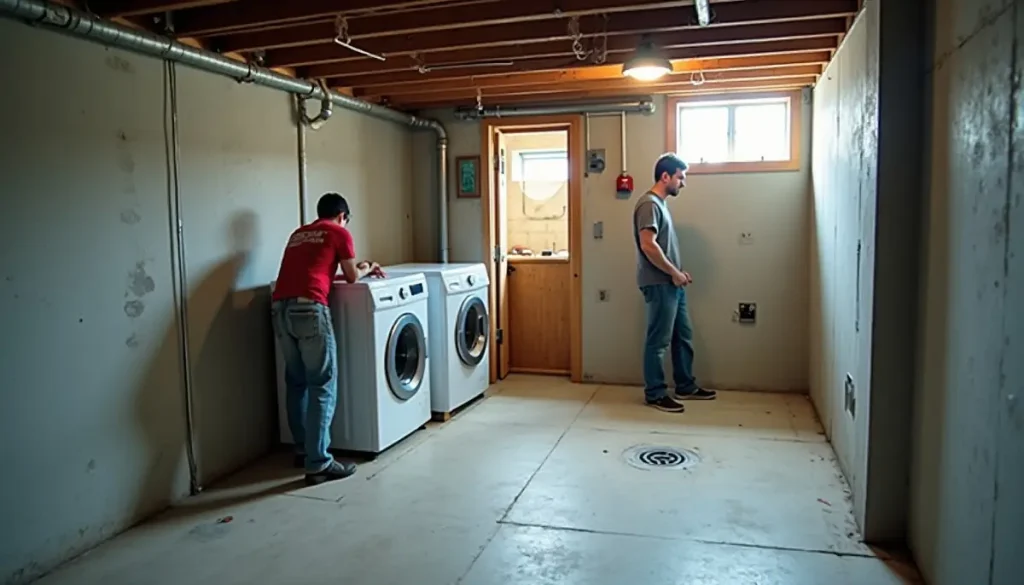
The floor drain is the one place a basement connects directly to the sewer. Kentucky entomologists note that American cockroaches often congregate in floor drains, sump pumps, pipe chases and laundry areas, and that oriental cockroaches, about 1 inch long and shiny black or dark brown, often live in floor drains and sump pumps in cellars and basements. Iowa State lists floor drains among the places drain flies breed, Penn State names floor drains without water traps as house centipede harbourage, and UC IPM finds springtails around floor drains.
The drain’s protection is the water sitting in its U-shaped trap. Cornell’s New York State IPM programme explains that this water seal keeps sewer gases out and deters pests from using pipes, and that problems arise when drains are used so rarely that the water evaporates, or when they are clogged with debris.
- Refill the trap. Cornell’s fix for a dried trap is simply to pour water down the drain until the trap is full, and to check it regularly, for example each time the floor is cleaned.
- Clear the drain. Cornell advises cleaning clogged drains with a drain brush or shop vacuum and flushing with water; Iowa State says the same physical cleaning is the only effective way to remove drain fly breeding film.
- Screen it. Penn State suggests installing window screen in basement floor drains to stop centipedes entering from dry sumps, and sealing sump pump covers with screen and caulk.
- Cap anything unused. Cornell notes that a cut, unused pipe should be capped for a permanent seal.
Dry the basement to below 50 per cent
The US EPA advises keeping indoor relative humidity below 60 per cent and ideally between 30 and 50 per cent, and suggests an inexpensive humidity meter to check. The lower end of that range is where the insects give up. Clemson says holding humidity below 50 per cent directly kills booklice and prevents most mould growth. Penn State lists dehumidifiers as a management step for house centipedes, Maryland Extension for camel crickets, and UC IPM for silverfish. The EPA also advises sloping the ground away from the foundation so water does not collect against it, and drying any water damage within 24 to 48 hours to prevent mould.
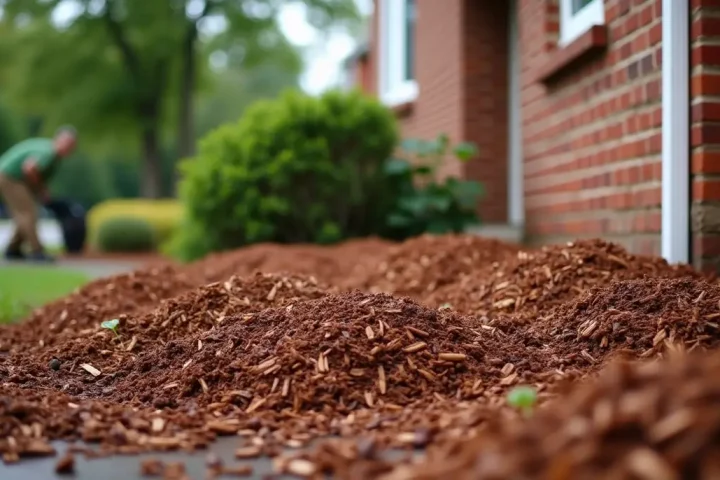
Outside, the same logic applies. Iowa State recommends sealing cracks and gaps in foundation walls and around windows and doors, removing mulch and dead leaves from against the house and correcting damp conditions around the foundation. NC State suggests keeping mulch and ground cover at least 12 inches from the foundation.
Trap and count to find the way in
Sticky traps are the cheapest diagnostic tool for a basement. UC IPM recommends numbering traps, placing them in all corners of a room to show where insects are entering, and checking them daily for several days; NC State and Maryland recommend sticky boards for camel crickets, and Penn State suggests sticky monitors to find out what house centipedes are eating.
- Set numbered traps flat against the walls in every corner, beside the floor drain and sump, at the foot of the stairs, under the outside door and beneath each window well.
- Record catches by trap and by species for a week.
- The trap with the most catches is usually next to the entry point or the wettest spot. Seal that gap or fix that leak, then reset the traps and compare.
Most basement bugs are a DIY problem of moisture and gaps. A licensed professional earns the fee when the source is structural: a leak under a slab, a broken sewer line, persistent cockroaches from the drain system, or anything that looks like wood damage, which our wood damage identification guide helps you check. If the same animals keep turning up upstairs, compare notes with our guide to bugs in the bathroom, the other damp room in the house.
What the sightings data show
Our analysis of iNaturalist research-grade records shows when three typical basement animals are most often recorded. The index is each group’s share of all research-grade records that month, scaled so the yearly average is 100.
Camel cricket records peak sharply in autumn, at 172 in October and 250 in November, against a low of 48 in April. House centipede records reach 168 in both October and November and fall to 44 in January. Millipedes are flatter, peaking at 128 in May and 126 in June. These are records of when people photographed and identified these animals, mostly outdoors, so they show seasonality of sightings rather than basement infestations.
Geography matters too. Pennsylvania has 1,797 research-grade house centipede records and 466 camel cricket records. Florida, despite having more insect records overall, has 5 and 1 respectively, and Texas sits between with 329 and 52. Like the monthly index, these counts reflect where people photograph and identify animals, not infestation rates.
Frequently asked questions
Why do I have so many bugs in my basement?
Because basements are cool, dark and damp, and most basement bugs, including camel crickets, centipedes, millipedes, pill bugs, silverfish and springtails, depend on moisture. Most wander in from wet soil outside through gaps at floor level. Holding humidity below 50 per cent, sealing foundation gaps and moving mulch back from the walls usually reduces them more than any insecticide.
What are the bugs with lots of legs in my basement?
A fast runner with 15 pairs of long, banded legs is a house centipede, which hunts other insects at night. A slow, rounded, brown animal with two pairs of short legs on each segment that curls up is a millipede, which has wandered in from damp soil and usually dies indoors. A grey, oval, armoured animal is a pill bug or sowbug.
Why are there crickets in my basement?
Humpbacked, wingless, silent crickets are camel crickets, which Maryland Extension says are almost always restricted to damp basements and crawl spaces by their need for dark, moist places. Fixing leaks, running a dehumidifier and setting sticky traps along the walls is the recommended approach. Chirping crickets are house or field crickets, which enter through gaps at doors and windows.
Can bugs come up through a basement floor drain?
Yes, when the trap is dry or damaged. American and oriental cockroaches often live in floor drains and sumps, drain flies breed in drain slime, and Penn State lists floor drains without water traps as house centipede harbourage. Cornell’s IPM programme advises pouring water down rarely used floor drains until the trap is full, keeping them clear, and capping unused pipes.
Are pill bugs in the basement a problem?
Not usually. Pill bugs and sowbugs are crustaceans that need moisture, and Maryland Extension notes they dry out quickly and die indoors. Their presence means the ground outside the foundation is wet. Sweep them up, move mulch, leaves and boards away from the walls, seal cracks at floor level and improve basement ventilation. Spraying indoors is rarely needed.
Sources
- University of Maryland Extension: Crickets; Pillbugs and Sowbugs; Millipedes.
- NC State Extension, Camel Crickets.
- Penn State Extension, House Centipedes (reviewed 2023, updated 2026).
- Iowa State University Extension and Outreach, Yard and Garden: Millipedes; Sowbugs and Pillbugs; Mold Mites; Moth Fly (2016).
- University of California Statewide IPM Program, Pest Notes: Springtails; Silverfish and Firebrats; Cockroaches.
- Clemson Cooperative Extension, Home and Garden Information Center: Booklice; Cellar Spiders; Moth Flies (Drain Flies).
- University of Kentucky Entomology, Cockroach Elimination in Homes and Apartments (ENTFACT-614).
- Cornell University, New York State IPM Program, Fighting Waterbugs with Water (2016).
- US Environmental Protection Agency, A Brief Guide to Mold, Moisture and Your Home.
- The Pest Control Brief analysis of iNaturalist research-grade records, pulled October 2026.