Is a Quarterly Pest Control Plan Worth It in 2026?
Quarterly plans cost $40 to $150 per visit against $100 to $300 one-off. The per-visit price is lower for a structural reason, not as a discount.
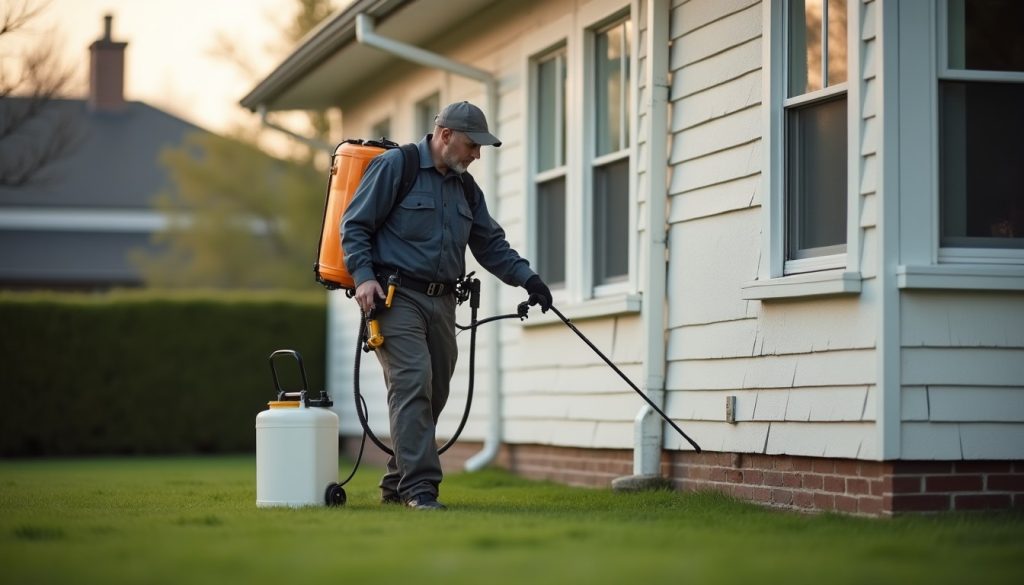
A quarterly pest control plan costs $40 to $150 per visit, roughly $44 a month averaged annually, against $100 to $300 for a single one-off treatment. The plan is cheaper per visit for a structural reason rather than as a discount: on a recurring route the technician is already travelling to your area, so the drive time is spread across several stops.
Whether a plan is worth it comes down to one question that quotes rarely frame honestly: are you buying treatment, or are you buying monitoring? Those are different products and they suit different situations.
What a plan costs against paying per call
| Quarterly plan | One-off treatment | |
|---|---|---|
| Price per visit | $40 to $150 | $100 to $300 |
| Annual cost, typical | Around $528 at $44 a month | Varies with call frequency |
| Visits per year | 4 | As needed |
| Callbacks between visits | Often included | Charged separately |
| Best suited to | Recurring seasonal pressure | A specific, resolved problem |
Contractor-reported ranges compiled by home services marketplaces in 2026. There is no federal price index for pest control services.
Why the per-visit price is genuinely lower
This is not a loyalty discount. It is route economics, and the numbers behind it are public.
Industry-wide, each pest control employee must generate about $139,825 of revenue a year, roughly $560 per working day, and payroll consumes 36% of revenue. A technician hits that number by completing enough stops per day, and stops per day depends on how close together customers are.
On a recurring route your house sits between other scheduled stops, so the marginal cost of serving you is small. A one-off call carries the whole journey. That is why a $45 recurring visit and a $250 one-off can both be profitable, and why companies push plans harder than single treatments. Our breakdown of how pest control services are priced works through the arithmetic.
When a plan is worth it
- You live in a high-pressure region. Warm humid states carry year-round activity. Florida has 9.85 pest control establishments per 100,000 residents against Minnesota’s 1.80, and that supply reflects genuine demand.
- You have recurring seasonal pests. Ants, spiders and perimeter-invading insects respond well to scheduled exterior treatment.
- Your property has structural exposure. Crawlspaces, mature landscaping against the foundation, or a wooded boundary.
- You want the callback provision. The unlimited return visit between services is often the most valuable term in the contract.
- You would not notice early activity yourself. Rental property and second homes benefit from scheduled eyes on the building.
When it is not
- You had one specific problem and it is resolved. A single wasp nest or a one-off rodent entry does not need four annual visits.
- You are in a low-pressure northern market with a short season and no history of activity.
- The plan excludes what you actually have. Many general plans exclude termites, bed bugs, carpenter ants and wildlife, which are the expensive problems.
- The value is monitoring you do not need. If you would spot activity yourself and call, paying for scheduled attendance may not add much.
The exclusions that matter most
A general pest plan is not comprehensive cover, and the gap between what people assume and what is written is where disputes happen.
| Usually included | Usually excluded, priced separately |
|---|---|
| Nuisance ants | Termites |
| Spiders | Bed bugs |
| Cockroaches | Carpenter ants, in many plans |
| Perimeter invaders | Wildlife and rodent exclusion work |
| Wasp nests, sometimes | Mosquito programmes |
Termites in particular are almost always a separate agreement with its own warranty, covered in our guide to termite treatment costs. Assuming a general plan covers them is a common and expensive error.
Questions to ask before signing
- Which pests are covered, by name, and which are excluded.
- Are callbacks between scheduled visits free, and is there a limit.
- Is there a minimum term, and what happens if you cancel early. Some plans reprice at one-off rates.
- Does it auto-renew, and what notice is needed to stop it.
- What does a visit actually involve in time and scope, interior and exterior.
- Does the price escalate after year one.
Verify the licence before signing either way. Our guide to checking a pest control company explains the tiers.
Frequently asked questions
Is a quarterly pest control plan worth it?
It depends on pest pressure where you live and whether you value the callback provision. Plans cost $40 to $150 per visit against $100 to $300 for one-off treatment, so they suit recurring seasonal pressure. For a single resolved problem in a low-pressure region, paying per call is often more sensible.
How much is quarterly pest control per month?
Quarterly plans average around $44 a month when spread annually, with per-visit pricing between $40 and $150. Actual cost depends on property size, region and which pests are covered. Compare per-visit prices rather than headline monthly figures, since visit frequency varies between plans.
Does a pest control plan cover termites?
Usually not. Termites are almost always a separate agreement with its own warranty structure, as are bed bugs, wildlife work and often carpenter ants. General plans typically cover nuisance ants, spiders, cockroaches and perimeter invaders. Ask for the covered pests by name before assuming.
Why is a recurring visit cheaper than a one-off treatment?
Route economics rather than a discount. Each technician must generate about $560 of revenue per working day, achieved through enough stops. On a recurring route your property sits between other scheduled stops so the drive time is shared, while a one-off call carries the entire journey.
Sources
- U.S. Census Bureau, Statistics of U.S. Businesses 2022, NAICS 561710, for revenue per employee and payroll share.
- U.S. Census Bureau, County Business Patterns 2023, NAICS 561710, for establishment density by state.
- Contractor-reported price ranges compiled by home services marketplaces, 2026. Sample sizes and methods are not published by those sources.