Earwigs: The Ear Myth and What They Actually Do
Earwigs do not crawl into human ears, and Penn State Extension states it plainly. The name is Old English, earwicga, ear plus insect, and it predates the year 1000. Exactly one modern clinical case exists of an earwig found in an external ear canal, published in 2021, with no damage and no hearing loss. The forceps at the rear are used for defence, prey capture and folding the hindwings. They are moisture-driven insects that come indoors when outdoor conditions turn against them.
Few household insects carry a worse reputation on thinner evidence. The useful version of this page separates the folklore from the two things about earwigs that actually matter to a property: what the forceps can and cannot do, and what their presence says about moisture.
The ear story
The name is genuinely ancient. Old English earwicga combines ear and insect, and the earliest examples in the Oxford English Dictionary date to around AD 1000. The belief it encodes, that these insects enter the ear and bore into the brain, is false and has been contradicted by entomologists for well over a century.
Honesty requires one qualification. In 2021 a case report in Cureus documented an earwig imaged in the external auditory canal of a 24-year-old, removed without canal damage or hearing loss, and the authors noted that no previous report had demonstrated one in the ear canal. So it has happened once in the documented literature, in the outer ear, harmlessly. Any insect can wander into an ear; nothing about earwigs makes them prone to it, and nothing bores anywhere.
An alternative origin is sometimes offered, that the name describes the ear-shaped hindwing. We could not verify that claim against a primary source and would not repeat it as fact.
What the forceps are for
The cerci, the pincers at the rear, do several real jobs: defence, capturing prey, folding the membranous hindwings back under the short wing covers, courtship and contests between males, and grooming. The wing-folding function is the one that surprises people, since most never see an earwig fly.
Can they pinch a person? University of California IPM says yes, if one is trapped against skin or sat on. The honest answer is “yes, but”, not “never”. It does not break skin in any meaningful way, there is no venom, and no medical consequence follows. Nobody needs treatment for an earwig pinch.
Predator as much as pest
Earwigs are omnivores, and University of California IPM identifies them as important predators of aphids. One species common in southern California, Labidura riparia, does not damage plants at all.
Against that, they do cause real if usually minor plant damage: seedlings, strawberries, raspberries, apricots and sweet corn silk, where feeding on the silk can prevent pollination. The leaf damage resembles slug damage without the slime trail, which is the practical way to tell them apart in a garden.
They do not cause structural damage, do not damage fabrics, do not contaminate stored food in any serious way and transmit no disease. As with the house centipede, the ledger is more mixed than the reputation suggests.
Why they are in the house
Moisture, in both directions. Earwigs need damp conditions and shelter, and they come indoors when outside becomes too dry, too hot or too cold. A hot dry spell drives them toward the damp perimeter of a building, and they turn up under door thresholds, in bathrooms, basements and around leaking plumbing.
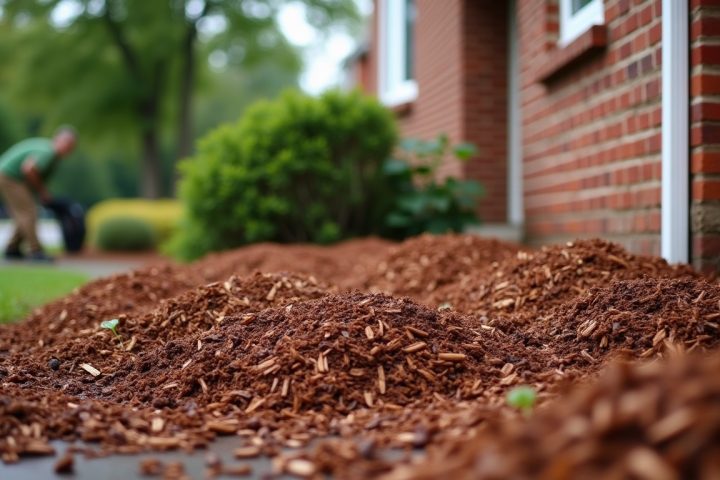
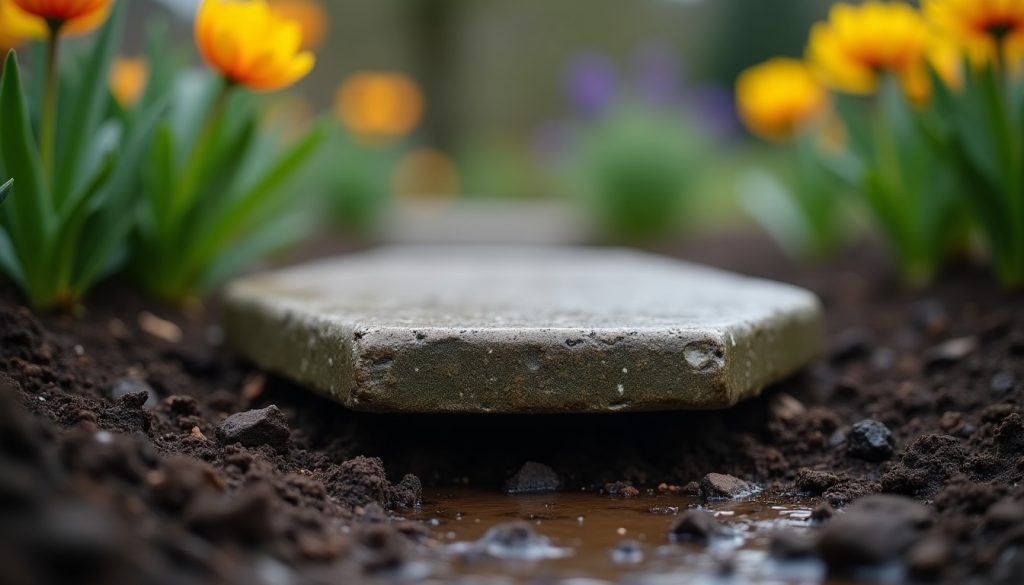
They spend the day in dark, tight, damp harbourage: under mulch, stones, boards, flowerpots, in leaf litter and beneath deck boards. They feed at night. So the population is outdoors and the ones inside are, again, arrivals rather than residents.
One genuinely unusual behaviour is worth knowing because it explains why they cluster: earwig mothers guard their eggs and then the first-instar young, which is uncommon among insects. One generation a year, 30 to 55 eggs.
What to do about them
- Move the harbourage away from the wall. Mulch depth, boards, stones, pots and leaf litter against the foundation are where the population lives. This does more than any product.
- Fix the damp. Gutter discharge at the foundation, poor grading, a dripping tap or an unvented crawlspace keeps the perimeter hospitable.
- Adjust irrigation. Watering in the morning rather than the evening leaves the perimeter drier overnight, when earwigs are active.
- Seal ground-level gaps, particularly door sweeps and thresholds, which is the main entry route.
- Vacuum the ones indoors. They cannot establish inside and will die there.
- Consider whether to act at all in the garden, given they eat aphids. Damage to seedlings and soft fruit is the trigger; presence alone is not.
The same moisture logic governs the wider group covered in our guide to silverfish, earwigs, centipedes and millipedes.
Frequently asked questions
Do earwigs crawl into your ears?
Not as a behaviour. Penn State Extension states that these insects do not crawl into the human ear and do not bore into the brain. A single 2021 case report documented an earwig in a patient’s external ear canal, removed with no damage or hearing loss, and the authors noted no previous report had demonstrated one there. Any insect can wander into an ear; earwigs are not drawn to them.
Do earwigs bite or pinch?
They can pinch with the forceps at the rear if trapped against skin or sat on, according to University of California IPM, but it does not break the skin meaningfully, there is no venom and no medical treatment is needed. The forceps are mainly used for defence, catching prey and folding the hindwings away.
Why do I suddenly have earwigs in my house?
Because conditions outdoors turned against them. They require damp shelter and move when it becomes too dry, hot or cold, so a hot dry spell pushes them toward the damp perimeter of a building and in under door thresholds. They cannot establish indoors, so the population is in the mulch, leaf litter and boards outside.
Are earwigs harmful?
Not to people or buildings. They cause no structural damage, do not damage fabrics and transmit no disease, and they are useful predators of aphids. They can damage seedlings, strawberries, raspberries, apricots and sweet corn silk, where feeding on the silk can prevent pollination.
Sources
- Penn State Extension, earwigs, on the ear myth.
- University of California Statewide IPM Program, earwigs, on pinching, predation and management.
- Jeong and colleagues, “An earwig in the external auditory canal,” Cureus 13(5):e14827, 2021.
- Oxford English Dictionary, earwig, etymology and earliest attestations.