Flea Treatment Cost 2026: Why One Visit Is Never Enough
Flea treatment costs $100 to $450, averaging $250, plus a second visit at $75 to $200. The pupal stage is why one treatment always fails.
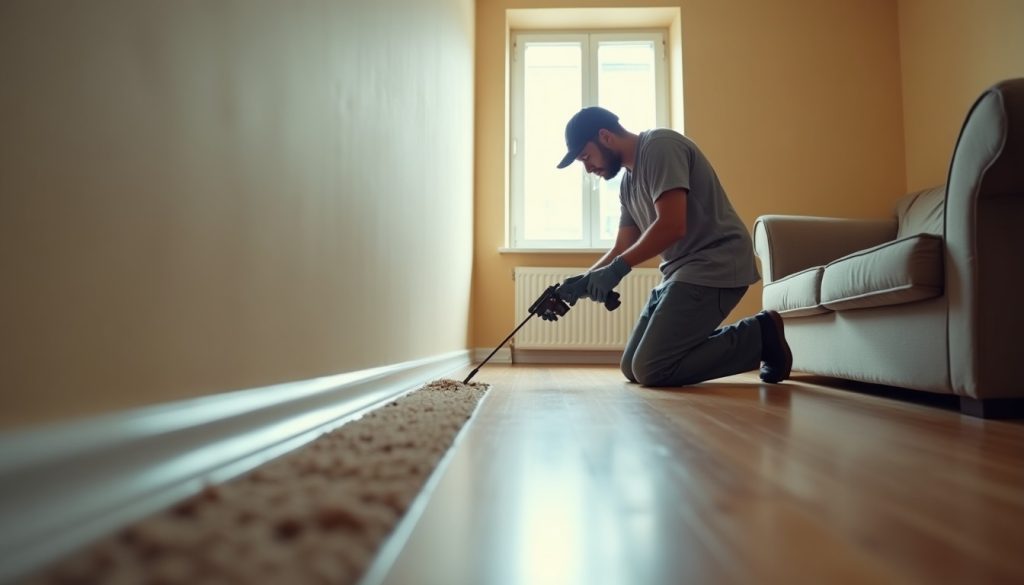
Professional flea treatment costs $100 to $450, with most homeowners paying around $250. Nearly all jobs need at least two visits about two weeks apart, and the second runs another $75 to $200. Annual contracts cost $300 to $600. The reason for the repeat visit is that no available product reliably kills flea eggs and pupae.
Flea treatment fails more often than any other common pest service, and almost always for the same two reasons: the follow-up visit was skipped, or the pet was not treated at the same time as the house. Both are avoidable and neither is usually explained at the quote.
What flea treatment costs in 2026
| Service | Cost | Notes |
|---|---|---|
| Main flea treatment | $150 to $400 | Whole-home interior |
| Overall typical range | $100 to $450 | Average around $250 |
| Second visit | $75 to $200 | Usually required |
| Annual contract | $300 to $600 | Ongoing protection |
| DIY spray and vacuuming | $10 to $75 | Limited effect on established infestation |
| Tented fumigation | $2,000 to $8,000 | Extreme cases only, rare |
Contractor-reported ranges compiled by home services marketplaces in 2026, not government statistics.
Why one treatment is never enough
The flea life cycle runs through egg, larva, pupa and adult. Residual insecticides kill adults and larvae reasonably well. The pupal stage is the problem: pupae sit inside a protective cocoon that most products do not penetrate, and they can remain dormant for weeks before emerging.
So a single treatment clears the adults you can see, then a fresh generation emerges from pupae days later and the household concludes the treatment failed. It did not fail; it was half a course. The standard protocol is a second visit roughly two weeks later timed to catch newly emerged adults before they lay again.
Vacuuming matters more here than in almost any other pest service. Mechanical vibration stimulates pupae to emerge, which brings them out of the protected stage and into contact with residual product. A company that tells you to vacuum daily between visits is giving you real advice, not busywork.
The mistake that wastes the whole fee
Treating the house without treating the animal, or the reverse, generally fails. Adult fleas live on the host. Eggs fall off wherever the animal rests, so the carpet, bedding and upholstery become the reservoir. Clear one and the other repopulates it.
Pest control companies treat the structure. They do not treat animals, and a veterinarian should be handling that side. Coordinating the two on a similar timeline is the single biggest determinant of whether the money you spend works.
| Treated | Result |
|---|---|
| House only | Pet reinfests the treated area within days |
| Pet only | Emerging pupae in carpet reinfest the pet |
| Both, uncoordinated | Partial control, often needs more visits |
| Both, same period, plus follow-up | The protocol that works |
Preparing the house properly
- Vacuum thoroughly, including under furniture and along skirting, then dispose of the bag or empty the canister outside.
- Wash pet bedding and any soft furnishings the animal uses, on a hot cycle.
- Clear floor space so treatment reaches carpet edges and under furniture where larvae develop.
- Arrange veterinary treatment for every animal in the household on a coordinated timeline.
- Confirm the re-entry interval before returning with people or pets. It is on the product label.
- Keep vacuuming daily between the first and second visit.
Inadequate preparation is the most common ground for a company declining a callback, so it is worth doing properly.
Frequently asked questions
How much does flea extermination cost?
Professional treatment costs $100 to $450 with an average around $250, and the main treatment typically runs $150 to $400. Most jobs need a second visit about two weeks later at $75 to $200. Annual contracts for ongoing protection cost $300 to $600.
Why do I still have fleas after treatment?
Almost always because flea pupae survived. Pupae sit inside protective cocoons that most insecticides do not penetrate and can stay dormant for weeks before emerging. This is why a second visit roughly two weeks later is standard protocol. Untreated pets reintroducing fleas is the other common cause.
Do I need to treat my pet as well as my house?
Yes, and coordinating the timing matters. Adult fleas live on the animal while eggs fall off into carpet and bedding, so treating only one side means the other repopulates it within days. Pest control companies treat the structure; veterinary treatment for the animal is separate and should happen in the same period.
How long does flea treatment take to work?
Adult fleas are usually killed within hours to days, but expect continued sightings for two to three weeks as pupae emerge. That is normal rather than a sign of failure. Daily vacuuming helps by stimulating pupae to emerge into contact with residual product. Sightings continuing after the second visit warrant a callback.
Sources
- Contractor-reported price ranges compiled by Angi, This Old House, HomeGuide and Today’s Homeowner, 2026. Sample sizes and methods are not published by those sources.
- U.S. Bureau of Labor Statistics, Producer Price Index programme. Confirmed no published series for NAICS 561710.