How Long Can Fleas Live Without a Host? By Life Stage
A newly emerged adult cat flea that has never fed can survive about 12 days without a host in good conditions, but only about 3 days at 50 per cent humidity; a flea that has already fed and falls off dies far sooner, egg-laying females within about 24 hours. The stage that outlasts an empty house is the pre-emerged adult in its cocoon, which can wait 6 to 8 months in basements and crawl spaces, and up to 12 months in cool conditions, before a host arrives.
That is why “how long can fleas live without a host” has no single answer. Adult fleas are fragile off an animal. The cocoon is not. Most of the confusion online, including houses that seem flea-free for months and then erupt, comes from mixing up those two stages. This guide takes each stage in turn, using veterinary and university extension sources, then applies the numbers to the situations people actually ask about: an empty house, a carpet, a car and a home with people but no pets.
Survival without a host, stage by stage
| Stage | How long without a host | What limits it | Source |
|---|---|---|---|
| Egg | Hatches in about 2 to 5 days | Falls off the pet into carpet and bedding | UC IPM |
| Larva | Feeds 8 to 15 days, then spins a cocoon | Needs humidity: under 50% is lethal; UC IPM says at least 75% for development | UC IPM; Merck; Texas A&M |
| Pupa and pre-emerged adult in cocoon | Usually 1 to 4 weeks; 6 to 8 months in basements and crawl spaces; up to 12 months when cool | Waits for heat, pressure, vibration or carbon dioxide | Kentucky; Merck; UC IPM |
| Newly emerged adult, never fed | About 12 days; about 3 days at 50% humidity | Starvation and drying out | Merck Veterinary Manual |
| Adult that has fed, off the host | Egg-laying females under 24 hours; non-laying fleas up to 4 days | Committed to regular blood meals | San Mateo County Mosquito and Vector Control District |
| Adult on a pet | Usually 30 to 40 days; average 7.8 days on cats that groom freely | Grooming removes and eats fleas | UC IPM; Hinkle and colleagues, 1998 |
Sources differ on the details. Texas A&M AgriLife puts unfed adult survival at “a few days to 2 weeks”, the San Mateo district says a newly emerged flea must find a blood meal within one week or starve, and the Merck Veterinary Manual gives about 12 days, falling to about 3 days at 50 per cent humidity. The ranges agree on the point that matters: an adult flea with no animal to feed on lasts days, not months.
Why fed fleas die so quickly
Cat fleas are permanent parasites. In a Purdue study published in 1989, 85 per cent of females and 58 per cent of males stayed continuously on cats for at least 50 days when grooming was prevented, and fleas survived and reproduced on the cat for at least 113 days. Once feeding starts, Merck notes, egg production begins within 24 to 48 hours and fleas generally do not move much between hosts. Research on other flea species reached the same conclusion: in a 2002 study of starving desert fleas, newly emerged fleas survived significantly longer than fed ones, and survival was generally longer in cooler, more humid air.

The cocoon: the stage that outlasts an empty house
After the larva spins its cocoon, the pupa develops in 1 to 2 weeks, according to Merck. The fully formed adult can then stay inside, waiting. Merck states that emergence can be delayed up to 30 weeks if the pre-emerged adults are protected from drying out, and that delays of 6 to 8 months have been observed in unfinished basements and crawl spaces. UC IPM says that at cool temperatures fully formed fleas can remain in their cocoons for up to 12 months. Texas A&M gives up to 5 months. The University of Kentucky gives the normal figure as 1 to 4 weeks, noting it can take longer when a flea-infested home becomes vacant.
Merck lists what makes the adult emerge: physical pressure, exhaled carbon dioxide, movement of the surface it sits on, and heat. A person walking across a carpet supplies all four. Our flea life cycle guide explains why this is also the reason fleas reappear a fortnight after treatment.
Can fleas live in an empty house?
Yes, as cocoons, for months. In an empty house, adults die within days and larvae either pupate or die within a couple of weeks, but pre-emerged adults keep waiting. Texas A&M describes long-vacant homes and apartments that “come alive” with fleas when new occupants move in. The timeline below shows how the stages play out once the last pet leaves.
Two things can keep an empty house supplied with fleas for longer:
- Wild hosts. Texas A&M notes that buildings sometimes become infested with fleas even when there are no pets, because bats, roof rats, squirrels, raccoons and wild dogs and cats commonly nest in structures. UC IPM points to crawl spaces where feral animals sleep.
- Humid, sheltered spots. Larvae dry out quickly, but basements and crawl spaces are where Merck records the longest delays.
Our data: the wild hosts never leave
The Pest Control Brief analysis of iNaturalist research-grade records, pulled October 2026, shows that the rodents most likely to bring fleas into a pet-free building are recorded in every month of the year. US Norway rat records range from 397 in January to 760 in September, roof rats from 238 in February to 405 in October, and house mice from 235 in June to 443 in October. None of the three ever falls below 235 records in a month.
These are photographed sightings, mostly outdoors, not counts of infested buildings. They do show why “no pets” does not mean “no hosts”. Fleas that have fed on rodents can carry diseases such as murine typhus and plague, according to Texas A&M; our guide to whether humans can get fleas covers the disease risk, and anyone with fever after flea bites should see a doctor.
How long can fleas live in carpet without a host?
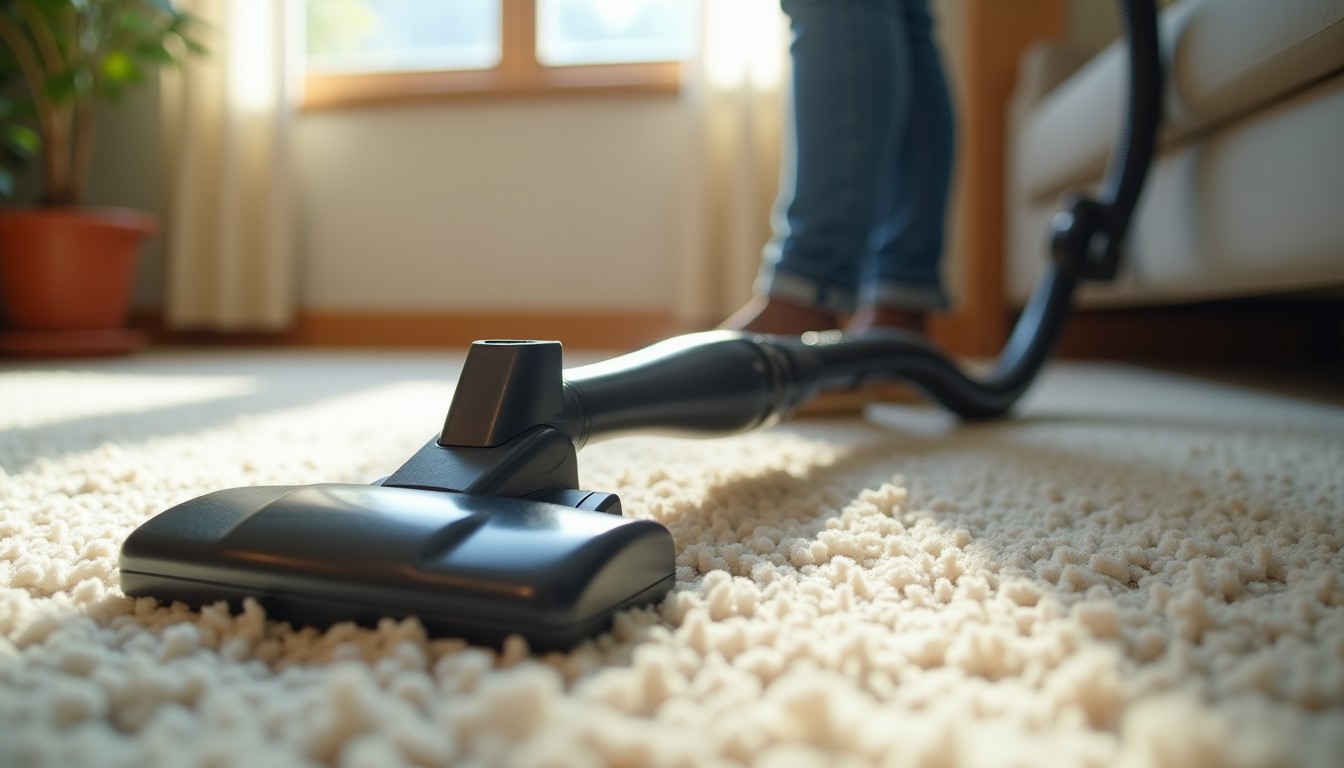
Carpet is where the long-lived stages are. Eggs fall from the pet and hatch in 2 to 5 days; larvae feed on flea droppings and debris for 8 to 15 days; then cocoons sit at the base of the carpet tufts, where, as a 2017 review by Rust (UC Riverside) notes, pupae are protected and remain a weak link in household flea control. So the honest answer is: adults in carpet last days, cocooned fleas in carpet last weeks to months.
Vacuuming helps, though studies disagree on how much. Texas A&M says vacuuming removes up to 30 per cent of larvae and up to 60 per cent of eggs from carpet; a study cited in the Rust review found 40 to 80 per cent of eggs but only 5 per cent of larvae removed, while the same review notes that vacuuming kills all stages, adults and pupae included. UC IPM recommends vacuuming daily or every other day and continuing for 10 days to 2 weeks after any treatment to catch adults as they emerge.
How long do fleas live on humans?
Usually not long enough to settle. Texas A&M states that cat fleas do not normally live on humans, but do bite people who handle infested animals, usually on the ankles and lower legs. Blood is not the problem: in a Texas A&M laboratory study published in 1995, cat fleas fed human blood through a membrane survived and laid eggs. What decided survival was hair. With a dog-hair substrate, mortality after 12 days was low; without it, 61.2 per cent of the fleas had died. People simply do not have the coat a flea needs to stay on. See can humans get fleas for why bites cluster on the ankles.

How long can fleas live without a host in a car?
We found no study that has measured fleas in cars, so treat any precise figure online with caution. The same limits apply as in a house. A car that has carried a pet can hold eggs, larvae and cocoons in its carpet and seats; adult fleas without a host last days, and cocooned fleas can wait for weeks or longer. Vacuum the floor, seats and boot thoroughly and wash any pet blankets, which UC IPM recommends laundering in hot, soapy water weekly.
Will fleas die off in a house without pets?
Usually, but slowly, and not before biting whoever is there. Without an animal to feed on, adults die within days and larvae run out of the flea droppings they eat. The house only clears once the waiting cocoons have emerged and the new adults have starved, which can take weeks in a warm, busy home and months in a cool, empty one. If bites keep coming after several weeks of regular vacuuming, look for another host: rodents, wildlife in the crawl space, or a stray cat under the deck. The guide to fleas in the yard covers outdoor sources.
Your situation, at a glance
| Situation | What survives, and for how long | What to do |
|---|---|---|
| Pet treated, fleas still appearing | Cocooned fleas emerging, usually for about 2 weeks | Keep vacuuming daily; do not judge the treatment until the third week |
| Pet away or rehomed | Adults days; cocoons weeks to months | Vacuum, wash bedding, expect bites to taper |
| Moving into a house that stood empty | Cocoons waiting 6 to 8 months or more in cool, quiet spaces | Vacuum thoroughly before moving furniture in; call a professional if fleas appear fast |
| No pets ever, but bites | Fleas fed by rodents or wildlife | Find and remove the host first, then treat |
| Car that carried a pet | Eggs, larvae and cocoons in carpet and seats | Vacuum and wash pet blankets |
When to do it yourself, and when to call a professional
A recent flea problem with pets now under veterinary treatment is usually manageable at home: treat every pet in the household (a veterinary decision), wash bedding, vacuum daily, and expect new adults for about two weeks. Call a licensed professional when fleas persist after a month of this, when you are moving into a house that was empty and quickly fills with fleas, or when wildlife or rodents are nesting in the structure, since removing the host comes first. UC IPM suggests that if an indoor insecticide is used, it should contain an insect growth regulator, and that the label must be followed. Vacuuming remains essential alongside any treatment. Costs are covered in our flea treatment cost guide, and identification in what fleas look like.
Frequently asked questions
How long can fleas live on carpet?
Adult fleas in carpet without a host last only days: about 12 at best, and about 3 in drier air of 50 per cent humidity, according to the Merck Veterinary Manual. Fleas in cocoons at the base of the carpet pile last much longer, usually 1 to 4 weeks, and up to 6 to 8 months in cool basements and crawl spaces. Regular vacuuming removes eggs and prompts cocooned fleas to emerge.
What will kill fleas instantly?
Nothing kills every stage at once, because cocoons resist insecticides. Vacuuming kills adults and pupae it picks up, according to a 2017 UC Riverside review, and it prompts cocooned fleas to emerge. On the pet, fast-acting oral products from a veterinarian knock fleas down within hours. Washing bedding in hot, soapy water kills the eggs and larvae in it. Expect new adults to keep appearing for about two weeks.
How long do fleas live without a pet?
Adult fleas without a pet to feed on usually last days: about 12 at most for a flea that has never fed, and under 24 hours to 4 days for one that has already fed and fallen off. The house stays infested longer because cocooned fleas keep emerging for weeks, or months in cool conditions. Rodents or wildlife in the building can keep fleas going without any pet.
How long can fleas live with just a human?
Not for long as a population. Cat fleas bite people but do not normally live on them, according to Texas A&M. In a laboratory study fleas fed human blood survived well only when given animal hair to live in; without it, 61.2 per cent died within 12 days. People can still be bitten for weeks as cocooned fleas emerge, so keep vacuuming and check for hidden animal hosts.
How long can fleas live without a host in your house?
Adults last days, cocoons last months. A newly emerged flea that has not fed survives about 12 days in good conditions and about 3 days at 50 per cent humidity, according to Merck. A flea that has already fed dies within about 24 hours to 4 days. Pre-emerged adults in cocoons can wait 6 to 8 months in basements and crawl spaces, and up to 12 months in cool conditions.
Sources
- Merck Veterinary Manual, Fleas in Dogs and Cats (Gentry), reviewed April 2026.
- University of California Statewide IPM Program, Pest Notes: Fleas, Publication 7419, 2010.
- Texas A&M AgriLife Extension, Controlling Fleas (Merchant and Robinson).
- University of Kentucky Entomology, ENTFACT-602, Flea Control and Prevention (Potter).
- San Mateo County Mosquito and Vector Control District, Fleas.
- Rust, The Biology and Ecology of Cat Fleas and Advancements in Their Pest Management: A Review, Insects 8(4), 2017.
- Dryden, Host association, on-host longevity and egg production of Ctenocephalides felis felis, Veterinary Parasitology 34, 1989.
- Hinkle, Koehler and Patterson, Host grooming efficiency for regulation of cat flea populations, Journal of Medical Entomology 35(3), 1998.
- Pullen and Meola, Survival and reproduction of the cat flea fed human blood on an artificial membrane system, Journal of Medical Entomology 32(4), 1995.
- Krasnov, Khokhlova, Fielden and Burdelova, Time of survival under starvation in two flea species at different air temperatures and relative humidities, Journal of Vector Ecology 27(1), 2002.
- The Pest Control Brief analysis of iNaturalist research-grade records, pulled October 2026.