Why Fleas Come Back Two Weeks After Treatment

Fleas reappear two weeks after a treatment because of one stage: the pupa, sealed inside a cocoon that insecticide does not penetrate. Pupae typically wait one to four weeks, and in cool conditions UC IPM reports they can remain in the cocoon for up to 12 months. They emerge when warmth and the pressure of footsteps signal a host, which is why a treated house produces fleas again, and why vacuuming afterwards helps rather than hinders.
Almost every complaint about failed flea treatment describes the same sequence: the fleas disappear, then come back a fortnight later. That is not usually a failed treatment. It is the life cycle behaving exactly as documented, and understanding it changes what you do next.
The cycle, stage by stage
At normal indoor temperature the whole cycle runs about 18 days, with development fastest between 70 and 90°F. Eggs hatch in two to five days. Larvae feed on debris in carpet and bedding for eight to 15 days and need at least 75 per cent relative humidity to survive, which is why infestations are worse in humid conditions and in summer. Then comes the cocoon.
A female lays 20 to 50 eggs a day. They are laid in the animal’s fur and fall off wherever the animal goes, which distributes the next generation across the floors, beds and furniture the pet uses rather than concentrating it on the pet.
The stage that defeats treatment
The pupa sits inside a silk cocoon that resists insecticide. Nothing sprayed on the carpet reaches it. It waits, and how long it waits depends on conditions: typically one to four weeks, but in cool conditions UC IPM reports pupae remaining in cocoons for up to 12 months.
Emergence is triggered, not automatic. Warmth and mechanical pressure, footsteps on the carpet or the vibration of a vacuum, signal that a host has arrived. This is the mechanism behind the classic account of a family returning from holiday to a house that erupts with fleas: the cocooned population waited, and the arrival of people set off a mass emergence.
It is also why adults keep appearing after a treatment. They were not missed by the spray. They were not yet out.
What follows from the biology
- Expect a second wave and plan for it. A treatment that looks like it failed at day 10 to 14 is usually working as intended. Reappearance is the pupal stage emerging, not survivors breeding.
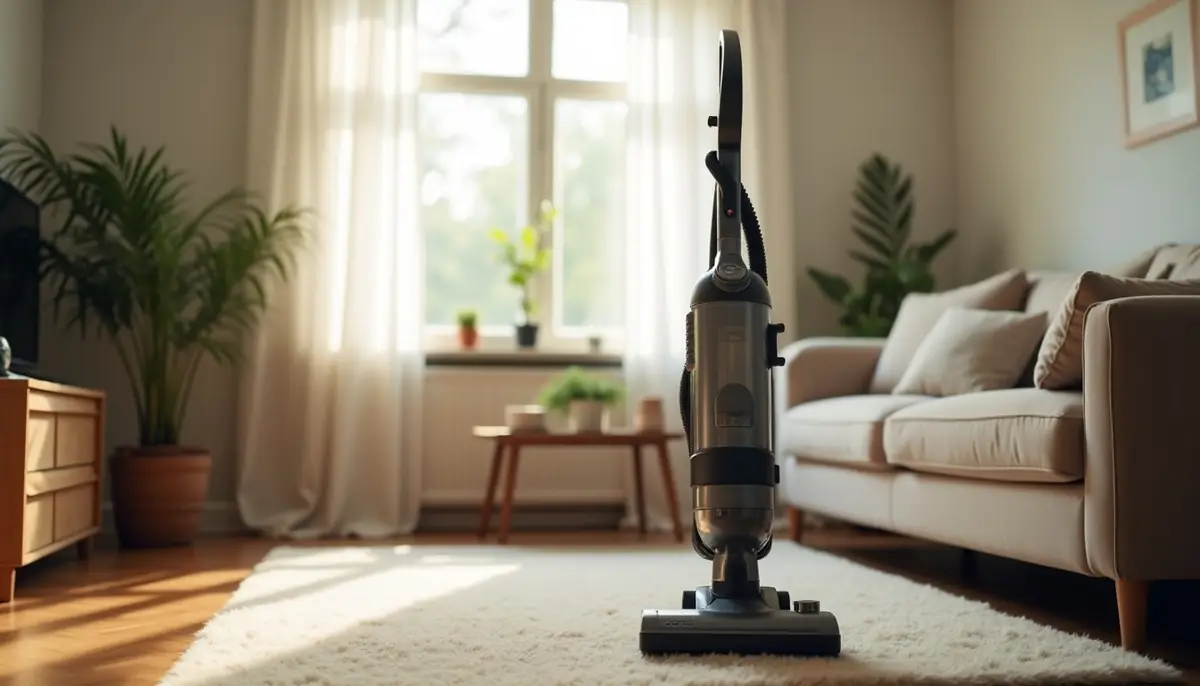
- Vacuum, and vacuum often. It is the one household action that works with the biology: the vibration triggers emergence, bringing pupae out of protection and into contact with treated surfaces, and it physically removes eggs and larvae. Do it daily for a fortnight, and empty or dispose of the contents away from the house.
- Treat the animal and the environment together. Treating only the pet leaves the developing stages in the carpet; treating only the house leaves the adults on the animal to lay more eggs. Veterinary products for the animal are a veterinary decision.
- Wash the bedding. Pet bedding concentrates eggs, larvae and cocoons more than any other surface.
- Do not judge success on adults seen. Judge it on whether the count declines over several weeks. New adults for a fortnight is normal; new adults at week six is not.
Timescales for professional work, and why one visit is rarely the whole job, are covered in how long pest control takes, and preparation in preparing for pest control. Costs and what a flea programme includes are in flea treatment costs, and product safety around animals and children in pest control around pets and children.
Humidity and temperature set the pace
Flea development is driven by conditions rather than the calendar. Optimal development runs between 70 and 90°F, and larvae require at least 75 per cent relative humidity. Warm humid conditions compress the cycle to under three weeks; cool dry conditions stretch it, and can hold pupae dormant for months.
The practical implications are two. Central heating means an indoor infestation continues through winter regardless of outdoor conditions. And a house left empty and cool does not clear itself; it accumulates waiting cocoons instead. See integrated pest management for the wider principle of targeting the stage that is actually vulnerable.
Frequently asked questions
Why do fleas come back after treatment?
Because of the pupal stage. Pupae are protected inside a cocoon that insecticide does not penetrate, so they survive the treatment and emerge afterwards, typically over the following one to four weeks. Adults appearing at day 10 to 14 are newly emerged rather than survivors, which is why the return is expected rather than a sign of failure.
How long does the flea life cycle take?
About 18 days at normal indoor temperature: two to five days as an egg, eight to 15 days as a larva, then the pupal stage. Development is fastest between 70 and 90°F and slows considerably in cool conditions.
How long can flea pupae stay dormant?
Typically one to four weeks, but UC IPM reports that in cool conditions pupae can remain in their cocoons for up to 12 months. This is the reason an unoccupied house can produce a sudden mass emergence when people return.
Does vacuuming help with fleas?
Yes, more than people expect. The vibration and pressure stimulate fleas to emerge from cocoons, which brings them out of the one stage that treatment cannot reach, and vacuuming also physically removes eggs and larvae. Daily vacuuming for a fortnight after treatment is a genuine contribution.
How many eggs does a flea lay?
A female lays 20 to 50 eggs a day. They are laid in the animal’s coat and fall off as it moves, which spreads the next generation around the house rather than keeping it on the pet.
Is treating the pet enough?
Usually not on its own. The biting adults are on the animal, but the eggs, larvae and pupae are in carpet, bedding and furniture. Treating only the animal leaves those stages to mature; treating only the house leaves adults laying more eggs. Products for the animal are a matter for a vet.
Why are fleas worse in summer?
Temperature and humidity. Development is fastest between 70 and 90°F and larvae need at least 75 per cent relative humidity, so warm humid weather compresses the cycle. Indoors, central heating can sustain an infestation through winter regardless.
How long until a flea problem is gone?
Judge it over weeks rather than days. New adults emerging for a fortnight after treatment is normal as cocooned fleas come out. What matters is whether numbers decline steadily; adults still appearing at six weeks suggests the cycle is continuing rather than finishing.
Sources
- UC Statewide IPM Program, Pest Notes: Fleas, Publication 7419. ipm.ucanr.edu
- University of Kentucky Entomology, ENTFACT-602, Flea Control and Prevention. entomology.uky.edu