Rats in Winter: Where They Go and Why They Move Indoors
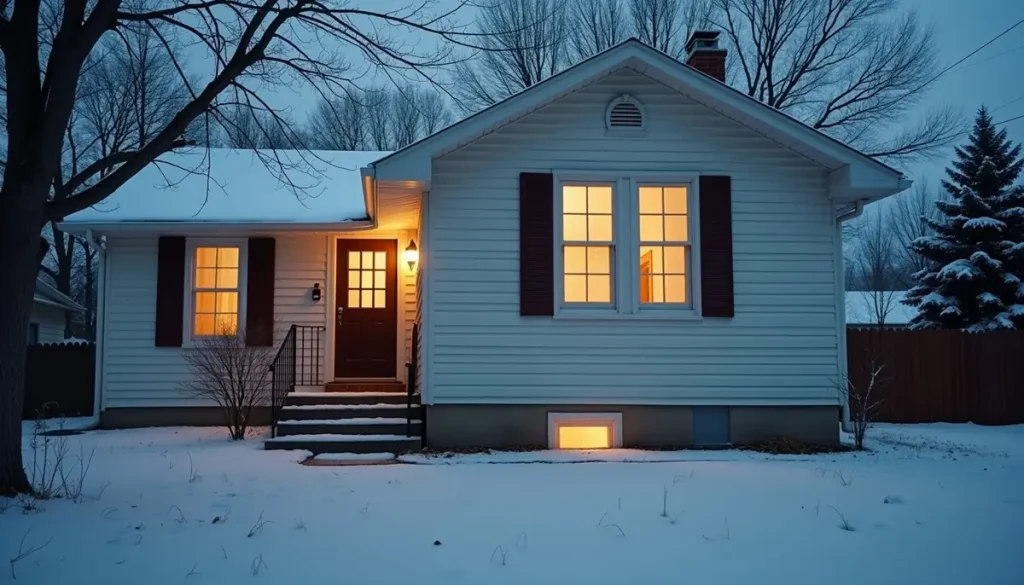
Rats do not hibernate: they stay active all winter, either in burrows under the ground or in heated buildings, and they keep breeding where food and warmth hold out. Norway rats are hardy enough to live wild in Alaska and north of the Arctic Circle, while roof rats are a warm-climate species that winter limits to the South and the Pacific coast. What changes in winter is where rats live, not whether they are around.
Where rats go in winter
| Norway rat | Roof rat | |
|---|---|---|
| Winter shelter | Burrows along foundations, under slabs and woodpiles; basements and ground floors indoors | Attics, wall voids, ceiling voids and cabinets; rarely digs if raised sites exist |
| Burrow | Typically under 18 inches deep and 3 feet long with a central nest; entrances 2 to 4 inches across | Seldom used |
| Cold tolerance | Wild populations recorded in Alaska, Iceland, Lapland and Siberia | Suited to tropical and semitropical climates; has not spread nationwide |
| US range | Every state with records but Montana and Wyoming in our data | Lower East Coast, Gulf states into Arkansas, Pacific coast |
| Winter breeding | Peaks spring and autumn; often stops in winter outdoors, depending on habitat | Peaks spring and autumn; nearly year round in the tropics and subtropics |
| Indoor winter sign | Activity at floor level, basement, garage | Noises overhead, in the attic and upper walls |
Compiled by The Pest Control Brief from UC IPM Pest Notes: Rats (74106), the Internet Center for Wildlife Damage Management, Washington Department of Fish and Wildlife, Rychlik and Korda (Acta Theriologica, 1989) and our analysis of iNaturalist records.
Do rats hibernate in winter?
No. UC IPM states that rats are active throughout the year and advises checking for signs in every season. Neither do house mice, and our guide to whether mice hibernate covers the smaller rodents and the torpor question. A rat’s winter strategy is shelter, a stored food supply and a well-built nest.
The nest is the key. In a 1989 study in Acta Theriologica, Polish researchers lowered the room temperature around mother rats and their litters by 5°C for two hours and found the mothers sharply increased nest-building within 30 minutes. Young rats lose heat fast: the same paper cites body temperature drops of 2 to 3.5°C in pups separated from their mother for 30 to 60 minutes at room temperature. That is why winter rat nests are packed with shredded paper, insulation and fabric, and why our guide to what a rat nest looks like is worth reading before you clear an attic.
Why rats come indoors when it gets cold
The Internet Center for Wildlife Damage Management says that in northern climates Norway rats prefer to locate nests near sources of heat. A house supplies three things a frozen yard does not: warmth from furnaces and water heaters, unfrozen water, and food that does not disappear under snow. Garden food sources collapse at the same time; fallen fruit and vegetables that fed rats in autumn run out, which our checklist of what attracts rats to a home sets out item by item.
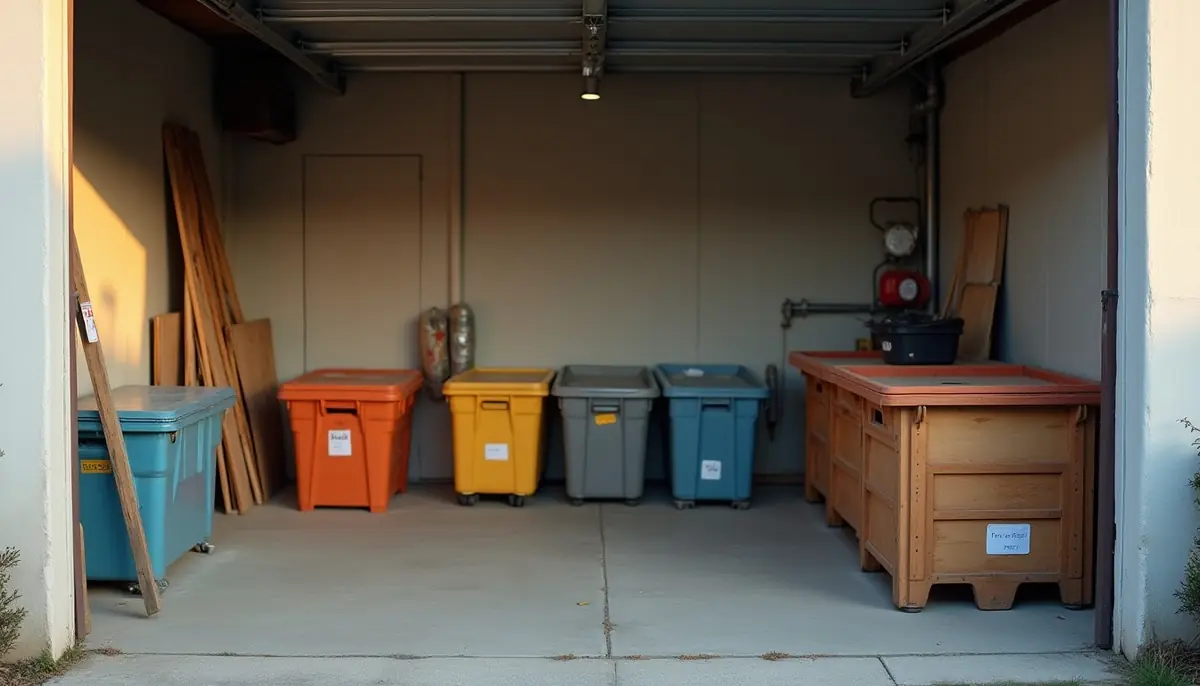
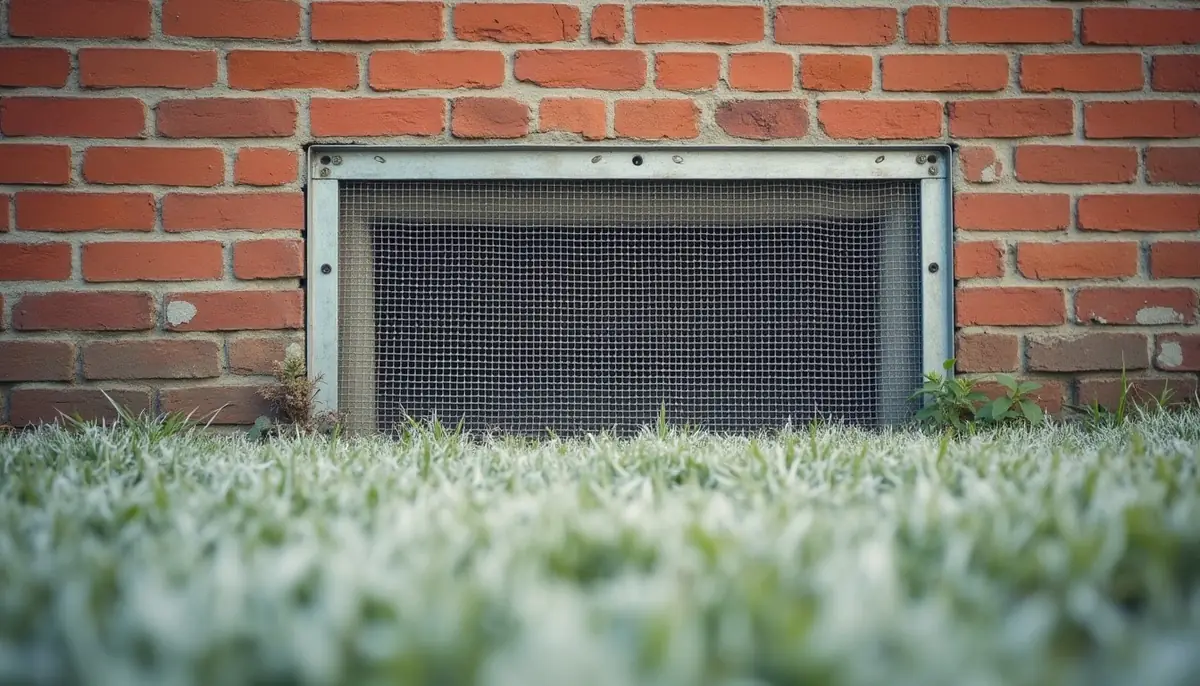
Rats do not need much of a gap. UC IPM says young rats can squeeze beneath a door with a 1/2-inch gap, and recommends sealing every hole larger than 1/4 inch to exclude both rats and mice. UC IPM lists the openings to check: foundation cracks and gaps around water pipes, electric wires, sewer pipes, drain spouts and vents. A garage is often the first heated space they find, and rats in the garage need the same door and gap fixes.
What month are rats most active?
Not winter, on the evidence. Complaints to city 311 lines peak in July in both Chicago and New York, and fall steeply from October into December, according to our analysis of three years of rat complaints in New York and Chicago. Chicago logged 16,973 rat complaints across the three Julys of 2023 to 2025 against 6,492 across the three Decembers.
That pattern measures outdoor sightings. Indoors, winter brings a different signal: fewer rats in the yard, but those that remain are more likely to be in your walls, which is when people start hearing them. Our guide to rat noises at night explains how to tell a roof rat overhead from a Norway rat under the floor.
iNaturalist sightings tell the same story. Norway rat records run from 397 in January to a peak of 760 in September, and roof rat records from 238 in February to 405 in October. Rats are still being seen all winter, at roughly half their autumn peak.
Can rats survive winter outdoors?
Norway rats can, and do. Rychlik and Korda cite wild Norway rat populations in Alaska, Iceland, Lapland north of the Arctic Circle and many parts of Siberia, and a 1955 report of rats breeding inside a cold store holding meat frozen to minus 13°C, about 9°F, with nests built from rope, paper and film scraps. Washington’s Department of Fish and Wildlife describes Norway rat burrows as typically less than 18 inches deep and 3 feet long with a central nest, which keeps the nest below the worst of the surface cold.
Roof rats are another matter. The Internet Center for Wildlife Damage Management describes the roof rat as more at home in warm climates and apparently less adaptable than the Norway rat, which is why it has not spread throughout the country; its range runs along the lower half of the East Coast and through the Gulf states into Arkansas. UC IPM adds that roof rats prefer warm and coastal areas, though their documented range is expanding. Our guide to telling roof rats from Norway rats covers the physical differences.
Our state data shows the cold line clearly. In nine northern states, including Alaska, Maine, Minnesota and New York, iNaturalist has Norway rat records and not a single research-grade roof rat record.
Can rats freeze to death in winter?
Rarely, if they have shelter. We found no extension or peer-reviewed source giving a single temperature that kills wild rats, and the evidence above explains why: a rat with a nest, a burrow or a heated building rarely meets the open air temperature. Pups are the vulnerable stage, which is why rats invest so heavily in nests. Cold weather thins rat numbers outdoors; it does not clear a house.
Do rats breed in winter?
Less, outdoors. The Internet Center for Wildlife Damage Management says Norway rat breeding often peaks in spring and autumn, declines in summer heat and often stops in winter, depending on habitat, with seasonal patterns most pronounced in extreme climates. Washington’s wildlife department puts it as year-round breeding concentrated in warmer months. Rats living inside heated buildings with steady food do not get that winter pause, and with litters of 6 to 12 born 21 to 23 days after conception, a pair that moves in during November can be a colony by spring. Our page on how fast rats reproduce works through the arithmetic.
A homeowner’s winter calendar
| When | What is happening | What to do |
|---|---|---|
| September to October | Autumn breeding peak; garden food still around | Seal holes over 1/4 inch; screen vents with 1/2-inch galvanized mesh; pick up fallen fruit |
| Before the first hard frost | Rats look for heated nest sites | Check door sweeps for 1/2-inch gaps; trim limbs within 6 feet of the roof, as UC IPM advises |
| November to February | Outdoor complaints at their lowest; indoor rats more noticeable | Listen at night; set snap traps 10 to 20 feet apart along walls; finish exclusion work |
| March to April | Spring breeding peak begins | Check burrow entrances: plug with newspaper and see if it is cleared in a couple of days |
Compiled by The Pest Control Brief from UC IPM Pest Notes 74106, the Internet Center for Wildlife Damage Management, Washington Department of Fish and Wildlife and our 311 complaint analysis.
How to get rid of rats in winter
Exclusion first, then trapping. UC IPM calls exclusion, or building them out, the most successful and longest-lasting strategy, and our comparison of steel wool, copper mesh and what actually stops a rodent covers which materials hold.
For trapping, UC IPM rates snap traps the safest, most effective and most economical method, advises placing them along walls with the trigger end nearly touching the wall, and suggests leaving traps baited but unset until the bait has been taken several times. The Internet Center for Wildlife Damage Management notes rats often avoid new objects such as traps for several days, so a week of no catches is normal. Rodenticide baits must follow the label, and UC IPM notes outdoor above-ground bait must often sit in tamper-resistant stations. A rat living in an attic will also gnaw wiring; see why rats chew wires before you assume the noise is harmless.
Frequently asked questions
How to get rid of rats during winter?
Trap the rats already inside, then seal every gap over 1/4 inch, which UC IPM says excludes both rats and mice. Use rat-sized snap traps along walls, 10 to 20 feet apart, and prebait them unset for a few days because rats avoid new objects. Winter is also when outdoor complaints are lowest, making it a good time to finish exclusion work.
What month are rats most active?
Outdoors, summer: 311 rat complaints in Chicago and New York peak in July and bottom out in December. Breeding peaks in spring and autumn, according to the Internet Center for Wildlife Damage Management. Indoors, activity is most noticeable from late autumn, when rats nest near heat sources.
What keeps rats away permanently?
Exclusion. UC IPM calls building rats out the most successful and longest-lasting strategy: seal foundation cracks and gaps around pipes, wires and vents larger than 1/4 inch, fit doors tightly, and screen vents with 1/2-inch galvanized mesh. Removing food, water and dense ground cover, which UC IPM says rats are highly attracted to, reduces the pressure on those defences.
What temperature kills rats?
There is no single published figure. Wild Norway rats live in Alaska and north of the Arctic Circle, and one report describes rats breeding in a cold store at minus 13°C, about 9°F. Nests and burrows shield them from air temperature. Roof rats are far less cold-tolerant, which limits them to warm parts of the country.
Do mice and rats behave the same way in winter?
Broadly, yes: neither hibernates and both move toward heated buildings, and UC IPM’s rule of sealing every hole over 1/4 inch is written to exclude both. Norway rats differ in often keeping outdoor burrows as well. Our guide to telling a rat from a mouse helps you confirm which one you are dealing with before choosing trap size.
Sources
- University of California Statewide IPM Program, Pest Notes: Rats, Publication 74106.
- Internet Center for Wildlife Damage Management, Norway Rats; Norway Rat Biology; Roof Rats; Roof Rat Biology (adapted from Prevention and Control of Wildlife Damage, 1994).
- Washington Department of Fish and Wildlife, Living with Wildlife: Rats.
- Rychlik, L. and Korda, P., Nest building activity as thermoprotective maternal behaviour in rats, Acta Theriologica 34(20): 287 to 303, 1989.
- City of Chicago and City of New York 311 service request data, 2023 to 2025, as analysed by The Pest Control Brief.
- The Pest Control Brief analysis of iNaturalist research-grade records, pulled October 2026.