Wildlife Removal Cost 2026: Squirrels, Raccoons and Bats
Wildlife removal costs $200 to $600, or $500 to $1,500 in an attic. Why bats cannot be trapped, and why trapping alone never solves it.
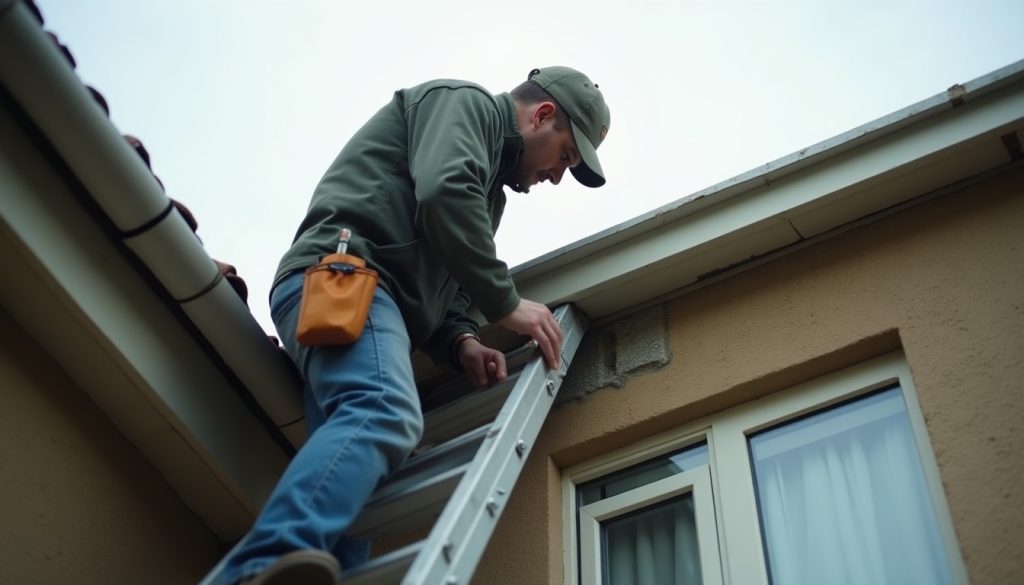
Wildlife removal costs $200 to $600 on average, rising to $500 to $1,500 for animals in an attic. Squirrels run $250 to $600, raccoons $300 to $450, and bat exclusion $300 to $1,500. An inspection costs $100 to $300 and is usually credited against the job. Additional exclusion doors are $225 to $400 each.
Wildlife work is not rodent control with a bigger animal. Squirrels, raccoons and bats are usually protected to some degree by state law, cannot lawfully be poisoned in most places, and in the case of bats cannot be trapped at all. That legal position, not the size of the animal, is what sets the price.
What wildlife removal costs in 2026
| Service | Cost | Notes |
|---|---|---|
| General wildlife removal | $200 to $600 | Accessible, straightforward jobs |
| Animal in the attic | $500 to $1,500 | Access plus exclusion work |
| Squirrel removal | $250 to $600 | Trapping, relocation, one exclusion door |
| Raccoon removal | $300 to $450 | Live trapping, sealing, relocation |
| Bat exclusion | $300 to $1,500 | One-way devices only, no trapping |
| Inspection | $100 to $300 | Usually credited against the job |
| Additional exclusion door | $225 to $400 each | Per extra entry point |
Contractor-reported ranges compiled by home services marketplaces in 2026. No federal price index exists for pest control, a gap covered in our analysis of where pest control money goes.
Wildlife is not the same service as rodent control
The distinction matters because the two are priced and regulated differently, and quotes sometimes blur them.
| Commensal rodents | Wildlife | |
|---|---|---|
| Animals | House mice, Norway and roof rats | Squirrels, raccoons, opossums, bats, skunks |
| Legal status | Generally unprotected | Frequently protected or regulated by state |
| Lethal control | Rodenticides commonly used | Usually prohibited or heavily restricted |
| Typical cost | $150 to $600 | $200 to $1,500 |
| Core method | Trapping and baiting | Live trapping or one-way exclusion |
If your problem is mice or rats, our guide to rodent removal costs covers the pricing and the trapping against exclusion decision. Some companies hold licences for one and not the other, so ask.
Why bats are the special case
Bats cannot be trapped or poisoned. The lawful method is exclusion: fitting one-way devices at entry points that let bats leave and prevent return, then sealing once the roost is empty.
Two constraints push the price up and both are worth understanding before you accept a quote.
- Maternity season. Most states prohibit exclusion during the period when flightless pups are present, commonly late spring through midsummer. Excluding then seals juveniles inside to die, which is both inhumane and generally unlawful. A company willing to do it in June in a state that forbids it is telling you something about how it operates.
- Every gap counts. Bats use openings far smaller than the animal appears to need. Exclusion means sealing the entire building envelope, not the one hole you have seen, which is why bat jobs reach $1,500.
Guano accumulation is a separate remediation cost and is frequently quoted separately. Ask whether cleanup is included.
Trapping alone does not solve it
Removing the animal in your attic addresses the occupant. It does not address the hole. Squirrels and raccoons take up residence because the structure offers an accessible cavity, and a vacated cavity is reoccupied.
This is the same economic logic that governs rodent work: exclusion is a one-off cost against trapping that recurs. Additional exclusion doors at $225 to $400 each are the honest part of a wildlife quote, because they price the actual fix rather than the symptom.
Ask what the quote covers. A price for trapping with no exclusion is a price for temporary relief.
What to establish before you sign
- Which species, confirmed by inspection rather than assumed from noise.
- Whether the price includes exclusion or is trapping only.
- How many entry points were found, and the cost per additional door.
- The legal position on relocation in your state, since some states restrict or prohibit relocating certain species.
- Whether attic cleanup and damage repair are included or quoted separately. Both can exceed the removal cost.
- Any warranty on the exclusion work, and what voids it.
Verify licensing with your state agency. Wildlife control is often licensed separately from structural pest control, so a structural pest licence alone may not cover it. Our guide to checking a pest control company covers how to verify.
Frequently asked questions
How much does wildlife removal cost?
Wildlife removal averages $200 to $600, rising to $500 to $1,500 when the animal is in an attic. Squirrels cost $250 to $600, raccoons $300 to $450, and bat exclusion $300 to $1,500. Inspection runs $100 to $300 and is usually credited toward the job.
Why is bat removal more expensive than other wildlife?
Because bats cannot lawfully be trapped or poisoned in most states, so the only method is exclusion using one-way devices followed by sealing the entire building envelope. Bats enter through very small gaps, so every opening must be found and closed. Exclusion is also prohibited during maternity season in many states.
Is wildlife removal the same as rodent control?
No. Commensal rodents such as house mice and rats are generally unprotected and controlled with trapping and rodenticides. Squirrels, raccoons, opossums and bats are frequently protected or regulated by state law, usually cannot be poisoned, and require live trapping or one-way exclusion. Licensing often differs too.
Will the animals come back after removal?
If the entry points are not sealed, very likely. Animals occupy a structure because it offers an accessible cavity, and a vacated cavity gets reoccupied. Exclusion work, priced at $225 to $400 per additional door, is what prevents return. A quote covering trapping with no exclusion is buying temporary relief.
Sources
- Contractor-reported price ranges compiled by Angi, HomeGuide and wildlife control cost guides, 2026. Sample sizes and methods are not published by those sources.
- U.S. Bureau of Labor Statistics, Producer Price Index programme. Confirmed no published series for NAICS 561710.