Do Termites Come Back After Treatment? Retreat Rates and Why
Yes, termites can come back after treatment, and when they do it is usually because foraging termites found an untreated gap in the soil barrier, not because the termiticide wore off. University of Kentucky extension says that if termites keep infesting a house the year after treatment, the cause is a gap rather than chemical breakdown. Later returns come from disturbed soil, a lapsed bait contract, a colony living on a leak, or slow decline of the treated soil, which Forest Service tests show lasting 7 to 21 years.
When they came back tells you why
| What you see, and when | Most likely cause | What usually happens next |
|---|---|---|
| Live termites or mud tubes in the first weeks after a bait installation | Normal: baits are slow, and termites may take weeks or months to find stations | Keep the service schedule |
| Swarmers emerging indoors the spring after a liquid treatment | An untreated gap in the soil barrier (University of Kentucky) | Retreatment of the gap, free under most agreements if renewal is current |
| A few dozen Formosan swarmers at lit windows on a May or June night | Flights from a nearby colony drawn to light, which happens even in properly treated homes | Notify the company; hundreds indoors justify a full inspection |
| New tubes after a patio, deck, addition, flower bed or drainage work | The treated soil band was moved or covered | Retreatment of that section; check whether the contract excludes owner disturbance |
| Activity a year or more after bait stations were pulled at a lapsed renewal | No residual protection remains once stations are removed | A new treatment, usually at full price |
| Termites high in a wall near a leak, with no tubes from the soil | An aerial colony living on structural moisture | Fix the leak first; usually excluded from warranties |
| Activity a decade or more after a single liquid treatment with no follow up | Normal decline of the treated zone, plus new colonies | Inspection and, usually, a new treatment |
Compiled by The Pest Control Brief from University of Kentucky, Mississippi State and NC State extension publications.
How quickly can termites come back after treatment?
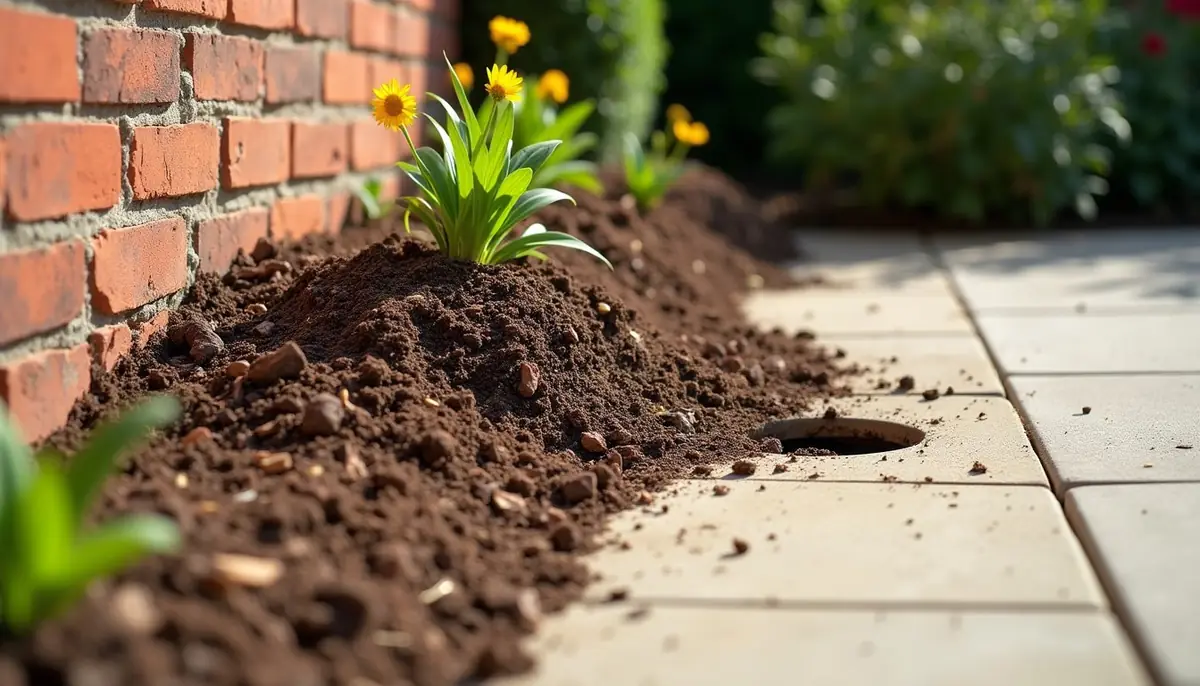
Within months, if the original job left a gap. Subterranean termites forage at random, and Mississippi State notes they cannot sense wood from any distance, so a colony already feeding on the house keeps probing until a worker finds an untreated route. Kentucky extension notes that a continuous, impenetrable chemical barrier is hard to achieve in practice.
A new colony is slower. Mississippi State says a newly founded colony may hold only 50 to 100 termites after its first year and a few hundred after two, and typically needs at least 3 to 5 years to grow large enough to invade a building. A return in year one or two is far more likely to be the original colony using a gap.
With baits, activity in the first months is often the system working: Mississippi State says elimination can take months to a year or longer.
How long the treatment lasts: Forest Service field data
Liquid termiticides are field tested by the USDA Forest Service at four sites: Arizona, Florida, Mississippi and South Carolina. In the concrete slab test, a wooden block sits on treated soil under a poured slab, and a product passes at the lowest rate that keeps termites out of 100 per cent of ten plots for at least five years at all four sites (Wagner, Sociobiology, 2003).
| Active ingredient and rate | Arizona | Florida | Mississippi | South Carolina |
|---|---|---|---|---|
| Fipronil 0.06%, 1994 test | 13 yr | 13 yr | 13 yr | 13 yr |
| Fipronil 0.06%, 1999 test, newer formulation | 8 yr | 7.5 yr | 8 yr | 8 yr |
| Bifenthrin 0.062% | 16 yr | 21 yr | 7 yr | 16 yr |
| Bifenthrin 0.125% | 15 yr | 21 yr | 7 yr | 21 yr |
| Imidacloprid 0.05% and 0.1% | 5 yr or more | 5 yr or more | Penetrated after year 2 | 5 yr or more |
Compiled by The Pest Control Brief from the 2008 USDA Forest Service report (as summarised by the University of Florida; damage standard) and Wagner 2003 (imidacloprid; stricter penetration standard).
The same chemical at the same rate lasted three times as long at one site as another: bifenthrin at 0.062% held for 21 years in Florida and 7 in Mississippi. And these plots sit undisturbed under concrete, while the band around a real house is dug, watered, mulched and built against. Mississippi State says termiticides do break down over time, and even the best cannot protect a house if the treated soil is disturbed.
Fumigation is the opposite case. UC IPM notes that fumigants and heat leave no residual effect, so nothing stops drywood termites flying in at a later swarm. See termite tenting, and our California termite treatment data for how methods are shifting.
Why termites keep coming back after treatment
The barrier has a hole in it
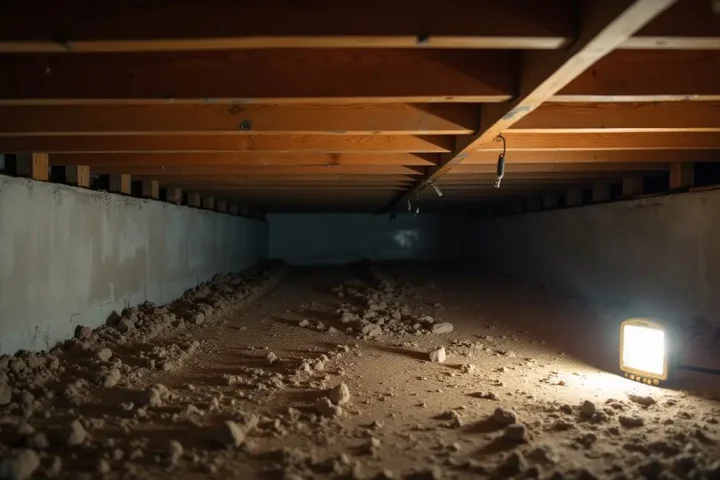
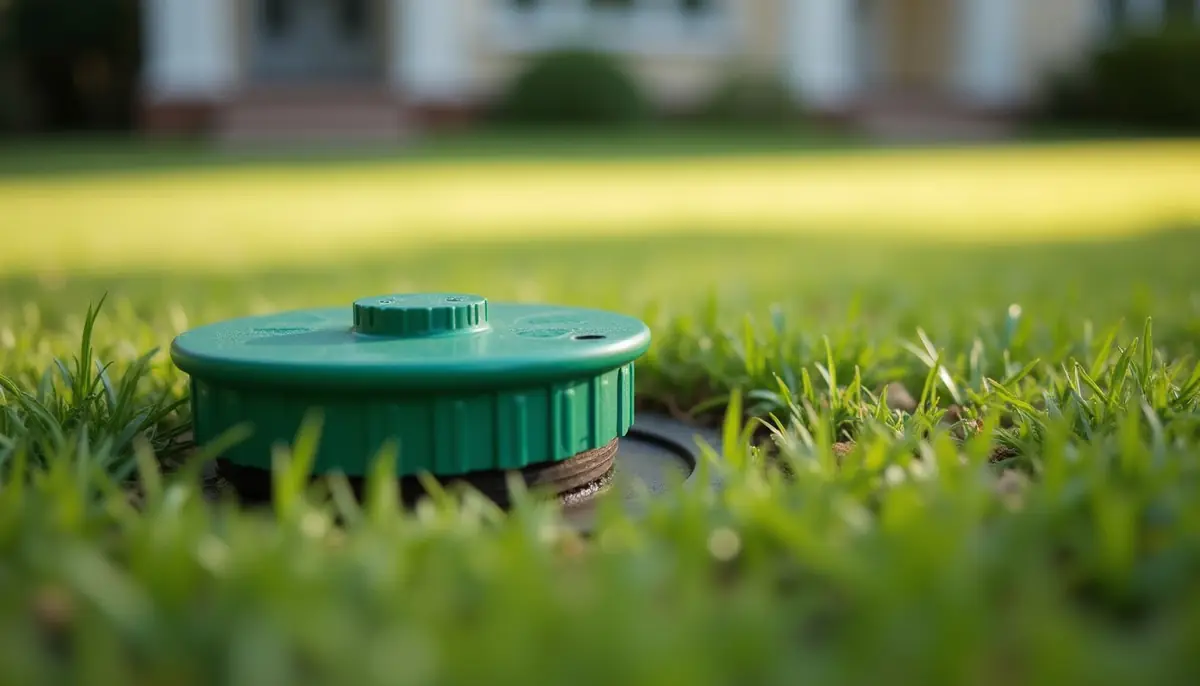
Mississippi State describes the treated zone as roughly 1 foot wide around the foundation, from trenches at least 4 inches wide. Termites need only one untreated stretch. Kentucky extension notes some companies offer no warranty where wells, drainage systems, sub-slab heat ducts or inaccessible crawl spaces prevent a standard treatment.
Someone moved the treated soil
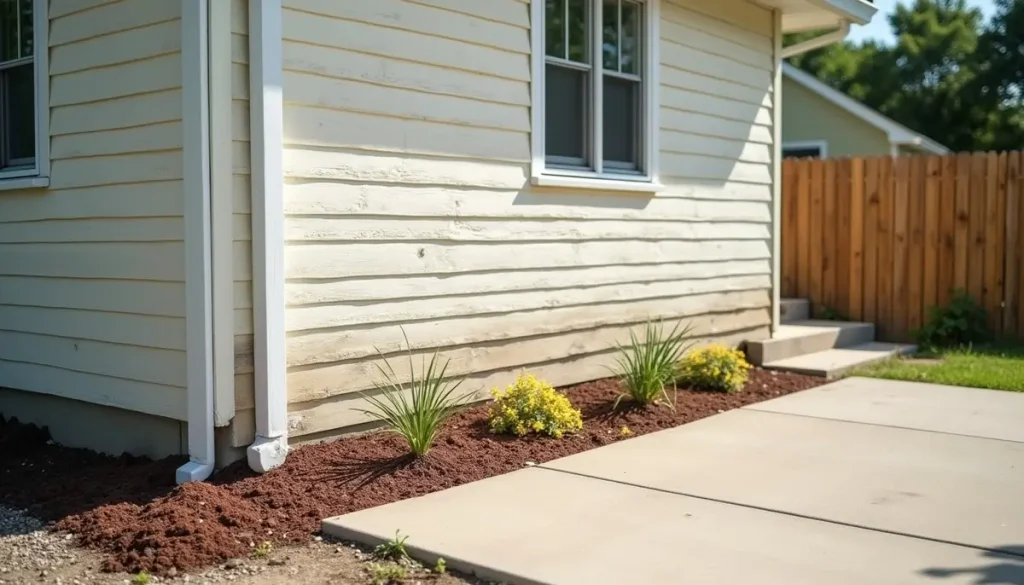
Mississippi State lists the usual culprits: flower beds dug too near the house, mulch or leaves piled against it, treated soil washed away or untreated soil washed in, firewood stacked against walls, and trellises, planter boxes or steps added. A new addition needs its own treatment. See what attracts termites.
The bait contract lapsed
A liquid barrier keeps working whether or not you renew. Baits do not: Mississippi State says a lapsed bait contract usually means the stations are removed, leaving the building with no protection, and Kentucky notes that no pesticide remains in the soil once termites are eliminated. After elimination, foragers from neighbouring colonies may reinvade the area.
A colony that never touched the soil
Where a leaking pipe or roof keeps wood wet, a colony can live entirely above ground. NC State says these aerial infestations cannot be controlled with the usual soil treatment and are typically excluded from contract warranties.
Swarmers after treatment: what they do and do not mean
Kentucky says swarmers that continue to infest a home the year after treatment point to a gap. Mississippi State says swarmers actively emerging indoors are a sure sign the structure is infested, but that swarmers coming from a stump or woodpile near a properly treated house may simply be outdoor colonies. NC State points out that spraying swarmers does nothing to the colony. Found just one or two? See found one termite.
Pest company pages often call post-treatment swarmers normal. We found no extension or peer-reviewed source saying so, so report any indoor swarm under your agreement rather than wait it out.
Our analysis of 2,335 iNaturalist research-grade records of subterranean termites in the US shows when people find them: April peaks at 195 on the seasonality index, and there is a second rise in October and November (115 and 207). UC IPM says Reticulitermes swarms in spring or fall after a soaking rain, which fits both peaks. Regional dates are in our termite swarm season guide.
How likely is it to get termites again?
No independent body publishes a national reinfestation rate. A figure of 37 per cent circulates on pest company websites without any named study, and we could not trace it. The closest published evidence is small: a University of Georgia programme treated 26 campus infestations over five years, and all but one stayed free of callbacks, a 96 per cent success rate (Forschler, 2008). The one failure showed up as a few swarmers in a room; the first inspection had missed infested concrete form boards left in a crawl space.
The risk does not end with one successful job. Mississippi State says termites live in every wooded environment in the state, and UC IPM says homes with a history of subterranean termites can be especially vulnerable to reinfestation and should be inspected by a professional every several years.
What to do if termites come back after treatment
- Do not spray first. Keep a few swarmers or workers in a sealed bag or jar; the company will want to confirm they are termites (see termites vs flying ants).
- Photograph the tubes or swarm with a date, and note the room and wall.
- Find your agreement and the treatment record. Check renewal status, retreatment-only or repair cover, and what counts as a claim (see our termite bond guide).
- Call the original company first and ask for the cause in writing. Kentucky extension says most firms retreat at no charge if the warranty is maintained.
- If there is no agreement, budget for a new job. Our termite treatment cost guide puts spot treatments at $230 to $950 and most whole homes at $275 to $1,600, with $200 to $400 a year to keep a warranty in force; these are contractor figures compiled by home services marketplaces, not measured prices.
Is it safe to buy a house that has been treated for termites?
Usually, yes: a documented treatment with an active, transferable agreement is better than no history at all. Ask for the treatment date, method, active ingredient and the agreement, and confirm with the company that it transfers. The lender’s wood destroying insect report is separate from the bond (see termite inspection cost), and old damage still needs a contractor’s look.
Frequently asked questions
Can you get rid of termites forever?
Not permanently. Treatment removes or excludes the colonies attacking the house, but Mississippi State says termites are present in every wooded environment in the state, and new colonies form after every swarm. Long-term protection depends on renewing an agreement or reinspecting; UC IPM recommends professional inspections every 3 to 5 years.
Can subterranean termites come back after treatment?
Yes. Subterranean termites are the group most likely to return, because they reach the house from colonies in the soil and need only one untreated gap. University of Kentucky extension says a return in the year after treatment is usually a gap in the barrier rather than breakdown of the termiticide.
How soon can termites return after fumigation?
As soon as the next drywood swarm. UC IPM notes that fumigants leave no residual effect, so a tented house has no chemical protection once it is aired out. Preventive wood treatments can be applied afterwards for longer protection. Fumigation also does nothing about subterranean termites in the soil.
Do termites come back after treatment indoors?
Workers already inside usually die after a soil treatment; Kentucky extension says they cannot return to the soil for moisture. Indoor activity that continues past the first season, or indoor swarmers the following spring, points to a gap or to an above-ground colony fed by a leak, and should be reported to the company.
How do you know if termites are gone after treatment?
Tubes stay dry and are not rebuilt, no swarmers emerge indoors the next spring, and bait stations show no feeding at checks every 3 to 6 months, the interval NC State gives. NC State also warns that an empty tube does not prove termites are gone, because they abandon and rebuild tunnels.
Sources
- Wagner, T. L. U.S. Forest Service Termiticide Tests. Sociobiology 41(1), 2003. USDA Forest Service, Southern Research Station.
- Pereira, R. M. Termiticide Testing (presentation summarising the 2008 USDA Forest Service termiticide report). University of Florida Urban Entomology Laboratory, 2011.
- Potter, M. F. Termite Control: Answers for Homeowners, ENTFACT 604. University of Kentucky, revised 2026.
- Potter, M. F. Termite Baits: A Guide for Homeowners, ENTFACT 639. University of Kentucky, revised 2026.
- Mississippi State University Extension. Protect Your House from Termites, Publication 2568.
- NC State Extension. Monitoring and Management of Eastern Subterranean Termites.
- Crawley, S. and Hayes, C. C. Termite Swarmers: What Do They Mean for You? NC State Extension, revised 2023.
- Lewis, V. R., Haverty, M. I. and Sutherland, A. M. Pest Notes: Subterranean and Other Termites, Publication 7415. UC IPM, 2014.
- UC IPM. Pest Notes: Drywood Termites, Publication 7440, 2014.
- Forschler, B. T. Low-insecticide input application strategies for managing subterranean termite infestations. Proceedings of the Sixth International Conference on Urban Pests, 2008. University of Georgia.
- The Pest Control Brief analysis of iNaturalist research-grade records, pulled October 2026.