Does Homeowners Insurance Cover Termite Damage?
Usually not: the standard homeowners policy form excludes loss caused by “birds, rodents or insects,” so termite damage and its repair are normally yours to pay for. The one real exception is narrow. The same form covers an abrupt collapse caused by insect damage that was hidden from view, but only if nobody in the household knew about the damage beforehand. Carpenter ant damage falls under the same insect exclusion. Your own policy wording decides the answer, so read its exclusions and its collapse clause.
The wording below comes from the Insurance Services Office (ISO) Homeowners 3 Special Form, the industry’s standard template for this type of policy, in the HO 00 03 05 11 edition published by the Maine Bureau of Insurance. Insurers can file their own forms, and many add endorsements, so treat this as the usual position rather than a guarantee. This is general information, not insurance or legal advice.
Situation by situation
| Situation | Typically covered? | Why, under the ISO form | What to ask your insurer |
|---|---|---|---|
| Termite damage to framing found during an inspection or remodel | No | Exclusion c.(6)(g): “Birds, rodents or insects” | Does my form carry this exclusion or a broader one? |
| Carpenter ant galleries in a wall or sill | No | Same insect exclusion; nesting or infestation by any animal is excluded at c.(6)(h) | Was there a covered water leak that caused the wet wood first? |
| A floor or deck framing abruptly falls in from termite damage nobody knew about | Possibly | Additional Coverage 8, Collapse, d.(3): hidden insect damage, unless known to an insured before the collapse | Is my collapse cover limited to abrupt collapse? Does the “known” condition apply? |
| Floor sagging or bouncy, still standing | No | Collapse cover does not apply to a building that is standing, even with sagging, bending or cracking | None; this is a repair and treatment job |
| Cost of termite treatment | No | Texas and California insurance regulators list termites among perils most policies do not cover | Whether a termite bond is a better use of the money |
| Books, furniture or stored boxes eaten by termites | No | Personal property is covered only for 16 named perils, and insects are not one of them | None |
| A fire or water leak that follows pest damage | Possibly | Ensuing loss: loss that follows, if not excluded elsewhere, “is covered” | How the adjuster separates the excluded damage from the ensuing loss |
Compiled by The Pest Control Brief from ISO form HO 00 03 05 11 (Maine Bureau of Insurance copy), the Texas Department of Insurance Home insurance guide and the California Department of Insurance residential insurance guide.
The two clauses that decide it
The exclusion
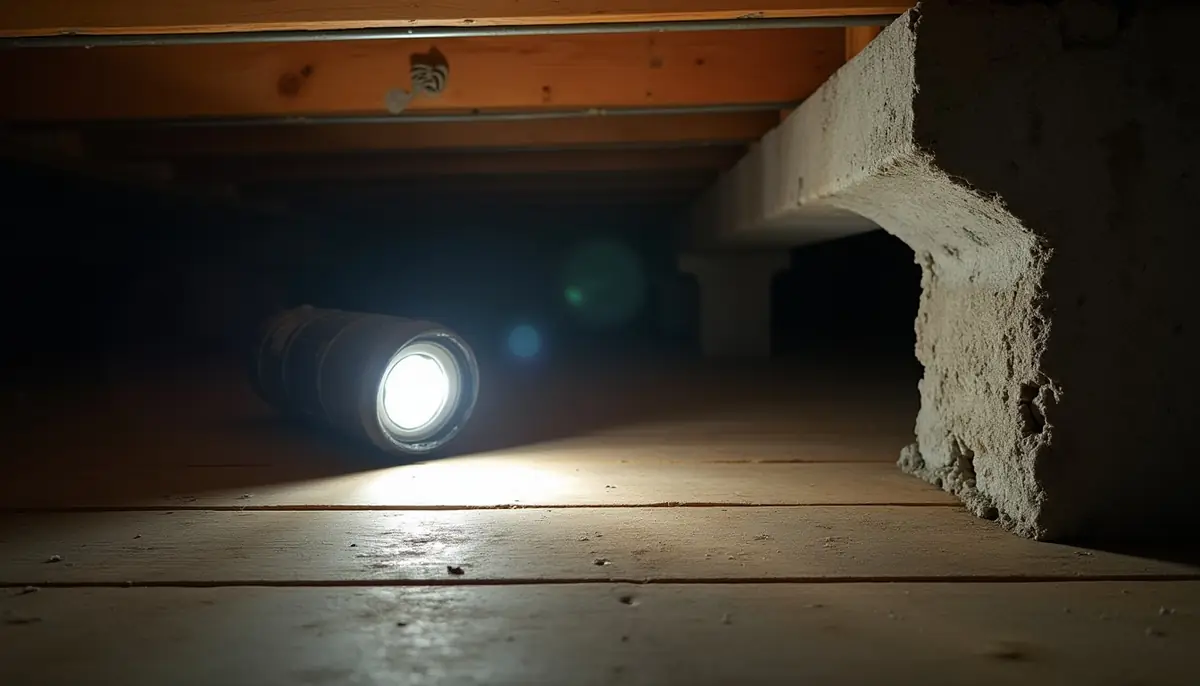
In the 2011 ISO form, the list of things Coverage A (the house) and Coverage B (other structures) do not insure includes, word for word: “(g) Birds, rodents or insects; (h) Nesting or infestation, or discharge or release of waste products or secretions, by any animals”. It sits in the same list as “Wear and tear, marring, deterioration” and settling and cracking. The older 1991 edition, also on file with Maine, says “(7) Birds, vermin, rodents, or insects”. Termites and carpenter ants are insects under either version.
Regulators tell consumers the same thing in plainer words. The Texas Department of Insurance’s Home insurance guide puts “Termites, insects, rats, or mice” in its list of what most policies do not cover, and its tip sheet says that if rodents and insects chew on your house, “your policy won’t pay for the repairs.” The California Department of Insurance lists “Termites” and “Insects, rats or mice” among perils generally not covered.
The collapse exception
The 2011 form’s Additional Coverage for collapse pays for direct physical loss involving abrupt collapse caused by “Insect or vermin damage, to a building or any part of a building, that is hidden from view, unless the presence of such damage is known to an ‘insured’ prior to collapse.” Three conditions follow from the text:
- It must be abrupt. The form defines abrupt collapse as “an abrupt falling down or caving in” that leaves the building or part of it unfit for its intended purpose.
- Standing is not collapse. A building or part “that is standing, even if it shows evidence of cracking, bulging, sagging, bending, leaning, settling, shrinkage or expansion” is excluded, as is anything merely “in danger of falling down.”
- Known damage is out. Once anyone in the household knows about the insect damage, the clause no longer covers a collapse from it. An inspection report that already noted the damage would likely count as knowing.
Even then, the form says loss to a deck, patio, fence, foundation and similar items is not included unless it results directly from the collapse of a building. The 1991 edition was looser: it covered collapse from “Hidden insect or vermin damage” with no abrupt test and no knowledge condition, only excluding “settling, cracking, shrinking, bulging or expansion.” Older policies still in force, and some insurers’ own forms, may differ. A non-ISO homeowners form on file with the Oklahoma Insurance Department (HOM-7030/EP 1/09) uses the same hidden-and-unknown test and excludes “birds, vermin, rodents, insects or domestic animals,” so at least one insurer’s own wording lands in the same place. Whichever company wrote yours, the form number is printed on the declarations page.
Why does homeowner’s insurance typically not cover termite damage?
Because the form insures sudden, accidental physical loss, and termite damage is slow and preventable. University of Kentucky entomologists describe infestations that “can go undetected for years,” hidden behind walls and floor coverings, with the outer surface of the wood often intact. They also note that termites “damage wood slowly,” so a few weeks spent choosing a treatment company is generally inconsequential.
How quickly that adds up depends on the species, as set out in damage timelines for each termite species. An insurer reads the same facts as gradual deterioration, which is why insects sit in the same exclusion list as wear and tear and settling.
Our guide to telling an active termite infestation from old damage covers the pencil-width mud tubes, swarmers and soil-lined galleries an inspector looks for.

Is termite damage ever covered by homeowners insurance?
Yes, in two narrow ways. First, the abrupt collapse cover described above, for hidden damage nobody knew about. Second, ensuing loss: the 2011 form says that after its exclusions, “any ensuing loss to property described in Coverages A and B not precluded by any other provision in this policy is covered.” If damaged framing lets a pipe break and water floods a room, the water damage may be paid while the termite repair is not. Our wider explainer on what homeowners insurance covers for pest damage applies the same logic to rodents, wiring and fire.
Does homeowners insurance cover carpenter ant damage?
Generally no, for the same reason: carpenter ants are insects, and nesting or infestation by any animal is excluded on its own line. UC IPM notes that carpenter ants “don’t consume wood like termites but excavate it,” often beginning “in an area where there is damage from water or wood decay,” and can then “compromise structural integrity.” That detail matters for a claim: decay and rot have their own exclusions too, so the question to put to an adjuster is whether a covered event, such as a sudden pipe leak, wet the wood in the first place.
The fibrous shavings described in our page on carpenter ant frass and what the sawdust pile tells you are the usual first clue.
UC IPM notes indoor nests are typically satellites of a parent nest outside, which is why the control steps in how to get rid of carpenter ants start with finding the nest.
If you are not sure which insect did the damage, the gallery patterns in reading wood damage from termites, carpenter ants, beetles or rot separate them: Kentucky notes that only termite galleries are lined with bits of soil.
What actually pays for termite damage
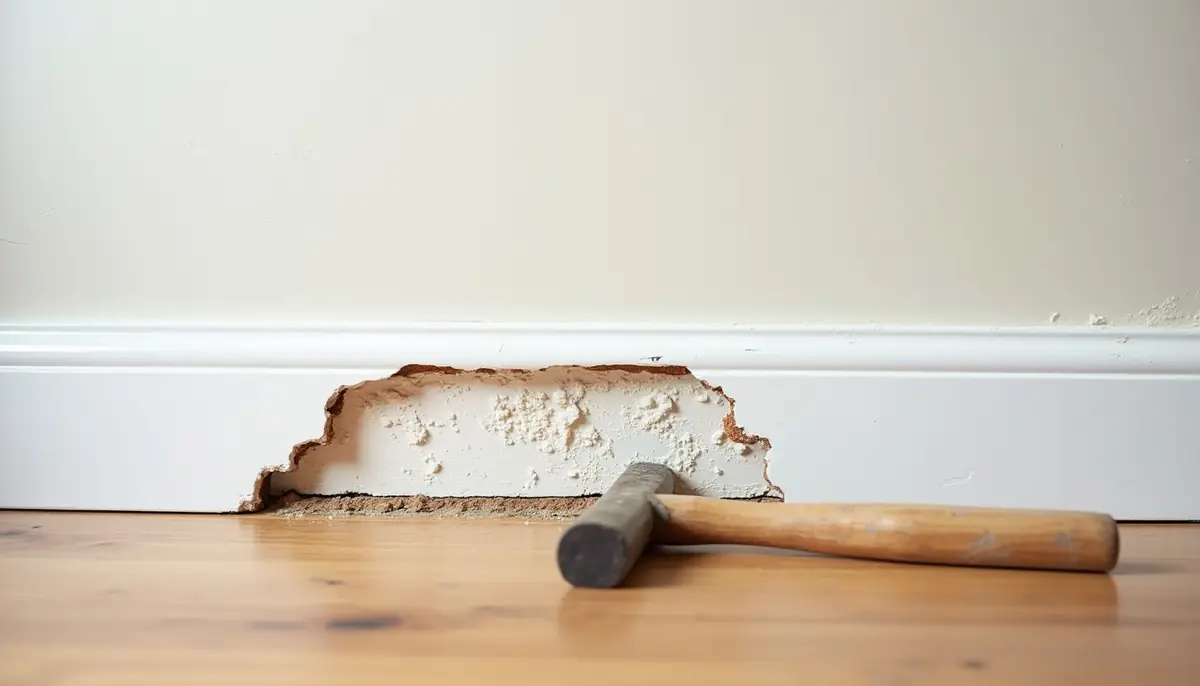
Since insurers exclude it, the money comes from prevention contracts and early detection. Kentucky notes that most companies will retreat at no extra charge if termites return, and that some will also repair damage occurring after their treatment, though “dating onset of termite damage is a hard thing to determine.” That is the gap between a retreatment-only bond and a repair bond, and the six terms worth checking are set out in our guide to termite bonds and what they actually cover.
- Treatment: $275 to $1,600 for most homes, whole-home jobs averaging around $1,500, per our termite treatment cost guide.
- Bond renewal: typically $200 to $400 a year to keep a bond in force.
- Inspection: a formal wood destroying insect (WDI) report costs $75 to $150, set out in termite inspection costs and who pays.
- Home warranties: a different product again; the contracts we read may cover some treatment but never the repair of damage, as recorded in what home warranty contracts say about pests.
Can you sue a previous homeowner for termites?
Possibly, if the seller knew and did not disclose, but that is a question for a real estate attorney in your state, and an insurance claim is not the route. Disclosure rules vary by state. In Texas, Property Code section 5.008 requires sellers of a single-dwelling home to give a disclosure notice that asks, yes or no, whether the seller is aware of “Active Termites (includes wood-destroying insects),” “Termite or Wood Rot Damage Needing Repair,” “Previous Termite Damage” and “Previous Termite Treatment.” The same notice says it “is not a substitute for any inspections,” which is why the WDI report at purchase matters. Keep the disclosure, the inspection report and any bond paperwork together.
Frequently asked questions
Can a house be saved from termite damage?
Usually, yes. Termite damage builds slowly, and University of Kentucky entomologists say the delay of a day, week or month while choosing a company is generally inconsequential. The usual sequence is professional treatment to stop the colony, then repair or replacement of damaged wood by a contractor, with insurance rarely paying for either. Our data on how often termites come back after treatment shows why the warranty matters after the first job.
What does minor termite damage look like?
Kentucky describes pencil-width mud tubes over foundation walls, piers and sill plates, and wood hollowed out along the grain with bits of dried mud or soil lining the galleries, which moisture or carpenter ants do not produce. Tiny holes in drywall with soil around the edges, and rippled or sunken paint, can also signal tunnelling.
Does homeowners insurance cover termite damage repair?
Not under the standard ISO form, which excludes loss caused by insects. The repair of damaged joists, sills or flooring is treated as the homeowner’s cost, unless the damage was hidden, unknown to you, and led to an abrupt collapse. A repair-type termite bond is the product that pays for repairs, up to its stated cap.
Does homeowners insurance cover termite treatment?
No. Treatment is prevention and maintenance rather than a sudden physical loss, and both the Texas and California insurance departments list termites among the perils most policies do not cover. Budget $275 to $1,600 for most homes, and compare a bond’s annual renewal of $200 to $400 against that.
Sources
- Insurance Services Office, Homeowners 3 Special Form, HO 00 03 05 11 (copyright 2010), and HO 00 03 04 91, both as published by the Maine Bureau of Insurance.
- Homeowners policy form HOM-7030/EP 1/09, as published by the Oklahoma Insurance Department.
- Texas Department of Insurance, Home insurance guide, and Five things your home policy won’t cover.
- California Department of Insurance, Residential Insurance: Homeowners and Renters.
- Texas Property Code, section 5.008, Seller’s Disclosure of Property Condition.
- University of Kentucky Entomology, ENTFACT-604, Termite Control: Answers for Homeowners.
- University of California Statewide IPM Program, Pest Notes: Carpenter Ants, Publication 7416.
- The Pest Control Brief cost guides for termite treatment, termite inspection and termite bonds (published estimates).