How Fast Do Termites Eat Wood? Damage Timelines by Species
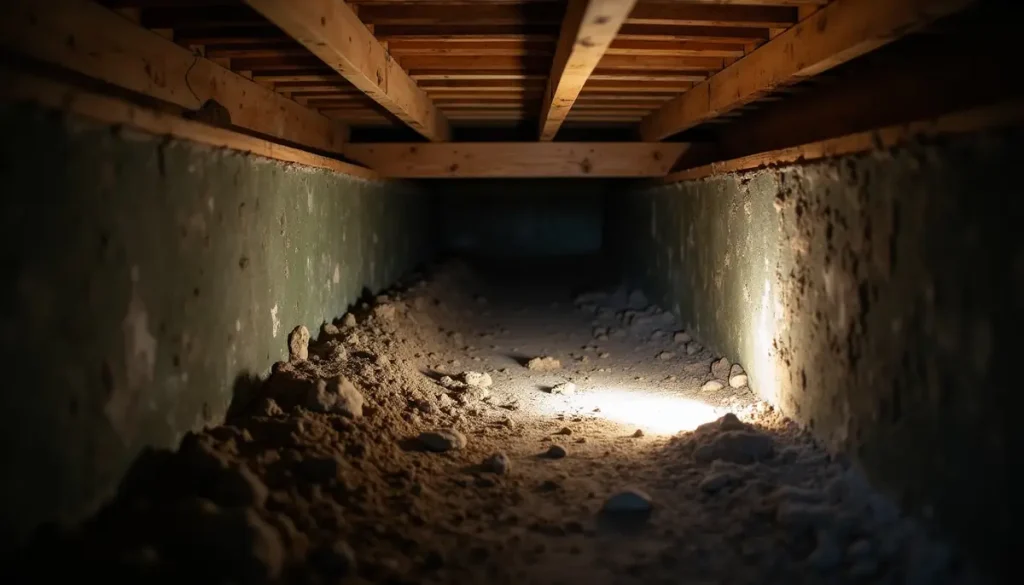
Termites eat wood slowly: NC State Extension estimates a colony of about 60,000 eats one foot of a 2×4 in roughly five months, and serious structural damage usually takes 3 to 8 years of feeding. A University of Georgia termite researcher puts an average colony lower still, at a 4-inch section of 2×4 a year. Formosan termites are faster only because their colonies hold several million termites, not because each one eats more. Drywood colonies, usually under 1,000 termites, are slower again.
Published feeding figures, side by side
| Source | Termite and setting | Published figure | What it works out to |
|---|---|---|---|
| NC State Extension, 2025 | Eastern subterranean, colony of about 60,000 | 1 foot of 2×4 in roughly 5 months | About 29 inches of 2×4 a year |
| University of Georgia (Forschler), 2006 | Native subterranean, average colony | A 4-inch section of 2×4 a year | One foot every 3 years |
| University of Georgia (Forschler), 2006 | Field populations, by season | 350 mg a day in March to under 2 mg | Feeding swings more than a hundredfold |
| USDA Forest Service, Haverty et al., 1999 | Native subterranean, Northern California, field | 0.8 to 1.3 g a day per monitoring station at the summer peak | The 400 to 500 g pine bundle in each station would last about 10 months to 2 years |
| Hapukotuwa and Grace, 2011 | Formosan, laboratory, 400 termites, 28 days at 82°F (28°C) | 1.32 g of wood eaten across three wafers | About 0.13 mg per worker per day |
| Su and Tamashiro, 1986 (as cited by Hapukotuwa and Grace) | Formosan, field | 25.2 mg of wood per gram of termites per day | About 2.5 per cent of the termites’ own weight daily |
| Utah State University Extension | Mature colonies of over 1 million | One pound of wood per day | The highest figure we found from an extension source |
Compiled by The Pest Control Brief from the named sources. Conversions in the last column are our arithmetic.
The spread is not sloppiness. The figures measure different things: a whole colony, one feeding site, or a jar of termites kept warm with nothing to do but eat. Laboratory rates are the ceiling. The field numbers from Georgia and California are what a colony actually manages across a year with a winter in it.
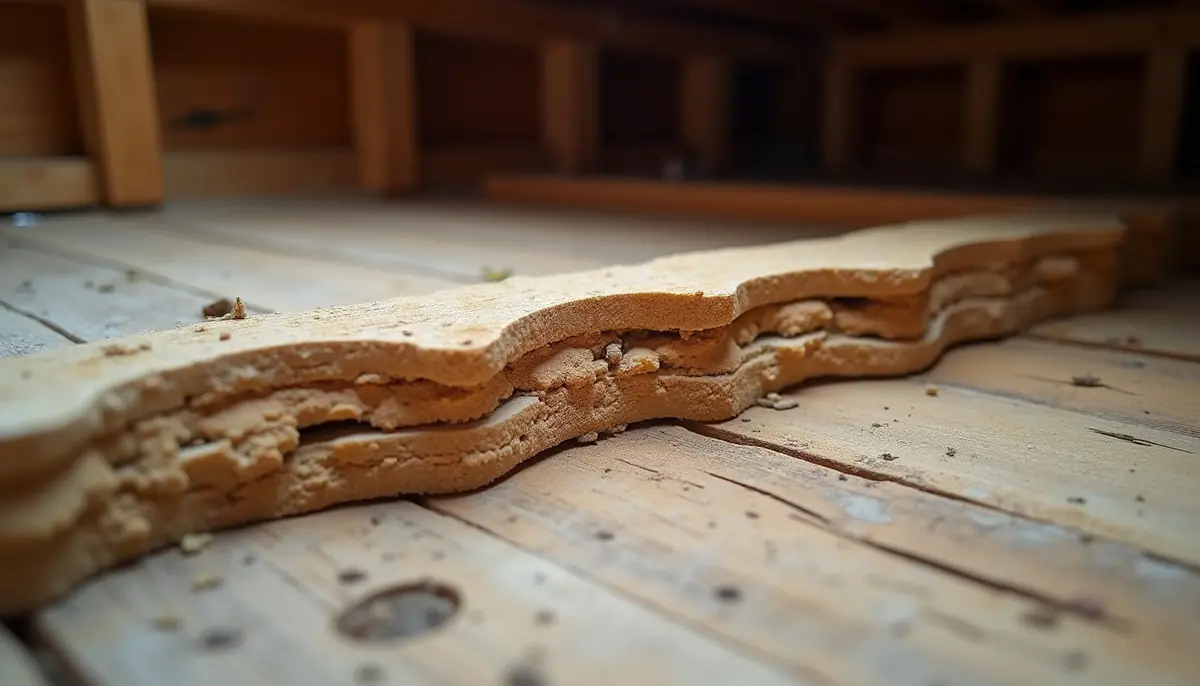
How fast do termites eat wood?
Per termite, extremely slowly. In the 2011 University of Hawaii laboratory study, 400 Formosan termites (360 workers and 40 soldiers) ate 1.32 g of Douglas fir, southern yellow pine and redwood in 28 days at 28°C. Spread across the workers, the only caste that eats wood according to UF/IFAS, that is about 0.13 mg each per day. A worker would need around 21 years to eat a single gram.
Speed comes from numbers. UC IPM says most subterranean termite species consume wood at about the same rate and that larger colonies eat more. Multiply the laboratory rate by published colony sizes and you get the range below.
Treat the model as an upper bound. It assumes every termite feeds at warm laboratory pace all year, which field colonies do not: UC IPM reports that foraging in California is minimal from November to February.
How much wood can a termite colony eat in a day?
Usually grams, not pounds. NC State gives an average eastern subterranean colony of roughly 300,000 insects; at the laboratory rate that is about 39 g (1.4 oz) a day at most. UF/IFAS puts native colonies at 100,000 to 1,000,000 termites, or about 13 to 130 g a day on the same assumption.
Utah State University Extension’s figure of one pound (454 g) a day for colonies of over a million sits above our model for a million termites (about 130 g) and close to it for 3 million (about 390 g). Claims of several pounds a day for an ordinary colony have no support in the extension or research sources we read. Forschler’s comment to UGA’s news service was blunter: “People say they can eat 15 pounds of wood in a minute and that’s just absurd.”
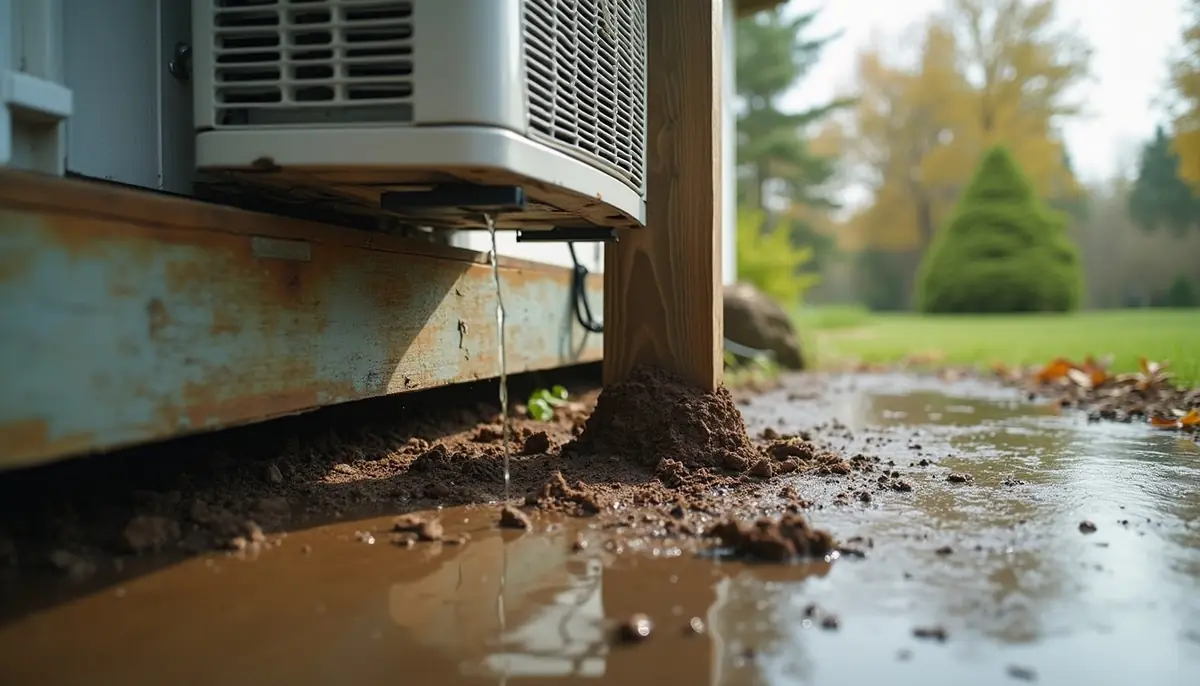
How long does it take termites to damage a house?
Years, in most cases. The published milestones run in this order:
- Year one. UC IPM says a new colony may have grown to only 75 individuals by the end of its first year.
- Years three to ten. UF/IFAS gives 5 to 10 years for a native colony to mature, and its original Formosan termite profile gives 3 to 5 years for a Formosan colony to reach a size that can cause severe damage.
- Unnoticed for 1 to 8 years. Utah State says an infestation can go unnoticed that long because the colony builds slowly at first.
- Serious structural damage after 3 to 8 years. That is NC State’s figure for ongoing feeding.
A mature colony already living in the yard skips the first steps, so damage can start sooner than the colony timeline suggests. NC State puts repair bills for well-established, overlooked infestations at upwards of $38,000, against treatment that usually costs $275 to $1,600 for most homes on our termite treatment cost survey. Standard homeowners policies generally exclude termite damage; see our guide to insurance and pest damage.
Do Formosan termites cause damage faster?
Yes, at the colony level. UF/IFAS states that a single Formosan termite doesn’t consume more wood than a single native subterranean termite, but because of its population size a Formosan colony can cause more structural damage in a shorter time. Its current profile describes colonies of several million that forage up to 100 m (about 330 ft) in the field. Against NC State’s average native colony of 300,000, that is roughly ten times the mouths.
Formosan termites also fill feeding galleries with carton, a mix of soil, chewed wood, saliva and droppings, which our guide to what a termite nest looks like shows. UF/IFAS lists them in Hawaii, across the Southeast, north to Virginia and inland to Tennessee, and estimates their US economic impact at more than $4 billion a year.
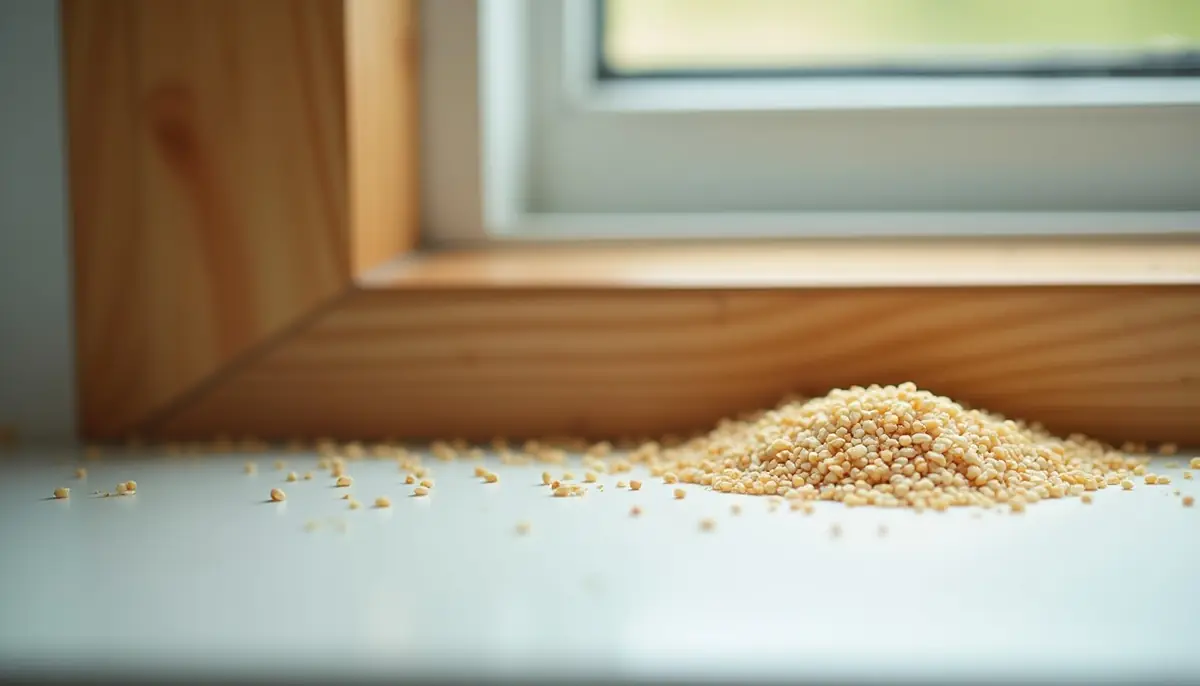
How fast do drywood termites eat wood?
Slowest of the three, because the colonies are tiny. UC IPM says drywood colonies usually hold fewer than 1,000 termites and take years to mature. Clemson Extension reports that a colony may have fewer than 50 workers and one soldier after two years, and usually produces no swarmers until year four or later. The University of Arizona notes that drywood colonies develop slowly enough that the cost of some control measures may not be warranted where damage is slight and limited to one or two small areas. Several colonies in one building multiply the pace, and an inspection should establish how many there are.
What makes termites eat faster
- Warmth. In a 2019 Journal of Economic Entomology study by Patel and colleagues, Formosan termites ate significantly more wood at 72 to 95°F (22 to 35°C) than at 50 to 59°F (10 to 15°C). UC IPM says consumption generally rises with temperature.
- Moisture and decay. UC IPM says decayed wood is eaten faster and preferred over sound wood, and UF/IFAS advises fixing leaky plumbing and air conditioning condensate around the house.
- Soil contact. UC IPM advises removing any wood in contact with the soil to reduce the chance of infestation.
- Wood type. In the Hawaii study, redwood lost under 5 per cent of its mass while Douglas fir lost a third.
- Season. Forschler found field colonies eat more in summer and less in winter. In Florida, UF/IFAS says established colonies feed year-long.
How termites eat wood, and what it leaves behind
Termites cannot digest wood alone. NC State Extension says eastern subterranean termites rely on gut bacteria and protozoa to break cellulose down into simpler compounds such as glucose, and Utah State notes workers pass these microbes to nestmates mouth to mouth. That is why termites eat wood at all, and why Utah State lists paper, plywood, cotton and burlap among the things they damage.
The damage is mostly hidden. UF/IFAS says subterranean termites hollow out wood until only a paper-thin surface is left, which may look blistered or peeling. Drywood termites leave six-sided pellets, which UC IPM calls diagnostic. Our guide to wood damage identification separates these from rot, beetles and carpenter ants.
What to do with this
Because damage usually builds over years, a termite find is rarely an emergency. It still calls for a licensed professional’s inspection to establish which termite it is and how far the feeding has gone. Our termite inspection cost guide covers what a WDI report costs. UF/IFAS stresses that live termites, not damage or mud tubes alone, confirm an active infestation.
Frequently asked questions
Can termites destroy a house in a year?
It is very unlikely. NC State Extension says serious structural damage typically takes 3 to 8 years of ongoing feeding, and UGA researcher Brian Forschler estimates an average colony eats a 4-inch section of 2×4 a year. Several colonies, a large Formosan colony or a persistent leak can shorten that, which is why a regular inspection matters in high-risk areas.
Do termites eat wood all year round?
Subterranean termites can feed year-round, but how much varies by season. UC IPM reports foraging in California is minimal from November to February, moderate in spring and autumn and high in summer. UF/IFAS says established colonies in Florida feed year-long, so a southern home faces no winter pause.
Do termites eat pressure-treated wood?
UF/IFAS says Formosan termites do not damage pressure-treated wood but can bypass it to reach untreated wood elsewhere in a structure. Its current profile adds that treated wood offers no guarantee of permanent protection. Treated sills and posts slow an attack; they do not stop termites eating the untreated framing above them.
How long can termites go unnoticed?
Utah State University Extension says a subterranean infestation can go unnoticed for 1 to 8 years because colonies build slowly at first. Swarmers in spring, mud tubes on foundations and blistered or hollow-sounding wood are usually the first signs. A professional inspection can find activity earlier, particularly in crawlspaces and behind wall coverings.
Sources
- NC State Extension, Mikaelyan A. and Hayes C., Biology and Behavior of Eastern Subterranean Termites, 2025.
- University of Georgia CAES, Termite myths busted by research findings (interview with Brian Forschler), 2006.
- Haverty M.I., Getty G.M., Copren K.A. and Lewis V.R., Seasonal foraging and feeding behavior of Reticulitermes spp. in a wildland and a residential location in Northern California, Environmental Entomology 28(6), 1999 (USDA Forest Service, Pacific Southwest Research Station).
- Hapukotuwa N.K. and Grace J.K., Preferences of Coptotermes formosanus and Coptotermes gestroi among three commercial wood species, Insects 2, 2011.
- Su N.Y. and Tamashiro M., Wood-consumption rate and survival of the Formosan subterranean termite when fed one of six woods used commercially in Hawaii, Hawaiian Entomological Society 23, 1986 (cited via Hapukotuwa and Grace, 2011; not read directly).
- Patel J.S., Tong R.L., Chouvenc T. and Su N.Y., Comparison of temperature-dependent survivorship and wood-consumption rate among two invasive subterranean termite species and their hybrids, Journal of Economic Entomology, 2019.
- UF/IFAS EDIS, Su N.Y., Scheffrahn R.H., Gordon J. and Chouvenc T., Formosan Subterranean Termite, EENY-121 / IN278, revised September 2025; and the archival EENY-121 by Su and Scheffrahn, 2000.
- UF/IFAS EDIS, Chouvenc T., Su N.Y. and Scheffrahn R.H., Native Subterranean Termites, EENY-212 / IN369, revised July 2024.
- Utah State University Extension, Subterranean Termites fact sheet (Utah Pests).
- University of California Statewide IPM Program, Pest Notes: Subterranean and Other Termites, Publication 7415, 2014; Pest Notes: Drywood Termites, Publication 7440, 2014.
- Clemson Cooperative Extension, Zungoli P.A. and Benson E.P., Drywood Termites, HGIC 2420.
- University of Arizona Cooperative Extension, Gouge D.H., Olson C. and Baker P., Drywood Termites, AZ1232, revised 2009.