Will Termites Eat Pressure-Treated Wood, Cedar or Concrete?
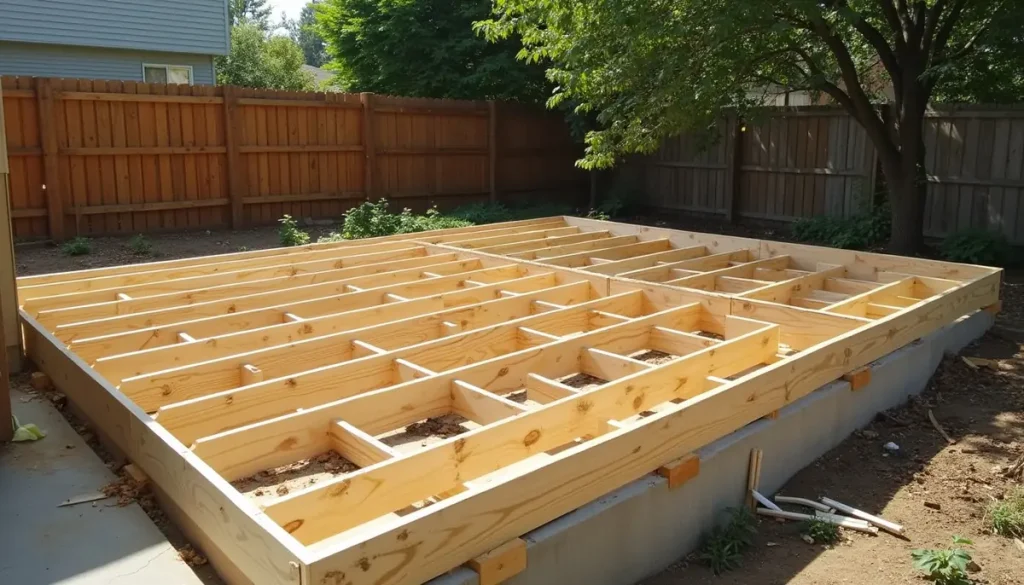
Termites rarely eat properly pressure-treated wood, but they still get into it through untreated cut ends, drilled holes and cracks, and they build mud tubes over its surface to reach untreated wood above. Treated lumber is termite resistant, not termite proof: University of Kentucky entomologists write that, contrary to popular belief, it is still vulnerable. How well it resists depends on the retention printed on the tag, whether the cuts were field treated, and whether it stays dry.
Material by material: what termites eat, tunnel through or ignore
| Material | Do termites eat it? | Where it fails |
|---|---|---|
| Pressure-treated pine, above ground (UC3B tag) | Resists feeding while the preservative is intact | Cut ends, notches and drilled holes expose untreated interior wood |
| Pressure-treated, ground contact (UC4A or UC4B tag) | Resists feeding; about 2.4 to 2.7 times the above-ground retention | Same cut-end problem; shelter tubes over it to untreated wood |
| Borate-treated framing (SBX) | Very effective against termites when kept dry (USDA FPL) | Leaches out if wetted; listed for protected indoor use only |
| Redwood heartwood | Fed on at least 50% less than pine and Douglas-fir by Formosan termites | Varies tree to tree; sapwood is not resistant |
| Cedar heartwood | Depends on the species: from no measurable loss to 16.5% loss in lab tests | Variable; western red cedar lacks a feeding test we could verify |
| Composite decking with wood fibre | Must pass ASTM D7032 termite testing where code requires protection | Wood framing underneath is ordinary lumber |
| Drywall | Paper faces are cellulose; termites bore small holes through it | Studs and plates behind it |
| Cardboard, paper, books | Yes, readily | Boxes against walls bridge treated soil |
| Rigid foam insulation | Tunnelled through, not eaten | Hides tubes from inspectors |
| Concrete | No | Cracks, expansion joints, pipe penetrations |
Compiled by The Pest Control Brief from USDA Forest Products Laboratory Wood Handbook chapters 14 and 15, Arango et al. 2006, Grace and Yamamoto 1994, University of Kentucky Entfacts 604 and 605, Zungoli 1999 and the residential building code.
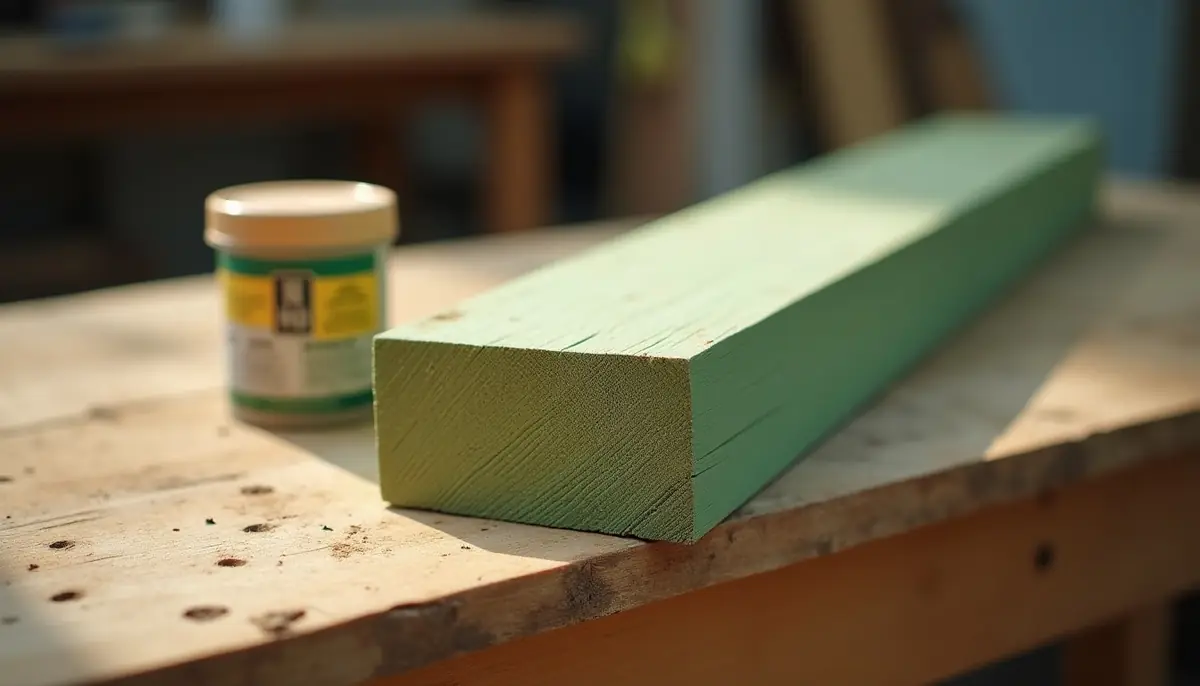
Will termites eat pressure treated wood?
Not readily, and not where the preservative reached. Pressure treatment drives preservative into the sapwood, and the USDA Forest Products Laboratory (FPL) notes that sawn lumber may have less penetration on one or more faces. FPL’s Wood Handbook is blunt about what happens next: cutting into treated wood after treatment will frequently expose the untreated interior and permit ready access to decay fungi or insects. That is why the International Residential Code (R317.1.1) requires field-cut ends, notches and drilled holes to be treated in the field to AWPA standard M4, a step done on site after the lumber leaves the plant.
The second route is over the top. UC IPM warns that if susceptible wood is used above treated wood, subterranean termites can build shelter tubes over the treated wood and infest the untreated wood above. Kentucky’s Entfact 605 sums it up: termites often enter treated wood through cracks and cut ends, or tunnel over the surface.
The tag is the protection level
The American Wood Protection Association (AWPA) use category on the end tag sets how much preservative is in the board. UC1 and UC2 are interior; UC3B is exterior above ground; UC4A is ground contact; UC4B is critical or hard-to-replace ground contact such as permanent wood foundations.
For the two copper systems most sold today, FPL’s Table 15-1 gives ACQ-D at 2.4 kg/m³ (0.15 lb/ft³) above ground and 6.4 kg/m³ (0.40 lb/ft³) for ground contact, and copper azole CA-C at 1.0 and 2.4 kg/m³. A board tagged for above-ground use set in soil carries well under half the preservative the standard expects there.
FPL’s stake plot at Harrison Experimental Forest in southern Mississippi, a warm, wet site, shows how long that lasts in the ground. Untreated pine stakes lasted 1.8 to 3.6 years on average. Stakes treated with the older CCA Type C at 6.41 kg/m³ had no failures after 35 years. Residential lumber now uses copper systems instead of CCA, so read this as proof that retention matters, not as a warranty for any one board.
Subterranean, Formosan and drywood termites
Subterranean termites, the native Reticulitermes species, reach treated wood from soil and are the case the code and the stake tests are built around. Formosan termites need more: FPL’s Table 15-1 lists a higher borate retention for areas with Formosan subterranean termites (4.5 against 2.8 kg/m³), and FPL notes Formosan colonies can nest above ground where wood stays wet from roof leaks. Drywood termites fly in and colonise dry, sound wood above ground, including decks and fences (UC IPM). Published testing of modern copper-treated lumber against drywood termites is thin; in one 2020 lab study (Kartal, Terzi and Yoshimura) borate-treated wood needed more than 6.8 kg/m³ to kill 80% or more of western drywood termites.
Do termites eat cedar?
Some cedars stop them almost completely and some only slow them, and the word cedar covers several unrelated trees. The best direct comparison is an FPL lab test by Arango and colleagues (2006), which fed eastern subterranean termites (Reticulitermes flavipes) blocks of 12 woods for four weeks.
Untreated southern yellow pine lost 41.3% of its mass. Atlantic white-cedar heartwood lost nothing measurable and killed every termite, though the authors note the test ran in winter when feeding is lower. Juniper heartwood, the genus that includes eastern redcedar, lost 8.4%. Alaska yellow-cedar lots lost 12.1 to 16.5%, which the authors rated only moderately resistant. Pine blocks given low-strength lab treatments of copper borate or copper naphthenate lost 18 to 23%; those were 0.1% solutions, far below commercial pressure treatment, so they show how much a weak treatment leaves on the table rather than how a stamped board performs.
Redwood has its own data. Grace and Yamamoto (1994) found Formosan termites fed at least 50% less on redwood and Alaska-cedar than on pine or Douglas-fir, with high termite mortality. A USDA Agricultural Research Service study that fed Formosan termites 10 commercial lumbers found redwood, Alaska yellow cedar, teak and three tropical woods caused better than 75% termite mortality over six weeks. Grace and Yamamoto, and FPL’s Wood Handbook, stress variation from tree to tree, and FPL notes untreated sapwood of essentially all species has low decay resistance. The Department of Energy’s Building America guide lists western red cedar among naturally pest-resistant heartwoods, but we could not find a published termite feeding test on it to read, so treat that rating with caution. FPL also cautions that decay resistance and termite resistance are correlated but not the same thing.
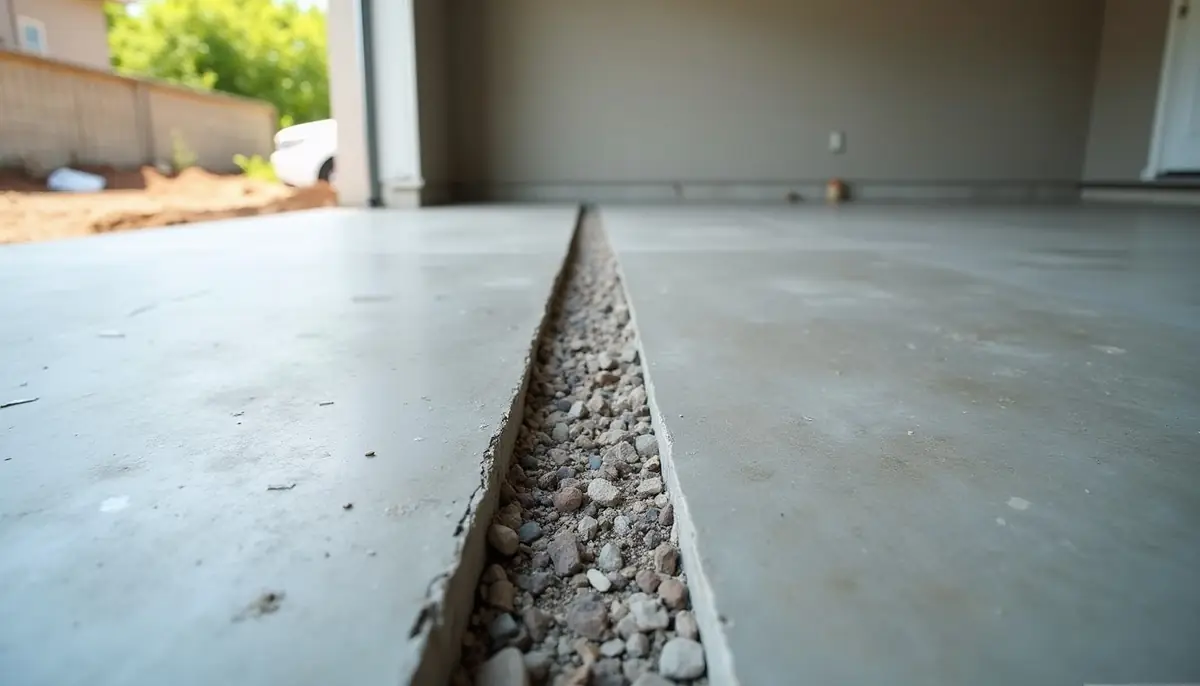
Can termites eat through concrete?
No. FPL lists concrete among the foundation materials termites cannot penetrate. They go around it. FPL warns that termites can work through some mortars other than cement mortar, that cellulose filler in slab expansion joints should be impregnated with a termiticide, and that untreated posts in a basement should rest on concrete piers. The Department of Energy’s Building America guide cites one study that found 83% of subterranean termites entering buildings came in through slab expansion joints, and the concrete masonry industry’s technical note TEK 03-09A puts the passable crack at 1/32 inch (0.79 mm). UC IPM adds that shelter tubes travel up concrete and stone foundations, and Kentucky warns that posts or stairs embedded in concrete usually extend through it to the soil.
Do termites eat drywall?
They eat the paper, not the gypsum. Drywall’s core is gypsum, a mineral, but its faces are paper, and Kentucky’s Entfact 604 says termites damage paper, books and insulation and occasionally bore tiny holes through drywall or plaster, leaving bits of soil around the edges. Rippled or sunken patches behind wall coverings can mean tunnelling underneath. Holes in drywall usually mean the framing behind it is the real target; our guide to reading wood damage shows how to tell termite galleries from rot and carpenter ants.
Cardboard, foam and composites
- Cardboard and paper. Kentucky lists cardboard boxes and newspapers as food that also gives hidden entry past treated soil when stacked against a foundation.
- Rigid foam insulation. Clemson’s Patricia Zungoli found no evidence termites gain nutrition from it, yet they tunnel through it extensively, and a borate-treated foam was tunnelled no less than untreated boards after six months. That is why the code bars foam against or under foundations below grade in the very heavy zone on our termite zones map unless an approved protection method is used.
- Composite decking. Where termite protection is required, code requires plastic composite deck boards containing wood or other biodegradable material to be termite resistant under ASTM D7032. The joists below are usually treated lumber with the same cut-end weakness.
Does pressure treated wood attract termites?
None of the extension sources we read describe treated wood as an attractant. What draws termites is food, moisture and decay: UC IPM notes decayed wood is eaten faster and preferred over sound wood. A treated post that stays wet, rots at a cut end or has soil heaped against it gives termites the same conditions as untreated wood. Our guide to what attracts termites covers moisture, mulch and wood-to-soil contact in detail.
Building with treated wood in termite country
- Buy the right tag: UC4A or UC4B for anything touching soil, never UC3B.
- Brush a field preservative onto every cut, notch and hole before installation, as IRC R317.1.1 and AWPA M4 require.
- Keep wood clear of soil: Kentucky advises at least 6 inches between soil and siding or frames; set posts and steps on concrete bases.
- Do not treat lumber as the whole defence. The code allows soil termiticide, baits, treated wood, naturally durable wood, physical barriers or steel framing, alone or combined. Our pretreatment guide covers costs, including borate-treated framing at 8 to 15% added to the framing budget.
Frequently asked questions
Is green treated wood termite proof?
No. Green treated wood was the common name for CCA, which FPL says dominated the market from the late 1970s until 2004 and can no longer be used for residential decks. Today’s copper-treated lumber resists termites where the preservative penetrated, but University of Kentucky entomologists note termites enter through cracks and cut ends or tunnel over the surface.
Is pressure treated wood termite resistant?
Yes, resistant rather than immune. In FPL’s Mississippi stake plot, untreated pine stakes lasted 1.8 to 3.6 years while CCA-C stakes at ground-contact retention had no failures after 35 years. Resistance depends on the retention on the tag, field treatment of cuts, and keeping untreated wood above it out of reach of shelter tubes.
Does borate-treated lumber stop termites?
Indoors, yes, largely. FPL describes inorganic boron as very effective against decay, termites, beetles and carpenter ants when used above ground and protected from wetting. Borates are highly leachable, so AWPA lists them only for protected uses such as framing lumber, with a higher retention for Formosan termite areas. They are not for decks, fences or posts.
Can termites damage treated wood without eating it?
Yes, in two ways. They can feed on untreated wood exposed at a cut end or crack inside a treated board, and they can build mud tubes across treated wood to reach untreated framing above, which UC IPM describes. Either way the treated piece looks intact while the damage happens elsewhere, so inspections should follow tubes, not stop at the treated sill.
Sources
- USDA Forest Service, Forest Products Laboratory, Wood Handbook (FPL-GTR-190, 2010): chapter 14, Biodeterioration of Wood (Clausen); chapter 15, Wood Preservation (Lebow), Tables 15-1, 15-5 and 15-6.
- Lebow and White, Durability of Wood in Construction, USDA Forest Products Laboratory.
- Arango, Green, Hintz, Lebow and Miller, Natural durability of tropical and native woods against termite damage by Reticulitermes flavipes, International Biodeterioration and Biodegradation 57: 146 to 150, 2006.
- Grace and Yamamoto, Natural resistance of Alaska-cedar, redwood, and teak to Formosan subterranean termites, Forest Products Journal 44(3): 41 to 45, 1994.
- USDA Agricultural Research Service, Learning What Wood a Termite Prefers (Cornelius and Osbrink), 2015.
- Kartal, Terzi and Yoshimura, Performance of fluoride and boron compounds against drywood and subterranean termites and decay and mold fungi, Journal of Forestry Research 31: 1425 to 1434, 2020.
- University of Kentucky Entomology, Entfact 604, Termite Control: Answers for Homeowners, and Entfact 605, Termites: Prevention Tips.
- University of California Statewide IPM Program, Pest Notes: Termites, publication 7415 (2014).
- Zungoli, Termite infestations in rigid board insulation: problems and solutions, Proceedings of the 3rd International Conference on Urban Pests, 1999; Smith and Zungoli, Florida Entomologist 78: 507 to 515, 1995.
- US Department of Energy Building America Solution Center (PNNL), Termite-Resistant Foundations and Walls.
- Concrete Masonry and Hardscapes Association, TEK 03-09A, Termite Control and Prevention in Concrete Masonry.
- International Residential Code sections R317 and R318 as adopted in the Florida Building Code (staff analysis DS 2020-015), and the California Residential Code provisions on termite protection and composite decking.