Can a Snake Come Up the Toilet? How Often and What to Do
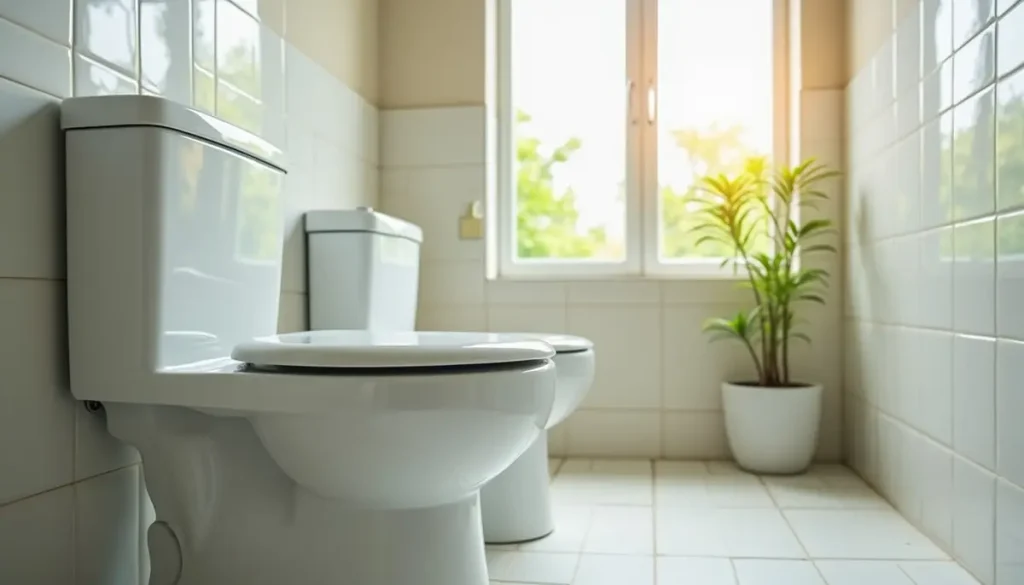
Yes, a snake can come up a toilet, but it is rare, and no agency in the US or elsewhere counts how often it happens. If you find one, close the lid, keep children and pets out of the room, do not flush, and call animal control or a snake removal service. Snakes usually reach a toilet by climbing a roof plumbing vent or through a broken sewer, septic or connected drain line. Most turn out to be harmless rat snakes or, in Australia, pythons.
The routes, and how to close each one
| Route | How the snake gets in | How likely | Fix |
|---|---|---|---|
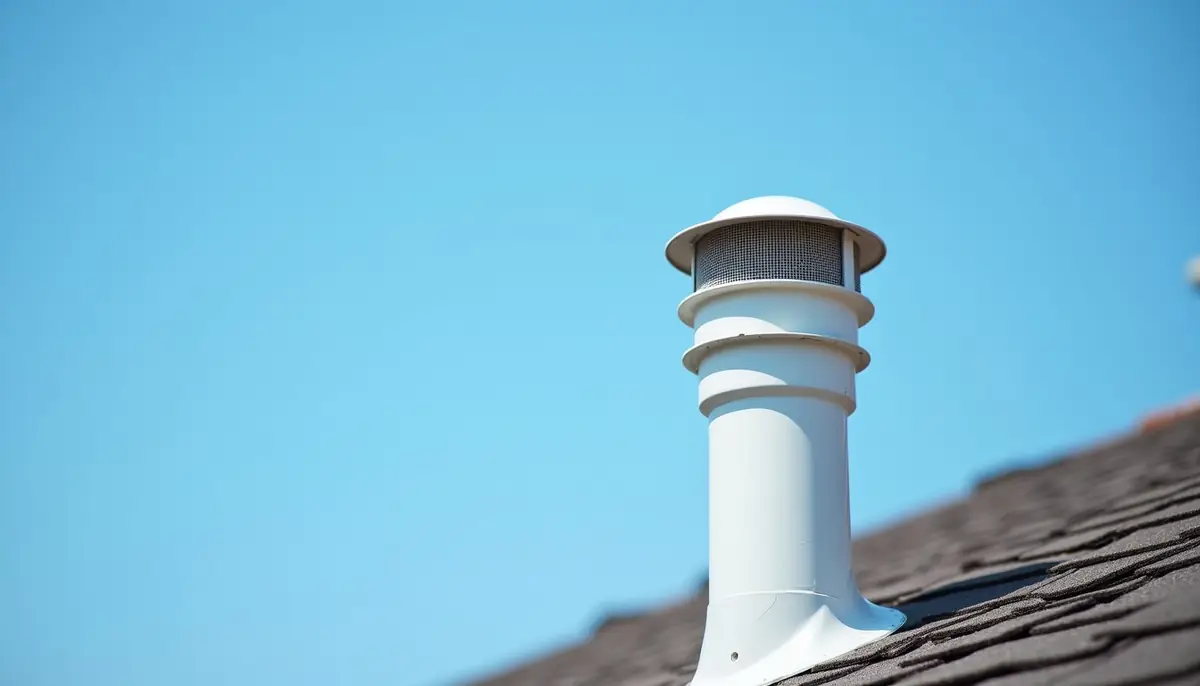
| Roof plumbing vent stack | A climbing snake goes up the wall or a tree, into the open vent and down the dry pipe | The route UF/IFAS names for climbing snakes such as rat snakes | Hardware cloth over the vent opening, fitted by a plumber |
| Broken sewer line or loose septic cover | Snake enters the pipe outside and follows it to the bowl | Cited by a Smithsonian herpetologist in a North Carolina case | Camera inspection and repair by a plumber |
| Open septic or treatment plant drainpipe | Snake enters the open pipe end | Mississippi State flags it for rural homes | Quarter-inch hardware cloth, checked so it does not block drainage |
| Drain linked to a rainwater drain | Snake travels from a yard or storm drain into the waste line | Suspected in a 2026 English case | Plumber to check connections and caps |
| Into the house, then into the bowl | Gap under a door or around a pipe; snake hides in the cool bathroom | UF/IFAS notes small snakes pass gaps no larger than a pencil | Door sweeps, seal gaps over a quarter inch |
Compiled by The Pest Control Brief from UF/IFAS publication WEC221, Mississippi State University Extension and the news reports listed below.
How rare is it?
Nobody knows the rate. We found no federal, state or Australian agency that records snakes in toilets as a category, so any percentage quoted online has no source behind it. The same gap exists for rats: our page on whether rats can swim up toilets found no US agency count either, though rat-in-toilet complaints are common enough that a city sewer programme responds to them. Rats travel through the sewer itself; for snakes, the published extension guidance focuses on roof vents and open or broken lines.
What exists instead is a handful of well-reported cases, and they show the routes clearly.
| Place and date | Snake | Suspected route | Report |
|---|---|---|---|
| Bracknell, Berkshire, England, August 2026 | Grass snake, about 3 feet | Drain connected to a rainwater drain about 1.5 metres away | BBC News |
| Cedar Creek, Texas, December 2024 | Snake under the toilet seat, species not reported | Roof vent; homeowner then covered the vent with wire mesh | WSVN 7News |
| Wynnum, Brisbane, Australia, January 2019 | Carpet python, non-venomous | Outdoor pipe | Asia Times, citing Brisbane Snake Catchers |
| Lattimore, North Carolina, 2017 | Snake about 6 feet long; the fourth snake in that home in six years | Possible leak in the septic system | Inverse, quoting Smithsonian herpetologist Nicole Angeli |
Compiled by The Pest Control Brief from the named news reports. These are individual cases, not a sample.
Why a snake ends up in a toilet
Snakes are not hunting people in bathrooms. Nicole Angeli, a herpetologist at the Smithsonian’s National Museum of Natural History, told Inverse that snakes may enter plumbing “looking for water or tracking prey animals that entered leaky pipes,” or “simply looking for a nice cool place to hide.” UF/IFAS makes the same point about houses in general: snakes may enter garages, basements or attics in search of prey if rodents are present, or slip in through a drain pipe or crack under a door looking for a cool hiding spot.
Rodents are the link worth acting on. A house with rats or mice in the walls or drains offers snakes food, and our guide to the signs of rats in the house lists the 11 clues to check. A vent stack is also simply a dry, sheltered pipe that a climbing snake can enter from the roof.
Which snakes turn up
In the eastern and central US, the climbers are the likely ones. UF/IFAS names rat snakes as the climbing snakes that can enter through roof vents and plumbing vent stacks, and our rat snake guide explains why they climb houses and bird boxes. Mississippi State says that in most cases the snakes seen around houses are harmless species such as garter, ribbon, ringneck, king or rat snakes, and UF/IFAS says most snakes found inside Florida residences are non-venomous.
Our garter snake page covers the other common yard species, the one most often met in northern gardens. In Australia, the reported cases we found involved carpet pythons, which are non-venomous.
Venomous snakes are possible, so identify from a distance. Our copperhead identification guide shows how to separate the copperhead, one of six venomous snakes Mississippi State lists for that state, from harmless look-alikes.
Rat snake records peak in May at 2.3 times their usual share of iNaturalist records and rise again in September and October; garter snakes run high from March to October. Those are the months a snake in the plumbing is most plausible.
What to do if you find a snake in the toilet
- Close the lid and leave the room. Shut the bathroom door and put a rolled towel along the gap.
- Keep children and pets away. UF/IFAS advises identifying an indoor snake from a safe distance while keeping children and pets away.
- Treat it as venomous unless you know otherwise. Mississippi State advises that unless you are skilled at identification, you treat all snakes as venomous and avoid the head; UF/IFAS says contact a professional and do not handle a venomous snake yourself.
- Do not flush. Stewart Lalor of Brisbane Snake Catchers advised people not to flush a toilet snake because it only pushes the snake further down the pipe.
- Do not pour chemicals into the bowl. Mississippi State notes that no fumigants, toxicants or repellents are federally registered for snake control.
- Call for removal. Animal control, a licensed nuisance wildlife trapper or a local snake removal volunteer. UF/IFAS points Florida residents to the Florida Fish and Wildlife Conservation Commission’s trapper list and warns the service carries a fee.
Published marketplace estimates on our snake removal cost page put a call-out at $150 to $600, averaging about $350, with $100 to $300 added after hours and $50 to $100 more for venomous species. A snake wedged in the trap may also need a plumber to remove the toilet; the Brisbane catcher described working with his hands in the bowl for long periods on similar jobs.
How to keep snakes out of the plumbing
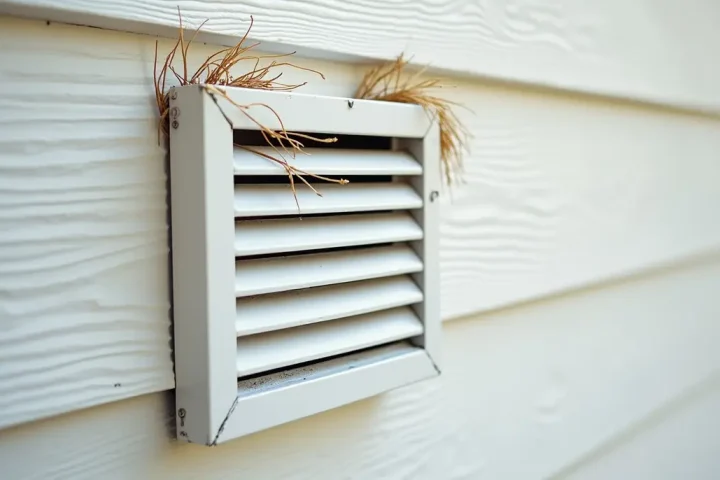
- Cover the roof vent stacks. UF/IFAS says plumbing vent stacks and other roof access points can be protected with inexpensive hardware cloth. Have a licensed plumber fit it so it does not restrict the vent, since local plumbing codes govern vent terminals.
- Screen open drainpipes. For rural homes, Mississippi State advises covering open septic or treatment plant drainpipe ends with quarter-inch hardware cloth and checking that the wire does not interfere with drainage.
- Cap cleanouts and repair broken lines. A missing cleanout cap or cracked sewer line is an open door to the pipe; a plumber’s camera inspection shows breaks.
- Seal the house. Mississippi State recommends closing all openings larger than a quarter of an inch and caulking where pipes and wires enter; UF/IFAS recommends door sweeps and checking them periodically.
- Remove the food. Rodent control does more than repellents: Mississippi State reports that home-remedy repellents from sulfur to mothballs failed in tests on black rat snakes. Our guide on what keeps snakes away and what is a myth covers yard cover and fencing.
- Deal with the prey. Our step-by-step rat control plan covers trapping and exclusion; snakes that follow rodents lose their reason to visit.
A mouse in the bowl is a related but different problem; our page on a mouse in the toilet explains how it got there and the CDC clean-up sequence.
Snake plants, toilet augers and other meanings
Frequently asked questions
What should I do if I find a snake in my toilet?
Close the lid, shut the bathroom door and keep children and pets away, as UF/IFAS advises for any indoor snake. Do not flush, which a Brisbane snake catcher says only pushes it further down the pipe, and do not pour chemicals in. Call animal control or a licensed wildlife removal service.
Why do snakes sometimes appear in toilets?
They are usually following water, prey or a cool place to hide. A Smithsonian herpetologist said snakes may track prey animals into leaky pipes. UF/IFAS notes climbing snakes such as rat snakes can enter through open plumbing vent stacks on the roof, and broken sewer or septic lines give ground-level access.
Will a snake unclog a toilet?
If you mean a plumbing snake, a closet auger is the tool designed for toilet clogs and is used from the bowl. A live snake will not unclog anything; a large one wedged in the trap or waste pipe can cause a blockage that needs a snake catcher and sometimes a plumber.
How do you keep snakes away from your toilet?
Cover roof plumbing vent stacks with hardware cloth, as UF/IFAS recommends, fitted by a plumber so the vent still works. Repair broken sewer lines, cap cleanouts, screen open septic drainpipes with quarter-inch mesh, and control rodents, which draw snakes into and around houses.
Sources
- Johnson S.A. and McGarrity M.E., Dealing with Snakes in Florida’s Residential Areas: Preventing Encounters, UF/IFAS Extension WEC221 (EDIS UW260), 2007, revised May 2025.
- Mississippi State University Extension, Reducing Snake Problems Around Homes.
- BBC News, man finds grass snake in his toilet in Bracknell, Berkshire, August 2026.
- WSVN 7News, Texas woman shocked to find snake under toilet seat; experts say such nasty surprises are rare, 20 December 2024.
- Asia Times, Brisbane family surprised to find python in their toilet, January 2019.
- Inverse, How does a 6-foot snake get stuck in a toilet? We asked a scientist, 2 October 2017.
- The Pest Control Brief analysis of iNaturalist research-grade records, pulled October 2026.