Birds Nesting in a Dryer Vent: Safe, Legal Removal
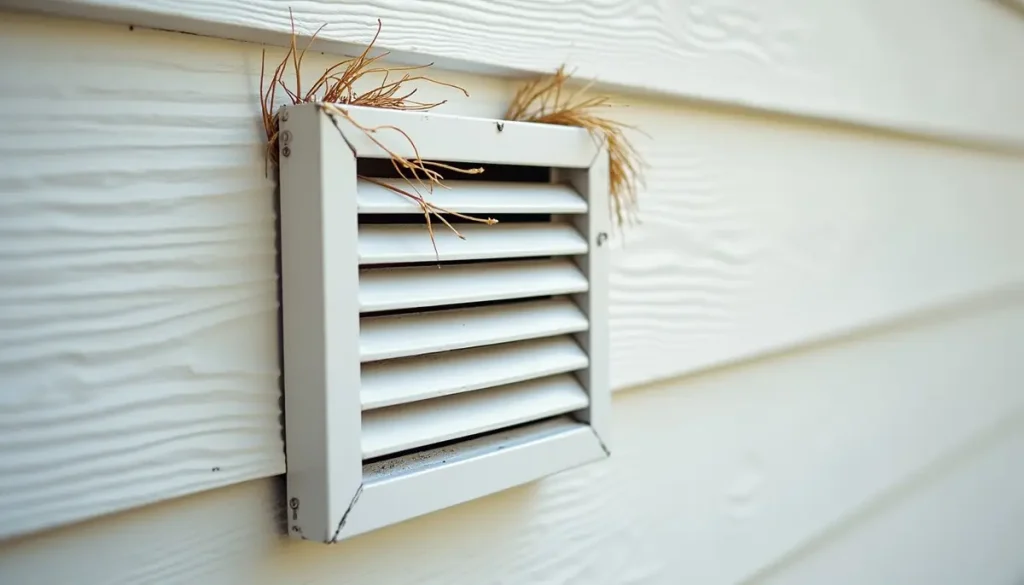
Birds in a dryer vent are most often house sparrows or European starlings, and because neither is protected by the Migratory Bird Treaty Act you can remove their nest at any stage. A native bird such as a wren is different: once there are eggs or chicks, the nest stays until the young fledge, which takes three to five weeks. Either way, stop using the dryer until the duct is clear.
The rule, and which bird it applies to
Federal law protects native birds and their nests in use, and leaves out a short list of introduced species. The two birds most often found in dryer and exhaust vents are on that list. The table is compiled by The Pest Control Brief from the US Fish and Wildlife Service notice at 85 FR 21262 (16 April 2020), Migratory Bird Permit Memorandum MBPM-2-02 (January 2025) and Cornell Lab of Ornithology life history data.
| Bird | Covered by the Act? | Nest with eggs or chicks | How to recognise the nest |
|---|---|---|---|
| House sparrow | No: the 2020 notice excludes Passeridae, “including house or English sparrow” | No federal bar to removal; check state law | Coarse dry vegetation stuffed until the hole is nearly full, lined with feathers, string and paper |
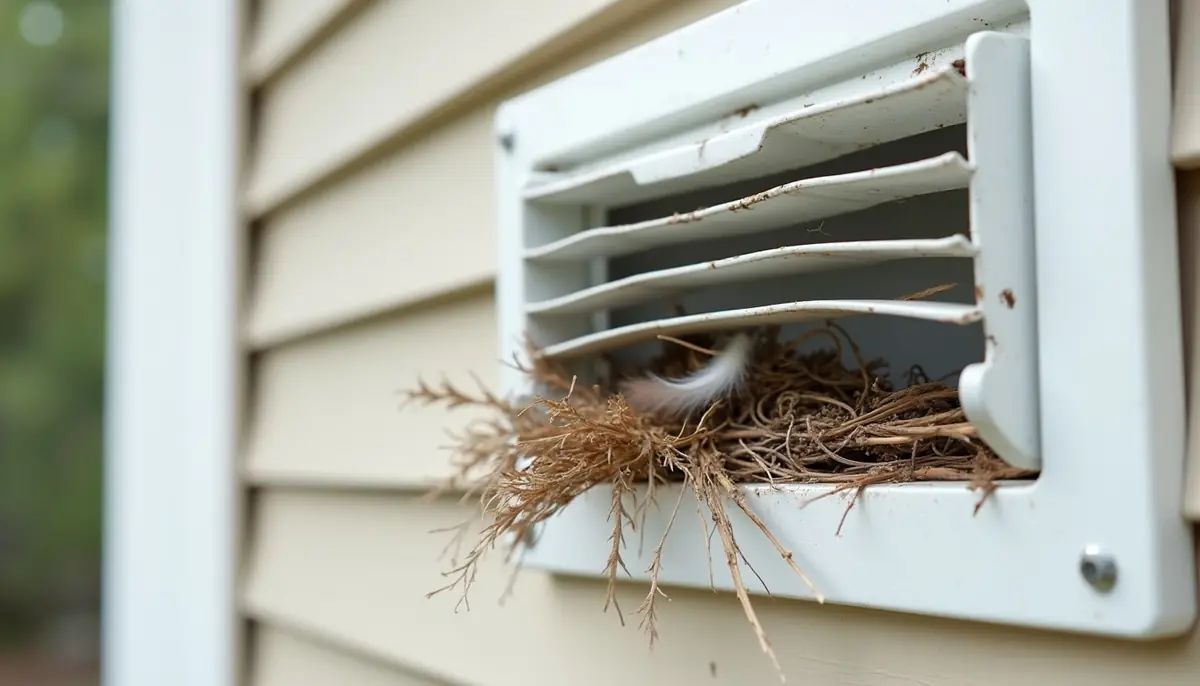
| European starling | No: Sturnidae are excluded except species in the Japan treaty | No federal bar to removal; check state law | Grass and pine needles with feathers, trash, cloth and string; fresh green plants added while nesting |
| House wren, Carolina wren | Yes, native | Leave it until the young fledge | House wren: a pile of twigs; Carolina wren: bulky, often domed, with a side entrance |
| Any other native bird | Yes | Leave it; removal needs federal authorisation | If unsure, treat it as protected |
The 2025 memorandum defines the timing. An “in-use nest” is “a nest that contains viable eggs or nestlings”, and it “remains in-use until nestlings fledge and are no longer dependent on the nest”. Destroying an in-use nest of a protected species needs authorisation. For an empty nest, the memo states “a permit or other regulatory authorization is not required to destroy a nest that is inactive”, provided no birds or eggs are harmed, and it recommends working “outside of nesting season”.
Two cautions. The memo adds that nests “may be protected by additional Federal, State, Tribal, and local laws”, so a state rule can be stricter than the federal one. And if you cannot see the bird, you cannot be sure which row applies; our guide to a bird nesting in a chimney flue deals with the same uncertainty for chimney swifts.
Why birds pick dryer vents
A dryer vent is a ready-made cavity. Cornell’s Lab of Ornithology says starling nests are “virtually always in a cavity, typically in a building or other structure”, and that house sparrows “nest in holes of buildings and other structures”. A 4 inch duct behind a louvred hood, warm and sheltered from rain, fits both. Starlings can build a nest in as little as 1 to 3 days, which is why a vent that was clear at the weekend can be packed by midweek.
The usual way in is a hood whose flaps no longer close, which defeats the backdraft damper the building code requires: lint holds them open, a flap has snapped off, or the hood is a cheap plastic type. A missing or stuck damper also lets mice in, which our guide to keeping mice out of a dryer vent without a fire risk covers in detail.
How long until the birds leave on their own
If the bird is protected, or you would simply rather wait, the clock runs from the first egg. Cornell’s figures for incubation plus the nestling period give the longest a nest is normally in use:
| Bird | Incubation | Nestling period | Broods a year |
|---|---|---|---|
| European starling | 12 days | 21 to 23 days | 1 to 2 |
| House sparrow | 10 to 14 days | 10 to 14 days | 1 to 4 |
| House wren | 9 to 16 days | 15 to 17 days | 1 to 2 |
| Carolina wren | 12 to 16 days | 10 to 16 days | 1 to 3 |
The broods column is the catch: house sparrows can raise up to four broods a season and Cornell notes they often reuse nests, so a sparrow nest left in place will usually be used again. Once the young have gone, remove the nest the same day and fit a proper hood before the pair returns.
Starling records on iNaturalist climb from February and peak in April and May, which matches when homeowners usually first hear chirping in a vent.
The fire problem: stop using the dryer
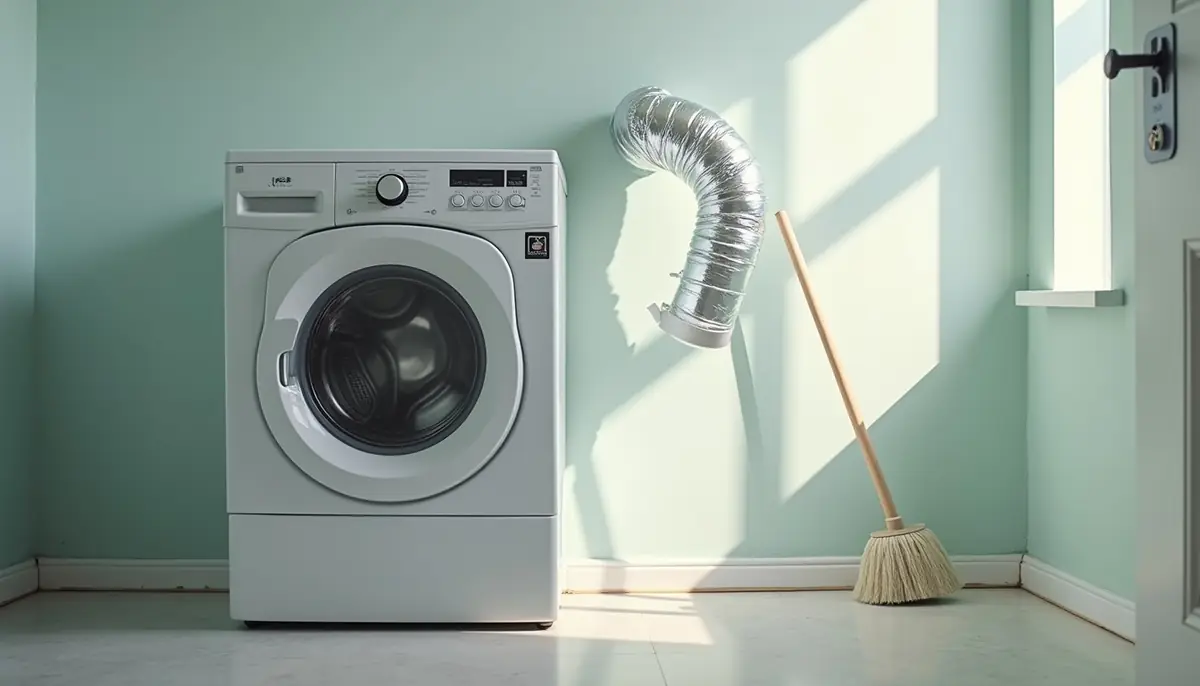
The US Fire Administration’s report on clothes dryer fires in residential buildings (2008 to 2010 data) estimates 2,900 such fires a year, causing about 5 deaths, 100 injuries and $35 million in losses. It names birds directly: blockage in dryer exhaust vents “also can occur from the nests of small birds or other animals”, and a vent that does not exhaust properly can overheat. Its safety list says to “check periodically to make sure nests of small animals and insects are not blocking the outside vent”.
Running the dryer with a nest in the duct pushes hot, lint-laden air into packed dry grass, the overheating USFA warns about, and it also harms any chicks inside. Signs the duct is blocked: loads taking two cycles, the laundry room getting hot or humid, a musty smell, or nest material poking out of the hood.
Getting the birds and nest out
If it is a house sparrow or starling
- Turn the dryer off at the control and, for gas dryers, leave the gas supply alone unless you know how to isolate it safely.
- Wait until the adults are away from the vent, then remove the hood or open the flaps.
- Pull out the nest by hand with gloves, or with a dryer vent brush from outside. Nests often extend well into the duct, so work from both ends: disconnect the duct behind the dryer and push the brush through.
- Bag the material and dispose of it. Live chicks of non-native species are not protected federally; a local wildlife rehabilitator may or may not accept them, so ask before you start.
- Fit a new hood the same day.
If it is a native bird with eggs or chicks
Leave the nest, do not run the dryer, and wait: Cornell’s figures put the longest normal wait at 32 to 33 days for Carolina and house wrens. If the dryer must work sooner, a licensed wildlife control operator can advise whether a federal or state permit route exists in your area; homeowners should not move the nest themselves.
Dead bird in the dryer vent
A chick that dies a few feet inside a 4 inch duct is out of reach from the hood. A persistent smell of decay from the laundry room usually means the duct has to be disconnected and cleaned end to end. Wear gloves and bag the remains.
After the nest: mites, cleaning and the right hood
Bird mites are the follow-up problem. Colorado State University Extension, quoted in our mite guide, explains that when the birds leave or are removed, mites left in the nest look for a new host and can wander into the laundry room and bite people; our guide to bird mites after a nest is removed explains why they cannot live on people and why removing the nest is the treatment. Take the nest material out of the house in a sealed bag.
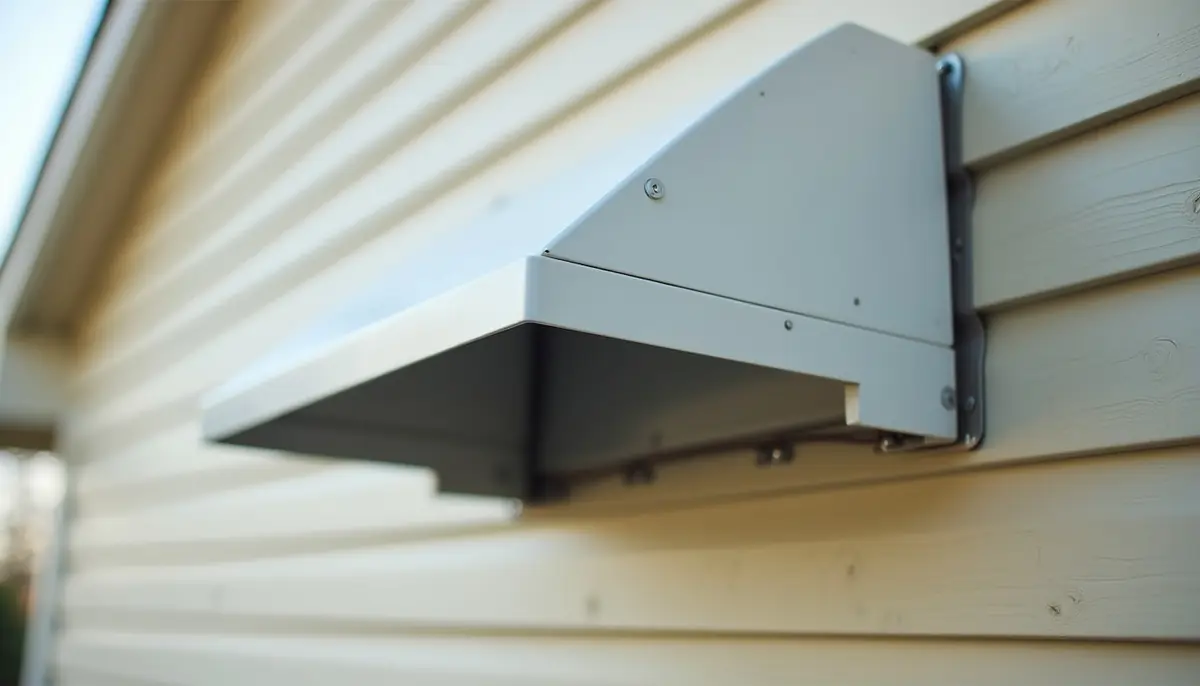
Then fix the termination. The International Residential Code, section M1502.3, says dryer exhaust terminations “shall be equipped with a backdraft damper” and “Screens shall not be installed at the duct termination”, because screens trap lint. That rules out wire mesh guards stapled over the opening, however bird-proof they look. What works:
- A metal hood with a gravity or spring damper that closes fully when the dryer stops.
- A hood without louvres that a bird can perch behind.
- A clean duct, so lint does not hold the damper open.
- Metal duct rather than plastic; USFA notes manufacturers now say not to use plastic flexible ducts.
Whether a particular commercial bird guard counts as a screen is a judgement for your local building official, since adopted codes vary by state. A bird in a bathroom exhaust vent is the same species and law but a different fan and duct, with its own steps.
What it costs
Most nests come out for the price of a vent brush and a new damper hood. For a professional visit, published estimates in our bird control cost guide put inspection at $100 to $250 and labour at $50 to $150 an hour, with a typical job around $500.
Our broader wildlife removal cost figures put an inspection at $100 to $300, usually credited against the job.
If the house has repeated vent, soffit and gap problems, a whole-house job priced as pest exclusion services may be cheaper than fixing openings one at a time.
If the nest turns out to be shredded insulation and paper with small droppings rather than grass and feathers, the animal is a mouse, not a bird. Clean that up wet, not dry, following the CDC method in our guide to mouse droppings and hantavirus cleanup.
Mice that used the vent may already be indoors; our full plan for getting rid of mice in the house covers trapping and sealing the 1/4 inch gaps they use.
Frequently asked questions
How do I get rid of birds in my dryer vent?
Stop using the dryer, identify the bird, and check the law. House sparrow and starling nests can be removed at any stage under federal law; a native bird’s nest with eggs or chicks must stay until the young fledge. Then clean the duct from both ends and fit a metal hood with a working damper, never a screen.
What to do if a bird builds a nest in your dryer vent?
If it is still building and no egg has been laid, the 2025 Fish and Wildlife Service memo treats the nest as inactive, so remove it straight away and close the hood. If eggs or chicks are present and the bird is native, wait: Cornell’s data put fledging at three to five weeks from the start of incubation.
Can a bird get into your dryer vent?
Yes, when the hood’s flaps are stuck open by lint, broken, or missing. A sparrow is 5.9 to 6.7 inches long, according to Cornell, and squeezes behind louvres easily. A metal hood with a damper that closes fully when the dryer stops is the fix the building code allows.
What smell do birds hate the most?
No smell has published evidence for clearing birds out of a vent. Methyl anthranilate, a grape-flavoured compound, is the active ingredient in EPA-registered bird repellents such as EPA Reg. No. 88889-1, but those labels cover areas where birds gather, not dryer ducts. Never put anything flammable or sticky in the lint path; a damper hood does the job.
Sources
- US Fish and Wildlife Service, List of Bird Species To Which the Migratory Bird Treaty Act Does Not Apply, 85 FR 21262, 16 April 2020.
- US Fish and Wildlife Service, Migratory Bird Permit Memorandum MBPM-2-02, Authorizations to take migratory bird nests and contents, 15 January 2025.
- Cornell Lab of Ornithology, All About Birds life histories: European Starling, House Sparrow, Northern House Wren, Carolina Wren.
- US Fire Administration, Topical Fire Report Series, Clothes Dryer Fires in Residential Buildings (2008 to 2010).
- International Code Council, International Residential Code, section M1502.3 (2021).
- US EPA, pesticide product label, EPA Reg. No. 88889-1 (methyl anthranilate 20 per cent), 2022.
- The Pest Control Brief analysis of iNaturalist research-grade records, pulled October 2026 (b19 to b30 files).