Pest Exclusion Services: What You Get and What It Costs
Pest control exclusion services seal the gaps pests use to get in, rather than spraying or trapping what is already inside, and a whole-house rodent job is a published $1,000 to $3,000. You should get a written list of openings, named materials, the sealing itself, and a warranty that says what voids it. Limited jobs are priced far lower, and bats, squirrels and insects each change the scope. Every price here is a published estimate unless we say otherwise.
Scope of work, by pest
| Pest | Gap to close | Where the crew must look | Materials that hold up | Limit on the work |
|---|---|---|---|---|
| Insects and spiders | 1/16 inch; 1/8 inch for lady beetles | Door bottoms and corners, pipes and wires, fascia | Door sweeps, silicone or acrylic latex caulk, foam weatherstrip under sliders | Seal in late spring or summer, before adults fly to buildings |
| Stink bugs | Screen mesh 1/6 inch or smaller | Window and door gaps, roof flashing, vents | Caulk; fine screen behind attic vents, since standard hardware cloth failed | Summer, before they begin entering |
| House mouse | 1/4 inch tall, 3/8 inch wide | Utility lines, foundation line, doors, attic and crawl space vents | Metal or concrete, not plastic screening, rubber, vinyl, expanding foam or wood | Trap first, then finish sealing |
| Rat | 1/2 inch; seal all holes over 1/4 inch | As for mice, plus vents and low windows | 19-gauge 1/2 inch wire cloth, sheet metal on gnawed doors, never chicken wire | Trap first, then finish sealing |
| Bat | Can pass 1/4 inch; seal holes over 1/2 inch and cracks 1/4 by 1 1/2 inches | Roofline and eaves, watched at dusk | Caulk, 1/4 inch hardware cloth, one-way netting first | Not while flightless young are present: May to September in California, unlawful April 15 to August 15 in Florida |
| Tree squirrel | 1.5 inches, and it enlarges smaller holes | Vents, chimneys, knotholes, gaps under eaves | Sheet metal or 1/4 inch hardware cloth | Never close an opening still in use |
Compiled by The Pest Control Brief from University of Kentucky ENTFACT-641, 416 and 654, UC IPM Pest Notes 7483, 74106, 74150 and 74122, Nebraska G1924 and University of Florida guidance. State dates vary, so confirm with your wildlife agency.
The chart is the reason scope drives price. A job built to the rat figure leaves young rats and every mouse a way in, and UC IPM tells crews to seal anything over 1/4 inch for that reason. Sealing to Kentucky’s 1/16 inch insect figure is a different, more labour-heavy job, and University of Kentucky entomologist Michael Potter says comprehensive pest proofing is labour-intensive and sometimes impractical. Ask which pest the quote is built around. The do-it-yourself order of work is in how to pest-proof your home.
Scope checklist for a written quote
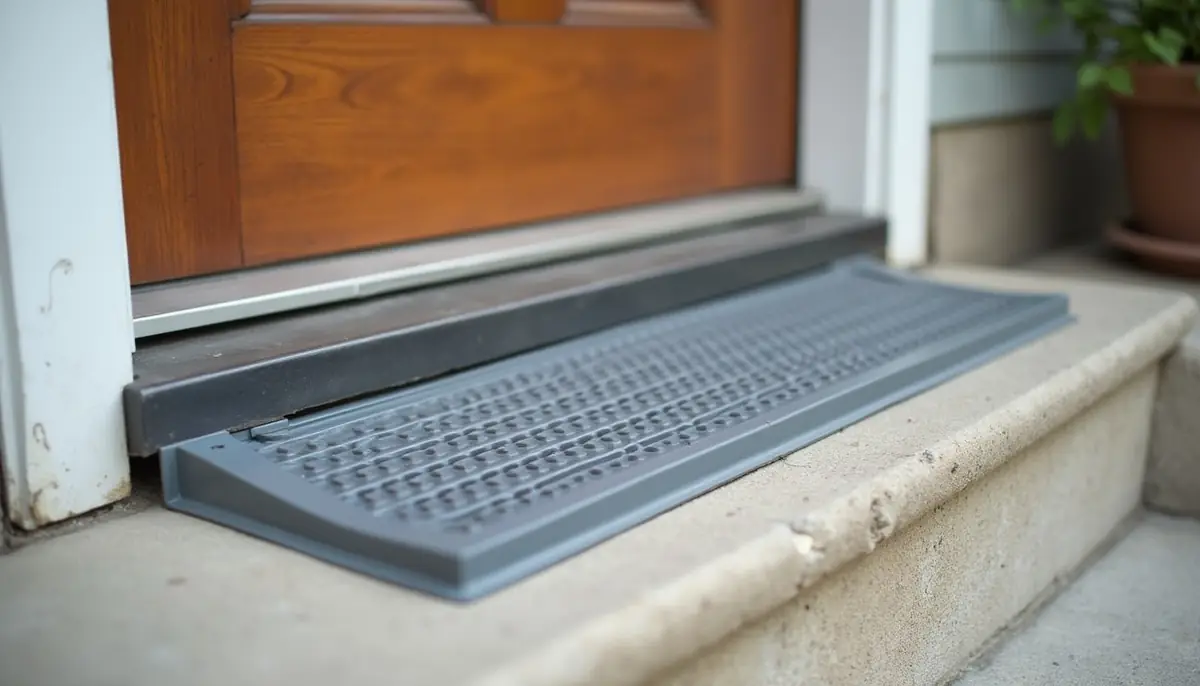
- An entry-point list. Every opening by location and size, with its material. The National Park Service manual includes a model inspection form, so this is a normal thing to ask for.
- Interior and exterior, stated separately. CDC’s seal-up list names 13 interior locations (behind appliances, around pipes under sinks, floor drains, the attic) and 5 exterior ones (rafters and soffits, the foundation line, vents, utility holes). In a 2024 Rutgers trial of 156 apartments, high labour cost limited interior sealing to 20 units, which is exactly the kind of cut a quote can hide.
- Who gets the animals out, and when. Terms vary, and some plans leave trapping out. Nebraska’s rule for squirrels is to never secure an opening unless certain it is no longer in use. UC IPM’s check is to plug the hole loosely with newspaper, since a squirrel inside will remove it. For bats, UC IPM leaves netting up for 7 days; Florida requires at least 4 consecutive nights above 50 degrees F.
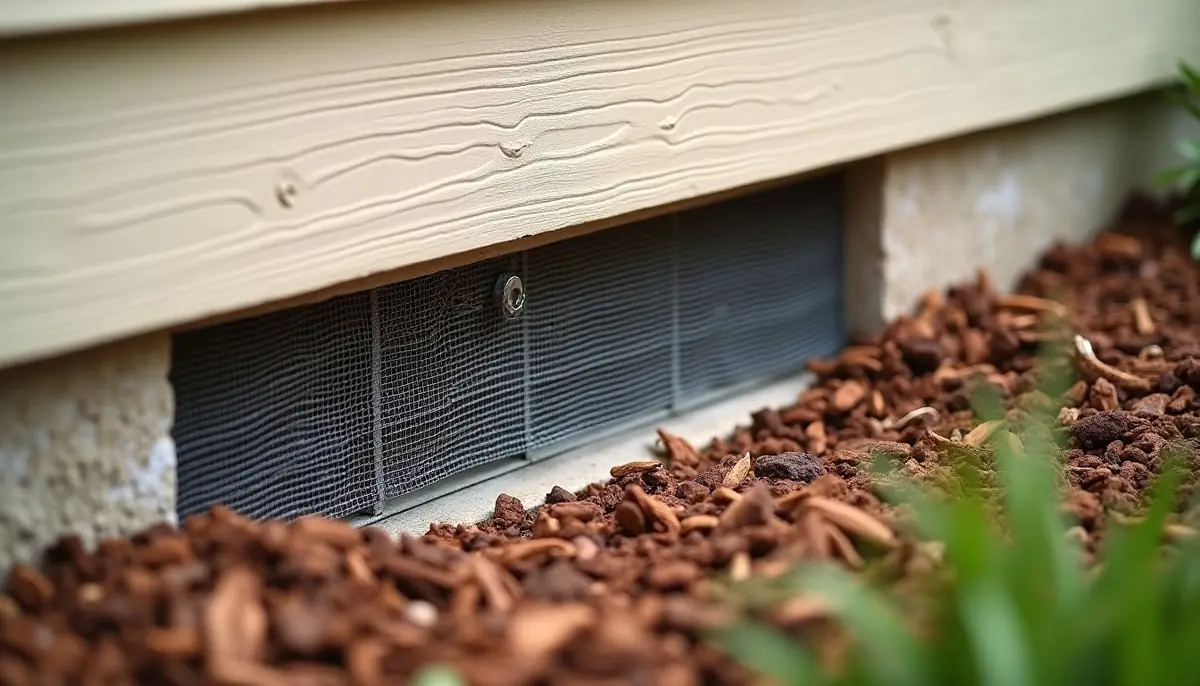
- A vent plan. Hardware cloth finer than 1/2 by 1/2 inch significantly reduces airflow, the Park Service warns, and fine screens can clog with dust or freeze over. Kentucky recommends 1/4 inch over vents and finer for stink bugs, so a crew has to choose. Ask what they chose and why.
- Attic work, if any. Attic sealing and attic cleanup are separate jobs. See squirrels in the attic for the timing problem.
- A check after the work. Photos or a walk-round of each sealed point. In that trial, researchers sent an experienced contractor back to 13 of 20 apartments for missed entry points, and missed points were also found on the exterior of both buildings.
- Repeat inspections. The Park Service advises exterior checks at least twice a year: spring for winter damage, autumn before rodents move in.
What a federal exclusion contract demands
Appendix D of the National Park Service Rodent Exclusion Manual (2019) is a sample contract for hiring a rodent-proofing contractor, drafted for Joshua Tree National Park. None of the cost guides or company pages we read uses it. You may not win every term on a house, but it shows what a careful buyer writes down.
| Term | What the contract says | What to ask a home contractor |
|---|---|---|
| Workmanship | At minimum a five year guarantee | How many years, and is it in the contract? |
| Inspection | Contractor and owner inspect all sites, including attics, before work | Can I walk it with you? |
| Written record | Written report of entry points not in the plan | Will new openings be listed before they are billed? |
| Steel wool | Prohibited | What goes in small holes instead? |
| Caulk | Life expectancy of at least five years | Which product, and what is its stated life? |
| Hidden damage | Stop work if rot or termite damage may compromise the exclusion | What happens if you find rot? |
| Cleanup | Droppings and nests removed following CDC guidelines | Is cleanup in this price? |
Sources disagree on steel wool, which is worth knowing when you read a quote. CDC tells householders to fill small holes with it and add caulk around it; UC IPM calls it a good temporary plug that may rust. Our exclusion materials guide covers gauges and failure modes.
What exclusion costs
| Job | Figure | Source and status |
|---|---|---|
| Mouse sealing added to a job | $50 to $300 | Fixr estimate |
| Handyman sealing, up to three hours | $100 to $300 | Fixr estimate |
| One entry point plus light cleaning | $100 to $500 | HomeGuide estimate |
| Multiple entrances, up to four visits | $500 to $1,500 | HomeGuide estimate |
| Whole-house rodent exclusion | $1,000 to $3,000 | Our rodent removal cost page, estimate |
| Bat exclusion, per entry point | $100 to $400 | Our bat removal cost page, estimate |
| Bat exclusion, whole job | $500 to $2,500 | Our bat removal cost page, estimate |
| Extra wildlife exclusion door | $225 to $400 each | Our wildlife removal cost page, estimate |
| Apartment sealing, one 2022 contract | About $247 per apartment | Wang and colleagues, 2024: a recorded contract price |
| In-house crews, three national parks | About $600 per structure | 1994 study cited by the Park Service, not adjusted for inflation |
Compiled by The Pest Control Brief from the named sources. These run from $50 to $3,000 because they price different jobs: a few gaps stuffed with copper mesh against an entire building envelope. No federal price series exists to settle it, and we found no named estimator publishing a per-foot price. Compare quotes by number of openings, by material and by whether trapping and cleanup are in, and ask for a fixed price against the written list.
Is exclusion better than spraying?
For anything coming in from outside, it lasts longer: Kentucky calls sealing the more permanent way to exclude pests from outdoors, and UC IPM ranks exclusion first for both mice and rats. It is not a replacement. As our pest-proofing guide sets out, it does nothing for bed bugs arriving in luggage, pantry moths in food packaging or termites approaching through soil.
It is also not proven to beat good trapping on its own. In a 2024 Rutgers trial across 156 apartments, adding exclusion to traps and bait sped the early decline in mice, 53 to 24 per cent at six months, but did not lower new infestations by 18 months, when the sealed group sat at 26 per cent against 10. The authors blame missed entry points, doors left ajar and partial interior work, and call for more study. Those were apartment blocks, and we found no comparable trial on detached houses. Treat sealing as a job to be checked.
Warranties and their limits
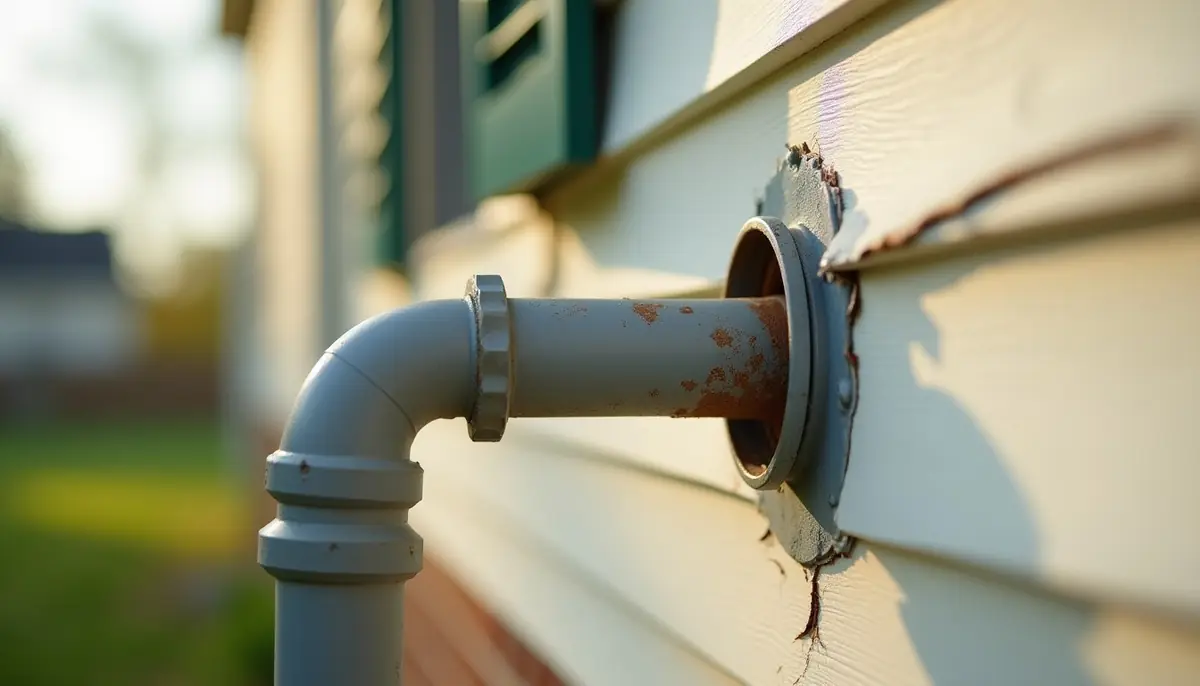
The Park Service manual is blunt: exclusion is never permanent, because weather, settling and construction change the building. It adds that door sweeps need frequent repair and foam can break down in sunlight. Published terms deserve close reading too. One company’s exclusion plan keeps its guarantee alive only while a monitoring subscription stays active, and our review of pest control guarantees found one residential agreement capping liability at six months of fees.
Before signing, get answers on:
- Length in years, with the five year Park Service figure as your benchmark.
- Which pests, by name. A rodent warranty may not cover a squirrel or a bat.
- Which parts: fixed metal work against door sweeps and sealants, which wear out.
- Whether return visits are free, and whether damage is covered or only re-sealing.
- What voids it: new contractors, roof work, or stopping a monitoring plan.
Who does the work, and whose licence applies
| Provider | Fits | Check first |
|---|---|---|
| Pest control company | Mice, rats and insects, often with trapping or a treatment alongside | State pesticide licence with your state regulator. A structural licence alone may not cover wildlife |
| Wildlife control operator | Bats, squirrels, raccoons and roofline work | State permit. New York bars charging a fee to take, possess, transport or release nuisance wildlife without a licence, and lists exclusion methods as a training topic. Connecticut requires a licence before engaging in the business of wildlife control |
| Handyman or carpenter | Sealing an empty building, door sweeps, vent screens | No pesticide application or animal handling unless separately licensed. Whether sealing alone needs a licence varies, so ask your state agency |
Frequently asked questions
What is exclusion in pest control?
Exclusion is physically closing the openings pests use to enter a building, with materials such as sheet metal, hardware cloth, concrete, door sweeps and caulk, instead of spraying or trapping. The Park Service sums it up as finding access points, eliminating holes of 1/4 inch or larger, and removing food, water and shelter.
How much does pest exclusion cost?
Published estimates run from $50 to $300 for a few mouse gaps, $500 to $1,500 for multiple entrances, and $1,000 to $3,000 for a whole-house rodent job. Bat work is a published $100 to $400 per entry point. Scope explains most of the spread, so compare quotes against a written list of openings.
Is exclusion better than spraying?
For pests entering from outside, sealing usually lasts longer, and Kentucky extension calls it the more permanent approach. It does nothing for bed bugs or termites, and a 2024 Rutgers trial found it did not lower new mouse infestations compared with traps and bait over 18 months. Many homes need sealing plus trapping or treatment.
What should a pest exclusion warranty cover?
It should state its length in years, the pests by name, which parts are covered, whether return visits are free, and what voids it. A National Park Service sample contract asks for at least five years on workmanship. Expect wearing parts such as door sweeps and sealants to be treated differently.
Sources
- National Park Service, Rodent Exclusion Manual: Mechanical Rodent Proofing Techniques, 2019, including Appendix D sample contract.
- Wang, Sarker, Yu, Pan, Cooper and Corrigan, Comparing House Mouse Management Programs in Apartments, Proceedings of the 31st Vertebrate Pest Conference, Paper 24, 2024.
- CDC, How to Seal Up to Prevent Rodents, 2024.
- University of California Statewide IPM Program, Pest Notes: House Mouse 7483 (2025), Rats 74106 (2025), Bats 74150 (2021), Tree Squirrels 74122 (2016).
- University of Kentucky Entomology, ENTFACT-641 How to Pest-Proof Your Home, ENTFACT-416 Asian Lady Beetle Infestation of Structures, ENTFACT-654 Stink Bug Infestation of Dwellings, all revised March 2026.
- University of Nebraska Extension, G1924 Control of Tree Squirrel Damage, 2009.
- Ober, University of Florida IFAS Extension, What can you do about a colony of bats in a building?, updated 2021.
- New York Environmental Conservation Law, Section 11-0524; Connecticut DEEP, How to Become a Nuisance Wildlife Control Operator, citing CGS 26-47(b)(1).
- Fixr, Mouse Exterminator Cost, updated January 2025; HomeGuide, Rodent Removal Cost, 2026 (published estimates).
- A regional pest control company’s published exclusion plan terms, viewed November 2026 (company not named, as we do not compare brands).
- The Pest Control Brief, Rodent Removal Cost, Bat Removal Cost, Wildlife Removal Cost, How to Pest-Proof Your Home and Pest Control Guarantee, 2026.