Roaches in the Garage: Which Kind, and Is the House Next?
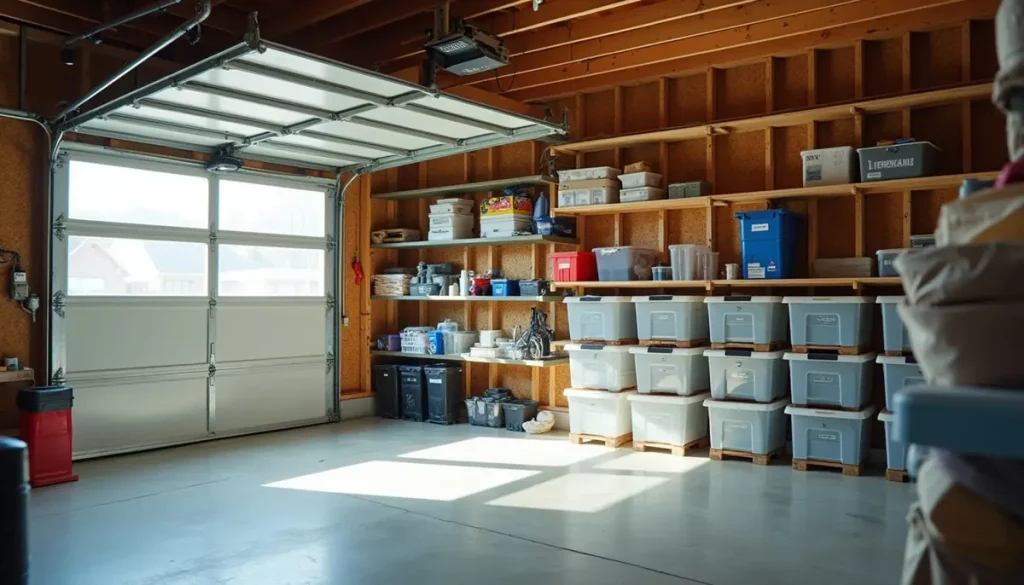
Roaches in a garage are normal in much of the US and are usually outdoor species, American, smokybrown, Oriental, Turkestan or Florida woods roaches, sheltering from mulch, drains and leaf litter next to the slab. Most of them survive poorly indoors and do not take over the house. The exception is the small German cockroach: in a garage it usually arrived on cardboard or an appliance, and it can breed its way into the kitchen. Identify which one you have before deciding what to do.
Garages give outdoor roaches what UF/IFAS publication ENY-214 says the larger species look for: damp, warm, sheltered places where they develop before entering homes. Size and colour separate them quickly.
Which roach is in your garage, and is the house next?
| Roach | Adult size and look | Where it comes from | Will it move into the house? |
|---|---|---|---|
| American cockroach | 1 1/2 to 2 inches, reddish brown, pale edge to the shield behind the head | Sewers, water meter boxes, storm drains (UC IPM) | Forages onto ground floors, especially through faulty drain traps and gaps; rarely breeds indoors in numbers |
| Smokybrown cockroach | About 1 1/2 inches, dark brown to mahogany, flies on warm evenings | Woodpiles, planters, garages, water meter boxes | Sometimes, usually into attics and upper floors |
| Oriental cockroach | About 1 1/4 inches, almost black, short wings, slow | Garages, basements, water meter boxes, drains, ivy and ground cover | Migrates in at night but stays on the ground floor and cannot climb smooth surfaces |
| Turkestan cockroach | Female about 1 inch with cream edging; male smaller with yellowish wings | Water meter boxes, concrete cracks, compost, sewers; spreading in California | Occasionally; UC IPM says it is displacing the Oriental cockroach in warm, dry parts of California |
| Florida woods roach | About 1 1/4 inches; common around Florida homes, per UF/IFAS | Leaf litter, mulch, tree holes and palms | Enters from outside but, per UF/IFAS, outdoor species survive poorly indoors |
| German cockroach | About 1/2 inch, light brown, two dark stripes behind the head | Indoors only: cardboard boxes, a garage fridge, stored appliances, or the house itself | Yes. This is the one that infests homes |
The size ranges in the chart are wide because sources differ: UC IPM gives the American cockroach as 2 inches, while UF/IFAS shows a 1 1/2 inch (38 mm) adult at actual size. For matching your specimen against images, use our guide to the five US cockroach species at actual size.
The Southern habit of calling every big one a palmetto bug is untangled in what people mean by palmetto bug and water bug.
Is it normal to have roaches in the garage?
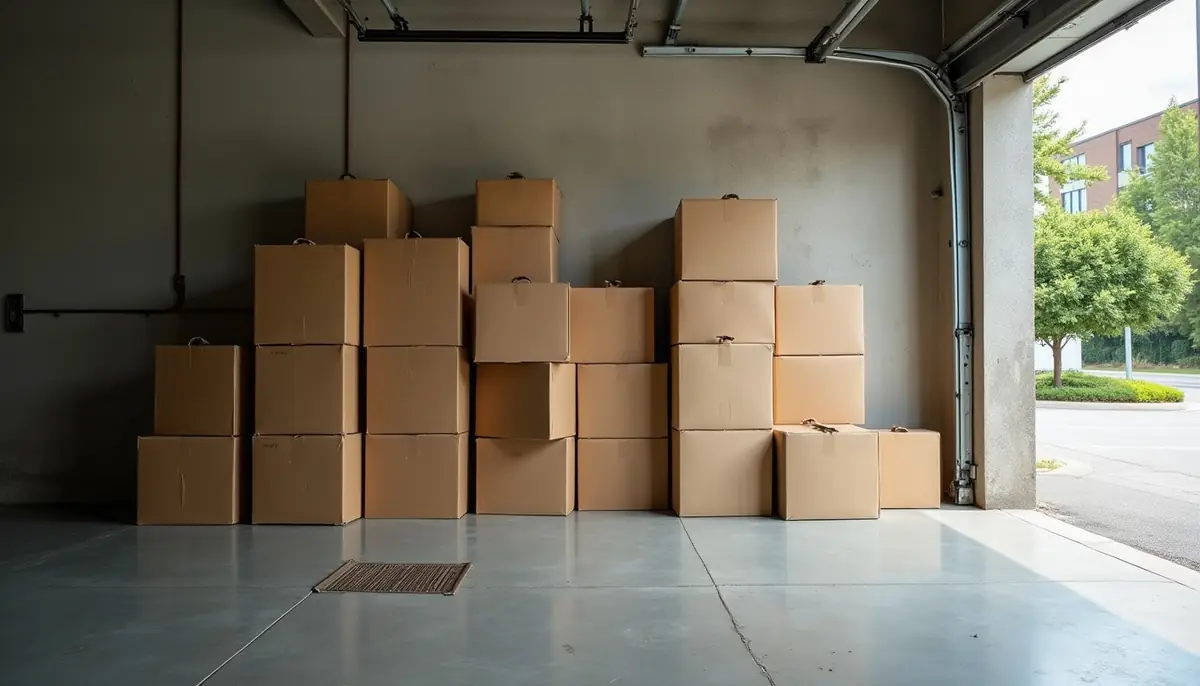
Yes, across the South and much of California, and in damp garages further north. UC IPM describes the Oriental cockroach as living in cool, dark, damp places like garages, basements, water meter boxes and drains, and lists garages among smokybrown cockroach sites too. UF/IFAS says the larger species usually develop in garages, sewers, attics and storerooms, and that outdoor cockroaches do not survive well indoors, so removal is often all the control needed. A garage that sits on a slab beside mulch beds, with a floor drain, a gap under the door and a pile of cardboard, offers all of that.
Season matters. In our iNaturalist data, the two common ground-floor species peak at different times of year, so a summer garage problem and an autumn one may be different roaches.
Oriental cockroach records peak in July (index 174) and are scarce from December to February, while American cockroach records climb from a June low of 61 to a November high of 155. Both are mostly outdoor sightings, so these are records of when people notice the roaches, not indoor infestation rates. Most of those sightings happen after dark, which our analysis of what daytime roach sightings mean covers by hour.
Roaches in the garage but not the house
That pattern is typical of the outdoor species. Oriental cockroaches stay low and slow, Turkestan cockroaches live mostly in outdoor sites, and American cockroaches need warmth above about 82°F according to UC IPM, so a cool garage at night can hold them while the house stays clear. When they do appear indoors, they usually came through a door gap, a dry drain or a pipe opening; our guide to an American cockroach in the house, visitor or infestation walks through that verdict.
German cockroaches break the pattern. Texas A&M and NC State, as summarised in our page on whether German cockroaches live outside, describe them as living only near or in human dwellings, so German roaches in a garage are a sign they were carried in or that the house already has them. UF/IFAS notes they breed prolifically in corrugated cardboard boxes and advises inspecting groceries before storing them.
How do I kill cockroaches in my garage?
With bait and exclusion, not a can of spray. UC IPM says insecticide sprays alone will not eliminate cockroaches, and UF/IFAS says foggers only affect roaches that contact the fog directly. The order that works:
- Trap for three nights. Put sticky traps along walls, beside the water heater, under shelving and near the door. UC IPM says roaches are often caught in the first 24 hours; numbering traps shows where most come from.
- Swap cardboard for lidded plastic bins. Cardboard is shelter and, per UF/IFAS, a breeding site.
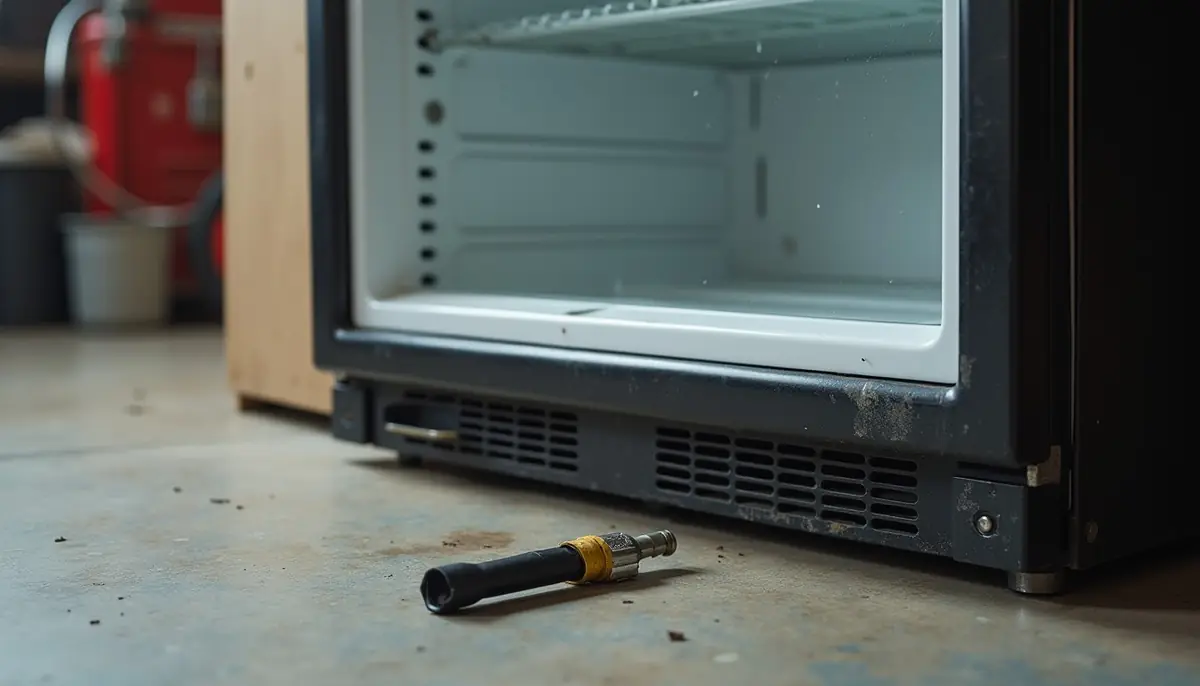
- Empty the garage fridge or freezer drip pan. UF/IFAS lists emptying condensation pans under refrigerators among the water sources to remove. Check the water heater pan and any dripping hose bib too.
- Keep floor drain traps full. UC IPM notes American cockroaches forage up from sewers where water traps in drains are faulty. Pour water into rarely used floor drains regularly.
- Bait the right spots. Use large bait stations or gel along garage walls and outside in water meter boxes, woodpiles and around planters, as UC IPM describes, following the label. UF/IFAS advises small stations for German cockroaches and large ones for the outdoor species. Why gel beats spray is set out in gel bait or spray for roaches.
- Dust dry voids only. UF/IFAS says boric acid works best indoors in clean, dry areas; UC IPM says it is not recommended outdoors because it is toxic to plants. Our page on how boric acid works on roaches and where it fails covers placement.
Can you get rid of roaches in a garage fast, or overnight?
Not completely. Sticky traps and vacuuming remove the roaches you can reach the same day, but UC IPM says an effective bait programme may take 7 days or longer, and UF/IFAS says insect growth regulators need four to six weeks for a noticeable decrease. A quick drop followed by new sightings usually means the source outside, mulch or a meter box, has not been dealt with.
Close the garage to outdoor roaches
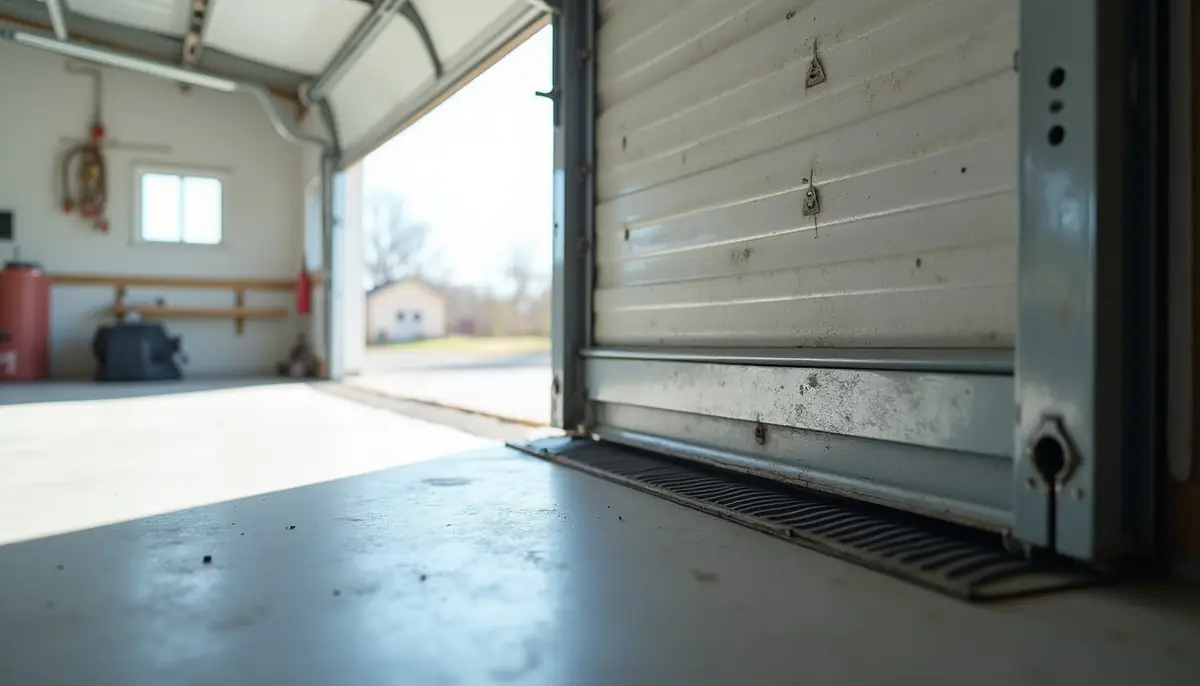
- Door sweep and weatherstripping. UF/IFAS says adult cockroaches can fit into cracks only about 1/16 inch wide and prefer spaces of about 3/8 inch (9.5 mm). A corner of daylight under the main door or the side door is a route; replace the bottom seal and fit sweeps. UC IPM recommends door sweeps and weather stripping on exterior doors.
- Mulch and ground cover. UF/IFAS advises a thin mulch layer extending only 1 foot from the foundation and notes large outdoor roaches breed prolifically in pine straw and poorly on gravel or bare soil. UC IPM suggests a 6 to 12 inch gravel strip and removing ivy.
- Firewood and lumber. Stack them off the ground and away from the garage wall, as both extension services advise.
- Lights. UF/IFAS says Asian cockroaches, outdoor roaches in Florida that look like German cockroaches but fly, are attracted to building lights and fly to porch lights. Leaving the garage light on with the door open invites them.
The same gaps let rodents in. If you are fixing the door seal anyway, our guide to keeping mice out of the garage covers the other openings worth sealing, which are smaller than most people expect.
Why should you never kill a roach?
That advice has no basis. The worry is that a crushed roach draws more, but UF/IFAS places the aggregation pheromone in cockroach feces, which is why it recommends scrubbing droppings with hot soapy water. Kill it, clean up the body and droppings, and use the sighting as the start of a trap check.
Does one roach mean an infestation?
For an outdoor species in a garage, usually not: one American or Oriental cockroach on the floor is most often a visitor. For a German cockroach, one adult points to more nearby, because UC IPM says one female and her offspring can produce over 30,000 individuals in a year. The one-week trap test in found one cockroach: stray or infestation settles it.
If traps fill with small nymphs, the full plan in how to get rid of roaches by species applies, and German cockroaches are often a job for a licensed professional.
Frequently asked questions
Why are there roaches in my garage in summer?
Warm, wet weather pushes outdoor roaches into sheltered spots. Our iNaturalist records put the Oriental cockroach peak in July, and UC IPM says it lives in damp garages, basements and water meter boxes. American cockroach sightings build later, toward September to November. Drying the garage and sealing the door bottom cut summer numbers.
Are dead roaches in the garage a sign of a bigger problem?
Not necessarily. Outdoor species that wander in often die there because, as UF/IFAS puts it, outdoor cockroaches do not survive well indoors. A few dead adults after a perimeter treatment is expected. Dead small nymphs, egg cases or droppings along shelves point to breeding and call for trapping to find the source.
Will keeping the garage light on keep roaches away?
No evidence supports it. Roaches hide in dark crevices regardless, and UF/IFAS says Asian cockroaches are attracted to lights from buildings. A bright, open garage at night can draw flying roaches in. Sealing gaps, removing cardboard and drying the floor do more than lighting.
Can roaches get from the garage into the house?
Yes, through the gap under the house door, around pipes and wires in the shared wall, and in boxes carried inside. UC IPM advises door sweeps, weather stripping and checking items brought in from storage, including appliances and boxes, for roaches and egg cases. German cockroaches are the species most likely to establish once inside.
Sources
- University of California Statewide IPM Program, Sutherland A.M., Choe D.H. and Rust M.K., Pest Notes: Cockroaches, Publication 7467, revised 2019.
- University of Florida IFAS Extension, Koehler P.G., Bayer B.E. and Branscome D., Cockroaches and Their Management, ENY-214 (IG082), reviewed 2025.
- The Pest Control Brief analysis of iNaturalist research-grade records, pulled October 2026 (season index) and November 2026 (hour data).