American Cockroaches in the House: Visitor or Infestation?
An American cockroach in the house is usually a visitor that walked in from the yard, a drain or a sewer, not a sign that roaches are breeding indoors. UF/IFAS describes the species as rarely found in houses, with indoor infestations occurring after heavy rain. What changes the verdict is evidence of breeding inside: wingless grey-brown nymphs, black egg cases about 8 mm long, and dark faecal smears near pipes. One adult with none of those is a door, drain or gap problem, and the fix is mostly outside.
The adult is about 1.5 inches (38 mm) long, reddish brown, with a pale yellow band around the shield behind the head (Penn State, Kentucky). Small and tan with two dark stripes is a German cockroach; see our German cockroach treatment guide. If it was shiny black and slow, it is probably an oriental cockroach, which is what most people mean by a “black American cockroach”. Our cockroach identification key covers all five species.
Visitor or breeding indoors: the sign-by-sign verdict
| What you find | Points to | Why |
|---|---|---|
| One adult at night near a tub, floor drain or back door | Visitor | UC IPM: they forage from sewers where drain traps are faulty |
| Adults appearing after heavy rain or a hot dry spell | Visitor, displaced by weather | UF/IFAS: they wander in to avoid extreme weather |
| An adult far from any water source | Visitor | Kentucky: they often travel long distances from aggregation sites |
| Wingless nymphs, grey-brown when young, reddish brown later | Breeding nearby | UF/IFAS: nymphs lack wings |
| Black, purse-shaped egg case about 8 mm (1/3 in) long, sometimes glued to a surface | Breeding indoors | UF/IFAS: laid near food, often glued down |
| Dark faecal smears or a musty odour around a sump, pipe chase or water heater | Established harbourage | Penn State: high populations give a characteristic odour |
| Several sizes caught on sticky traps in one basement corner | Indoor population | Penn State: a week of trapping shows harbourage |
Table compiled by The Pest Control Brief from UF/IFAS EENY-141, UC IPM Pest Note 7467, Penn State Extension and University of Kentucky Entomology.
If you only have the first three rows, you have visitors. Our page on finding one cockroach sets out a six-trap, one-week test that settles the question for any species. For American cockroaches, add one trap beside each floor drain and one inside the door nearest the sighting.
Why am I getting American cockroaches in my house?
Because a population lives within walking distance, and something pushed or let an individual in. Outdoors, UF/IFAS lists hollow trees, woodpiles, mulch, garbage areas and organic debris around homes, with occasional colonies under roof shingles and in attics. UC IPM adds sewers, water meter boxes, storm drains and steam tunnels, and says the species prefers temperatures above 82°F. In the north, Penn State ties it mainly to steam tunnels and large buildings.
What the sewer studies found
- Tyler, Texas, 1954. Eads and colleagues found about 40 per cent of the city’s sewer manholes infested with American cockroaches and isolated nine Salmonella species from them. In experiments the roaches passed through the plumbing traps under sinks, tubs and toilets, and sewer roaches entered homes up to a block away.
- Phoenix, Arizona, 1953 field season. Jackson and Maier marked manhole roaches with paint or radioactive phosphorus. Of 800 marked residents, only 4 were recovered in yards, homes and neighbouring manholes. When they crowded 1,200 marked roaches onto a resident population of 300, 71 were recovered within 15 days: 65 still in the sewers up to 350 feet away, 5 in yards and 1 in a home. Overcrowding, not mere proximity, drove them out.
- New Orleans, 2017. Carlson and colleagues at Tulane trapped at 40 homes, then released marked adults into sewers and yards. No sewer-released roaches turned up in homes; yard-released ones did. Treating yards with boric acid granules significantly reduced cockroach allergen in the homes compared with untreated controls.
- Population ceiling. UF/IFAS, citing Rust and colleagues (1991), notes counts above 5,000 in a single sewer manhole.
Read together, the studies say sewer roaches can come up through dry or damaged drain traps, but in the 2017 New Orleans trial the yard was the bigger source. Mulch against the slab and a woodpile by the wall matter as much as the drains.
How American roaches get into a house
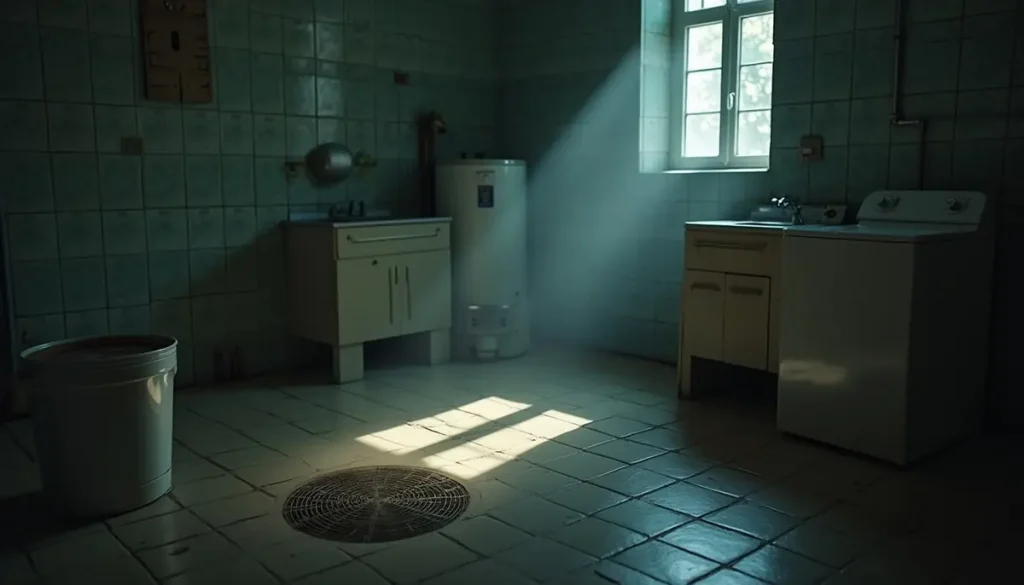
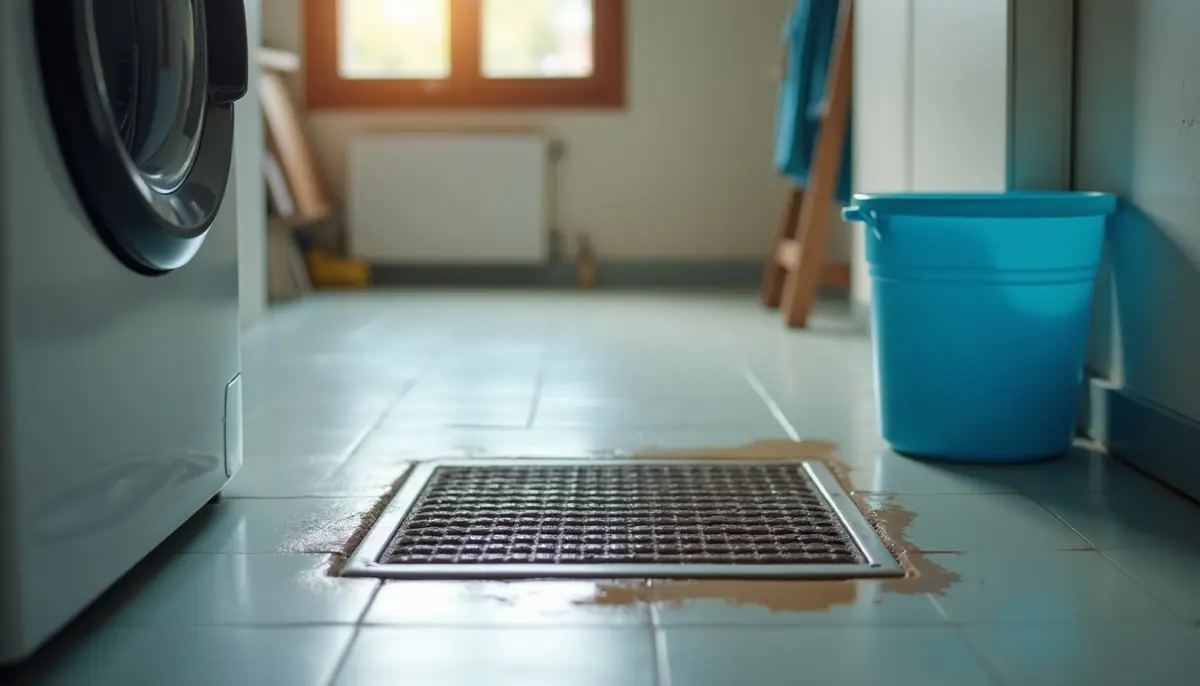
Through dry floor, tub and sink drain traps; gaps under exterior and garage doors; pipe and wire openings in walls and slabs (Kentucky); and vents, crawl spaces and attics, especially where branches overhang the roof (UF/IFAS).
The Pest Control Brief analysis of iNaturalist research-grade records, pulled October 2026, shows American cockroach sightings at their lowest share of all records in May and June (index 62 and 61) and highest from September to November (134, 136 and 155). These are mostly outdoor photographs, not indoor infestation rates, but they put autumn, not midsummer, as the season the species is most noticed.
How fast an American cockroach population builds
Slowly. Kentucky says American cockroaches multiply more slowly than German cockroaches. UF/IFAS and Penn State disagree on the details, so both are shown:
| Measure | UF/IFAS EENY-141 | Penn State Extension |
|---|---|---|
| Egg cases per female | About one a month for ten months | 15 to 90 in her life, usually one a week |
| Eggs per case | 16 | 14 to 16 |
| Egg case size | About 8 mm long, 5 mm high | About 5/16 in (8 mm) |
| Egg case to hatch | 6 to 8 weeks | 29 to 58 days |
| Nymph stage | 6 to 12 months; egg to adult about 600 days on average | 160 to 971 days |
| Adult life | Up to a year | Females up to 15 months |
| Offspring | About 150 young per female in her lifetime | About 800 per year |
| Survival without food or water | Not given | 2 to 3 months without food, about a month without water |
Compiled by The Pest Control Brief from UF/IFAS EENY-141 (revised November 2024) and Penn State Extension, American Cockroaches.
Even on Penn State’s faster figures, a nymph needs at least 160 days to become a breeding adult, against 40 to 125 days egg to adult for the German cockroach. One adult followed by a month of empty traps rarely means an indoor generation.
How to get rid of American cockroaches in the house
Work from the outside in, because that is where the population is.
Inside, the same day
- Run water into every floor drain, spare tub, utility sink and unused toilet so the trap holds water; UC IPM names faulty drain traps as an entry route. Fit a drain cover or screen on floor drains that rarely see water.
- Check under the sink, behind the water heater and around the washer with a torch; scrape off and bag any egg case.
- Fix drips: Penn State says adults survive about a month without water but two to three months without food.
- Set sticky traps against walls and in corners for one week (Penn State).
Outside, over the following weekend
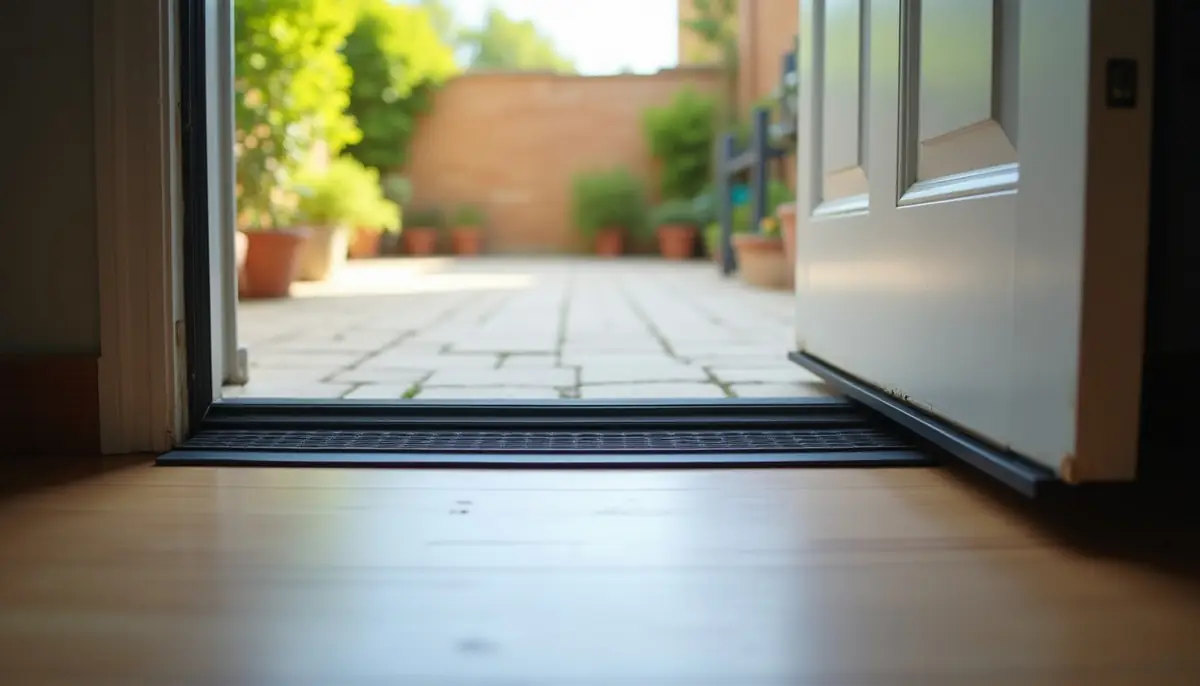
- Fit door sweeps and seal pipe and cable penetrations with caulk, foam or copper mesh (Kentucky).
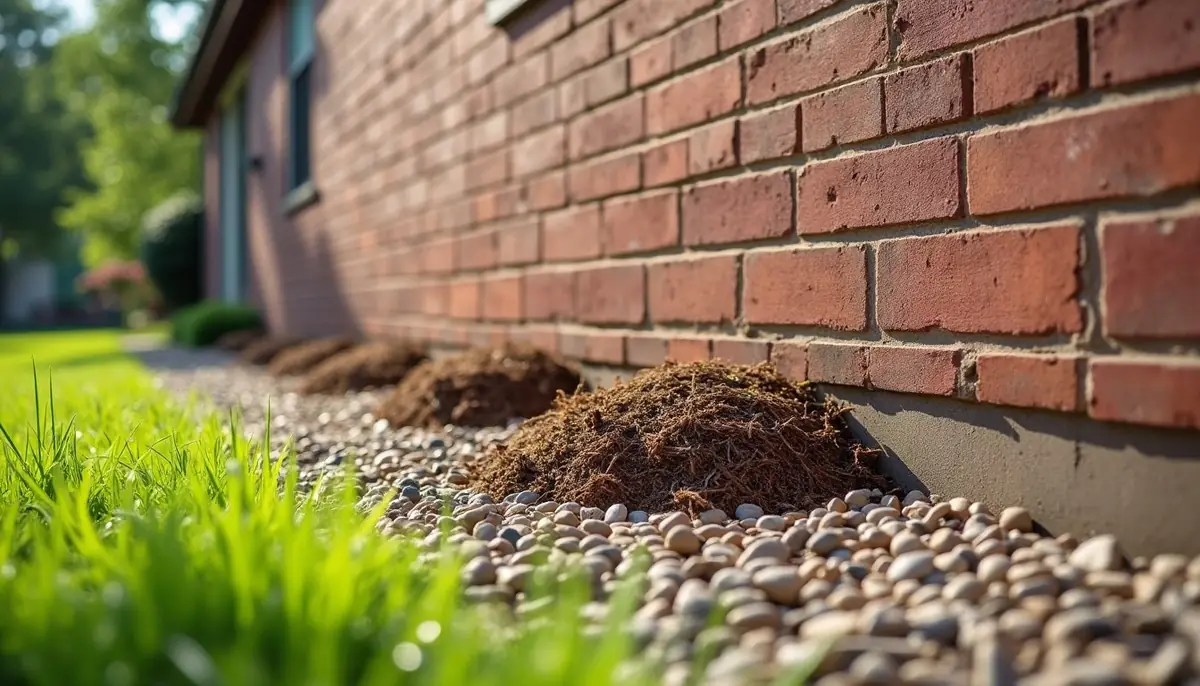
- Pull mulch and leaf litter back from the foundation; UC IPM suggests a 6 to 12 inch gravel strip around the perimeter to keep it dry.
- Move woodpiles away from the house and trim branches that touch the roof (UF/IFAS).
- Place bait where the roaches live, not where you saw one: UC IPM lists water meter and valve boxes, woodpiles and planters, and UF/IFAS calls loose pellet baits extremely effective against this species. The New Orleans trial used boric acid granules in yards.
What not to do
Penn State says residual sprays and aerosol foggers inside a structure are of little value against American cockroaches and may disperse them, making control slower. Indoors, Penn State lists baits containing hydramethylnon, fipronil, sulfluramid, boric acid or abamectin placed where roaches harbour, and light dustings of boric acid or silica aerogel in dry voids. Follow the label. Our comparison of cockroach bait and spray explains why.
When it is a job for a professional
Call a licensed operator if you find egg cases or nymphs in more than one spot, if roaches come up a floor drain that is already full of water (a damaged pipe or broken trap), or in an apartment block with steam heat or shared basements. Our cockroach exterminator cost page puts a single treatment at $100 to $600, averaging about $200, and notes that American cockroach work usually includes exterior treatment.
Health: what one roach does and does not mean
UF/IFAS records at least 22 species of human pathogens and five helminth worms from field-collected American cockroaches, and UC IPM names Salmonella and Shigella. Wipe any surface it crossed. The longer-term issue is allergen: the Tulane team calls American cockroaches an important source of household allergens in warm climates. Our cockroach allergen and asthma page covers who is at risk; for symptoms, talk to a doctor.
If the insect does not match the description above, check bugs that look like cockroaches, which compares the beetles, crickets and true water bugs most often confused with roaches, and our palmetto bugs page on the regional names.
Frequently asked questions
What to do if I see an American cockroach in my house?
Remove it, wipe the surfaces it crossed, and check drains, the water heater and under sinks for 8 mm black egg cases, nymphs and dark smears. Run water into unused drains so their traps are full, then set sticky traps for 7 days. If the traps stay empty and there are no egg cases, it was a visitor: seal door gaps and pipe openings and thin mulch along the foundation.
Is it hard to get rid of American roaches?
Indoors, usually not. The University of Kentucky says they multiply more slowly than German cockroaches, and a nymph takes at least 160 days to mature by Penn State’s figures. The difficulty is the outdoor or sewer population, which you cannot remove. Most homes get lasting relief from full drain traps, door sweeps, sealed pipe gaps, drier mulch beds and outdoor bait placements.
Is it bad to see an American cockroach?
One adult is usually not a sign of infestation. UF/IFAS describes the species as rarely found in houses, often arriving after heavy rain or extreme weather. It is worth a check because American cockroaches can carry Salmonella from sewers and their droppings are allergens. Repeated sightings, nymphs or egg cases mean they are breeding somewhere close, usually a basement, crawl space or drain.
Why am I getting American cockroaches in my house?
A population is living nearby, in mulch, woodpiles, meter boxes, storm drains or sewers, and individuals are getting in through dry drain traps, gaps under doors, or pipe and vent openings. Rain, heat and drought push them to move. A 2017 New Orleans study found marked roaches released in yards reached homes, while sewer-released ones did not.
Do American cockroaches live in houses?
They can, but usually in the damp parts: basements, crawl spaces, floor drains, sump pits and pipe chases, according to Penn State and Kentucky. In northern states Penn State says they are mostly tied to steam tunnels and large institutional buildings. Most single-family homes see wanderers from outside rather than a resident population.
Sources
- UF/IFAS Extension, Featured Creatures EENY-141 (IN298), American Cockroach, Periplaneta americana, K. A. Barbara, revised November 2024.
- University of California Statewide IPM Program, Pest Notes: Cockroaches, Publication 7467.
- Penn State Extension, American Cockroaches, S. Jacobs, revised 2013.
- University of Kentucky Entomology, Entfact 614, Cockroach Elimination in Homes and Apartments.
- Eads, R. B., von Zuben, F. J., Bennett, S. E. and Walker, O. L., Studies on cockroaches in a municipal sewerage system, American Journal of Tropical Medicine and Hygiene 3: 1092, 1954.
- Jackson, W. B. and Maier, P. P., Dispersion of marked American cockroaches from sewer manholes in Phoenix, Arizona, American Journal of Tropical Medicine and Hygiene 4: 141, 1955.
- Carlson, J. C., Rabito, F. A., Werthmann, D. and Fox, M., The distribution and movement of American cockroaches in urban niches of New Orleans, Clinical Pediatrics 56(11): 1008 to 1012, 2017.
- Rust, M. K., Reierson, D. A. and Hansgen, K. H., Control of American cockroaches in sewers, Journal of Medical Entomology 28(2): 210 to 213, 1991 (as cited by UF/IFAS).
- The Pest Control Brief analysis of iNaturalist research-grade records, pulled October 2026.