Found One Cockroach in Your House: Stray or Infestation?
One cockroach is not proof of an infestation, but the species decides: one American, smokybrown or wood cockroach is usually a stray from outside, while one German cockroach indoors is a reason to act today. German cockroaches cannot survive away from people, according to University of Florida entomologists, so one of them was either carried in or came from a group already inside. Identify it, set six sticky traps for a week, and let the catch decide.
What one cockroach means, species by species
| What you found | Adult length | Where it lives | What one usually means | Next step |
|---|---|---|---|---|
| German: tan, two dark stripes behind the head, does not fly | 13 to 16 mm (1/2 to 5/8 in) | Indoors, kitchens first, then bathrooms | Carried in, or part of a group inside. Not a garden stray | Six-trap test today; see German cockroach treatment |
| Asian: same stripes, readily flies to lit windows at dusk | 13 to 16 mm | Outdoors in lawns and leaf litter; Florida north to South Carolina in UF’s account | An outdoor visitor drawn by light | Reduce lights and check screens; trap to rule out German |
| Brown-banded: small, pale bands across the body | About 1/2 in | Indoors: behind wall art, in hollow furniture legs, near appliances | Possibly a group indoors | Trap, including rooms away from the kitchen |
| American: large, reddish brown, pale edge behind the head | 1.5 to 2 in (38 to 51 mm) | Sewers, meter boxes, steam tunnels, shady outdoor spots | Usually a wanderer from drains or outdoors | Check drain traps and door gaps |
| Smokybrown: uniformly dark mahogany, flies | 25 to 38 mm (sources differ) | Tree holes, woodpiles, garages, attics | Usually an outdoor or attic visitor; see palmetto bugs | Check attic vents and outdoor lights |
| Oriental: near black, does not fly | 1 to 1.25 in | Masonry meter boxes, damp ground floors | Usually came in at ground level, and numbers may be building outside | Look outdoors and at floor drains |
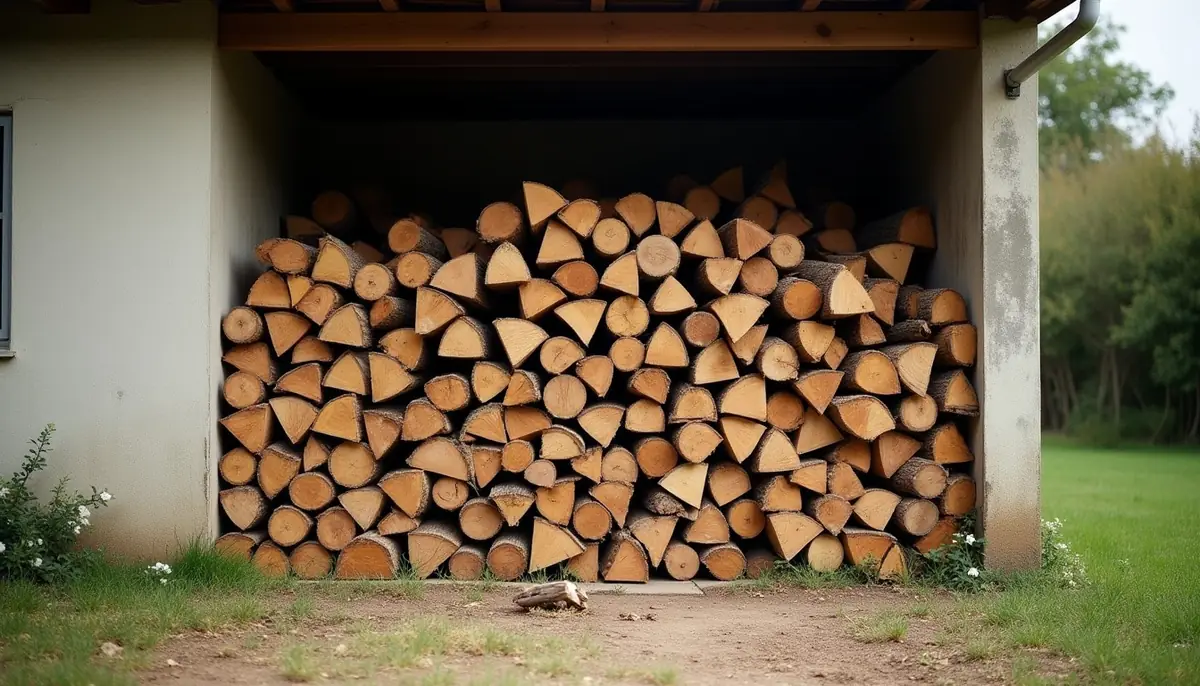
| Wood: brown; males fly, females rarely come in | Males up to 25 mm, females up to 19 mm | Leaf litter, under bark, woodpiles | A harmless accident. Penn State says they die within a few days and do not feed or reproduce indoors | Nothing indoors; move firewood away |
Table compiled by The Pest Control Brief from UF/IFAS, UC IPM Pest Note 7467, Purdue E-23 and Penn State Extension. If what you have does not fit any row, check our bugs that look like cockroaches guide; the fuller species key is on our cockroach identification page.
Length has one catch: a tiny roach without wings may be a nymph of a larger species. Our baby cockroaches page shows how to read them.
Where and when you saw it
| Found | What points to | How to read it |
|---|---|---|
| Kitchen at night, near the sink, stove or fridge | German. UC IPM lists food preparation areas, kitchens and bathrooms as its preferred sites, at 70 to 75°F | Highest concern. Trap now |
| In the open in full daylight | UF’s German cockroach guide says daytime sightings carry a high probability that the population is large | If it is German, skip the wait and call a professional |
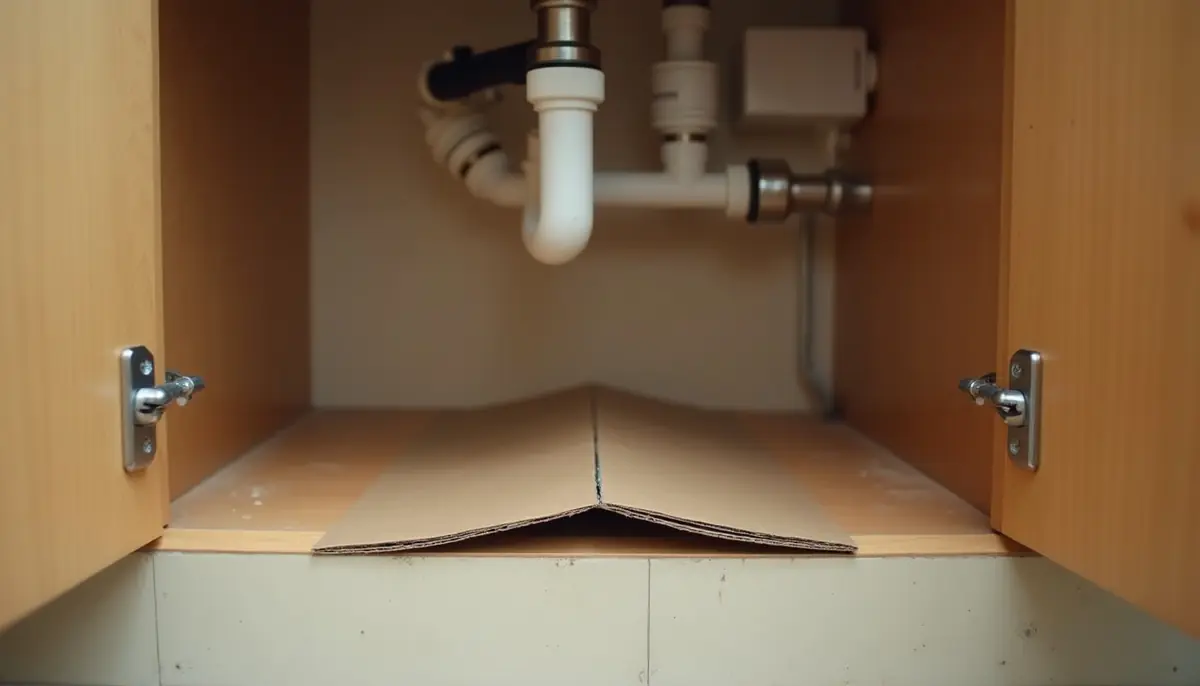
| Bathroom, tub or floor drain | American roaches forage up from sewers where drain traps are faulty; oriental roaches get stuck in porcelain sinks and tubs | Usually a plumbing route. Run water in unused drains and check for damaged pipes |
| Bedroom | Brown-banded (furniture, wall art), or a male wood cockroach that flew in. UC IPM notes severe German infestations spread beyond the kitchen | A German roach here is usually a worse sign than one by the sink |
| Garage | Smokybrown (UC IPM lists garages) or wood cockroach on firewood | Normally a stray. Move woodpiles and seal door gaps |
| Apartment | Purdue notes roaches migrate along water pipes in large buildings, and UF says they move between units | Tell management, since your own cleaning cannot cover the neighbours’ side of the wall |
| Car, or just after shopping or a delivery | UF names infested grocery bags as a route for German roaches; Purdue adds boxes, egg cartons and drink cases | Treat as a possible hitchhiker. Empty and discard the cardboard, then trap at home |
| Flying at a porch light or window at dusk | Asian, smokybrown or male wood cockroach. German adults have wings but do not fly | Not a German problem |
The one-week sticky trap test
UC IPM calls sticky traps the best way to detect and monitor cockroaches, and Purdue’s guide says at least six should go in a home. Use the six locations from Wang and Bennett’s 2006 public housing study, with one edge of each trap touching a wall:
- In the cabinet under the kitchen sink
- In the cabinet above the kitchen sink
- Beside the stove
- Beside the refrigerator
- Beside the water heater or shelving in the utility room
- Behind the toilet
Number each trap, as UC IPM advises, and check daily: it notes many catches come within the first 24 hours. If you suspect an outdoor species, add a trap by the exterior door nearest the sighting. Check behind the fridge and in cabinet corners with a flashlight for dark specks, cast skins and egg cases. A German egg case is light beige and about 1/4 inch long.
| After seven days | Reading | What to do |
|---|---|---|
| Nothing caught, no droppings or egg cases | No sign of a group near your traps. Not absolute proof: UF warns badly placed traps catch only a fraction | Keep two traps in the kitchen and check them monthly |
| One to a few adults, no nymphs | UF: most likely a new introduction | If German, bait and inspect now. UF says one egg-carrying female justifies intervention |
| A few very small nymphs | UF says a few early nymphs point to a hiding place within 5 to 10 feet of that trap | Find the hiding place, and treat as active |
| Adults and nymphs of several sizes | UF: all life stages mean an established infestation | Treat the whole home; a professional is usually the quicker route |
| 12 or more across six traps in the first 24 hours | The level Wang and Bennett classed as high in Gary, Indiana apartments | Call a licensed professional |
No extension service we read publishes a pass mark for a single house. The 12 figure was a research cut-off in public housing, and UC IPM says several days, so the full week is our adaptation to avoid a false all-clear after one quiet night.
Why one German female counts for more
| Species | Eggs per case | Cases per female | Egg to adult | One female plus descendants in a year (UC IPM) |
|---|---|---|---|---|
| German | 30 to 48 | 4 to 8 | 40 to 125 days | Over 30,000 |
| Asian | About 38 | 5 to 6; often 2 in nature | About 65 days | Not given |
| American | 12 to 16 | About 10 | About 600 days | Over 800 |
| Smokybrown | About 20 | About 10 | About 600 days | Not given |
| Oriental | Not given | Not given | 1 to 2 years or more | Nearly 200 |
Compiled by The Pest Control Brief from Purdue E-241, UF/IFAS EENY-141 and photographic guide entries, and UC IPM Pest Note 7467. UC IPM’s 30,000 counts a female and all her offspring over a year, so it is a capacity figure rather than what happens in most homes. UF puts her own lifetime offspring at 240 to 320. UF counts 3 to 6 German generations a year; one American generation takes over a year.
Which roach you are likely to be holding
| State | Cockroach records | American | Smokybrown | Australian | Oriental | German | German share |
|---|---|---|---|---|---|---|---|
| Texas | 7,061 | 4,930 | 1,292 | 483 | 54 | 252 | 3.6% |
| Florida | 3,516 | 1,475 | 204 | 1,636 | 2 | 183 | 5.2% |
| Pennsylvania | 553 | 211 | 5 | 25 | 251 | 61 | 11.0% |
Source: The Pest Control Brief analysis of iNaturalist research-grade records, pulled October 2026; the record totals also include brown-banded cockroaches (50 in Texas, 16 in Florida), and the shares are our arithmetic. These are photographs people chose to upload, mostly of outdoor animals, so they say nothing about indoor infestation rates and undercount a species hiding behind a fridge. They do show large outdoor species dominating the roaches people photograph, and a Pennsylvania mix quite unlike the Gulf states.
How to get rid of one cockroach
- Kill it and keep it. Crush or vacuum it, then bag the body for identification. Your county extension office can help if you are unsure.
- Stop the route for outdoor species. Fix faulty drain traps, screens and door gaps. For wood cockroaches, Penn State advises bringing in only as much firewood as you will burn within a few hours.
- Cut water first. UF reports German cockroaches survive only 12 days with food but no water, and about 42 days with water but no food. Fix drips and empty fridge condensate pans.
- Use bait, not spray, for German roaches. UC IPM says baits provide better control than sprays; our bait versus spray comparison covers why. Follow the label. Skip foggers, and keep traps and bait where children and pets cannot reach them.
- Bag any egg case you find. Our cockroach eggs guide covers what to look for.
DIY is reasonable for a stray and a clean trap result. Bring in a licensed professional for established German cockroaches, any seen in the open by day, multi-unit buildings, and anyone in the household with asthma, since UF notes German cockroaches produce at least a dozen allergens that are potent asthma triggers. For health concerns, speak to a doctor.
Frequently asked questions
What to do if I found one cockroach in my house?
Keep the body and identify the species first. A large American, smokybrown or wood cockroach is usually a stray, so check drains, door gaps and firewood. For a small striped German cockroach, set six numbered sticky traps at once, in the kitchen, utility room and behind the toilet, and read the catch daily for a week.
Is finding one cockroach bad?
It depends on the species and the place. A wood cockroach is harmless: Penn State says it dies within a few days and does not reproduce indoors. A German cockroach is worse news because it lives only around people, and UF states that one egg-carrying female justifies control, since her case holds 30 to 40 nymphs.
Does finding one cockroach mean infestation?
Not on its own. University of Florida guidance says one to a few adults on a monitor most likely means a new introduction, while all life stages together mean an established infestation. Small nymphs, droppings or egg cases are the evidence to look for. In Wang and Bennett’s study, 12 in six traps in 24 hours counted as high.
Should I worry if I found one cockroach?
Worry only after you know the species. Most large roaches in Texas and Florida records are outdoor species, so one indoors is usually a nuisance with an entry point to fix. Take it seriously if the roach is German, seen in the open in daylight, or found alongside nymphs, because UF links daytime sightings to large populations.
How do I get rid of one cockroach in my house?
Crush or vacuum it, then check whether it had company. One roach needs no spray. Fix the likely route for outdoor species, such as drain traps and door gaps, and run a one-week sticky trap test with six traps. If traps catch German cockroaches, use labelled bait near hiding places rather than spray, as UC IPM advises.
Sources
- University of Florida IFAS, ENY989 Assessment-Based Pest Management of German Cockroaches.
- University of Florida IFAS, EENY-002 German Cockroach; EENY-141 American Cockroach; ENY-214 Cockroaches and Their Management (revised 2022).
- University of Florida IFAS, Cockroach Photographs entries for the German, Asian and smokybrown cockroaches (2005).
- University of California Statewide IPM Program, Pest Notes: Cockroaches, Publication 7467.
- Purdue Extension, A Practical Guide to Cockroach Control, E-241-W (Bennett and Wang); Cockroaches, E-23.
- Wang C. and Bennett G.W., Comparative Study of Integrated Pest Management and Baiting for German Cockroach Management in Public Housing, Journal of Economic Entomology 99(3): 879 to 885, 2006.
- Penn State Extension, Wood Cockroaches; University of Minnesota Extension, Wood cockroaches.
- The Pest Control Brief analysis of iNaturalist research-grade records, pulled October 2026.