Roaches During the Day: What Daytime Sightings Mean
Roaches seen during the day usually mean something has pushed them out of hiding: for German cockroaches that is most often a crowded population, and for large American, smokybrown or Oriental roaches it is usually weather, a drain or a treatment. Texas A&M AgriLife says a daytime sighting “usually means there are a lot of them around.” Penn State adds food or water shortage and pesticide applications as triggers. Identify the species first, because the next step differs.
Cockroaches are mostly nocturnal. Our analysis of 28,349 time-stamped US iNaturalist records for the four common house roaches puts numbers on that for the first time, below. Find the row below that matches what you saw; if the species is unclear, start with our identification guide to the five US cockroach species to scale.
What you saw, and what it most likely means
| What you saw | When and where | Most likely meaning | Next step |
|---|---|---|---|
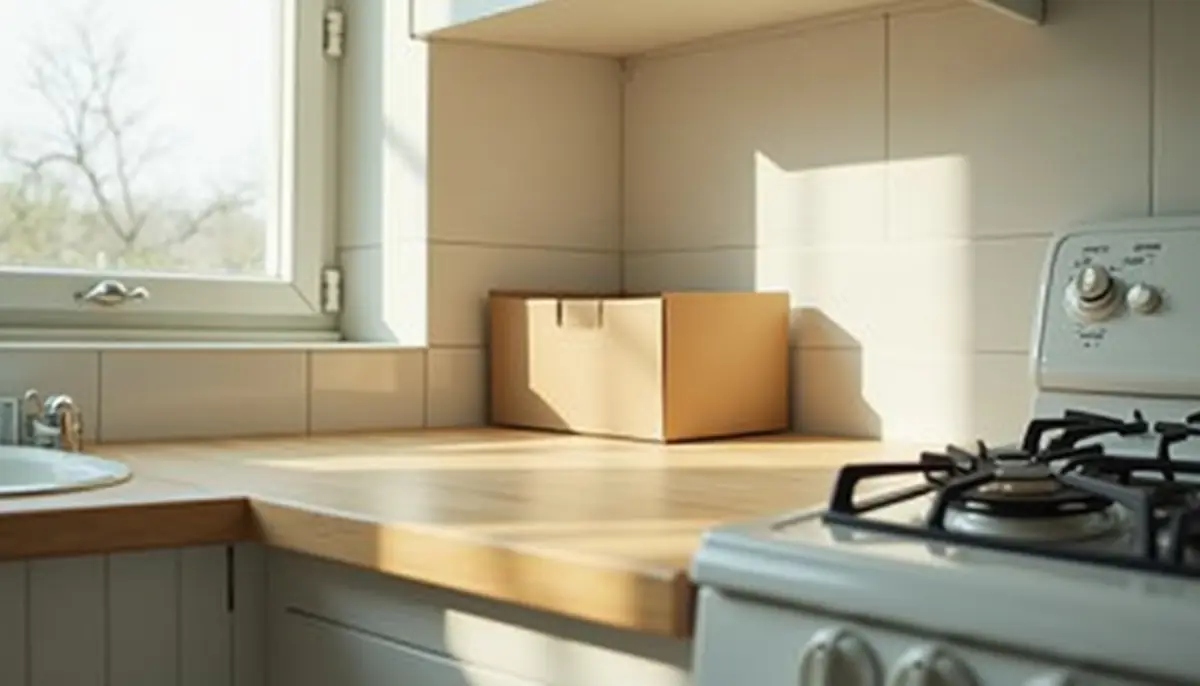
| Small tan roach, 1/2 to 5/8 inch (13 to 16 mm), two dark stripes behind the head (German) | Daytime, kitchen or bathroom, out in the open | Texas A&M: daytime sightings usually mean many roaches nearby; the hiding places are full or the colony is stressed | Sticky traps tonight, gel bait, and a realistic plan for German cockroaches, which shrug off most sprays |
| Several German roaches by day, plus droppings like crushed pepper | Cabinet hinges, behind the stove or fridge | An established indoor infestation; Texas A&M says German cockroaches do not live outdoors in Texas | Bait program; in shared buildings, involve the landlord or a licensed firm |
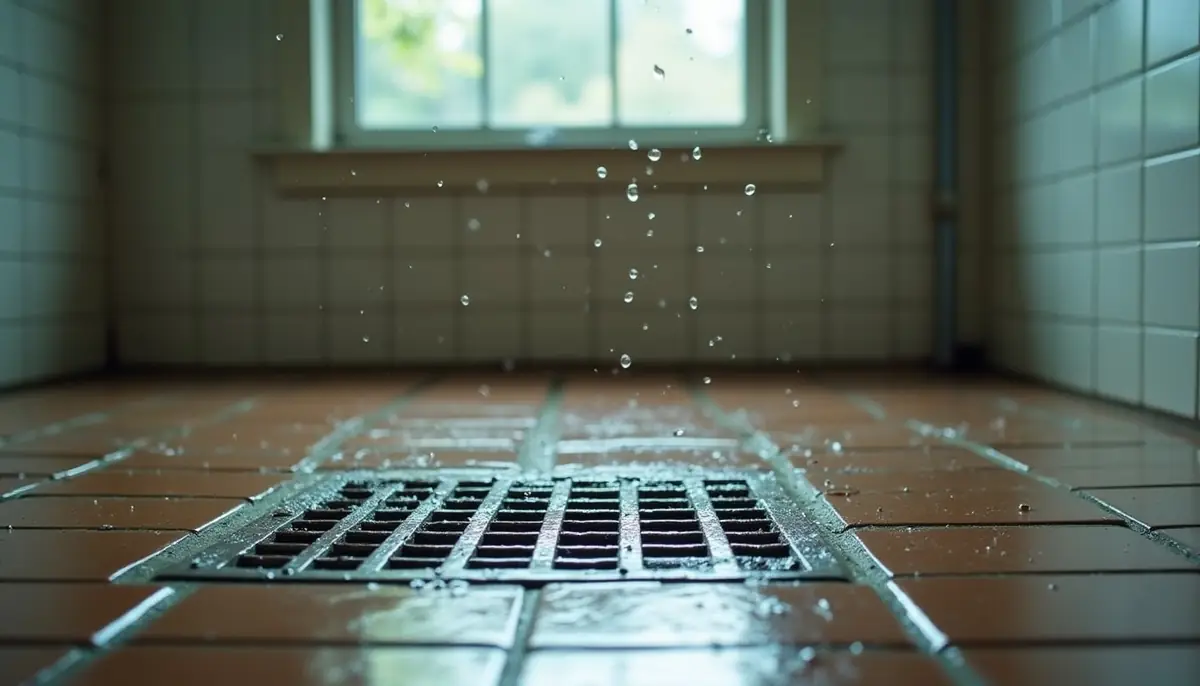
| One large reddish brown roach, 1.5 to 2 inches, about 40 mm on average (American) | After heavy rain, near a floor drain, tub or toilet | A wanderer; UF/IFAS says it moves indoors “to avoid extreme weather conditions” and that infestations can follow heavy rain | Keep P-traps filled with water, seal door gaps, read whether an American cockroach indoors is a visitor or an infestation |
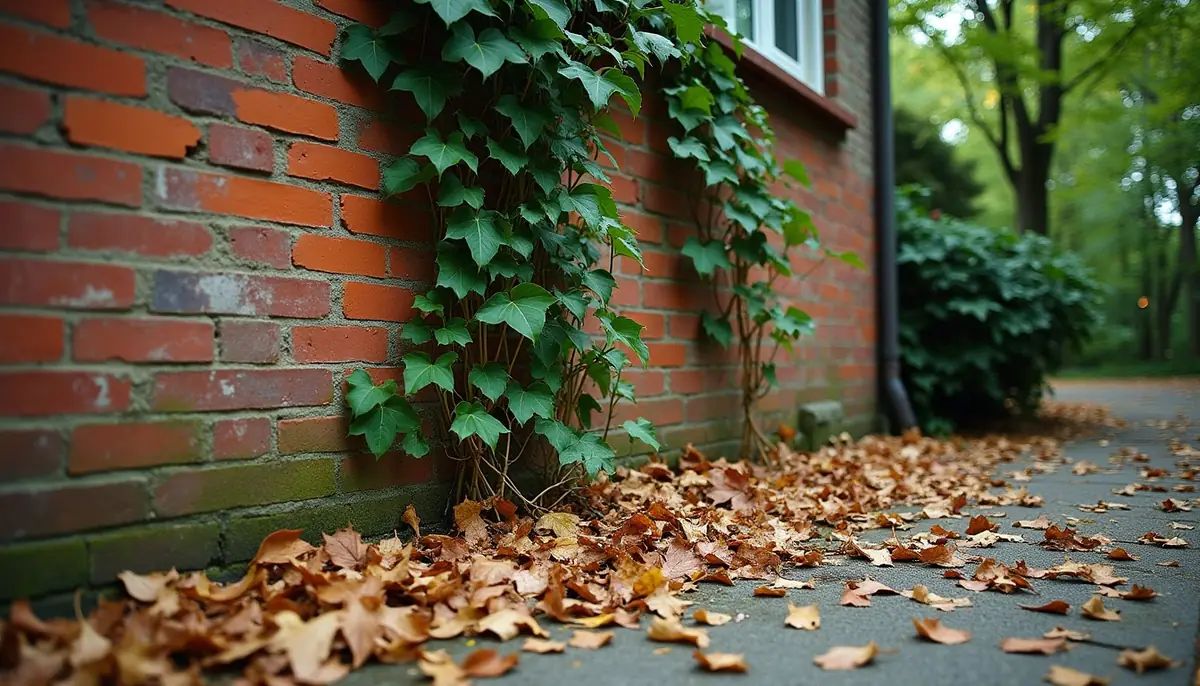
| Uniformly dark brown roach, 1 to 1.5 inches (smokybrown) | Garage, porch, attic or eaves, warm humid months | An outdoor roach that loses water through its cuticle quickly (UT Extension) and shelters where air is still | Clear leaves, ivy and mulch from the first foot around the house; clean gutters |
| Shiny black roach, about 1.25 inches, short wings (Oriental) | Basement, crawl space, floor drain | Texas A&M: prefers cooler, ground-level, wet sites | Fix damp, check drains and crawl space vents |
| More roaches out by day in the weeks after treatment | Anywhere treated | UF/IFAS: growth regulators cause more daytime sightings, and this means the treatment is working | Leave the bait alone and check whether more roaches after pest control is normal or a failed treatment |
| Tiny wingless nymphs in daylight | Near the sink, appliances, cupboards | Breeding indoors, almost always German cockroaches | Treat as an infestation, not a stray |
What does it mean if I see roaches during the day?
It depends on the roach. Extension wording is consistent for German cockroaches, the small tan species that lives only indoors. Texas A&M AgriLife (ENTO-037, 2017) says a German cockroach spends about 75 per cent of its life in narrow cracks 1/32 to 3/16 inch wide and that daytime sightings usually mean there are a lot of them around. Virginia Tech (ENTO-528) says increasing numbers seen during the day “may indicate a large, growing cockroach infestation.”
Penn State Extension widens the list of causes: German cockroaches may be seen during the daytime “particularly if a heavy population is present or if there is some other stress, such as a lack of food or water or an application of pesticides.” Daylight alone does not prove a huge population, but a German cockroach in daylight is a reason to act the same day. A single sighting at night is a different question, covered in our guide to finding one cockroach and whether it means an infestation.
For the big outdoor species, daylight usually says more about the weather or the plumbing than about a population inside. UF/IFAS (EENY-141) records mass migrations of American cockroaches into homes from sewers through plumbing and from trees and shrubs with branches over the roof.
The hour-by-hour record: when roaches are actually seen
We counted US research-grade iNaturalist records by the local hour the observer recorded, for German (2,203 timed records), American (15,943), smokybrown (5,784) and Oriental cockroaches (4,419), and compared each with all research-grade US records as a baseline. These records show when people notice and record roaches, not a measure of true activity, but the pattern is sharp.
Between 7 pm and 6 am, only 11.0 per cent of all US records are made, because most people record wildlife in daylight. For roaches the share is four to five times higher: 42.4 per cent for German, 46.2 per cent for American, 51.8 per cent for smokybrown and 52.0 per cent for Oriental cockroaches. Every species peaks at 9 pm or 10 pm.
The other side of the same numbers matters for a worried reader. Between 9 am and 5 pm, 36.7 per cent of German cockroach records and 37.9 per cent of American records were still made, against 70.4 per cent for all records. Roughly one roach record in three is a daylight record, so a daytime sighting is not rare, it is about half as likely as the general recording pattern would predict.
German cockroach records between noon and 3 pm sit at an index of 52, about half their expected share, and rise to 509 from 9 pm to midnight and 592 from midnight to 3 am. German cockroaches are recorded mostly indoors, where people are home in the evening, so part of that peak reflects when kitchens are in use. The same caution applies to the general night pattern explained in our guide to why so many bugs come out at night.
Why German cockroaches end up in daylight
- Numbers. German cockroaches aggregate in warm cracks near food and water. Texas A&M notes they congregate near heat and moisture, which speeds growth and reproduction, and ties daytime sightings directly to large numbers.
- Shortage of water or food. UF/IFAS (ENY-214) says German cockroaches survive only about 12 days with food but no water, and about 42 days with water alone. A roach short of water forages whenever it can.
- Pesticide stress. Penn State lists pesticide applications as a daytime trigger. Texas A&M uses the same response deliberately, suggesting a hair dryer to flush roaches from hiding during inspection, since they flee hot moving air.
In apartments, a daylight German cockroach often comes from the building rather than your unit alone; UF/IFAS describes roaches moving between units along plumbing in shared walls. That changes who should treat, which is set out in our guide to cockroaches in an apartment and whose job they are.
Big roaches during the day
A big roach in daylight is usually a stray. Texas A&M groups American, Oriental and smokybrown cockroaches as species that “live mostly outdoors but may move indoors in search of food or water.” UF/IFAS adds two triggers that line up with daylight sightings: heavy rain, after which American cockroach infestations can occur, and drought, during which cockroaches come indoors looking for moisture.
Smokybrown cockroaches dry out faster than most species, according to University of Tennessee entomologist Karen Vail (2022), so they move toward still, humid spots such as soffits, attic eaves and debris-filled gutters. Her summary of a 1995 study by Smith and colleagues found that clearing ground cover within 1 foot of the house combined with targeted treatment controlled smokybrowns for 60 days, against 30 days for a perimeter spray alone.
Seeing roaches during the day after treatment
This is the one daylight pattern that can be good news. UF/IFAS states: “Expect to see more cockroaches during the day as a result of IGR use. Seeing more cockroaches after IGR use means the treatment is working.” Insect growth regulators take four to six weeks for a noticeable drop. Gel bait works faster, and Texas A&M advises switching to a bait with a different active ingredient if one has not controlled the population within 2 to 3 weeks; the week-by-week picture is in our timeline of how long after pest control roaches die. Steady or rising sticky trap counts after four weeks are the warning sign.
Baby roaches during the day
Nymphs normally stay hidden with adults in the same cracks, says Texas A&M, so nymphs walking about in daylight point to a breeding population with crowded harborages. German cockroach nymphs reach adulthood in 50 to 60 days at average indoor temperatures, and a generation can turn over in about 100 days. Our guide to identifying baby cockroaches shows how to tell nymphs of each species apart.
What do roaches do during the day?
They rest in harborage. UF/IFAS says the American cockroach “responds negatively to light” and rests by day near water pipes, sinks, baths and toilets. German cockroaches hide in warm cracks near food and water, under stoves and refrigerators, and Virginia Tech notes some species prefer the inside of electronics and small appliances. A 1983 study by Irene Tobler on the Madeira cockroach found that animals kept moving during their rest period spent more time immobile afterwards, a rest pattern regulated like sleep in vertebrates.
Frequently asked questions
What kills roach infestation instantly?
Nothing clears an infestation instantly. A direct spray kills the roach it hits, but egg cases and hidden roaches survive. Gel bait is the method extension services lean on, and Texas A&M gives it 2 to 3 weeks to show control before switching active ingredient; growth regulators take four to six weeks, says UF/IFAS. The full order of steps is in our guide to how to get rid of roaches.
Does keeping AC on keep roaches away?
Not on its own. Texas A&M puts the German cockroach’s optimum at around 80°F and notes roaches avoid moving air, and smokybrown roaches lose water fast in dry air, so a cool, dry home is less suitable. But German cockroaches shelter in warm cracks near appliances, food and water, which Texas A&M says they prefer, so a cooler room does not empty those harborages; baits still do the work.
What smell do roaches absolutely hate?
In published lab tests (Yoon and colleagues, 2009), citrus oils from grapefruit, lemon and lime and nepetalactone from catnip produced the clearest avoidance, measured over minutes. No smell has been shown to clear an infestation, and a repellent near bait can stop roaches eating it. The evidence is compared in our scorecard of smells roaches hate and what the tests found.
Do roaches sleep during the day?
They rest. Tobler’s 1983 study of the Madeira cockroach found that forcing roaches to move during their rest period led to more immobility afterwards, a sleep-like rest regulated by prior activity. Household species spend daylight packed into harborages, emerging at night; our records peak at 9 pm or 10 pm for all four species.
Can you see roaches during the day?
Yes. About one in three of the US iNaturalist roach records we analysed were made between 9 am and 5 pm, roughly half the daytime share of all records. Big outdoor species are often seen by day after rain or in dry spells; a German cockroach in daylight usually means a crowded or stressed population indoors.
Sources
- Texas A&M AgriLife Extension, Brown, Merchant and Sides, Cockroach Biology and Management, ENTO-037, 2017.
- Penn State Extension, German Cockroaches fact sheet.
- Virginia Tech, Virginia Cooperative Extension, Cockroaches, ENTO-528.
- UF/IFAS Extension, Barbara, American Cockroach, Periplaneta americana, EENY-141 (IN298), revised 2024.
- UF/IFAS Extension, Koehler, Bayer and Branscome, Cockroaches and Their Management, ENY-214 (IG082).
- University of Tennessee Entomology and Plant Pathology, Vail, The Smokybrown Cockroach, Insec(tc)ure E&PP Info #841, October 2022.
- Smith, Appel, Mack, Keever and Benson, Comparative effectiveness of an integrated pest management system and an insecticidal perimeter spray for control of smokybrown cockroaches, Journal of Economic Entomology 88: 907 to 917, 1995 (as summarised by UT Extension).
- Yoon and colleagues, T-tube olfactometer repellency test of citrus essential oils against German and American cockroaches, 2009 (as reviewed in our scorecard of smells roaches hate).
- Tobler, Effect of forced locomotion on the rest-activity cycle of the cockroach, Behavioural Brain Research 8(3): 351 to 360, 1983.
- The Pest Control Brief analysis of iNaturalist research-grade records, pulled November 2026.