Opossum in the Garage: How to Get It Out Without a Fight
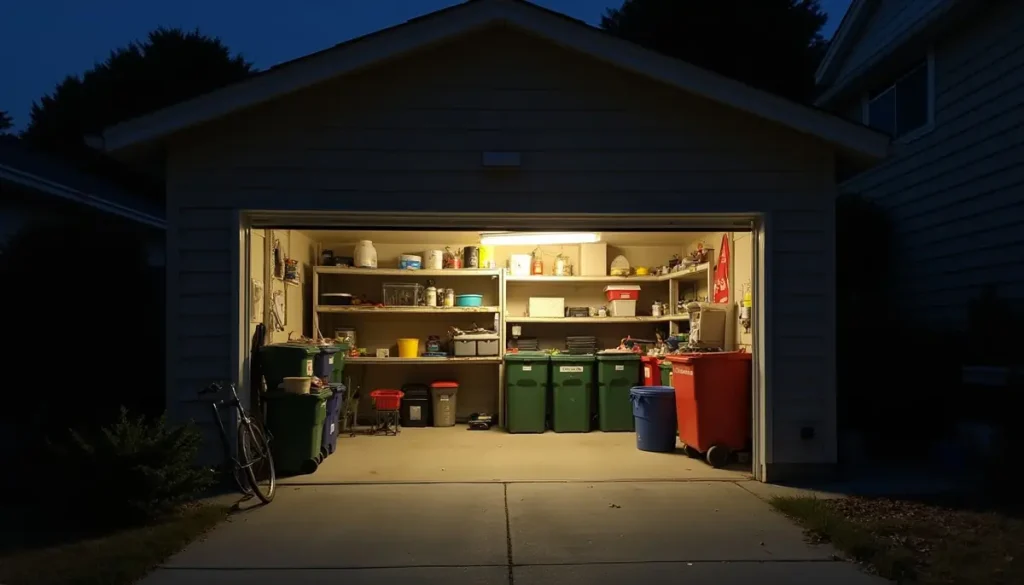
To get an opossum out of the garage, leave the main door or a side door open after dark, turn the outside lights off, keep people and pets away, and let it walk out on its own once nothing is feeding it. Opossums are nocturnal, nomadic and use temporary dens, so a garage is usually a stopover. Shut the door once a flour line shows outgoing tracks, then store pet food and rubbish in sealed bins.
What the opossum is doing, and what it means
| What you see | What it means | What to do |
|---|---|---|
| Opossum in a corner or behind boxes in daylight | Sheltering until dark; opossums are primarily nocturnal (ICWDM) | Leave it, open a door at dusk |
| Hissing, growling, showing its teeth | Bluffing; UC IPM says opossums are not aggressive unless cornered | Back off and give it a clear route out |
| Drooling, lying limp on its side, tongue out | Playing dead, a defensive reaction (Missouri Department of Conservation); not a sign of rabies | Walk away; it recovers and leaves |
| Tipped dog food or rubbish bag | It came in for food; MDC notes opossums scavenge garbage and pet food | Move food into metal bins with locking lids |
| Small young clinging to its back | A mother with older young; they travel with her | Let the family leave together; never separate them |
| Nest of leaves or rags, same animal night after night | A den, more likely in cold weather or with young | Flour test, then exclusion |
Compiled by The Pest Control Brief from UC IPM Pest Notes 74123, the Internet Center for Wildlife Damage Management, the Missouri Department of Conservation and SUNY ESF.
What do I do if I see a possum in my garage?
Nothing dramatic. An opossum in a garage at midday is waiting for dark, and the Internet Center for Wildlife Damage Management lists garages among the places opossums den, alongside space under homes and attics. The timing to work with is dusk: our analysis of iNaturalist records shows 43 per cent of US Virginia opossum records are logged between 8pm and 6am, against 7.9 per cent of all wildlife records, with the single busiest hour from 9pm to 10pm.
How to lure a possum out of a garage?
You do not need to lure it so much as stop holding it. Follow these steps on the first evening:
- Remove the food first. Pick up pet food, bird seed and rubbish bags, and close the bins. UC IPM advises removing outdoor pet food by nightfall and using bins with tight lids.
- Open an exit at dusk. Raise the main door a foot or two or prop the side door open. If the animal turns out to be black and white, switch to our guide to getting rid of skunks without being sprayed.
- Turn the outside lights off and keep the area quiet. Bring dogs and cats inside so the opossum does not stay put in a defensive pose.
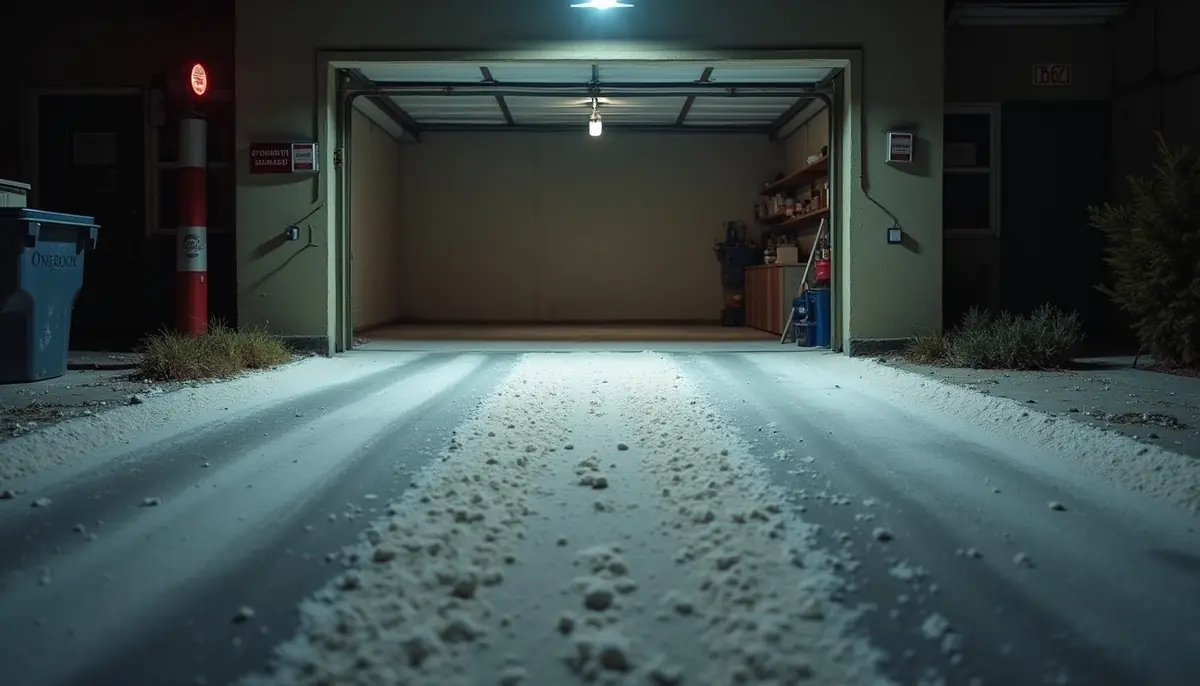
- Lay a flour line. UC IPM describes sprinkling a thin layer of flour in front of the entrance and checking for footprints. Tracks heading out mean it has gone.
- Close up once it leaves. Shut the door that night or first thing next morning.
Food bait is a poor idea. Putting out cat food to coax it towards the door teaches it that the garage feeds it, and it can also bring in raccoons and rats.
What does it mean when a possum is in your garage?
Usually that the garage offered food, shelter or both, and a door was open at the wrong moment. SUNY ESF describes the opossum as one of the few mammals with no fixed home range as an adult: many wander and set up temporary dens in new areas, and sheds, barns and houses are on its list of temporary den sites. The Internet Center for Wildlife Damage Management calls them solitary and nomadic, with a home range of 10 to 50 acres. A garage opossum is normally passing through.
The exceptions are cold weather and young. ICWDM notes that opossums do not hibernate but stay in dens for short periods in very cold weather, and the Missouri Department of Conservation says breeding begins in early February, with most first litters born by the end of February and weaned in May and a second litter usually weaned by the end of September. A female with young may stay longer. Our full plan for getting rid of opossums under a deck or shed covers dens that become regular.
Babies in the garage
Young opossums live in the pouch first. ICWDM puts that at 7 to 8 weeks and weaning at 96 to 108 days after birth; UC IPM says older young may ride on the mother’s back. That makes the opossum easier than a raccoon: an evicted mother takes her young with her. If you find a single small young opossum alone on the garage floor, call a licensed wildlife rehabilitator rather than handling it. Raccoon families are a different calendar problem, which our guide to a raccoon in the garage and the baby season sets out.
Should I let a possum live in my garage?
No, though you do not need to panic about it either. The concerns are practical rather than dangerous:
- Fleas. UC IPM notes opossums can host cat and dog fleas, especially in towns, so a garage used by pets can end up with a flea problem; our guide to treating fleas on the pet, house and yard together covers that.
- Disease. UC IPM lists leptospirosis among the diseases opossums can carry. Wear disposable gloves to clean droppings or a soiled nest, bag the waste and wash your hands.
- Pets. A cornered opossum bites, so keep dogs and cats away until it leaves.
- What follows it. The food that drew an opossum also draws rodents. If droppings in the garage are small and pellet-shaped, read our page on signs of rats in the garage.
Is a hissing, drooling opossum rabid?
Almost certainly not. Hissing, drooling and going limp are the opossum’s standard defence, which the Missouri Department of Conservation describes: it shows its teeth, drools, rolls onto its side and lets its tongue hang out. Rabies is rare in opossums. A 2023 paper in CDC’s journal Emerging Infectious Diseases notes that their low body temperature, 94 to 97°F, has been suggested as a probable cause of the low prevalence in North America. Rare is not never, so our page on how often opossums carry rabies covers what to do after a bite or scratch, which is always a call to a doctor.
The tick claim
Opossums are often defended as eating 5,000 ticks a week. That figure traces to a 2009 laboratory study by Keesing and colleagues. University of Illinois Extension notes it used five captive opossums, each given 100 larval ticks, with uncaught ticks assumed eaten. In 2021 Hennessy and Hild of Eureka College examined the stomachs of 32 wild opossums from central Illinois and found no tick parts, and none of 23 earlier diet studies they reviewed had recorded ticks. Illinois Extension’s conclusion: attracting opossums may not be the trick for keeping tick numbers down, so keep up the usual tick identification and seasonal checks.
Should I be concerned about an opossum in my yard?
Not usually. An opossum crossing the yard at night is doing what the species does, and UC IPM says once established they stay in an area so long as food, water and shelter are available. Remove the food and it moves on. ICWDM notes opossums may forage by day, especially in cold weather, so a daytime sighting alone is not a warning sign; one that seems sick or injured is a job for animal control. The name confusion trips people up too, and our page on opossum versus possum explains why Americans use both words for the same animal.
Trapping and moving it: what the law says
| State | Rule |
|---|---|
| California | Opossums are nongame mammals; relocating wildlife needs written permission from the California Department of Fish and Wildlife (UC IPM) |
| New York | It is illegal to move or relocate an animal off your property; a landowner may take an opossum damaging property without a permit, but one that is only a nuisance needs a DEC permit (NYSDEC) |
| Indiana | A resident landowner or tenant may take an opossum discovered damaging property without a permit, but must report it to a conservation officer within 72 hours (Indiana DNR) |
| Everywhere else | Laws protecting opossums vary among states (ICWDM); check your state wildlife agency first |
For a garage, trapping is rarely needed. An open door after dark solves most cases without any of these rules coming into play.
Keeping the next one out
- Close the garage door at dusk; an opossum walking past will take an open door.
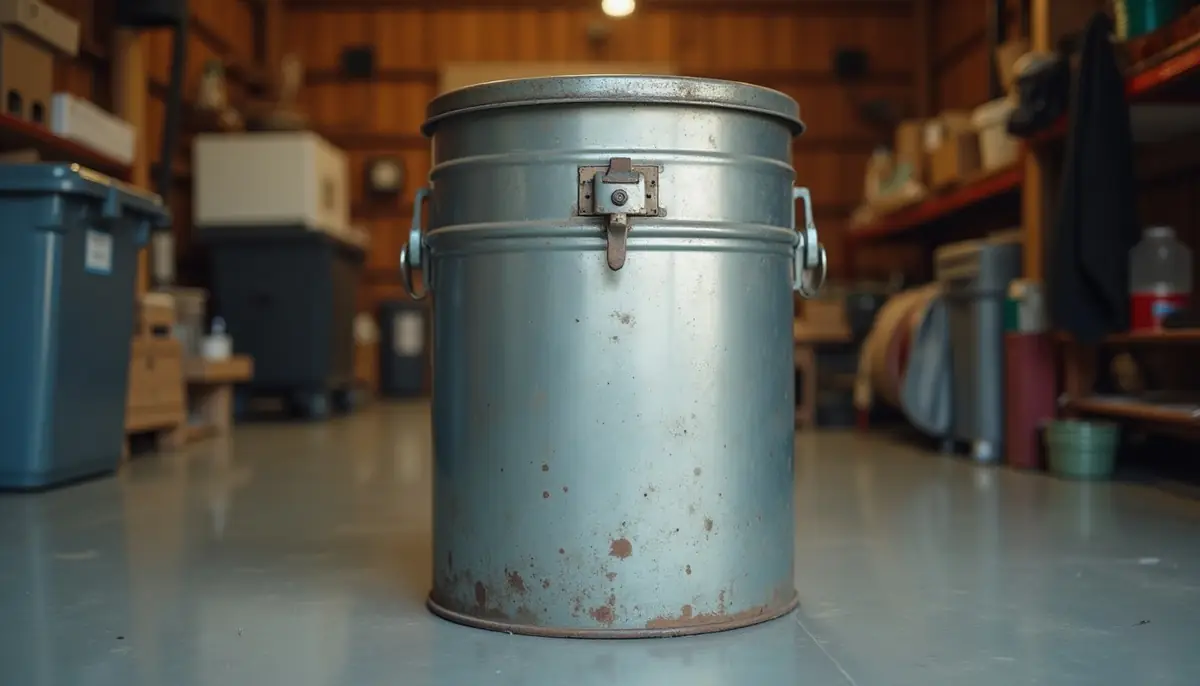
- Store pet food, bird seed and rubbish in metal bins with locking lids.
- Fit or repair the bottom seal on the main door and the side door sweep.
- Close gaps under the garage wall or behind a shed with quarter-inch hardware cloth, which UC IPM recommends burying up to 6 inches.
- Close pet doors at night.
The same routine keeps out mice that move into garages in autumn, because they come for the same food.
When to call a professional
Call a licensed wildlife control operator if the opossum is still there after several nights with a door open and no food, if it is denning inside a wall or under a slab, or if you find young on their own. Published estimates on our wildlife removal cost guide put general wildlife removal at $200 to $600, an inspection at $100 to $300 (usually credited against the job) and each additional exclusion door at $225 to $400.
Frequently asked questions
How long will a possum stay in my garage?
Usually only until food or shelter runs out. SUNY ESF describes opossums as setting up temporary dens as they wander, and ICWDM calls them nomadic. With the food removed and a door open after dark, a garage opossum usually moves on. Cold snaps and females with young can keep one in place longer.
Will an opossum attack me in the garage?
Very unlikely. UC IPM says opossums are not aggressive unless cornered. A cornered one hisses, growls and shows its teeth, and may then play dead. Step back, give it a clear route to an open door and keep pets away.
Can I pick up an opossum that is playing dead?
Do not. The Missouri Department of Conservation notes it recovers quickly and escapes when it can, and a recovering animal in your hands can bite. Leave it with an open door and check after dark. Any bite or scratch from a wild animal should be reported to a doctor.
Does a possum in the garage mean there are more?
Not usually. ICWDM describes opossums as solitary, so one adult is the normal case. The exception is a mother with young in her pouch or on her back, which UC IPM says older young may ride on. They leave together.
Sources
- University of California Statewide IPM Program, Pest Notes: Opossum, Publication 74123.
- Internet Center for Wildlife Damage Management, Opossum Biology and Opossums species account.
- Missouri Department of Conservation, Field Guide: Virginia Opossum.
- SUNY College of Environmental Science and Forestry, Adirondack Ecological Center, Virginia Opossum.
- Emerging Infectious Diseases (CDC), Naturally Acquired Rabies in White-Eared Opossum, Brazil, volume 29, number 12, December 2023.
- Keesing and colleagues, 2009 laboratory study of opossums and larval blacklegged ticks, as described by University of Illinois Extension.
- Hennessy and Hild, Are Virginia opossums really ecological traps for ticks? Ticks and Tick-borne Diseases, 2021.
- University of Illinois Extension, Good Growing blog, Reassessing the opossum and tick relationship, June 2024.
- New York State Department of Environmental Conservation, Remove or Take Nuisance Animals Legally.
- Indiana Department of Natural Resources, How do you eliminate a nuisance animal on your property?
- The Pest Control Brief analysis of iNaturalist research-grade records, pulled October and November 2026.