How Many Mouse Traps Do I Need? Spacing and Counts by Room
Most homes need roughly 6 to 12 snap traps for each room with mouse activity, and about two dozen for a new infestation in a 1,500 square foot house. UC IPM and Nebraska Extension say to space traps no more than about 10 feet apart where mice are active; the wildlife damage handbook says 6 feet. Set them against walls, double them up where signs are heaviest, and keep trapping until a full week passes with no catches and no new signs.
The trap calculator: count by wall length
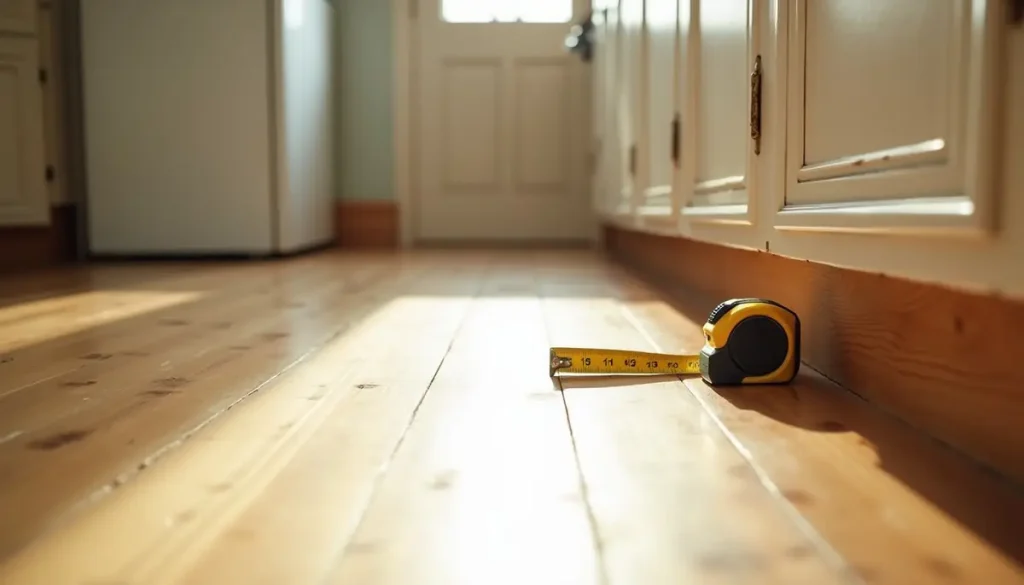
Measure only the walls where you have found droppings, gnawing or a sighting, then read across. The counts are our calculation from the published spacing rules.
| Where mice are active | Wall length to cover | Trap sites at 10 ft spacing (UC IPM, Nebraska) | Trap sites at 6 ft spacing (wildlife damage handbook) | Traps if you double-set every site |
|---|---|---|---|---|
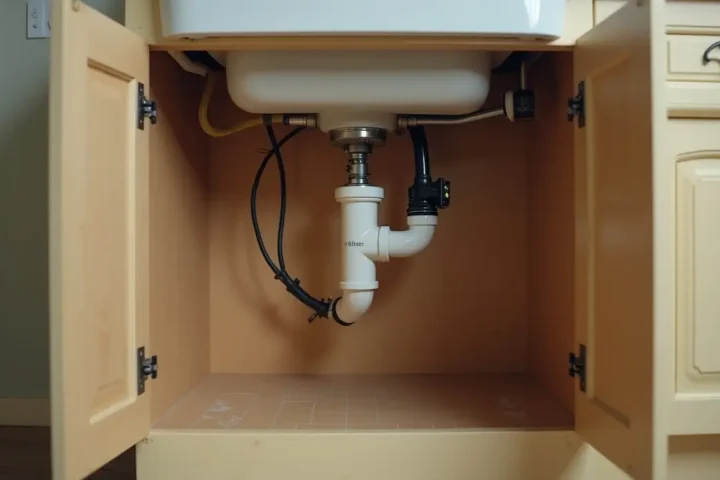
| Under one sink or one cabinet run | 10 ft, open run | 2 | 3 | 4 to 6 |
| Kitchen, two walls with droppings | 24 ft, open run | 4 | 5 | 8 to 10 |
| Whole kitchen perimeter, 12 x 14 ft | 52 ft, closed loop | 6 | 9 | 12 to 18 |
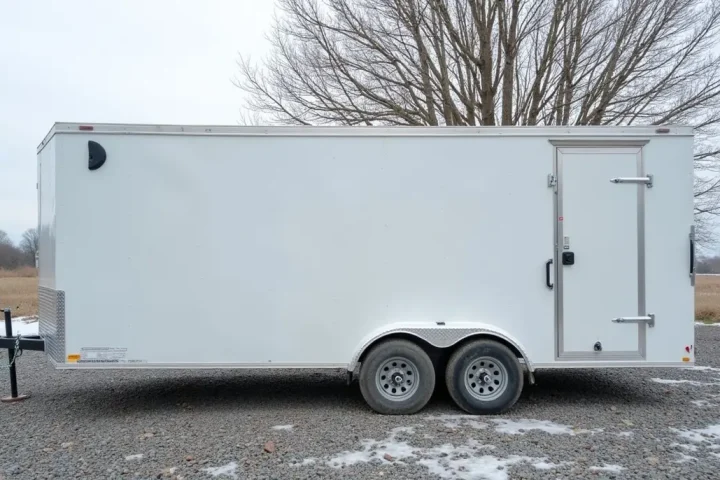
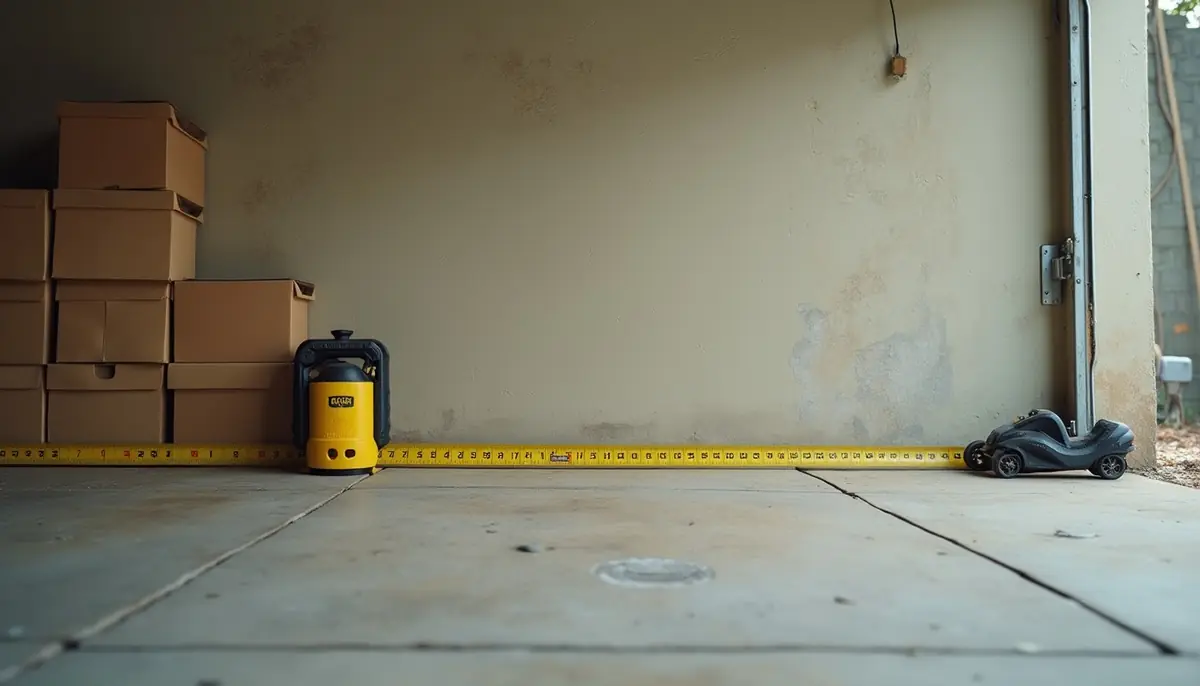
| Single-car garage, 12 x 22 ft, a common site for mice moving into garages | 68 ft, closed loop | 7 | 12 | 14 to 24 |
| Basement, 30 x 40 ft | 140 ft, closed loop | 14 | 24 | 28 to 48 |
| Attic floor along one eave | 40 ft, open run | 5 | 8 | 10 to 16 |
Compiled by The Pest Control Brief from the spacing rules in UC IPM Pest Notes 7483 (2025), Nebraska Extension G1105 and Timm, Prevention and Control of Wildlife Damage (1994).
The arithmetic
- Open run (a wall that ends): divide the length by the spacing, round up, then add one trap so both ends are covered. A 24 ft run at 10 ft spacing is 24 / 10 = 2.4, rounded up to 3, plus 1 = 4.
- Closed loop (a whole room perimeter): divide the perimeter by the spacing and round up. A 12 x 14 ft kitchen has a 52 ft perimeter; 52 / 6 = 8.7, rounded up to 9.
- Add the rooms together. Signs in the kitchen and the utility room are two counts, not one.
Nebraska Extension gives a whole-building check: as a rough guide, two dozen properly placed snap traps will control a new mouse infestation in a 1,500 square foot structure. A kitchen perimeter at 6 ft spacing plus a utility room and a cabinet run lands close to that.
Why 6 feet or 10 feet, and which to use
The spacing comes from how far a house mouse travels, and the three sources disagree:
- The wildlife damage handbook chapter by Timm says a mouse normally travels an area averaging 10 to 30 feet in diameter during its daily activities, and spaces traps no more than about 6 feet apart.
- UC IPM Pest Notes 7483 says house mice seldom venture more than 30 feet from their nest sites and food, and spaces traps no more than about 10 feet apart.
- Nebraska Extension G1105 says mice leave the nest up to 40 times a day but seldom go beyond 50 feet from shelter and food, and also uses 10 feet.
Use 6 feet in the room where signs are heaviest and 10 feet elsewhere. If every dropping is in one pantry corner, a trap every 10 feet along the hallway catches nothing.
How to set them so the count works
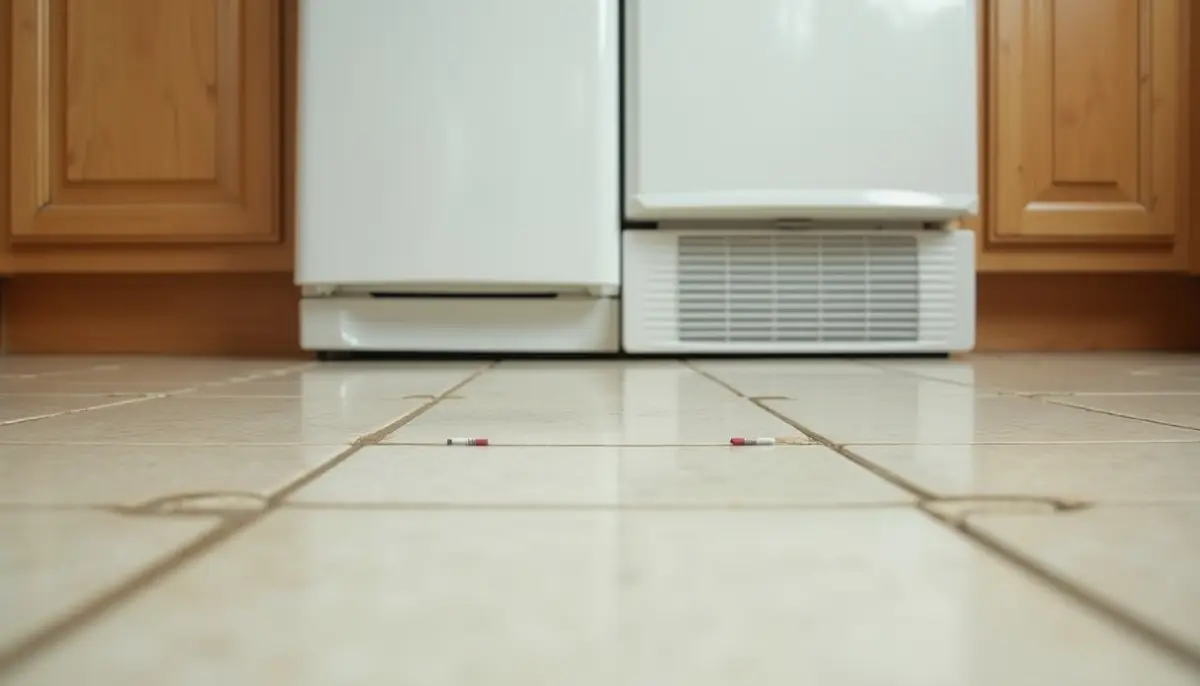
- Against the wall. The CDC says to place the trap on the floor against the wall, because rodents prefer to run next to walls or objects for safety. UC IPM adds to set traps close to walls so mice pass directly over the trigger.
- Behind and under things. UC IPM lists secluded areas along walls, behind objects, dark corners and wherever droppings appear; our guide to the signs of mice, room by room shows where to look.
- Double sets where activity is high. UC IPM says pairs of traps set 1 to 2 inches apart increase captures of mice that jump over obstacles; Nebraska says at least 1 inch should separate the two traps. This is where the doubled column in the table comes from.
- A small bait. UC IPM warns that too much bait lets a mouse lick it off without firing the trap. A pea-sized amount on a lightly set trigger works; cotton wool or dental floss also works as a nesting bait, according to the same note. The CDC suggests pre-baiting traps unset first.
- Check every morning. Nebraska notes mice are most active before dawn and after dusk, so a morning check catches the night’s work.
The full routine is in our guide on how to catch a mouse with traps that actually fire.
Glue traps and electronic traps: does the count change?
The spacing is the same for any trap a mouse must walk onto, because the limit is the mouse’s travel distance, not the device.
| Trap type | Count | What the sources say |
|---|---|---|
| Snap trap | Use the table above | UC IPM calls trapping a great first step in most situations; wide trigger plates have higher catch rates |
| Electronic (battery) trap | Same spacing; cost usually limits the count | UC IPM: considerably more expensive than other traps, though some homeowners and pest control companies have found them to give good results |
| Glue board | Not recommended | CDC: do not use glue traps and live traps, which can scare rodents and make them urinate. UC IPM: adults often detect and avoid the glue, so captures are mostly juveniles |
| Multiple-catch live trap | Fewer, at entry points | Nebraska: not recommended for relocation; house mice are non-native and should not be released |
With electronic traps, put them at the busiest sites and fill the rest of the grid with snap traps. This Old House lists snap traps at a published $3 to $6 each, so a two-dozen set is a modest outlay next to the $150 to $550 published estimate for a professional trapping programme on our mouse exterminator cost breakdown.
When mice turn up, and why autumn sets need more traps
Our analysis of iNaturalist research-grade house mouse records shows when people in the US find and record house mice. Records climb from 235 in June to a peak of 443 in October, then stay high through November. That matches UC IPM’s note that house mice frequently enter homes in autumn when nighttime temperatures become colder, and it is the season when a single room’s signs most often spread to two or three.
These are iNaturalist records of when people noticed and identified house mice, not counts of indoor infestations, and raw counts also rise when more people are recording. Sealing gaps matters as much as the trap count; what draws mice indoors in the first place covers the food and shelter side.
How long to keep the traps out
Trap until the evidence stops. The CDC’s threshold: if no rodents are captured for a week and there are no new signs, the rodents are gone. The CDC also says to check bait every week for at least 15 days.
UC IPM says young are born 18 to 21 days after conception and a female can have 5 to 10 litters a year of about 5 or 6 pups. Stopping after two quiet nights can miss a litter still in the nest. Our page on how to tell if mice are gone for good sets out the flour-patch and clean-surface checks that confirm the all-clear.
If catches continue past two to three weeks with a full grid set, mice are probably still getting in through gaps; UC IPM notes they can squeeze under gaps a quarter inch tall. That is the point at which a full plan to get rid of mice with sealing does more than another dozen traps.
What is the 5 day mouse rule?
It is an online rule of thumb that five quiet days mean the mice are gone; we could not find it in CDC or extension guidance. The CDC uses a full week, the safer test after rodenticide use, because Nebraska Extension says mice that eat a lethal dose begin dying in five days, whichever generation of rodenticide is used.
Is 4 mice an infestation?
For practical purposes, yes: four mice caught means a breeding group is likely, not four strays. UC IPM puts sexual maturity at 5 to 6 weeks after birth, so a household of four can become dozens within a season. Our page on how many mice count as an infestation works through the numbers; for trapping, treat it as a reason to fill every active wall, not to set four traps.
Do mice eventually avoid traps?
Less than rats do. Timm’s handbook chapter says mice are not nearly as afraid of new objects as rats are, and that leaving traps baited but unset until the bait is taken at least once reduces the chance of a mouse escaping and becoming trap-shy. Nebraska Extension adds a finding that argues for a larger count: research has shown that female house mice avoid traps that have caught dominant males, so add clean or new traps during a continuing programme. Rats are far warier, so confirm whether you have a rat or a mouse before setting dozens of mouse-size traps.
How long does it take to get rid of mice with traps?
Plan on two to three weeks for a small infestation: the CDC’s 15 days of checking, ending with a full week of no catches and no new signs. UC IPM’s advice to use enough traps to make the trapping period short and decisive is why the count matters.
Frequently asked questions
How many mouse traps do I need for a house?
Nebraska Extension’s rough guide is two dozen properly placed snap traps for a new infestation in a 1,500 square foot building. Add more for a larger house or when signs appear in several rooms, using one trap every 6 to 10 feet along each wall where droppings or gnawing appear, doubled where activity is heaviest.
How many glue traps do I need?
The CDC advises against glue traps, saying they can scare rodents into urinating, and UC IPM notes adult mice often avoid the glue, so boards catch mostly juveniles. If used, Nebraska says to place them along walls, away from children, pets and wildlife.
Should I put mouse traps in every room?
No. Put traps where you find droppings, gnaw marks, nesting material or a sighting. UC IPM says house mice seldom go more than 30 feet from their nest, so a room with no signs is usually outside their range. Recheck neighbouring rooms after a week.
Which direction should a mouse trap face against the wall?
Set it on the floor touching the wall, with the trigger end against the wall so a mouse running along the skirting crosses the trigger. The CDC and UC IPM both say to place traps close to walls because mice prefer to run along them.
When should I call a professional instead of adding traps?
When a full grid is still catching mice after two to three weeks, or signs are in walls, attics or several floors, unsealed entry points are the likely cause, as UC IPM notes mice fit under quarter-inch gaps. Our guide on when to call pest control for mice lists the signs that a sealing job is needed.
Sources
- University of California Statewide IPM Program. Pest Notes: House Mouse, Publication 7483 (updated July 2025).
- Vantassel S.M., Hygnstrom S.E., Ferraro D.M. Controlling House Mice, G1105. University of Nebraska-Lincoln Extension.
- Timm R.M. House Mice. In: Hygnstrom, Timm and Larson (eds), Prevention and Control of Wildlife Damage. University of Nebraska Cooperative Extension, USDA APHIS Animal Damage Control and Great Plains Agricultural Council, 1994.
- Centers for Disease Control and Prevention. Trap Up: rodent control (Healthy Pets, Healthy People).
- This Old House. Mouse exterminator cost guide (published estimates, as summarised on our mouse exterminator cost page).
- The Pest Control Brief analysis of iNaturalist research-grade records, pulled October 2026 (b19 to b30 files).