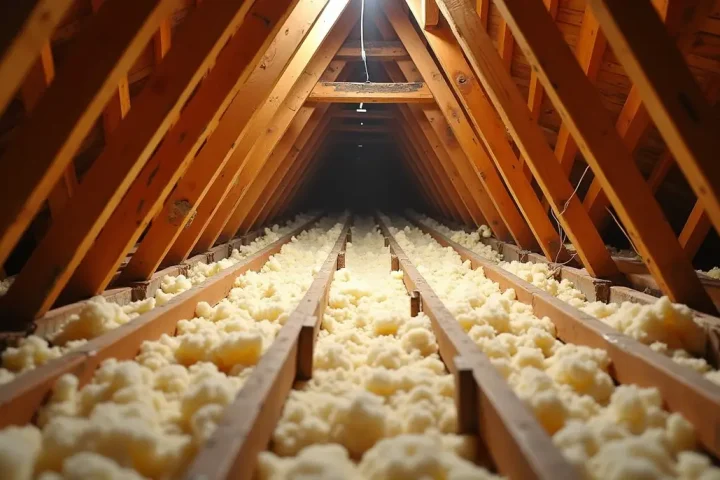
Will Mice Eat Through Spray Foam? What Stops Them Instead
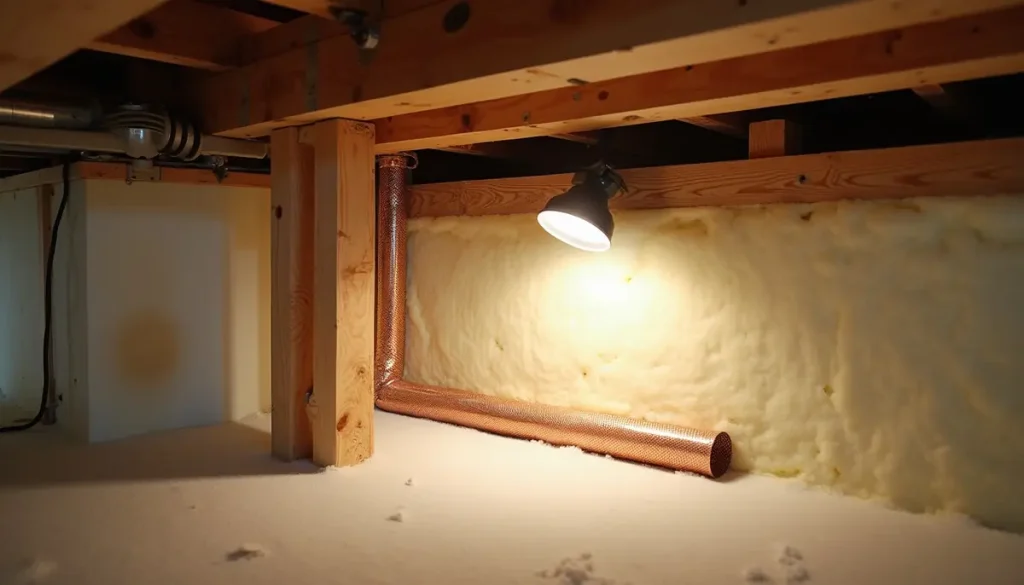
Yes: mice chew through ordinary expanding spray foam, and UC IPM lists insulating (expanding) foam among the materials that are ineffective for plugging mouse holes. Foam is soft enough to gnaw, and a house mouse needs a gap of only about a quarter inch. Use foam as an air seal over a metal core (copper mesh, steel wool, hardware cloth or sheet metal), never as the barrier itself. Even the makers of foam sold for pest gaps say a determined rodent can chew it.
What to put in the gap instead of foam alone
| Gap or opening | What to use | Specification | Source |
|---|---|---|---|
| Small crack or hole under about 1 inch | Packed steel wool or copper mesh, caulked over | 00 grade steel wool; caulk over it so it cannot be pulled out | NPS Rodent Exclusion Manual; CDC |
| Utility line, pipe or cable penetration | Copper mesh packed in, then foam or caulk trimmed and painted | Seal any gap over 1/4 inch around the guard or line | NPS Rodent Exclusion Manual |
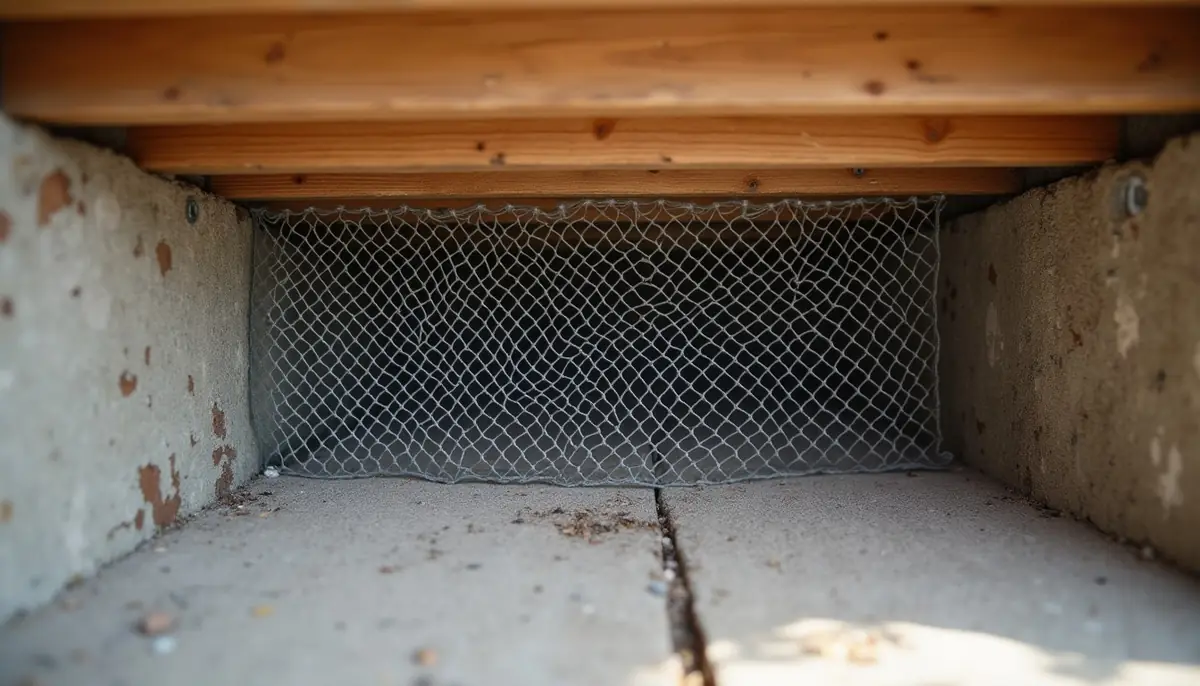
| Larger hole, vent or crawl space opening | Hardware cloth | 1/4 inch mesh, 16 to 19 gauge wire | NPS Rodent Exclusion Manual |
| Holes in siding, eaves or behind appliances | Galvanized sheet metal or lath screen | Guards of 26 gauge or heavier galvanized steel | NPS Rodent Exclusion Manual; CDC |
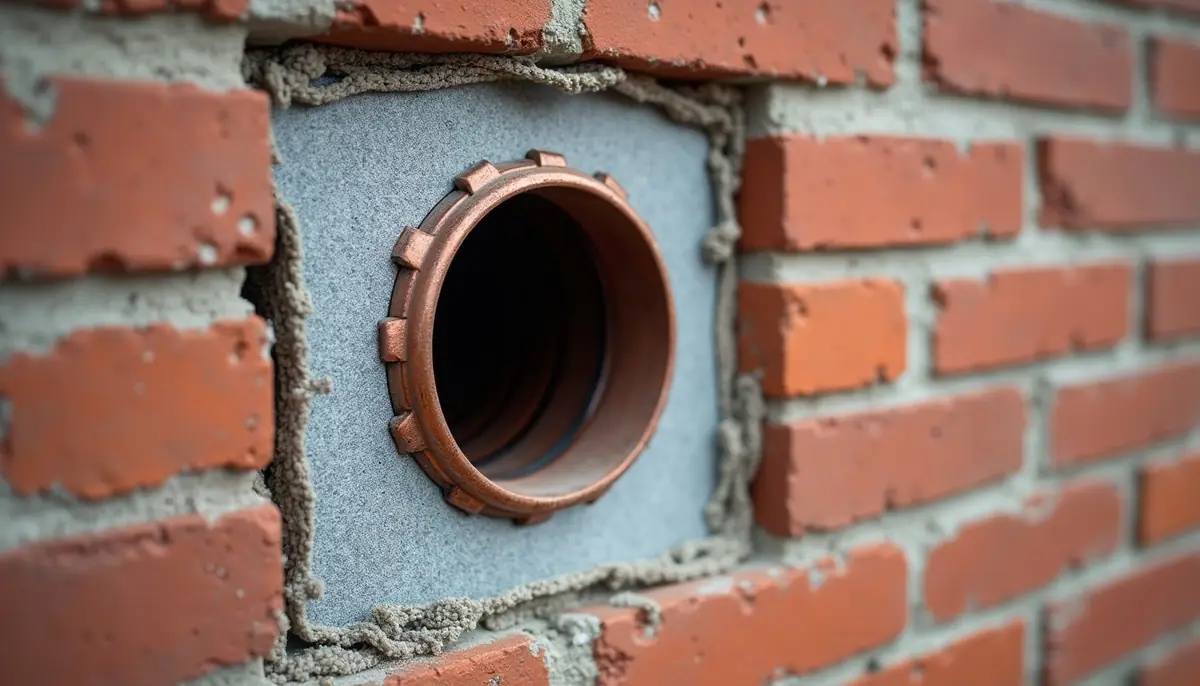
| Foundation cracks, pipe entries through masonry | Concrete or mortar | Metal or concrete around water pipes, vents and cables | UC IPM Pest Notes: House Mouse |
| Door bottoms | Metal-edged door sweep | Felt, foam or sponge seals are not highly resistant to gnawing | NPS Rodent Exclusion Manual |
Compiled by The Pest Control Brief from the National Park Service Rodent Exclusion Manual (2019 edition), UC IPM Pest Notes: House Mouse (Publication 7483), CDC guidance on sealing up and Nebraska Extension NebGuide G1105. Our fuller comparison of which exclusion materials hold up and which fail at the edges covers gauges for rats too.
The rule: foam is not a rodent barrier
UC IPM’s house mouse Pest Note (Publication 7483) says it directly: plastic screening, rubber, vinyl, insulating (expanding) foam, wood and other gnawable materials are ineffective for plugging holes used by house mice. It tells readers to seal openings with wire screen, coarse steel wool, metal or concrete instead.
The Internet Center for Wildlife Damage Management (ICWDM) reaches the same verdict from a different angle: foam that expands is useful to reduce heat loss but will not prevent rodent entry. Nebraska Extension’s G1105 adds latex, plastic, rubber and boards under half an inch thick to the list of soft materials that are unsuitable.
The reason is mechanical. ICWDM says house mice keep their continuously growing incisors worn down by gnawing on hard surfaces. The National Park Service manual notes that rats gnaw through concrete block, aluminium siding, wallboard and plaster when they have an exposed edge, and a foam plug is one large exposed edge.
The size of the problem is a quarter inch
CDC puts it plainly: mice can fit through a hole the width of a pencil, 1/4 inch or 6 millimetres in diameter. A mouse does not need to eat a foam plug. It needs to gnaw a pencil-width tunnel through it, or along the soft line where foam meets brick or a pipe. That is why mice that disappear for a week often reappear in the same cupboard, a pattern covered in our guide to why mice keep coming back after trapping.
How long does it take for mice to chew through spray foam?
No published study measures it. We found no extension, university or peer-reviewed test that timed mice gnawing through cured spray foam, open cell or closed cell. Claims of “seconds” or “a single night” on contractor sites are not backed by data. What the sources do establish is that the material is classed as gnawable, and that a mouse needs only a 6 mm path. Treat any foam-only seal as temporary from the first night.
Installers often say denser closed-cell foam resists chewing better. No primary source we read tests that, and UC IPM’s list makes no exception for density.
The exceptions: where foam still earns its place
Foam is not useless. It has three legitimate roles, and each one keeps metal as the barrier.
- A finish over a metal core. The NPS manual shows a utility line gap that was “partially filled with expanding foam, but an adequate opening still remains for rodent entry,” and gives the fix: insert copper mesh, then trim and paint over the foam, or cover the opening with 1/4 inch hardware cloth.
- Holding steel wool in place. CDC’s sealing guidance says to fill small holes with steel wool and put caulk around it to keep it in place, or use spray foam. The steel wool is the barrier; the foam stops it being pulled out. Steel wool has its own limits, which our page on whether mice can chew through steel wool sets out.
- Air sealing irregular gaps. Foam fills odd shapes behind a metal patch and cuts the warm air and odour that leak from a gap.
Exposed foam has a second weakness outdoors. The NPS manual says foam can break down in the presence of sunlight and must be trimmed and painted once dry to protect it from breaking down or becoming brittle in UV light. A crumbling bead around an outdoor pipe is an easy start for a mouse.
Foams sold as pest blocking
Some foam sealants are marketed for pest gaps. One maker’s product page we read describes its pest-blocking foam as pesticide free and says it blocks insects and pests by sealing gaps, cracks and holes. The same maker’s FAQ says that rodents and small animals, if determined enough, can chew through many materials, including its standard foam. The label claim is that the foam closes the hole; no claim we read says it is gnaw-proof, and we found no independent test of these products. Use them the same way as any foam: over metal, not instead of it.
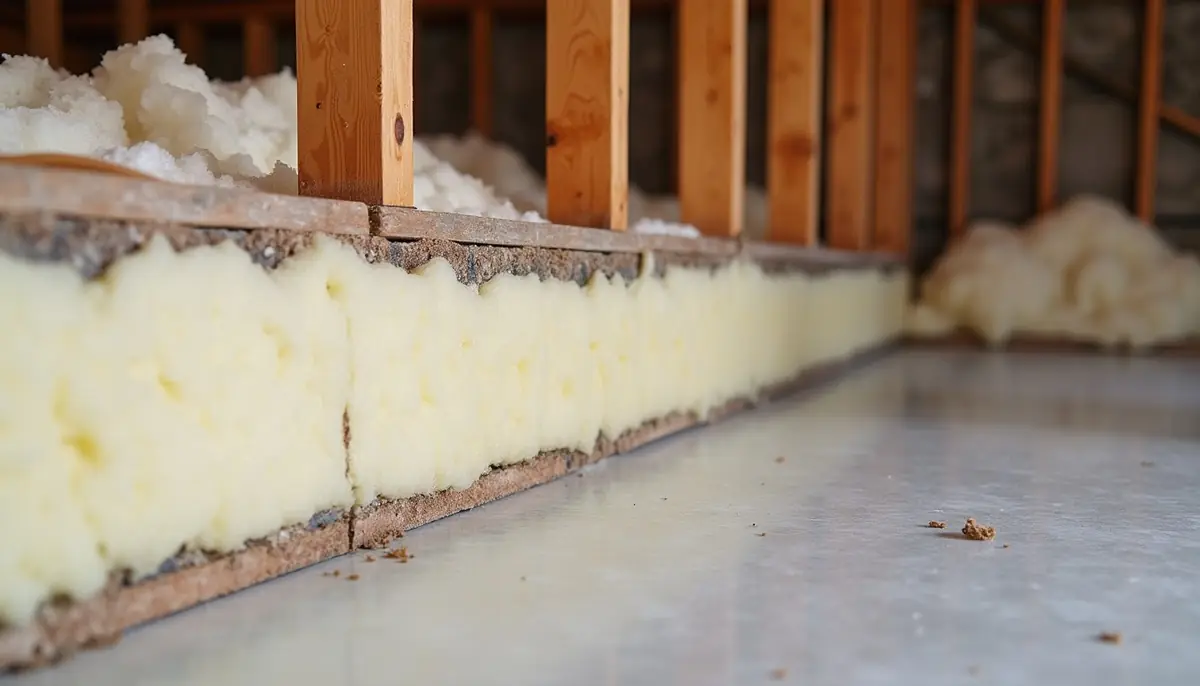
Will spray foam insulation keep mice out?
Only partly. Spray foam insulation in a wall cavity or rim joist removes air gaps, which can leave mice with fewer obvious entry points. It does not stop a mouse that finds a soft edge to gnaw. The NPS manual notes that rodents often burrow into and rearrange wall and attic insulation, so insulation of any kind tends to become nesting space once mice are inside. Scratching after an insulation job usually means a gap was missed, and our guide to mice in the walls explains how to find it.
What insulation will mice not eat?
None of the extension sources we read names an insulation that mice will not chew or nest in. Mice mostly shred insulation rather than eat it: the NPS manual says rodents burrow into and rearrange wall and attic insulation, and ICWDM describes mice as nibblers that sample new foods. Shredded insulation near a gap is one of the signs ICWDM lists, as fresh accumulations of wood shavings, insulation and other gnawed material indicate activity. Our guide to what a mouse nest looks like shows the difference between nesting and damage. The protection comes from closing the outside of the building with metal, not from the insulation type.
Where to seal first
CDC’s checklist names the places mice use most. Outside: roof areas including eaves and soffits, which is how most mice in the attic get in, doors without weather stripping, where the foundation meets the ground, attic and crawl space vents, and holes for electrical, plumbing, cable and gas lines. Inside: under and behind kitchen cabinets, closet corners, behind appliances, around pipes under sinks, washers, water heaters and furnaces, and floor and dryer vents.
- Confirm activity first: droppings about 1/8 to 1/4 inch long (Nebraska G1105) along walls and in cupboards are the usual sign, and our checklist of signs of mice in the house covers the rest.
- Trap the mice already inside before sealing every hole, so none are shut in to die in a wall void.
- Pack each gap with metal: copper mesh or steel wool for small gaps, hardware cloth or sheet metal for larger ones.
- Finish with caulk or foam, trimmed and painted outdoors.
- Check the seals each autumn. UC IPM says mice frequently enter homes in autumn as nights turn cold.
Our analysis of iNaturalist research-grade house mouse records shows the same autumn pattern in sightings: US records climb from 235 in June to 443 in October, the peak month. These are records of where and when people recorded mice, mostly outdoors, not counts of indoor infestations, but they line up with the extension advice to have seals in place by early autumn.
DIY or professional exclusion?
A handful of pipe and cable gaps is a reasonable DIY job with copper mesh, caulk and hardware cloth. Gaps at roof level, along a whole foundation or behind siding are where professional exclusion earns its fee. Published estimates for whole-house sealing run $1,000 to $3,000, listed on our rodent removal cost breakdown.
Ask any company which material goes behind its foam, and get it in writing; our guide to pest exclusion services lists what a quote should include.
Seal only after the mice inside are trapped; the full trapping and sealing plan, in that order, is in how to get rid of mice.
Frequently asked questions
Will mice eat through spray foam?
Yes. UC IPM Pest Notes: House Mouse lists insulating (expanding) foam with plastic, rubber, vinyl and wood as ineffective for plugging mouse holes, and ICWDM says expanding foam will not prevent rodent entry. Mice gnaw it rather than eat it for food. Pack the gap with copper mesh, steel wool or hardware cloth first and use foam only as the finish.
How long does it take for mice to chew through spray foam?
No published study has timed it. We found no extension or peer-reviewed test measuring how fast mice gnaw through cured foam, open cell or closed cell. Because a mouse needs only a gap about 1/4 inch wide (CDC), and foam is classed as gnawable, treat a foam-only seal as something a mouse can defeat on its first serious attempt.
What material can mice not chew through?
Extension and federal sources recommend metal and concrete: 1/4 inch hardware cloth of 16 to 19 gauge, galvanized sheet metal of 26 gauge or heavier for guards, concrete or mortar around masonry penetrations, and 00 grade steel wool or copper mesh caulked in place for small holes (NPS Rodent Exclusion Manual; UC IPM). Aluminium, plastic screen and foam are all chewable.
Will spray foam insulation keep mice out?
Not on its own. Spray foam insulation closes air gaps, but it is still a gnawable material, and the NPS manual notes that rodents often burrow into and rearrange insulation once inside. Seal the exterior entry points with metal or concrete; the insulation then has nothing to do with keeping mice out.
What insulation will mice not eat?
None of the extension sources we read names a mouse-proof insulation. Mice tear insulation for nesting rather than food, and ICWDM lists shredded insulation as a sign of activity. The building envelope, sealed with metal, concrete and caulk at every gap of 1/4 inch or more, is what keeps mice out of any insulation type.
Sources
- University of California Statewide IPM Program, Pest Notes: House Mouse, Publication 7483.
- National Park Service, Rodent Exclusion Manual: Mechanical Rodent Proofing Techniques (Badzik, DiSalvo, Buttke and Chase), 2019 accessible edition.
- Centers for Disease Control and Prevention, How to Seal Up to Prevent Rodents.
- Internet Center for Wildlife Damage Management, House Mouse identification, biology, and damage prevention and control methods pages.
- University of Nebraska Lincoln Extension, Controlling House Mice, NebGuide G1105 (revised 2012).
- Manufacturer product page and FAQ for a pest-blocking foam sealant (label claims only), accessed November 2026.
- The Pest Control Brief analysis of iNaturalist research-grade records, pulled October 2026 (b19 to b30 files).