Mice in a Boat Over Winter: Keeping Them Out
Mice get into a boat by climbing the trailer, dock lines and shore power cables, then nest in cushions, life jackets and lockers, so keeping them out means removing every scrap of food and nest material, closing the routes aboard and trapping inside. No repellent has good evidence for a stored boat. Snap traps checked on a schedule are the main tool, because EPA says anticoagulant baits kill four days to two weeks after feeding, leaving dead mice out of reach.
Where mice board a boat, and the fix for each
| Route aboard | Why mice use it | Fix |
|---|---|---|
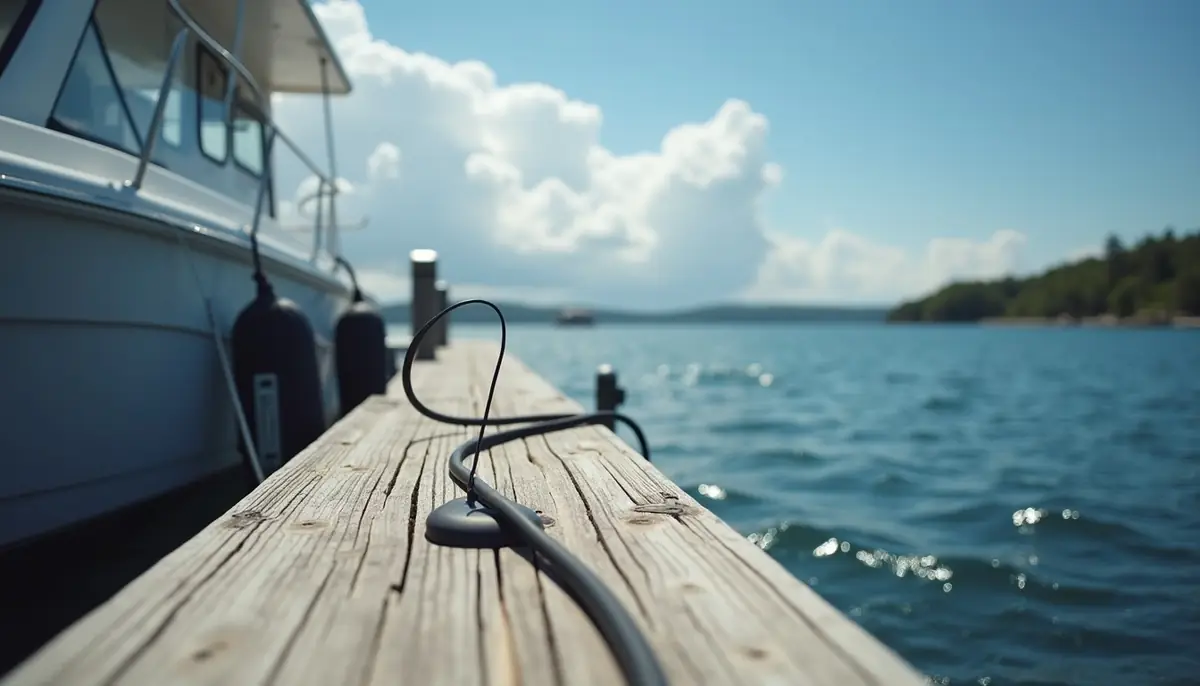
| Dock lines and fenders (boat in the water) | BoatUS calls them “bridges for rodents”; UC IPM says house mice run horizontally along wire cables or ropes | Keep lines taut and the boat off the dock; BoatUS suggests a metal pie-pan guard on each line |
| Shore power cord and water hose | The same rope-running behaviour, straight to the deck | Unplug and coil it aboard for storage, or guard it like a dock line |
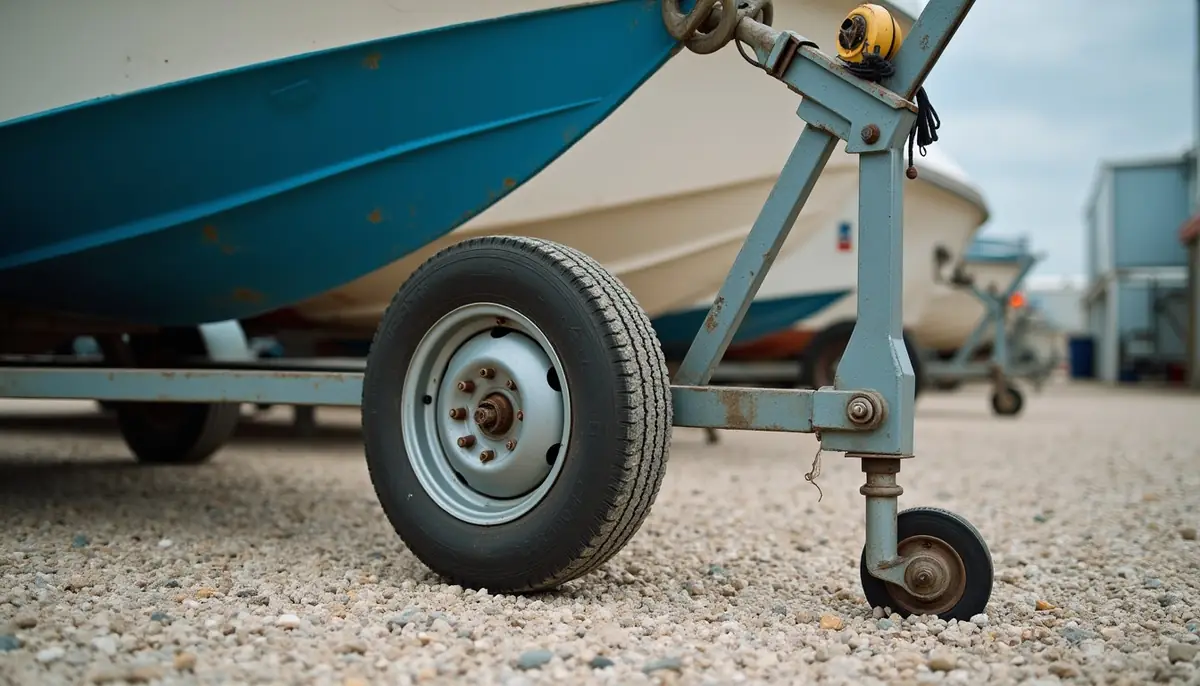
| Trailer frame, winch post and tyres | UC IPM says house mice run up any rough vertical surface | Store on gravel or paving away from long grass; clear weeds and stored junk around the trailer |
| Vents | Open by design | BoatUS advises covering them, or fitting wire mesh or hardware cloth inside if the vent must stay open |
| Cable, steering and fuel line penetrations | Holes are often larger than what passes through; mice gnaw to enlarge gaps over 1/4 inch, says UC IPM | Pack with copper or stainless mesh; foam only as a cap over metal |
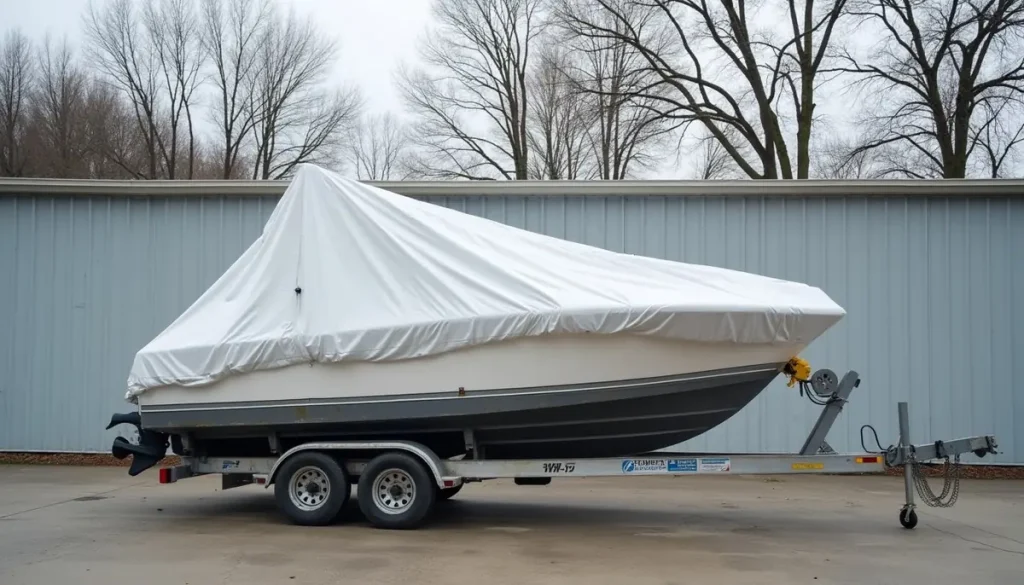
| Shrink wrap vents, zip doors and the bottom edge | The wrap stops rain, not a climbing rodent at a loose seam | Close zip doors, screen wrap vents, check the hem line where it meets the hull |
| Engine compartment and exhaust | Dark, sheltered, near the wiring | Close hatches; check on every visit |
Compiled by The Pest Control Brief from BoatUS Magazine pest control guidance, UC IPM Pest Notes: House Mouse (7483) and Deer Mouse (74161), and ICWDM deer and white-footed mouse control guidance.
UC IPM says house mice can squeeze under gaps a quarter of an inch tall, and its deer mouse guidance says openings larger than 1/4 inch should be sealed because mice gnaw to enlarge them. That is the size to work to on a hull. UC IPM rates plastic screening, rubber, vinyl, insulating foam and wood as unsuitable for plugging mouse holes, and which sealing materials actually stop a rodent compares copper mesh, steel wool and hardware cloth.
Which mice, and when they come aboard
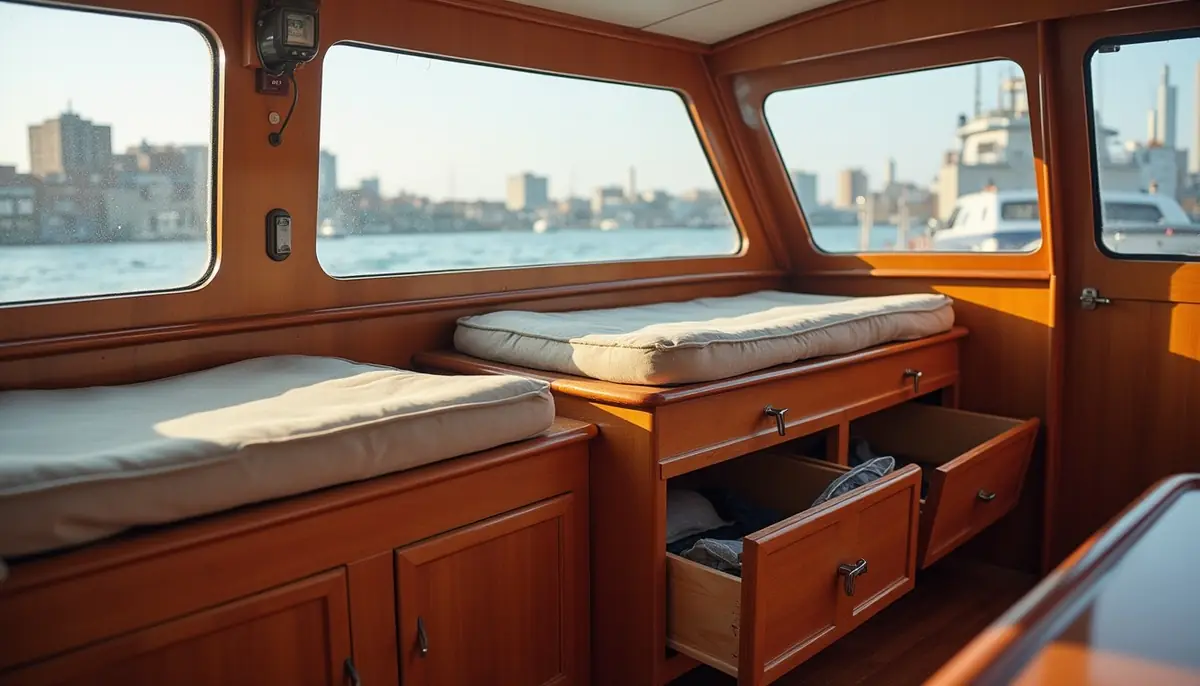
A boat stored near fields or woodland draws deer mice as well as house mice. UC IPM says deer mice often enter vacated cabins and other structures to nest, damaging upholstered furniture, mattresses, clothing and paper, which on a boat means bunk cushions, life jackets and sail bags.
In our analysis of US research-grade iNaturalist records, deer mice rise from an index of 69 in August to 154 in November, and house mice from 40 in June to 203 in November, against a yearly average of 100. These are records of when people notice mice, mostly outdoors, not counts of infested boats, but they match UC IPM’s account that house mice move indoors in autumn as nights cool.
The lay-up protocol
Before you wrap or cover
- Take off all food. Snacks, bait, pet food and anything in a cooler. ICWDM says food left in infrequently used buildings should be stored in rodent-proof containers; on a boat it is simpler to take it home.
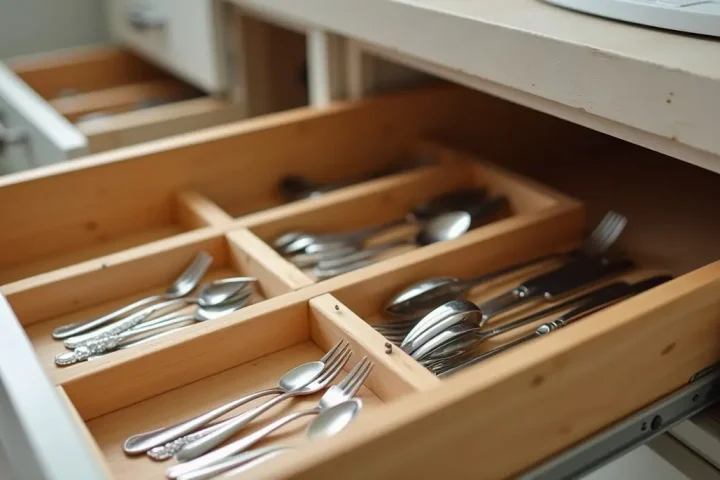
- Remove or stand up nesting material. ICWDM advises removing padded cushions and storing them on edge, separate from one another and preferably off the floor, and reinserting empty drawers upside down. Take life jackets, towels and sail bags home or store them in sealed tubs.
- Seal the gaps. Work through the table above with metal mesh, starting where cables and steering run through bulkheads.
- Disconnect the battery and shore power. CDC advises disconnecting a vehicle battery before inspecting an engine compartment for rodents, and an unplugged cord is one less route aboard.
- Set traps inside. Put snap traps along the sides of lockers, under bunks and in the engine compartment. UC IPM says peanut butter, or peanut butter mixed with rolled oats, is usually an effective bait for deer mice, and that a dozen or more traps may be needed for a large population.
During storage
- Visit and check the traps at least monthly. BoatUS advises checking a stored boat regularly so mice are dealt with before they eat through wiring, and a trap left for four months unvisited holds a decomposing mouse.
- Look for droppings, shredded fabric and gnawing on each visit. UC IPM warns that rodents gnawing on wires are believed to cause many fires of unknown origin, and why rodents chew wiring and the fire risk it creates applies to boat harnesses as much as houses.
Why poison bait is a poor fit on a boat
EPA says anticoagulant rodenticides typically kill between four days and two weeks after rodents begin to feed, so a poisoned mouse usually dies somewhere in the hull. Consumer bait stations are labelled for use indoors, or outdoors within 50 feet of buildings, and EPA tells buyers to check the label covers the place they intend to use it. EPA also notes second-generation anticoagulants pose greater risks to animals that eat poisoned rodents, such as the predators that hunt around a marina.
What is the best rodent repellent for boat storage?
None has good evidence. ICWDM says no repellents are registered for deer or white-footed mice and that there are no methods known for keeping them out of structures by sound. UC IPM says chemical repellents for deer mice are not effective enough to justify their expense.
| Repellent | What the evidence shows |
|---|---|
| Dryer sheets | No published test on mice, and the sheets are soft, fibrous nest material; our review of whether dryer sheets repel mice traces where the idea came from |
| Peppermint oil | Short-lived laboratory avoidance only; our analysis of what the peppermint oil studies found gives the numbers |
| Ultrasonic devices | UC IPM says ultrasonic and other frightening devices are not effective at repelling deer mice; the trials are in our review of ultrasonic pest repellers |
| Balsam fir oil pouches | EPA registered, but registration is not proof of effect, and the label claim is short; our scorecard of which mouse repellents work and for how long sets out the label rates |
| Ammonia-soaked rags | Suggested by BoatUS as an owner tip; no controlled study on mice that we found, and never mix ammonia with bleach |
Compiled by The Pest Control Brief from ICWDM, UC IPM and BoatUS Magazine sources and our own repellent reviews.
How to get rid of mice in a boat?
If mice are already aboard, trap first and seal second. Set snap traps along every locker wall and in the engine space, a dozen or more for a large population as UC IPM advises for deer mice, check them every few days, and keep them set until the catches stop, then close the gaps the mice used. The full sequence for a house, which transfers to a cabin cruiser or a sailboat interior, is in how to get rid of mice in order of what works.
What is the 5 day rule for mice?
An informal rule of thumb: five days with no catches and no fresh droppings means the mice are gone. It does not come from CDC or an extension service. CDC’s threshold is a full week: “If no rodents are captured for a week and there are no new signs of rodents, the rats are gone.” On a boat you visit only occasionally, that week is hard to observe, so leave traps set until the next haul-out check and use the checks in how to tell if mice are really gone.
How do Amish keep mice away?
We found no published study of Amish mouse control. The methods people usually mean are cats, sealed grain storage and traps. UC IPM says cats and dogs rarely control rodent populations, and recommends traps and sealed storage, the same tools that work on a boat.
Opening up in spring
If you find droppings or a nest, air the boat before touching anything. CDC gives two airing times: 20 minutes with doors, hood and trunk open for vehicles, and 30 minutes with doors and windows open for homes and outbuildings. A closed cabin is closer to a building, so open every hatch and port and give it the longer time; our guide to mice in an RV or camper over winter explains the choice.
Then follow CDC’s wet method: gloves, a bleach solution of 1 part bleach to 9 parts water, a 5 minute soak, and no sweeping or vacuuming. UC IPM says deer mice are the principal reservoir of Sin Nombre virus, which causes hantavirus pulmonary syndrome, and the CDC dropping clean-up protocol sets out every step, including hot laundering of cushion covers.
CDC also advises checking air intakes before starting a long-idle engine. The tow vehicle spent the same winter in the same yard, and signs of mice in a car and the wiring damage they do covers what to look for under its hood.
Does boat insurance cover mouse damage?
Often not. BoatUS states that marine insurance policies typically exclude damage caused by “vermin”, and that if an animal chews through an exhaust hose and the boat sinks, its policy pays for the consequential sinking damage but not for the hose itself. BoatUS adds that chewed plastic fittings and wiring have been known to sink boats. Read your own policy wording.
Frequently asked questions
How do mice get in boats?
Mostly by climbing. UC IPM says house mice run up any rough vertical surface and along cables and ropes, so trailer frames, tyres, dock lines and shore power cords all lead aboard. Once on deck, they use vents, cable penetrations and loose shrink wrap seams. Any gap over a quarter of an inch is large enough, according to UC IPM.
Does shrink wrap keep mice out of a boat?
It helps but does not seal the boat on its own. We found no published test of shrink wrap against rodents. The weak points are the vents, zip doors and the hem at the hull, and UC IPM’s 1/4 inch gap limit applies to every one of them. Treat the wrap as a roof and do the food removal, sealing and trapping underneath it.
Do dryer sheets keep mice out of a boat?
No published study shows they do, and ICWDM says no repellents are registered for deer or white-footed mice, the species most likely to board a boat stored near fields. Soft sheets can even become nest lining. Food removal, sealing and trapping are what extension guidance supports.
Is it safe to use mouse poison in a stored boat?
It is a poor choice. EPA says anticoagulant baits usually kill four days to two weeks after feeding, so mice die out of reach inside the hull, and a boat on a trailer may not be a site the label covers. Snap traps checked on each visit avoid both problems and leave no poisoned carcass for marina wildlife.
Sources
- BoatUS Magazine, Pest Control Tips for Boaters (BoatUS expert advice archive, 2014).
- BoatUS Magazine, Muskrat Love Gone Bad (BoatUS expert advice archive, 2013), on vermin exclusions.
- University of California Statewide IPM Program, Pest Notes: House Mouse (UC ANR Publication 7483) and Pest Notes: Deer Mouse (Publication 74161).
- Internet Center for Wildlife Damage Management, Deer and White-footed Mouse Damage Prevention and Control Methods.
- US Environmental Protection Agency, Restrictions on Rodenticide Products.
- Centers for Disease Control and Prevention, How to Clean Up After Rodents, and Trap Up rodent control guidance.
- The Pest Control Brief analysis of iNaturalist research-grade records, pulled October 2026.