Termites in the Bathroom: Why They Show Up There First
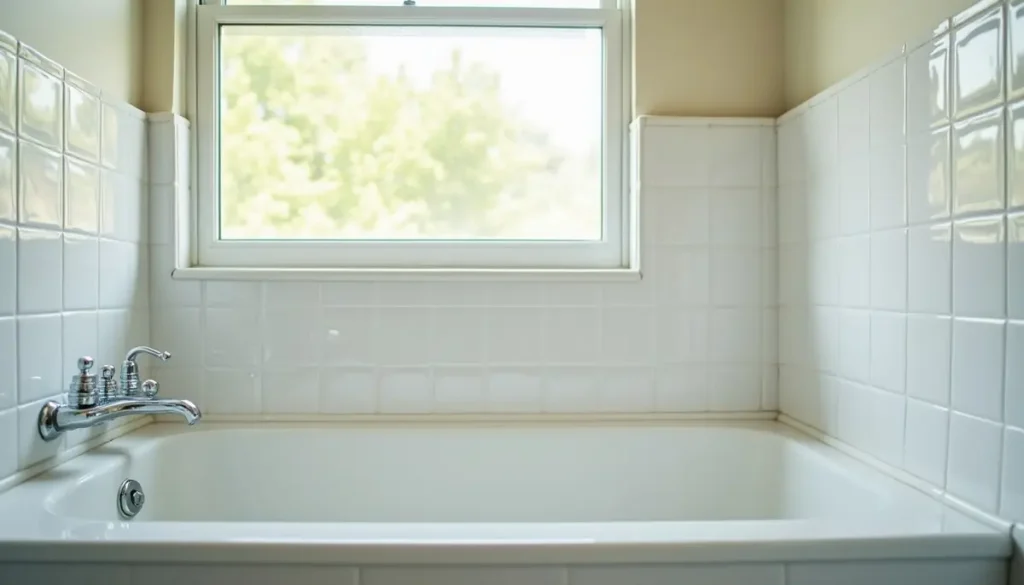
Termites turn up in bathrooms because the room combines a gap in the slab with wet wood: on slab homes they usually enter through the open bath trap under the tub or around plumbing pipes, then feed on framing that leaks keep damp. Winged insects pouring from a tub edge, grout line or vanity in spring are swarmers from a colony below the floor. Pale, wingless insects in soft trim are workers feeding. Either way, keep a few specimens, fix any leak, do not spray, and book an inspection.
Where you found them, and what it means
| Where in the bathroom | What you see | What it usually means |
|---|---|---|
| Along the tub base or the access panel behind it | Swarmers, wings, mud | Entry through the bath trap, the open patch of soil left in the slab under the tub |
| Grout lines, tub drain area, cracks in floor tile | Swarmers emerging in a burst | A colony in the soil using a slab crack or pipe gap as an exit |
| Around the toilet base or vanity plumbing | Mud tubes, soft subfloor | Termites following a pipe penetration, often with a slow leak |
| Baseboard or door trim | Wood that dents under a screwdriver, mud in the grain | Workers feeding; Penn State lists door and window trim among the places to look for tubes |
| Window sill or light fixture | Swarmers or a scatter of shed wings | Swarmers drawn to light; the colony may be elsewhere in the house |
| Upper wall or ceiling, in the Gulf states | Tubes or swarmers high up | Possible Formosan termites with an above-ground moisture source |
Compiled by The Pest Control Brief from Texas A&M AgriLife IPM Experience House, the North Carolina Department of Agriculture, Penn State Extension, University of Kentucky Entomology and Clemson Cooperative Extension.
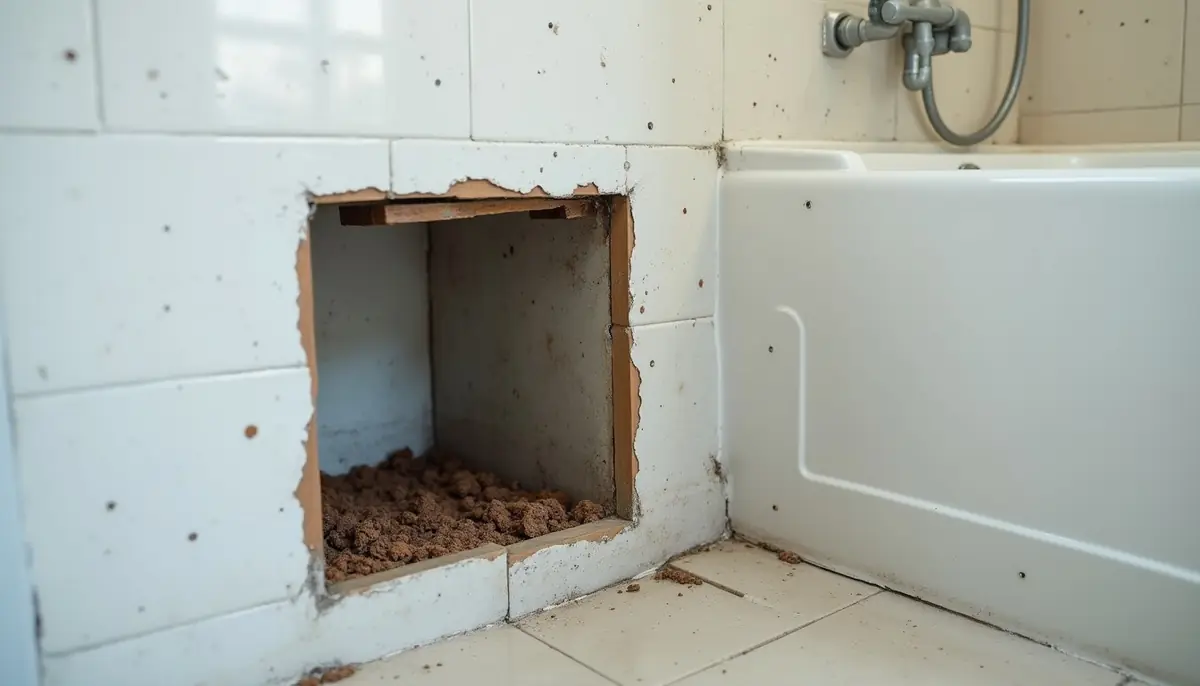
Why termites show up in the bathroom first
The hole under the tub
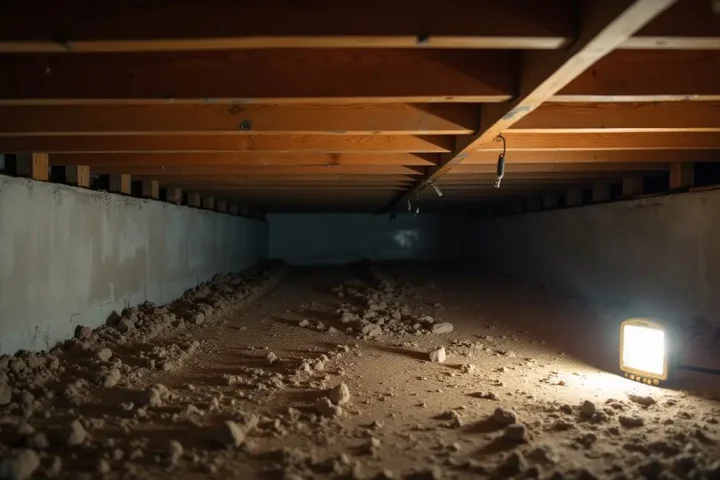
Texas A&M’s IPM Experience House describes the bath trap as a feature common to most slab-on-grade homes: a deliberate “slab leave-out” under the bathtub, kept open so a plumber can reach the drain. Texas A&M calls it an excellent entry point for termites, ants, millipedes and some cockroaches, and notes it is made even more attractive to termites when the wood or cardboard forms used to shape it are left in place after construction.
The North Carolina Department of Agriculture makes the same point for treatment: concrete slabs usually have many points of entry, such as bath traps and plumbing outlets. A colony working under the slab finds these gaps long before it reaches an exterior wall, which is why the first visible sign in a slab house is so often in a bathroom.
Water in the walls
Subterranean termites need moisture. UC IPM, Kentucky and North Carolina all list repairing plumbing leaks as a basic termite prevention step, and a bathroom concentrates supply lines, drains and toilet seals in one small room. A slow leak behind a vanity can keep framing damp unseen, and termites that arrive through the slab stay where the wood is soft and wet.
The surprise swarm
UC IPM lists “the sudden appearance of thousands of flying insects in a bathroom or kitchen” as one of the typical ways homeowners first learn they have subterranean termites. Our guide to what workers, soldiers and swarmers look like helps you check which caste you found.
Swarmers or workers: what you are looking at
Penn State describes swarmers as black, winged termites that appear in infested buildings in late winter or early spring, attracted to light and gathering at doors and windows. University of Kentucky entomologists say swarmers that emerge indoors cannot damage wood and live only about a day, but that winged termites indoors almost always indicate an infestation warranting treatment.
Workers are the opposite. Penn State describes them as creamy white and seldom seen unless a tube or infested wood is broken open. Finding pale, soft insects in a baseboard you pressed with a thumb means the colony is feeding in that wall now, and our breakdown of active infestation versus old damage explains the tests that confirm it.
The timing separates termites from the usual bathroom insects. In our analysis of iNaturalist records, subterranean termite sightings run at 166 and 195 on our seasonality index in March and April, where 100 is average. Drain flies peak at 152 to 156 in September and October, and springtails at 209 to 216 in January and February. A burst of winged insects in a spring bathroom is a termite question first. Our termite swarm calendar by species gives the dates for each region.
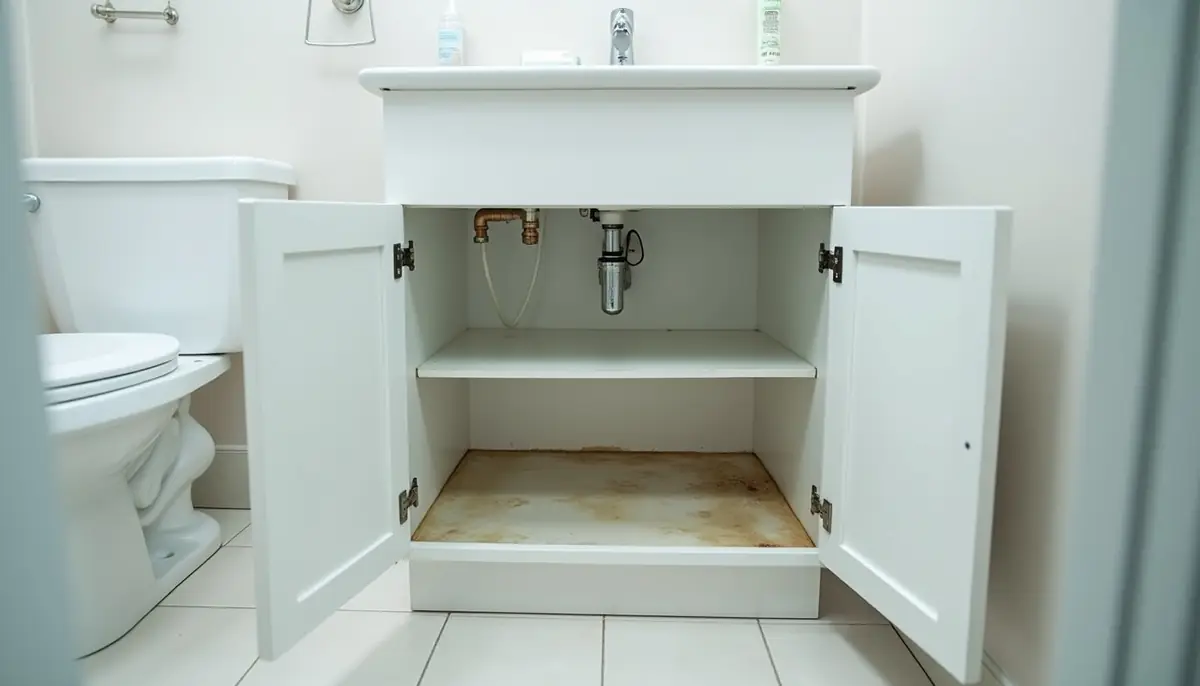
Is it even a termite? Bathroom look-alikes
| Insect | Size | Tell-tale feature | Damages wood? |
|---|---|---|---|
| Termite swarmer | Small, black body, long wings | Straight antennae, thick waist, four wings of equal size (Kentucky) | The colony does; swarmers do not |
| Winged ant | Varies by species | Elbowed antennae, pinched waist, front wings longer than hind wings (Kentucky) | Only carpenter ants excavate wood (Penn State) |
| Drain fly | 2 to 3 mm, about a tenth of an inch (Virginia Tech) | Fuzzy, moth-like, flies a few feet at a time | No |
| Springtail | About 1/16 inch, under 2 mm (UC IPM) | Jumps several inches; gathers in sinks and tubs | No |
Compiled by The Pest Control Brief from University of Kentucky ENTFACT-604, Penn State Extension, Virginia Tech ENTO-414 and UC IPM.
Winged ants are the main confusion in spring, because Kentucky notes they swarm at the same time of year. Our side-by-side guide to telling termites from flying ants shows the antennae and waist up close.
Wingless ants in a line along the tub edge are a different problem, usually foraging for water; our page on why ants trail into bathrooms covers the species involved.
Tiny insects in the sink are almost never termites. Specks in a basin are more often springtails, booklice or drain flies, and our guide to every common bug in the bathroom sorts them by size.
Springtails gather in sinks, washbasins and tubs, according to UC IPM, and do not damage the house; the springtail page explains why they disappear once the room dries out.
What to do today
- Keep evidence. Vacuum the swarmers, as Kentucky suggests, but seal a few with their wings in a zip bag first so an inspector can identify them.
- Do not spray. The EPA says products that only kill on contact are not intended to kill the whole infestation, and spraying the tub surround does nothing to a colony under the slab.
- Find the water. Check the vanity floor, the toilet base and the wall behind the shower valve for staining or soft wood, and get any leak fixed. Kentucky lists leaking faucets and pipes among the conditions to repair.
- Open the tub access panel if there is one. Texas A&M says bath traps should be among the first places inspected for termite activity; look for mud, tubes or wood forms left in the opening.
- Check your paperwork. If the house has a termite contract, call that company first; our guide to what termite bonds actually cover explains retreatment terms.
- Book an inspection. A formal wood destroying insect report runs $75 to $150 on our termite inspection cost guide, and some companies offer a general inspection free.
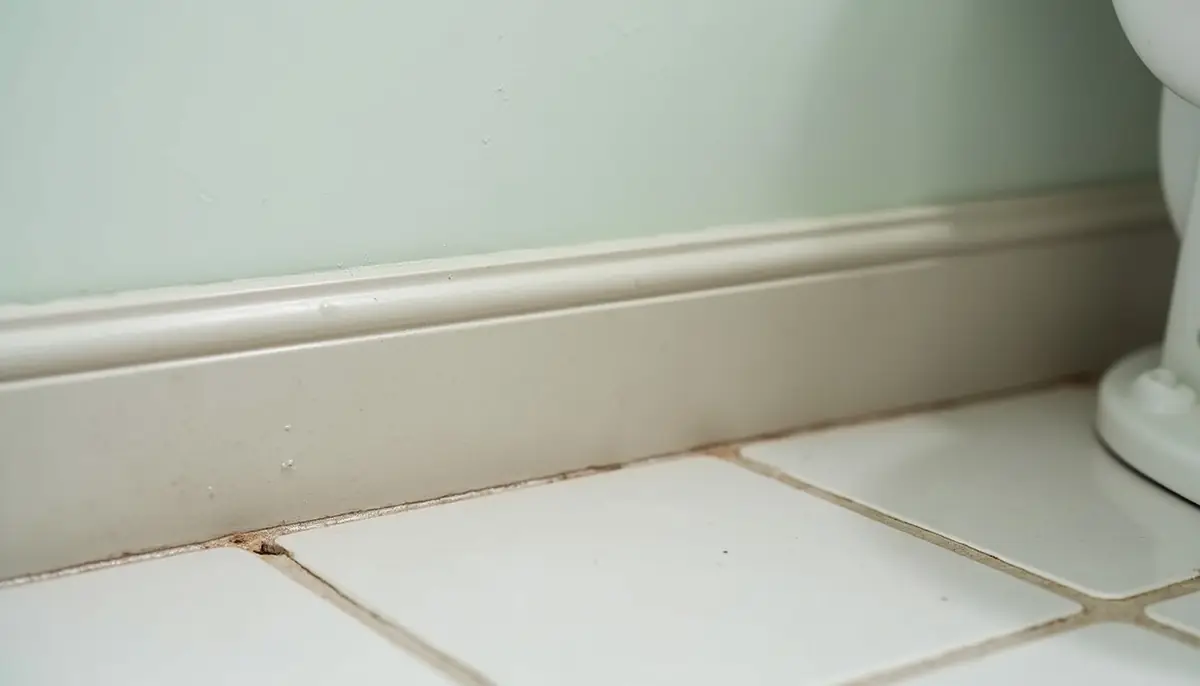
How a bathroom infestation gets treated
Treating only the outside of a slab house rarely solves a bathroom problem. North Carolina’s agriculture department says trenching around the outside of a slab alone usually will not give satisfactory control, because the colony may be entering from the soil under the slab, and that the termiticide barrier must be continuous under slabs and around utility entrances.
For the bath trap itself, Texas A&M says the easiest post-construction treatment is an insecticide, sometimes combined with sand or soil to fill the hole, or termiticide foam that contacts every surface of the void. Filling it with a thin layer of concrete may keep cockroaches out, but termites can still find a crack in the joint. These are licensed-applicator jobs; our termite treatment cost guide puts a localised spot treatment at $230 to $950, a figure compiled from home services marketplaces.
In Formosan termite areas there is one exception worth knowing. Clemson’s survey of 50 infested buildings in Charleston found 94 per cent were infested from ground colonies and 6 per cent by aerial colonies, and an above-ground moisture source was the key to an aerial nest. Soil treatment does not reach an aerial nest, so a chronic bathroom leak in a Gulf Coast house is a reason to ask the inspector about one.
Frequently asked questions
Why would termites be in my bathroom?
Usually because the bathroom has the easiest way in and the wettest wood. On slab homes, Texas A&M describes the open bath trap under the tub as an excellent termite entry point, and North Carolina lists bath traps and plumbing outlets among slab entry points. Leaks then keep the surrounding framing damp, which subterranean termites need.
What are the early warning signs of termites?
Swarmers or shed wings indoors, especially around a tub, window or light, are the most common first sign. Others are pencil-width mud tubes on walls or pipes, trim that dents easily, and mud packed into wood grain. Penn State says the presence of swarming termites or their wings alone is a sure sign termites are working in a building.
How to get rid of termites in a bathroom?
Through a licensed professional, because the colony lives in the soil under the slab, not in the bathroom. Treatment usually means a continuous termiticide barrier under the slab and around plumbing entrances, or a bait system, plus treating the bath trap with insecticide or foam. Your part is to fix leaks and keep specimens for the inspector.
Which smell do termites hate?
No smell has been shown to keep subterranean termites out of a bathroom or a house. UC IPM notes that lab and field tests from two universities question the efficacy of d-limonene, the orange oil sold for drywood termites. Drying out leaks and closing the bath trap properly does more than any scent.
Do termites live in bathrooms?
Not usually. Native subterranean termites nest in the soil and travel up to feed, so what you find in the bathroom are foragers or swarmers. Clemson’s Charleston survey found 6 per cent of Formosan infestations came from aerial colonies, which depend on an above-ground moisture source such as a chronic leak.
Sources
- Texas A&M AgriLife Extension, IPM Experience House, Understanding bath traps (archived page).
- North Carolina Department of Agriculture and Consumer Services, Structural Pest Control and Pesticides Division, Post-Construction Subterranean Termite Control.
- University of California Statewide IPM Program, Pest Notes: Subterranean and Other Termites, Publication 7415; Pest Notes: Drywood Termites, Publication 7440; Springtails.
- Penn State Extension, Eastern Subterranean Termites.
- University of Kentucky Entomology, ENTFACT-604, Termite Control: Answers for Homeowners; ENTFACT-605, Protecting Your Home Against Termites.
- Clemson Cooperative Extension, Home and Garden Information Center, Formosan Subterranean Termites.
- Virginia Cooperative Extension, ENTO-414, Drain Fly.
- US Environmental Protection Agency, Termites: How to Identify and Control Them.
- The Pest Control Brief analysis of iNaturalist research-grade records, pulled October 2026.