Why Are There Wasps in My House? Find the Nest, Not the Wasp
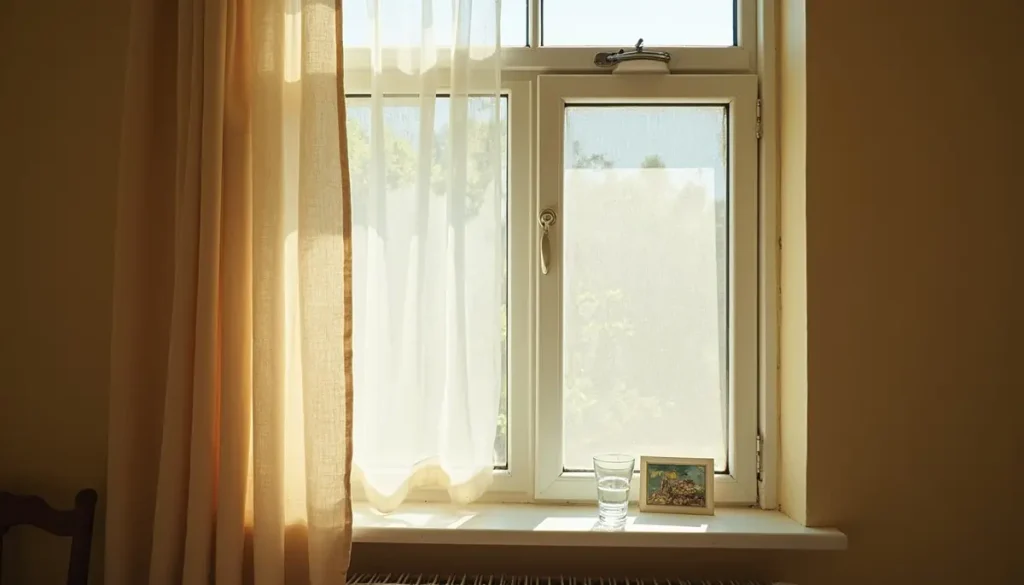
Wasps in the house usually mean one of two things: a nest in a wall, attic or soffit with a gap into your rooms, or queens that sheltered in the walls for winter and woke on a warm day. The month tells you which. Wasps every day from June to October point to a live nest; slow wasps at the windows from November to April are overwintering queens with no nest to defend. A few simply fly in through an open door after food.
What you see, the month, and the likely cause
| What you see | Month | Likely cause | What to do |
|---|---|---|---|
| Several active wasps a day in the same room, windows shut | June to October | Yellowjacket or hornet nest in a wall void or attic next to that room | Find the outside entrance; do not plug it; call a professional |
| A chewed or damp patch, or a scratching sound, on a ceiling or wall | August to October | A large wall or ceiling nest; Penn State warns trapped yellowjackets chew through interior walls | Keep people out of the room; professional treatment. If the insects are fuzzy and carry pollen, read bees in your wall and what not to seal first |
| Slow wasps crawling on floors or beating against sunny windows | November to April, on warm days | Paper wasp or yellowjacket queens leaving winter shelter in the attic or walls | Swat or catch them; seal gaps once the weather warms |
| One or two wasps at fruit, soft drinks or the bin indoors | Late summer and autumn | Foraging workers that came in through an open door or window | Cover food; let it out; check screens |
| Large wasps hitting lit windows after dark | Late summer to autumn | European hornets, which fly at night and are drawn to lights | Close blinds; look for a nest in a wall, shed or tree |
| Dead wasps on sills and floors | Autumn to spring | Queens that came out and could not get back outside, or a dying wall colony | Vacuum; watch for live ones in the same spot |
Compiled by The Pest Control Brief from Penn State Extension (German yellowjacket; eastern yellowjacket; stinging insect management) and NC State Extension, Non-Honey Bee Stinging Insects in North Carolina.
Why are there suddenly so many wasps in my house?
In summer and autumn the usual answer is a nest that has grown large behind a wall. Penn State says German yellowjackets in North America nest mostly in open cavities, especially the walls of buildings and attics, and that a nest usually holds 1,000 to 3,000 workers by autumn. NC State puts native yellowjacket colonies at 600 to 800 workers by autumn and notes that the nest is often not noticed until then, although it has been there for weeks.
The colony that was invisible in June is at its largest from August to October, which is when stray workers find a gap around a light fitting, a pipe or a vent and end up indoors. Our analysis of US iNaturalist records shows yellowjacket sightings at 251 in October, two and a half times their usual share of all records, and paper wasps at their peak of 174 in September. Our page on what attracts wasps, month by month covers the food and nesting draws outside.
How are there wasps in my house with no windows open?
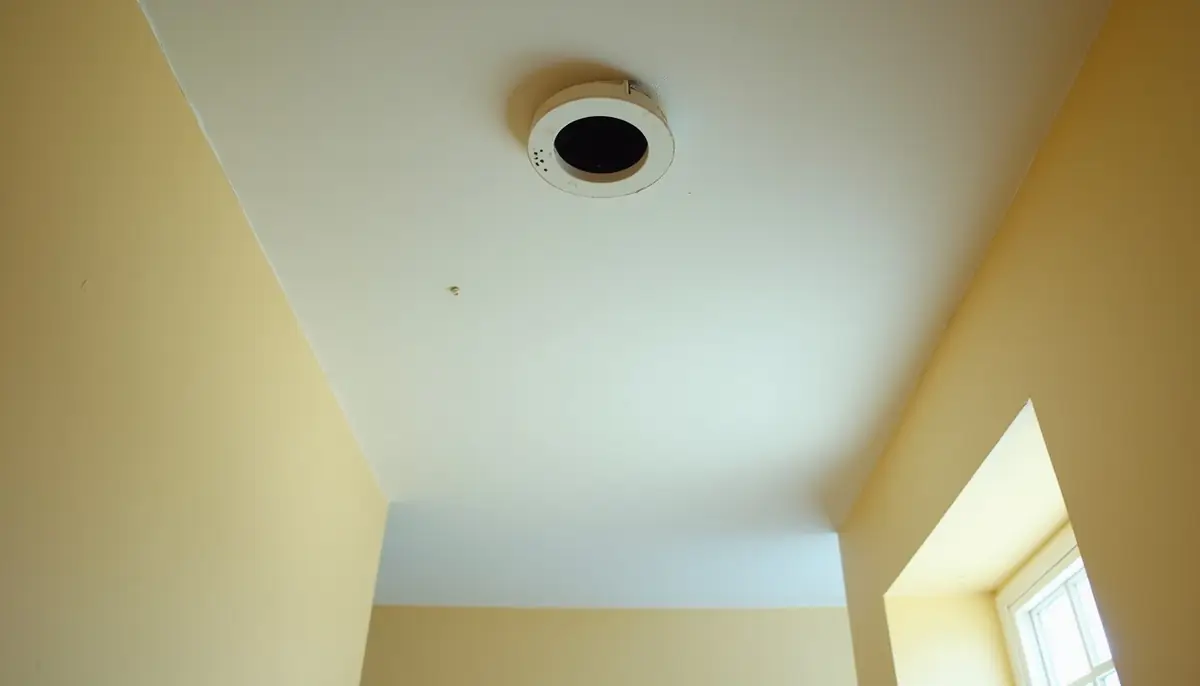
They are coming from inside the structure. NC State explains that wasps resting in an attic, wall void or crawlspace may be attracted to light coming through a gap in a baseboard, a wall fixture or around an air conditioning vent, and follow it indoors. If you find wasps in the same room day after day, the nest is usually in the wall, ceiling or attic next to that room.
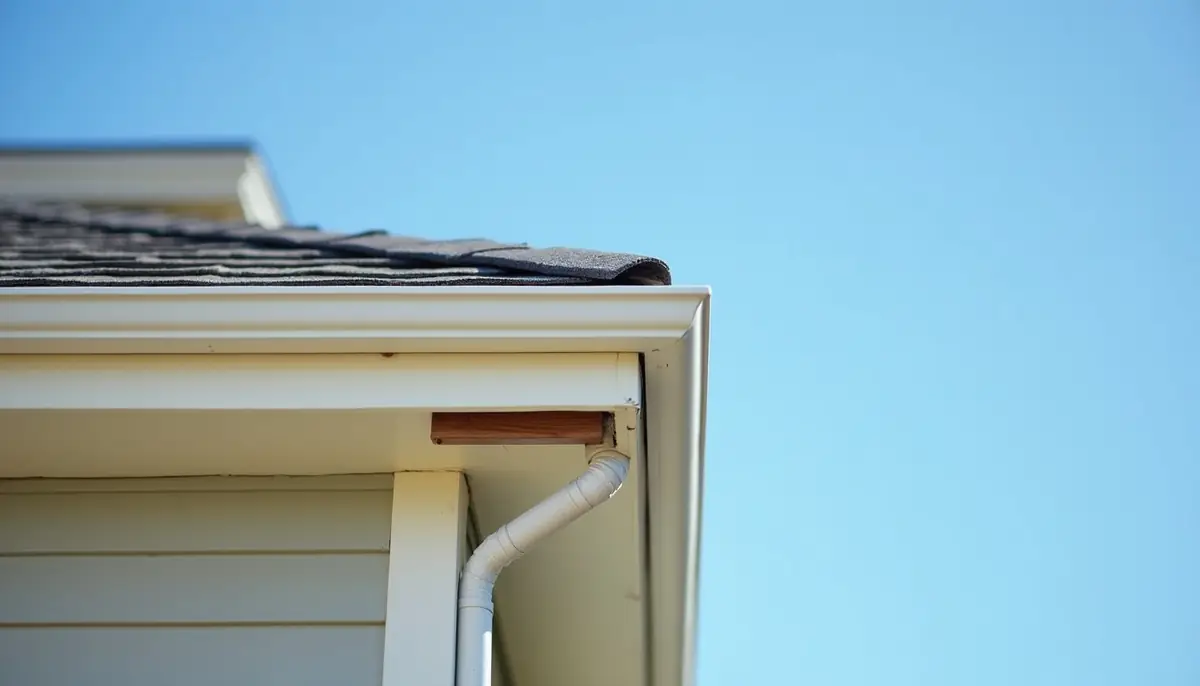
To confirm it, watch the outside of the house during the day from 10 to 15 feet away, the distance Penn State recommends for observing a nest. A steady stream of wasps flying into one crack under the siding, a soffit or a gap at the roofline marks the entrance. Yellowjackets are about 1/2 inch (12 to 13 mm) long, black and yellow; the wasp and hornet identification guide separates them from paper wasps and hornets.
Do not plug the hole
Penn State is blunt: never try to control yellowjackets in a wall by plugging the opening, because this can cause them to chew through the interior sheetrock and enter the home. Penn State also advises that nests in walls and attics should be treated by professionals. Our yellow jacket removal guide explains how a wall colony is treated.
Professional treatment of a wall nest costs more than an exposed one: published estimates compiled on our wasp nest removal cost page average about $630 for a nest inside a wall.
Why are there wasps in my house in October, November and winter?
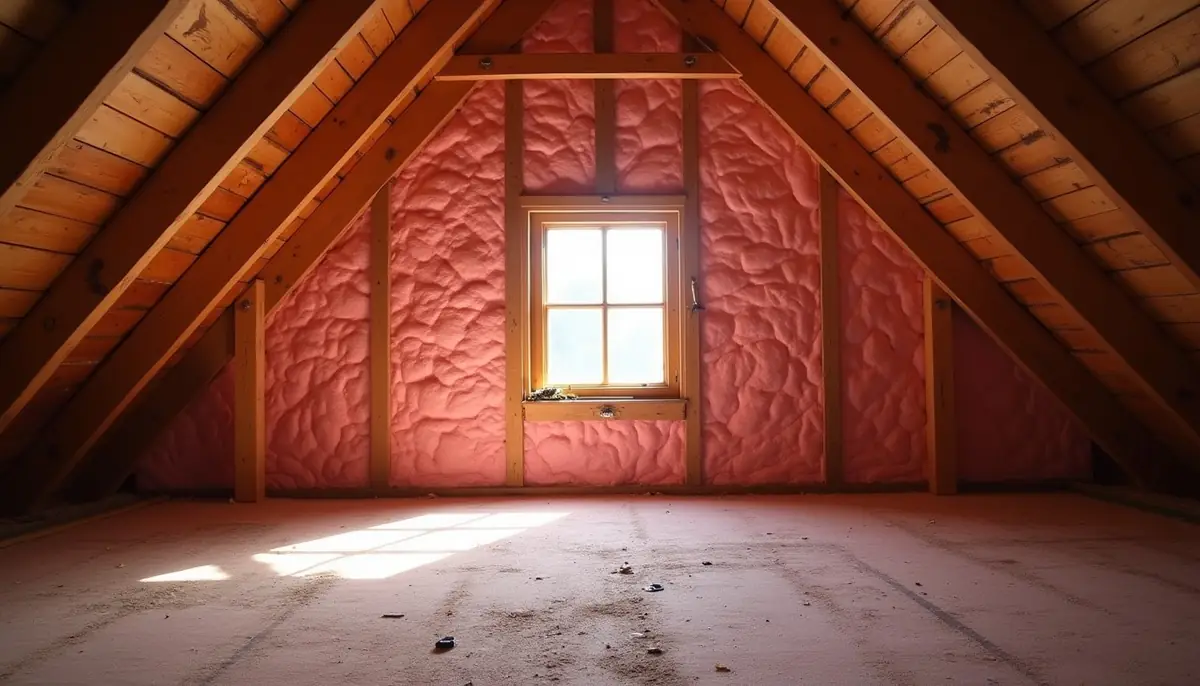
From late autumn onward they are usually next year’s queens. NC State says new paper wasp queens mate in early autumn and look for protected spots to spend the winter, including attics, chimneys and under siding. On any warm day in the cold season they become more active, and some end up crawling on floors and furniture or flying at sunny windows. Penn State describes the same pattern for German yellowjackets: new queens find a dry, protected place to hibernate while the old nest dies off.
These wasps are not building a nest in your house. NC State notes that with no nest or young to defend, the only real risk of a sting comes from stepping on or pressing against one, and that taller houses and upper storeys seem to attract more of them. The paper wasp guide follows the full season from queen to empty nest.
The iNaturalist chart above shows this in a different way. Paper wasps reach an index of 85 in March, against 38 for yellowjackets, which fits queens leaving their winter shelter early on warm days. Records reflect when people notice and photograph wasps, not exact activity.
Why are there dead wasps in my house?
Dead wasps on window sills from autumn to spring are usually queens that came out of a wall or attic, could not find a way back out and died. In autumn they can also be workers from a declining nest; Penn State says the nest declines until the workers die off as food dwindles and the cold arrives. Lethargic wasps in late autumn are part of the same wind-down.
If a dead colony is in a wall, NC State suggests removing the nest after treatment where possible, because old nests can attract carpet beetles that later move on to wool, silk and fur. Our page on carpet beetles in the home covers the follow-on problem.
Why are there hornets in my house?
In the eastern US the large wasp indoors is usually the European hornet, about 1 1/2 inches long and brownish red with a dull yellow abdomen, according to NC State. Its nests are often in hollow trees, barns, sheds, attics and wall voids, and unlike most stinging insects it flies at night and is attracted to lighted windows. Our European hornet guide has the identification details. NC State puts autumn colonies at 300 to 500 workers, occasionally up to 1,000.
Should I be worried about a wasp in my house?
One wasp is rarely a danger. Penn State says foraging wasps and yellowjackets away from their nest are usually not defensive, but will sting if trapped or crushed against the skin. A nest in the wall is a bigger concern because the colony defends it.
For anyone with a known venom allergy the risk is different. CDC’s National Institute for Occupational Safety and Health says people allergic to venom may have anaphylaxis, a severe and potentially life-threatening reaction that requires immediate emergency care. Penn State advises that people allergic to stings should not try to remove a colony themselves. If you have reacted badly to a sting before, talk to a doctor.
How to get rid of wasps inside your house?
For a single wasp, open a window and close the room door, or catch it under a glass; Penn State lists capturing and killing as the immediate fix for overwintering wasps found indoors. For a live nest, the plan depends on where it is, and our guide to getting rid of wasps by nest type covers each case.
Prevention is about the gaps queens use in autumn. Penn State recommends sealing cracks in siding and around windows and pipes that let wasps into wall voids, and NC State says attic vents should be screened to exclude overwintering queens. Do this once the colony is dead and before next autumn. Penn State notes that nests found in autumn will perish soon anyway, so a late nest away from doors may not need treatment at all.
What does it mean when a wasp appears in my house?
Practically, it means there is a route in and a reason: a nest nearby in summer, a sheltering queen in winter, or food indoors. People also search for a spiritual meaning; we cover only the biology. A wasp seen once in November means something very different from five a day in August, and the table at the top of this page sorts them.
Frequently asked questions
Can wasps chew through drywall into my house?
Yes, yellowjackets can. Penn State warns that if a wall nest’s outside opening is plugged, the wasps may chew through interior sheetrock and enter living spaces. That is why the outside entrance should be left open until the colony is dead. A soft, damp or darkening patch on a wall or ceiling near wasp activity is a reason to call a professional.
Do wasps build nests inside the house in winter?
No. In temperate areas the colony dies off over winter and only mated queens survive, sheltering in attics, chimneys, under siding or in wall voids, according to NC State and Penn State. Queens start new nests in spring. The wasps you see indoors in winter are sheltering, not nesting, alongside the other bugs that turn up in the house in winter.
Should I kill a wasp in my house?
Killing one is a reasonable option; Penn State lists capturing and killing as the immediate control for overwintering wasps found indoors. Letting it out through a window also works. Avoid pressing one against your skin, which is how most indoor stings happen.
When should I call a professional about wasps indoors?
Call one if wasps appear daily in the same room in summer or autumn, if you hear scratching in a wall or see a soft patch, or if anyone in the home is allergic to stings. Penn State advises that wall and attic nests be treated by professionals, and published estimates on our wasp nest removal cost page average about $630 for in-wall nests.
Sources
- Penn State Extension, German Yellowjackets.
- Penn State Extension, Eastern Yellowjacket.
- Penn State Extension, Getting Rid of Paper Wasps, Yellowjackets, and Other Stinging Insects.
- NC State Extension, Non-Honey Bee Stinging Insects in North Carolina (Biting and Stinging Pests series).
- NC State Extension Plant Disease and Insect Clinic, Wasp Queens Waking Up After Winter Slumber, March 2022.
- Centers for Disease Control and Prevention, National Institute for Occupational Safety and Health, Insects and Scorpions at Work.
- Published cost estimates as compiled on The Pest Control Brief wasp nest removal cost page, 2026.
- The Pest Control Brief analysis of iNaturalist research-grade records, pulled October 2026 (b19 to b30 files).