Signs of Rats in the House: 11 Clues and How to Read Them
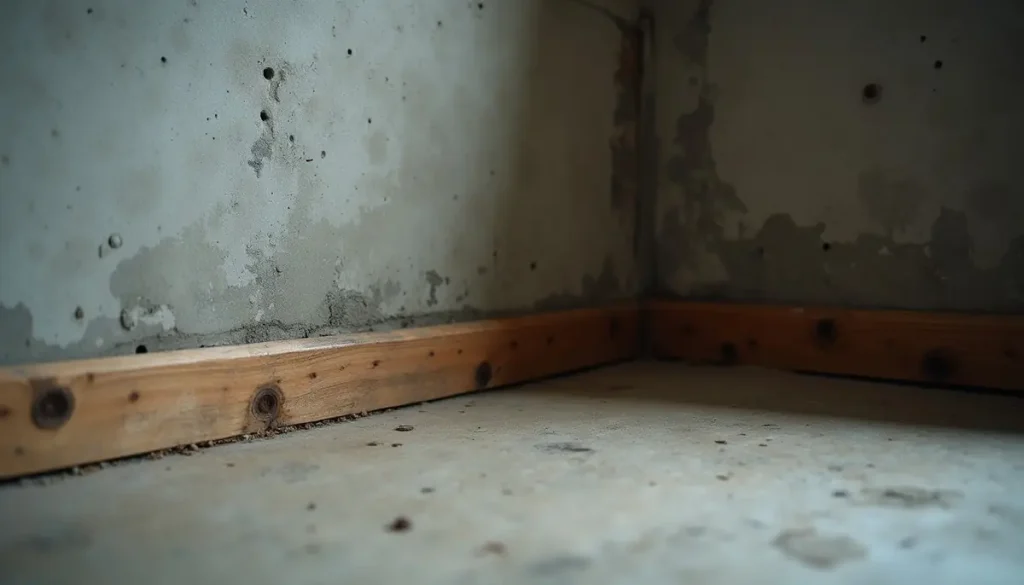
The surest signs of rats in a house are droppings up to three quarters of an inch long, greasy rub marks along walls, gnawed holes 2 to 3 inches across, and scratching in walls or ceilings at night. One sign alone can be old. Fresh, dark, putty-soft droppings, new gnawing and tracks in a dusting of talc mean rats are there now. Washington’s wildlife agency links rats seen and heard by day as well as by night with a high population.
Rats are mostly active at night and avoid new objects, according to UC IPM, so most homeowners find the evidence long before they see the animal. EPA’s own guidance says you may never see a rat unless an infestation is severe. Work through the clues below, then use the fresh or old test to decide whether the problem is current.
The 11 signs, measured
| Sign | What it looks like | Where to look | Rat or mouse? |
|---|---|---|---|
| 1. Droppings | Norway rat: up to 3/4 in long, 1/4 in wide, blunt ends. Roof rat: about 1/2 in, pointed ends | Along walls, feeding spots, near shelter, in loose clumps | House mouse droppings average 1/4 in and are scattered |
| 2. Rub marks | Dark, greasy smudges from oil and dirt in the fur | Beams, rafters, pipes, wall bases, the edges of holes | Mice leave them too |
| 3. Gnawing | Rough tooth grooves on wood, plastic, wiring; fresh shavings below | Door corners, joists, around pipes, food packaging | Rat grooves about twice the width of a mouse’s |
| 4. Entry holes | Chewed openings 2 to 3 in across | Floors, wall bases, garage doors, utility gaps | Mouse holes are usually 1 1/2 in or less |
| 5. Burrows | Clean entrances 2 to 4 in wide, hard-packed rim, fan of fresh soil | Along foundations, under slabs, sheds, woodpiles | Norway rats burrow; roof rats rarely do |
| 6. Runways | Worn paths in grass or dust used night after night | Against walls, along fences, under shrubs | Both |
| 7. Tracks | Footprints and a tail drag line | Dusty floors, mud, a test patch of talc | Both; size the prints against a coin |
| 8. Sounds | Squeaks, fighting, clawing, scrambling, gnawing | Walls, ceilings, attic, crawl space at night | Rats are louder; they can sound like a bigger animal |
| 9. Smell | A musky odour; one dead rat can cause a strong smell | Cupboards, voids, under floors | Mice also smell musky |
| 10. Nests | Shredded paper, cloth, insulation, leaves | Attics and wall voids (roof rat), basements and burrows (Norway rat) | Either; check the droppings nearby |
| 11. Pet behaviour | Cats or dogs excitedly probing one wall, floor or appliance | Wherever the animal keeps returning | Either |
Compiled by The Pest Control Brief from ICWDM species accounts (Norway rats, roof rats, house mice), the CDFA Vertebrate Pest Control Handbook and Washington Department of Fish and Wildlife, 2026.
Droppings are the most reliable single clue because they can be measured. Our guide to telling rat, mouse and cockroach droppings apart has them at actual size. ICWDM puts Norway rat output at 40 to 50 droppings a day, usually clumped, while mice and other rodents tend to scatter theirs.
Gnaw marks are where the published figures disagree. ICWDM gives rat tooth grooves as 1/16 inch wide against 1/32 inch for mice; UC IPM gives 1/6 inch (4 mm) against 1/12 inch (2 mm). Both agree a rat’s groove is roughly double a mouse’s, which is the comparison that matters. Rat incisors grow about 5 inches a year, which is why they chew constantly, and why rats chew electrical wiring in attics and cars.
If the droppings are rice-grain sized and scattered across drawers, you are probably reading mouse sign instead, and the room-by-room checklist for mice fits better.

Fresh or old: is it happening now?
Old evidence can stay in place long after the rats have gone, so age matters more than presence.
| Sign | Fresh (active now) | Old (past problem) |
|---|---|---|
| Droppings | Black or nearly black, look wet, putty-like | A few days: dry, hard, dull. A few weeks: grey, crumble easily |
| Rain-wet droppings | Stay soft when pressed with a tool | Look new but crumble when crushed |
| Gnawing | Fresh shavings of wood or insulation beneath | No new shavings |
| Burrow | Clear of leaves and cobwebs, fresh soil fanned out | Debris and webs across the entrance |
| Plugged burrow | Reopened within a couple of days | Stays plugged |
| Cleaned surface | New droppings appear after cleaning | Stays clean |
Compiled by The Pest Control Brief from Washington Department of Fish and Wildlife, ICWDM and CDC rodent control guidance.
The cleaning test is the one CDC itself endorses: if droppings are present after cleaning, that indicates an active rodent presence. Clean a defined area, note the date, and check it again after a few days.
The tracking patch
Washington Department of Fish and Wildlife describes a tracking patch as a light dusting of talc (unscented baby powder), clay or powdered limestone about 12 by 4 inches, laid across a suspected runway overnight. The CDFA handbook uses flour, but WDFW advises against it because flour attracts rats and other animals. Check the patch with a torch held low so the prints cast shadows. ICWDM notes tracks can include tail marks as well as footprints.
How many rats? Reading the level of activity
WDFW says it is not easy to tell how many rats are using an area, but gives three rough levels based on sign:
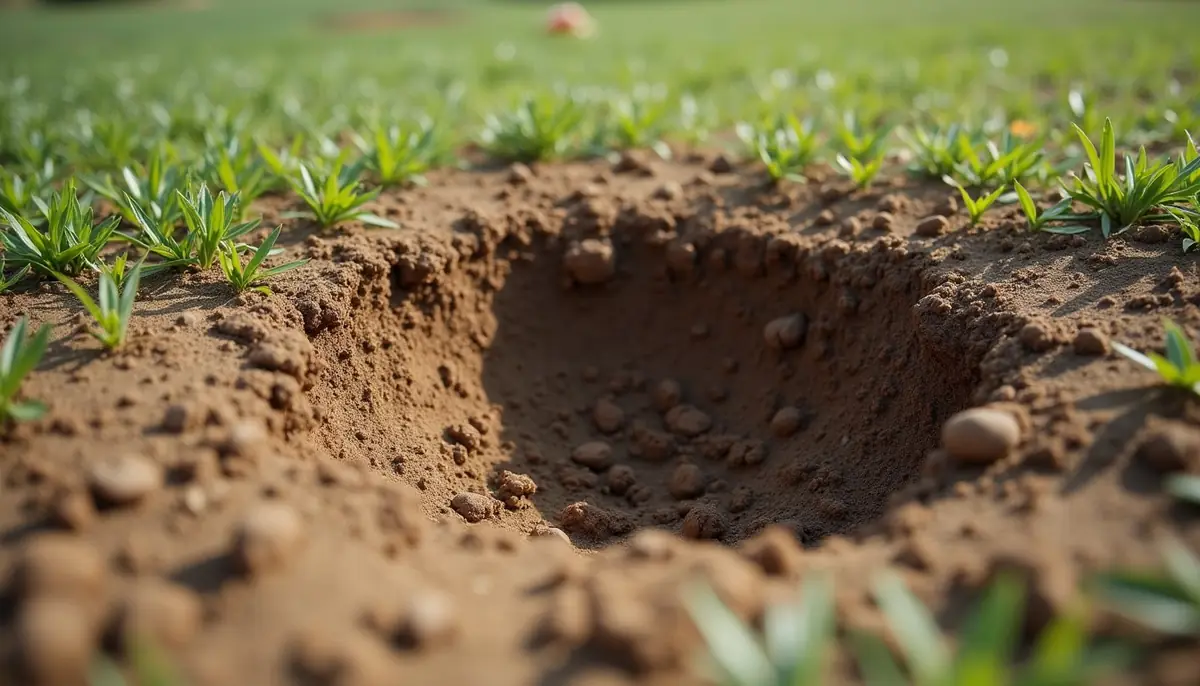
- Low: often nothing more than a burrow entrance 2 to 4 inches across. This is how rats live near a house without anyone noticing.
- Medium: droppings and gnawing can be found, rats are heard in or under the building at night, and pets may probe one spot.
- High: fresh droppings and gnawing are common, and rats are seen and heard by day and by night.
The daylight rule has a nuance. WDFW also notes that rats seen during the day are generally low-ranked individuals pushed off food by dominant rats at night, and it puts rats seen and heard by day and night in its high population level. Norway rat numbers can climb quickly: UC IPM says a female has 4 to 6 litters a year, and our explainer on how fast rats reproduce sets out the arithmetic.
Signs at night and signs in the walls
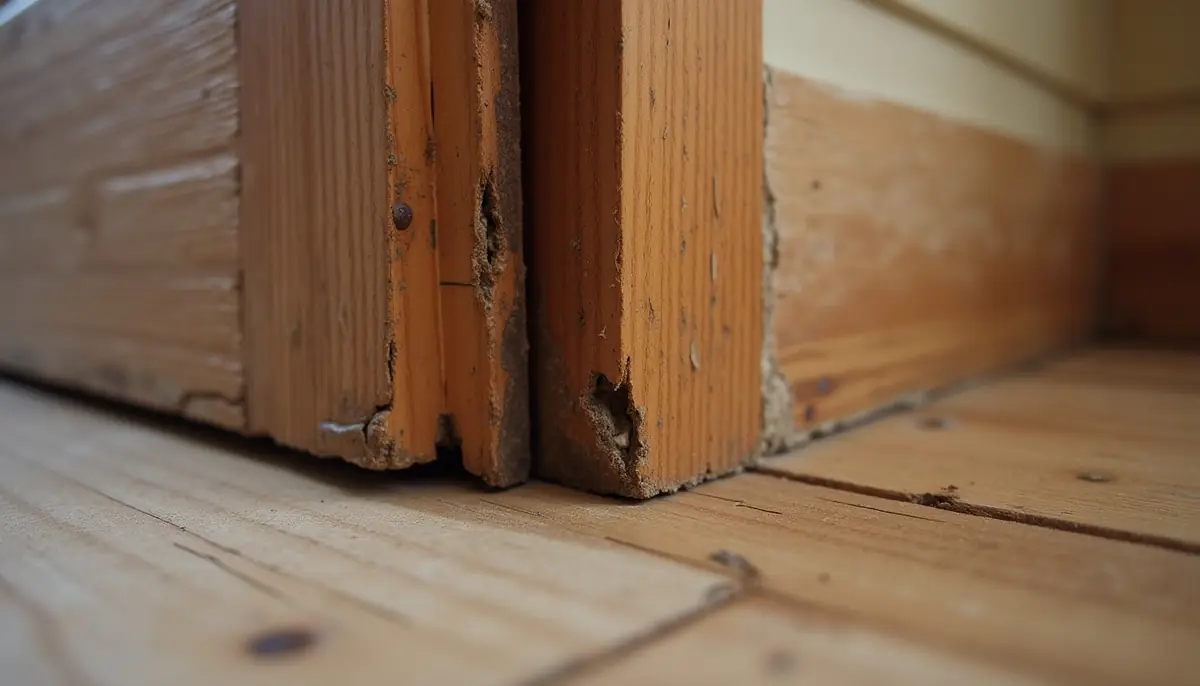
CDFA lists climbing in walls, gnawing, clawing, squeaking and fighting noises. Our guide to what rat noises at night mean and where they come from covers ceiling scurrying against under-floor gnawing. Height also points to the species. UC IPM says Norway rats usually stay in basements and ground floors, while roof rats favour attics, wall voids, false ceilings and cabinets, and where both share a building the Norway rats take the lower floors.
Shredded insulation, paper or cloth bundled in a void is a nest; the guide to what a rat nest looks like indoors and in burrows shows both types.
Where rats are most often recorded
Norway rats live in all 48 contiguous states, according to UC IPM, but some states record far more of them. The chart divides by all iNaturalist observations in each state, so busy recording states are not favoured.
New York leads at 6.9 records per 10,000 observations, well ahead of Massachusetts at 2.65 and Rhode Island at 2.48. These are photographs of rats people chose to identify, mostly outdoors in cities, not a measure of indoor infestations. Nationally, monthly Norway rat records ran from about 400 in January to about 800 in September and October.
What causes rats to come into your house?
WDFW names pet food and birdseed as the two items that attract the most rats around buildings, and says rats will return daily once they find them. UC IPM adds fallen fruit and nuts, compost with meat or eggshells, and cluttered garages and woodpiles. Our breakdown of what attracts rats to a home and yard ranks the rest.
Getting in is easy. Rats, especially young ones, can squeeze beneath a door with a 1/2 inch gap, and UC IPM says they can also enter through broken drains and toilets. UC IPM advises sealing every opening over 1/4 inch with steel wool, wire screen or sheet metal, because rats chew plastic, foam, wood and caulk; the comparison of steel wool, copper mesh and other exclusion materials shows what holds.
What to do if you think you have rats
- Photograph the evidence beside a coin for scale before cleaning.
- Clean safely. CDC says do not sweep or vacuum rodent urine, droppings or nesting material. Ventilate for 30 minutes, wear rubber or plastic gloves, soak with 1 part bleach to 9 parts water for 5 minutes, then wipe up. The full method is in our guide to safe dropping cleanup and hantavirus.
- Run the activity tests above: cleaned area, talc patch, plugged burrow.
- Remove food: pet bowls in before dark, bird feeders down for now, bins lidded.
- Trap along the walls. UC IPM advises snap traps set at right angles to the wall with the trigger nearly touching it, in places with droppings or smudge marks, and elevated sets for roof rats. Expect rats to avoid new traps for several days.
- Seal entry points once trapping has reduced numbers.
Call a licensed professional when signs are at the medium or high level, when rats are in the attic or walls, or when you cannot find the entry. Published estimates put rat jobs at $395 to $1,500 in most homes, and our guide to what a rat exterminator costs and what the quote should include breaks that down by location.
Can you get sick from rats in your house?
You can. CDC lists diseases rodents spread directly, including leptospirosis, rat-bite fever, salmonellosis and hantavirus, and others spread through their fleas and mites. UC IPM names typhus, leptospirosis, food-borne illness and rat-bite fever as the most common from rats, and states that commensal rats do not carry rabies. If anyone in the house becomes ill after contact with rats or their droppings, tell a doctor about the exposure.
Frequently asked questions
Can rats live in your house without you knowing?
Yes, for a while. EPA says you may never see a rat unless an infestation is severe, and WDFW notes that where rat numbers are low the only visible sign may be a burrow entrance 2 to 4 inches wide. Rats are mostly nocturnal, so droppings, rub marks and night-time noises usually reveal them before a sighting does.
What time of day are rats most active?
Night. UC IPM says rats are mostly active at night, and CDFA notes they can often be heard climbing and gnawing in walls. Seeing rats in daylight usually means competition for food: WDFW says daytime rats are generally low-ranked animals pushed off food at night, a pattern linked to high populations.
How do you know if it’s a rat in your house?
Measure the evidence. Rat droppings are about 1/2 inch (roof rat) to 3/4 inch (Norway rat) and clumped, against an average of 1/4 inch for mice. Rat entry holes are 2 to 3 inches across, mouse holes 1 1/2 inches or less, and rat gnaw grooves are about twice as wide as a mouse’s.
What attracts a rat to your house?
Easy food first. Washington Department of Fish and Wildlife names pet food and birdseed as the two biggest attractants around buildings. Fallen fruit, open compost, uncovered bins, woodpiles and cluttered storage add shelter, and any gap over 1/4 inch, or a 1/2 inch gap under a door, lets a rat inside.
Sources
- UC Statewide IPM Program, Pest Notes: Rats, Publication 74106, University of California Agriculture and Natural Resources.
- Internet Center for Wildlife Damage Management, Norway Rats (after Timm, Prevention and Control of Wildlife Damage, 1994).
- Internet Center for Wildlife Damage Management, Roof Rats (after Marsh, Prevention and Control of Wildlife Damage, 1994).
- Internet Center for Wildlife Damage Management, House Mice.
- California Department of Food and Agriculture, Vertebrate Pest Control Handbook: Norway Rat and Roof Rat chapters.
- Washington Department of Fish and Wildlife, Living with Wildlife: Rats.
- US Environmental Protection Agency, Identify and Prevent Rodent Infestations, updated 2026.
- Centers for Disease Control and Prevention, Rodent Control and How to Clean Up After Rodents.
- The Pest Control Brief analysis of iNaturalist research-grade records, pulled October 2026.