Are Rats Nocturnal? Rat Activity Hours and Daytime Sightings
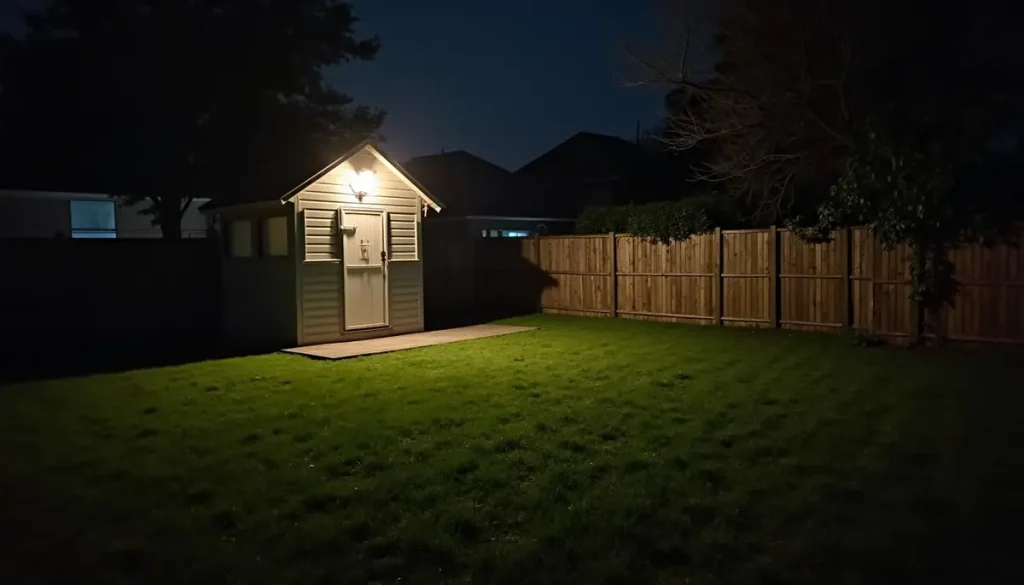
Yes, rats are nocturnal: both Norway rats and roof rats usually become active around dusk and forage through the night, resting in burrows, walls or attics by day. The wildlife damage handbook used by extension services adds that some rats are active in daylight when populations are high or to avoid people at night. Our analysis of more than 11,000 US iNaturalist rat records shows rats at nearly three times their usual share of all iNaturalist records between midnight and 3 AM.
A rat seen at night is normal behaviour. A rat seen at noon is information, and what it means depends on where it was and what it was doing.
When you see or hear a rat, and what it means
| What you notice | What it usually suggests | What to do |
|---|---|---|
| Scratching or scurrying in the ceiling after dark | Roof rats, which nest off the ground and climb down to feed after sunset | Check the roofline, vents and tree limbs within 6 feet of the roof |
| Gnawing or movement low in walls or under floors at night | Norway rats, which nest in burrows and favour lower floors | Look for 2 to 3 inch burrow holes along foundations |
| A rat running along a fence top or power line at dusk | Roof rats on an established travel route | Thin climbing plants; remove fruit and pet food at night |
| A rat in the yard in daylight | High local numbers, a disturbed nest, or a lower-ranking rat feeding while dominant rats rest | Count droppings and burrows; treat it as an active colony |
| A rat indoors in daylight | Crowding indoors or a disturbed harbourage | Act this week: seal entry points and trap along walls |
| A slow, unsteady rat in the open by day | Illness or poisoning | Keep pets and children away; handle only with gloves or a bag |
Which species you have shapes where you hear it, as our guide to rat noises at night explains: above the ceiling usually means roof rats, inside lower walls and under floors usually means Norway rats.
When rats are recorded: our hour-by-hour data
We counted every US research-grade iNaturalist record of Norway rats (7,268 with a recorded hour) and roof rats (3,877) by the hour they were made, then compared each hour with all research-grade records of any species at that hour. That comparison removes the obvious bias: people photograph wildlife in daylight, so raw counts of almost anything peak at midday.
Raw counts tell the observer’s story: 83 per cent of Norway rat records were made between 6 AM and 8 PM. Relative to everything else people record at the same hour, the picture flips. Between midnight and 3 AM, Norway rats make up 2.8 times their average share of records, and between 9 AM and noon only 0.64 times. Roof rats follow the same pattern, peaking between 3 AM and 6 AM at 2.95 times their average share.
Two cautions keep this honest. These are sightings, mostly outdoors, not measurements of rat activity inside homes. And dead rats are found by day: 1,492 Norway rat records and 866 roof rat records are annotated as dead animals, roughly one in five of each, which inflates the daytime count.
Across all US records, 16.8 per cent of Norway rat and 16.9 per cent of roof rat records were made between 8 PM and 6 AM, against 12.4 per cent for mammals as a whole and 7.9 per cent for all species. Even under heavy daytime observer bias, rats stand out as night animals.
Why are rats nocturnal?
Rats are built for the dark. ICWDM describes Norway rats as having poor eyesight and being considered colour-blind, relying instead on hearing, smell, taste and touch. Their whiskers and guard hairs work as touch sensors that let roof rats travel along walls in the dark and in burrows. Rats also limit their exposure to predators: UC IPM notes that when food is close by, Norway rats stay as close to their nests as possible to reduce the risk of predation. By day they rest in the burrows, wall voids and attic nests described in what a rat nest looks like.
Light changes how rats move, though not whether they eat. In a 2019 Scientific Reports study of 20 wild ship rats, the same species as the roof rat, an illuminated outdoor maze got 53 per cent fewer visits, 70 per cent less exploration and 40 per cent slower movement than a dark one. Light did not alter the rats’ foraging at the seed tray.

Are rats nocturnal or crepuscular?
Mainly nocturnal, with activity starting at dusk. ICWDM says Norway rats usually become active around dusk, when they seek food and water, and that roof rats usually begin searching for food shortly after sunset. UC IPM lists rats travelling along utility lines or fence tops at dusk or soon after as a sign of infestation. Our records do not show a sharp dusk and dawn double peak: the rat share climbs from 6 PM and stays high until about 6 AM, which fits night activity that begins at dusk rather than a strictly crepuscular animal.
Will rats come out during the day?
Yes, and three situations explain most daytime rats:
- Crowding. ICWDM says some Norway rats are active during the day when rat populations are high.
- Social rank. In roof rat groups, ICWDM notes that dominant rats feed whenever they like, while subordinate rats occupy marginal habitat and feed when the dominant rats are not present, which can push them into daylight.
- People at night. ICWDM adds that some rats are active during the day to avoid humans at night.
Because colonies grow quickly (a female Norway rat can wean 20 or more young a year, per UC IPM), regular daytime sightings usually mean the population is beyond a few animals. How fast that happens is set out in how fast rats reproduce.
Are rats nocturnal in the house and in the garden?
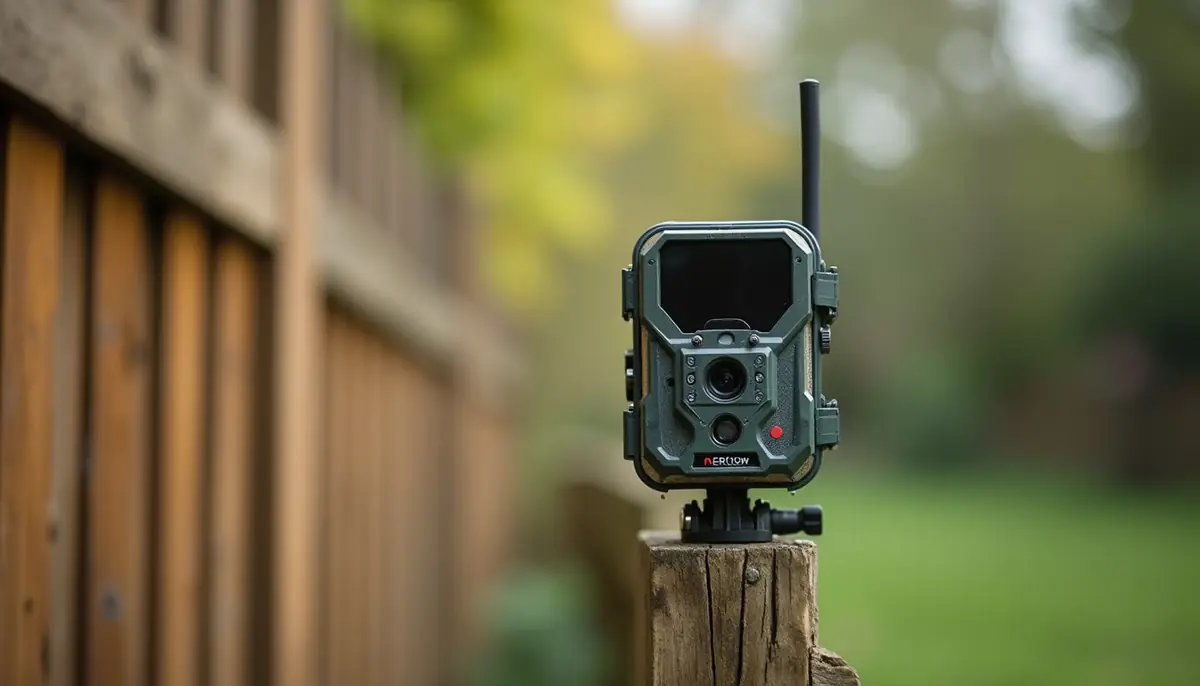
In both places the night routine holds, but the routes differ. Roof rats nest in attics or trees and climb down to feed; UC IPM says they routinely travel up to 300 feet or more for food and are often seen at night running along utility lines or fence tops. Norway rats forage 100 to 500 feet from their nests at night, according to UC IPM, and keep closer to home when food is near. The species differences are summarised in our roof rat guide.
In the garden, the night shift explains the evidence people find in the morning: hollowed citrus left hanging on the tree, gnawed vegetables, and pet bowls licked clean. UC IPM advises feeding pets only what they eat at a single feeding, or bringing food in at night. Our guide to rats in the backyard covers burrows, compost and bird feeders.
Mice keep a looser schedule. ICWDM says considerable mouse activity may occur by day, and that seeing mice during the day does not necessarily mean a large population is present, “though this usually is true for rats.” The mouse version of this question is answered in whether mice are nocturnal.
Are pet rats nocturnal?
Pet rats are domesticated Norway rats, the same species as the wild brown rat compared in how to tell a rat from a mouse, and keep much of the same clock. The RSPCA advises that rats are nocturnal, most active at night, dawn and dusk, and recommends keeping feeding, cage cleaning and handling to those times, housed away from busy daytime areas so they can rest undisturbed.
Using the night schedule against rats
- Set traps in the evening along walls and runways, 10 to 20 feet apart, as UC IPM advises; for roof rats, add traps on ledges, beams and fences. Night trapping also reduces bird interactions, UC IPM notes.
- Leave traps baited but unset for a few nights. Rats avoid new objects for several days, ICWDM says, and UC IPM warns that a rat that springs a trap without being caught becomes hard to catch.
- Remove the night food: bins closed, fallen fruit picked up, pet food indoors. The full list is in what attracts rats.
- Seal openings larger than 1/4 inch, including those above ground for roof rats (UC IPM).
Rats sighted by day indoors, or noises in several rooms, usually justify a licensed professional; typical prices are in our breakdown of rat exterminator costs.
Frequently asked questions
Will rats come out during the day?
Yes, but it is not their usual pattern. ICWDM says Norway rats are nocturnal yet some are active in daylight when populations are high or to avoid people at night, and lower-ranking roof rats may feed while dominant rats rest. In our iNaturalist analysis, rat records fall to 0.64 times their usual share between 9 AM and noon.
What smell do rats absolutely hate?
No smell reliably drives rats away. UC IPM says rats have an initial aversion to some odours and tastes, but no repellents have been found to solve a rat problem for more than a very short time, and there are no truly effective rat repellents registered for use in California. Removing food and sealing gaps over 1/4 inch works where scents fail.
What attracts rats to your house?
Food, water and shelter. UC IPM points to outdoor pet food, fallen fruit, compost with meat or eggs, and dense vegetation such as ivy, while ICWDM notes rats need half to one ounce of water a day on dry food. Trees within 6 feet of the roof give roof rats a route into attics.
What scares rats at night?
Unfamiliar noises and light startle rats, but only briefly. UC IPM says rats quickly become accustomed to repeated sounds, which makes ultrasonic devices ineffective, and a 2019 study found light slowed ship rats by 40 per cent without changing how much they ate. Our review of ultrasonic pest repellers covers the device tests.
Sources
- The Pest Control Brief analysis of iNaturalist research-grade records (US, by hour observed, with alive or dead annotations), pulled November 2026.
- Internet Center for Wildlife Damage Management, Norway Rat Biology and Roof Rat Biology (from Prevention and Control of Wildlife Damage, 1994).
- University of California Statewide IPM Program, Pest Notes: Rats, Publication 74106.
- Farnworth, B. and others, Increasing predation risk with light reduces speed, exploration and visit duration of invasive ship rats (Rattus rattus). Scientific Reports 9, 3739, 2019.
- RSPCA, Rat behaviour (pet rat welfare guidance).