Aug 28, 2026
For Property Owners

Restricted use products need a certified applicator or direct supervision. The 15 categories, the five-year rule, and what you can ask before treatment.
Aug 28, 2026
For Property Owners
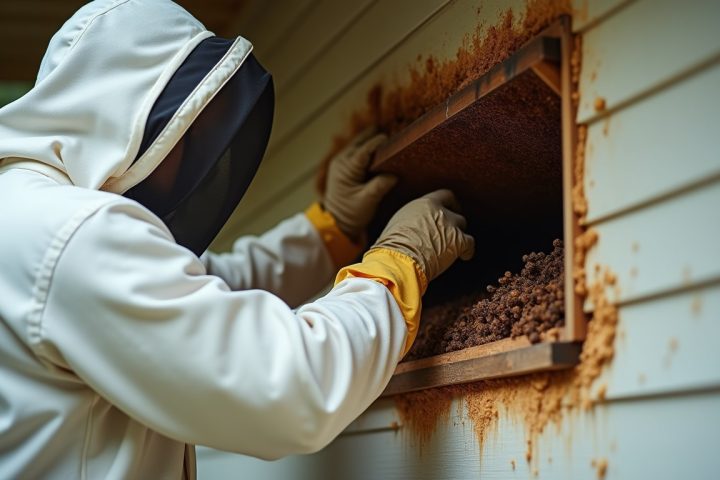
Bee removal averages $180. Relocation runs $100 to $400 and a cutout $400 to $1,500. A beekeeper will often take an accessible swarm for free.
Aug 28, 2026
For Property Owners

Tick treatment costs $100 to $300 per visit, $300 to $900 a season. Why the wooded edge costs more than the lawn, and why acreage is a poor predictor.
Aug 28, 2026
For Property Owners
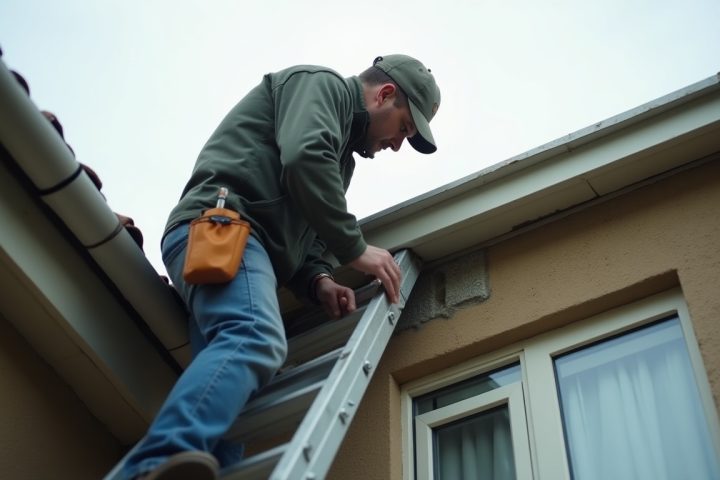
Wildlife removal costs $200 to $600, or $500 to $1,500 in an attic. Why bats cannot be trapped, and why trapping alone never solves it.
Aug 25, 2026
For Property Owners
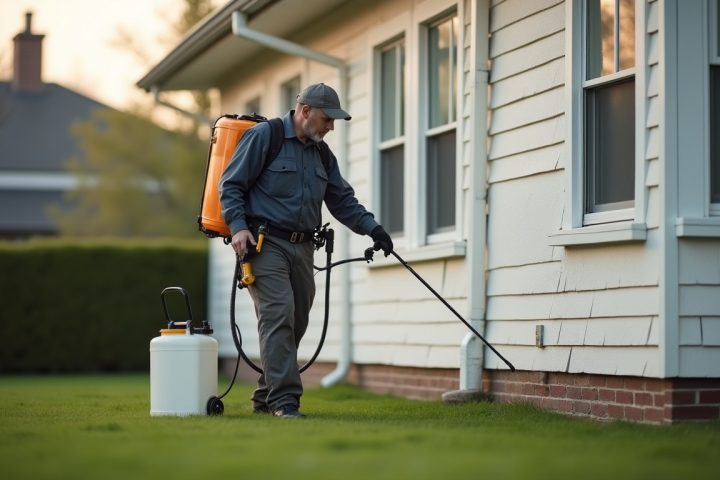
Quarterly plans cost $40 to $150 per visit against $100 to $300 one-off. The per-visit price is lower for a structural reason, not as a discount.
Aug 25, 2026
For Property Owners
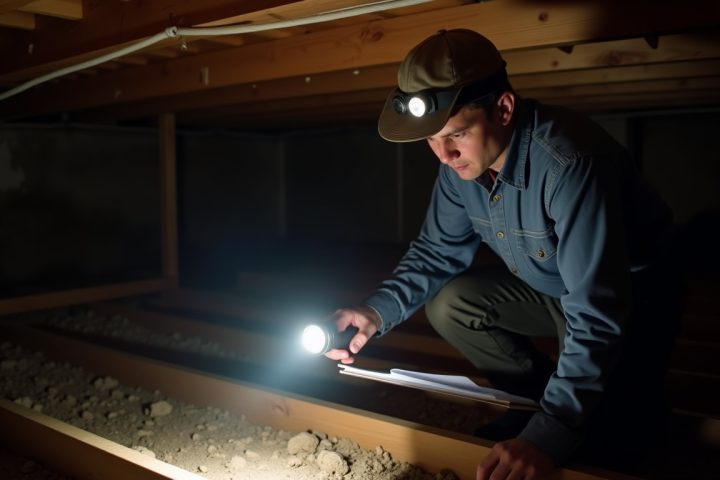
A WDI report costs $75 to $150. A free inspection is not the same product. Who pays at closing is set by your contract, not by rule.
Aug 25, 2026
For Property Owners
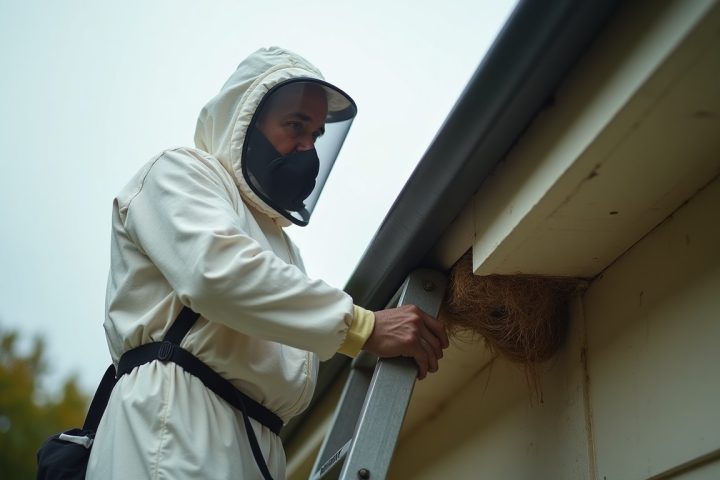
Wasp nest removal averages $525. Yellow jackets cost the most at $500 to $1,300. Why a wall void nest costs more, and why timing changes the price.
Aug 25, 2026
For Property Owners

Mosquito control averages $350. A single barrier spray is $75 to $150, a season contract $350 to $1,000. Why treatment repeats every 21 days.
Aug 24, 2026
For Property Owners
Rodent removal costs $150 to $600. The decision that matters is trapping against exclusion, and most quotes price the first while staying quiet about the second.
Aug 20, 2026
For Property Owners
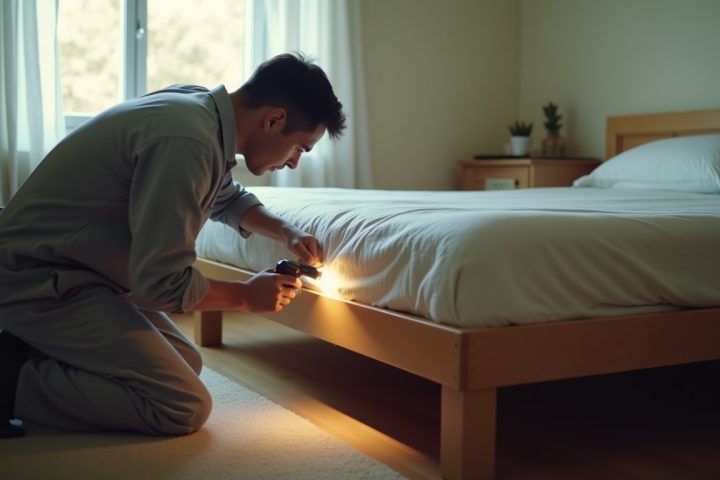
Chemical treatment runs $150 to $400 per room over two to three visits. Heat runs $3,000 to $6,000 whole-home in one day. The total cost comparison.